REVIEW · TOKYO
Tokyo: Night Cooking Class: 5 Home-Cooked Japanese Dishes
Book on GetYourGuide →Operated by MagicalTrip · Bookable on GetYourGuide
A Tokyo evening gets better when you cook with your hands and drink with intention. This nighttime izakaya-style class pairs small plates with sake and beer, and it’s built around real home techniques like a Japanese rolled omelette and miso eggplant. I especially like the small group size (up to 6) and the fact that you leave with recipes you can actually use at home. The main catch is the age rule around knives and heat, plus alcohol tasting is only for adults 20 and up.
You’ll meet at Iriya Station and spend about 3 hours learning, cooking, and tasting in English with a local guide. I also like that vegetarian cooking is possible, and the class includes 3 cans of alcoholic or soft drinks. One thing to think about: if you’re vegan or gluten-free, this experience isn’t offered in those versions, and allergy-free cooking can’t be guaranteed.
In This Review
- Key points before you go
- A Tokyo night cooking class that feels like a real izakaya meal
- Getting to the meeting point near Iriya Station Exit 2
- What you actually cook in 3 hours: 5 home-style dishes with drink pairing logic
- Sushi hand roll: learning the snack-size rhythm
- Wagyu (or tofu) steak: the savory core of the evening
- Japanese rolled egg: why tamagoyaki techniques matter
- Grilled eggplant with miso: sweet-salty comfort
- Drink pairings and the nomikai mindset
- Take-home recipes you can use for parties, not just for photos
- How the guide shapes the class: names you might meet
- Price and value: $103 for a 3-hour Tokyo night with drinks and recipes
- Who should book this class (and who should skip)
- You’ll probably love it if
- Plan around these restrictions
- Quick practical tips so the class feels smooth
- Should you book the Tokyo night cooking class?
- FAQ
- How long is the Tokyo night cooking class?
- Where is the meeting point?
- What dishes are included in the hands-on cooking?
- Are alcoholic drinks included, and is there an age requirement?
- Is the class suitable for vegetarians?
- Is the class available for vegans or gluten-free diets?
- Is hotel pickup included?
Key points before you go
- Izakaya-style structure: small plates designed to match drinks, not just a single meal.
- Hands-on dishes: you’ll cook items including sushi hand roll, wagyu (or tofu), rolled egg, and grilled miso eggplant.
- Drink pairings lesson: you’ll learn what to drink with what you cook, in a casual nomikai spirit.
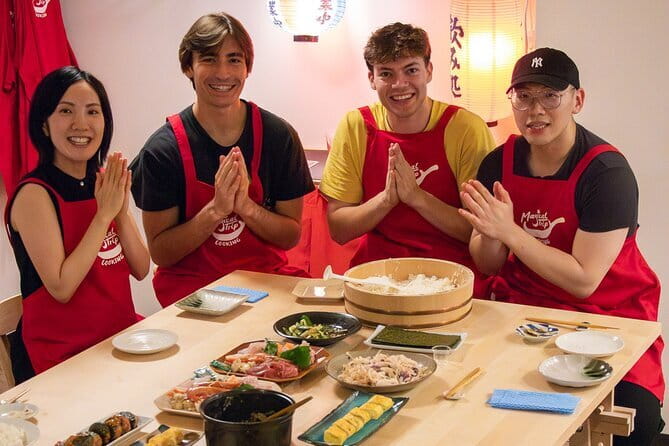
- Small group, English guide: limited to 6 participants, with live instruction in English.
- Take-home value: recipes and tour photos are included, so the night doesn’t end when you leave the kitchen.
- Age rules matter: alcohol is limited to guests 20+, and knife/heat steps are only for age 12+.
A Tokyo night cooking class that feels like a real izakaya meal
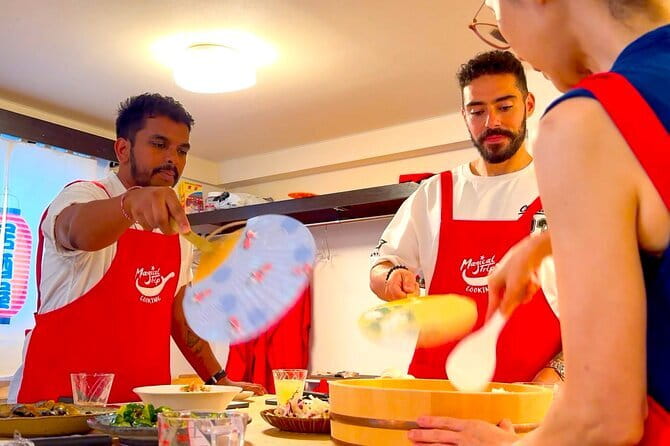
There’s a reason izakaya food hits differently at night. The vibe is casual, the portions are meant for sharing, and each dish is built to work with drinks. This Tokyo night cooking class keeps that logic front and center: you cook several home-style items and then learn how different drinks pair with each one.
What makes it work well in practice is the pacing. You’re not just watching. You’re doing. And the class is timed for a comfortable evening: about 3 hours of cooking, tasting, and learning, without turning your entire night into a production.
The included drinks also change the feel of the experience. You get 3 cans of alcoholic or soft drinks, and the whole session is set up around the idea of nomikai—that friendly, food-and-drink social rhythm Japan does so well. If you like sake and Japanese beer, you’ll appreciate that the lesson doesn’t treat pairing as a trivia question. It’s connected to what’s on your plate.
One more point I like: this is a small group limited to 6 participants. That size usually means you get more attention from your guide and a smoother flow in a working kitchen.
You can also read our reviews of more cooking classes in Tokyo


Getting to the meeting point near Iriya Station Exit 2
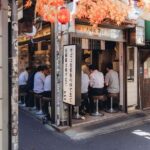
Plan to arrive a few minutes early. The meeting point is very specific, and Iriya Station can be confusing at night if you’re rushing.
You meet in front of a FamilyMart next to Gindako at Iriya Station Exit 2. There are two FamilyMarts in the area, so choose the one next to Gindako takoyaki and also by Doutor Coffee shop.
Also note: there’s no hotel pickup or drop-off listed. That’s normal for this kind of class, but it does mean you should be comfortable using the station and walking a bit with your own directions.
What you actually cook in 3 hours: 5 home-style dishes with drink pairing logic
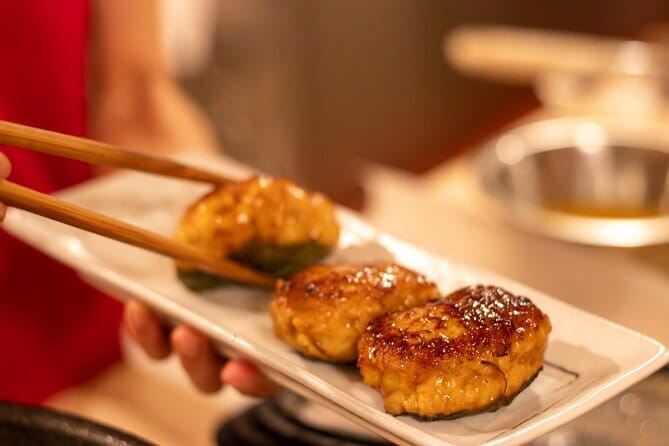
The class centers on hands-on cooking, and the included dishes give you a solid snapshot of what Japanese home cooking can look like at night. You’ll work through items that also make sense for pairing—savory, salty, slightly sweet, and bright with acidity from pickles and sauces (depending on what’s included in your session).
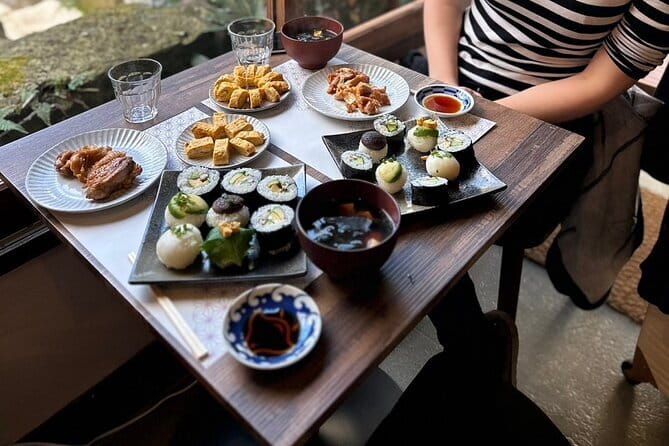
Here are the dishes you can expect to cook as part of the included hands-on menu:
- Sushi hand roll
- Wagyu or tofu steak
- Japanese-style rolled egg (tamagoyaki-style)
- Grilled eggplant with miso sauce
Even if you’re a beginner, these dishes are a smart mix. You get variety in texture—grill, tender egg, and saucy miso—so you can actually feel why drink pairing matters.
Sushi hand roll: learning the snack-size rhythm
Hand rolls are a great choice for this format. They’re not intimidating like a full sushi set, but they still teach key ideas: assembling neatly, balancing flavors, and getting that bite-sized portability that makes izakaya food work.
This is also a dish that pairs naturally with light drinks. Think crisp notes, gentle sweetness, and clean finishes that don’t fight the rice and toppings.
Wagyu (or tofu) steak: the savory core of the evening
If you’re doing the wagyu option, you’ll be cooking something rich and comforting. If you’re doing tofu, you still get the point of the dish: savory, satisfying, and ready to match with beer or sake styles that complement umami.
The lesson here isn’t only how to cook it. It’s how a bigger, meat-forward flavor changes what tastes best next. In many pairings, the drink choice either refreshes your palate or rounds out the fattiness—so you’ll likely notice the difference while tasting.
You can also read our reviews of more evening experiences in Tokyo



Japanese rolled egg: why tamagoyaki techniques matter
Japanese rolled egg is one of those dishes that looks simple until you try it. In a short class setting, it’s a perfect way to learn a technique you can reuse: managing heat, layering, and getting that tender, sliceable result.
It also pairs well because rolled egg tends to sit in the flavor middle—supporting sauces and drinks without dominating them. If you’ve ever struggled to make a breakfast-style omelette taste good at dinner, this is exactly the skill you’re learning.
Grilled eggplant with miso: sweet-salty comfort
Eggplant and miso are a classic home combo. Grilling adds depth, and miso gives that savory-sweet punch that works with both beer and sake.
This dish is especially useful if you want to bring something Japanese into your home cooking without needing rare ingredients. Eggplant is easy to find in many countries, and miso is now fairly common in international grocery aisles.
Drink pairings and the nomikai mindset
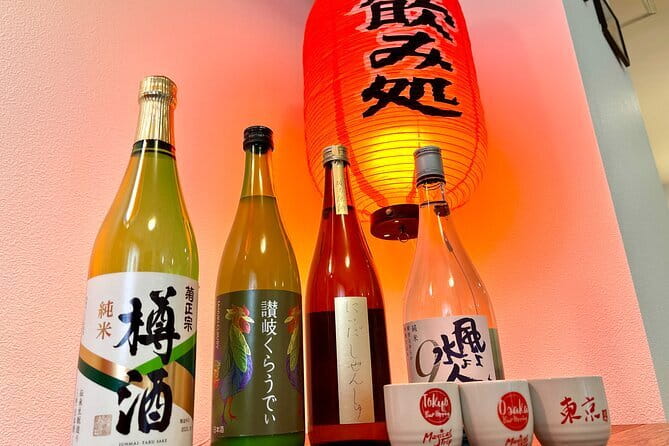
The class highlights which beverages pair best with different dishes, and that’s where the experience becomes more than just a cooking lesson. Japanese home drinking culture—especially nomikai—is built around sharing lots of small plates, then letting each bite guide what you sip next.
You also get a practical structure: your drinks aren’t floating in the background. You taste as you cook and learn what the pairing logic is.
A key rule, though: sake tasting and alcoholic beverages are only available for guests aged 20 and over. Everyone else can still have the included soft drinks, but if you’re traveling with teens or younger kids, plan around the adult-only alcohol portion.
If you’re a sake person, this is a fun way to learn without turning it into a formal tasting class. If you’re more of a beer drinker, the same pairing idea applies. You’ll get a clearer sense of what makes certain flavors feel cleaner or richer once alcohol enters the picture.
Take-home recipes you can use for parties, not just for photos
One of the best parts of cooking classes is what you do after the class. Here, you get recipes to take home, plus tour photos. That matters because you can recreate the dishes later when you’ve forgotten the exact timing or texture.
I like that the class is described as using ingredients that are readily available in your home country. That’s not a guarantee that every ingredient is identical everywhere, but it usually means you won’t need obscure Japanese-only items to reproduce the basics.
Also, because the meal is designed around drink pairing, these recipes are ideal for hosting. You can serve small plates, offer a couple drink options, and let people match food and sips the way you learned.
How the guide shapes the class: names you might meet
A cooking class lives or dies by the guide. Here, the experience is led by a local, with English instruction, and the reviews point to strong teaching and a friendly atmosphere.
For example, one guide named Alice is praised for being both knowledgeable and fun, and another named Masae is remembered for being warm and adding extra context by taking the group to a local supermarket before cooking. A third instructor, Fuji, is described as a great guide and instructor.
What this suggests for your planning: you’re likely to get more than step-by-step cooking. You’ll probably learn the why behind techniques—like how Japanese home cooking thinks about balance, texture, and sauce timing—then apply it in real time.
Small group size helps too. When you can ask quick questions without waiting, beginners usually feel confident faster.
Price and value: $103 for a 3-hour Tokyo night with drinks and recipes
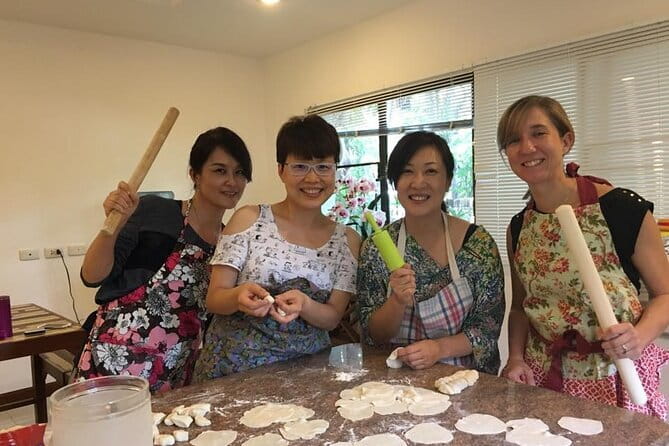
At $103 per person, you’re paying for a few things at once:
- A hands-on cooking class (not a demo)
- Multiple dishes including wagyu or tofu, rolled egg, and miso eggplant
- 3 cans of alcoholic or soft drinks
- All ingredients and cooking equipment
- Recipes to take home plus tour photos
- A local English-speaking guide
- A small group capped at 6
In Tokyo, standalone sake or cooking experiences can easily end up costing a similar amount once you factor in food. Here, the value comes from bundle pricing: you’re paying once for teaching, ingredients, and the evening meal-and-drinks format.
It’s also a good value if you want to learn techniques you can use again. A rolled egg skill and a miso grilling approach can travel well to home cooking. And since the class is timed for a night out, it can replace dinner plans with something more interactive.
The main reason it might not be the best match is if you’re looking for a purely food-only class with no alcohol element, or if your dietary needs fall outside what’s supported (not vegan, not gluten-free).
Who should book this class (and who should skip)
This experience can be a great choice, but it has clear limits.
You’ll probably love it if
- You enjoy Japanese cuisine and want technique, not just taste
- You like the idea of pairing food with drinks in a social setting
- You’re comfortable cooking with others in a small group
- You want an evening activity that feels more local than a standard restaurant night
It’s also a strong fit for couples and groups of friends looking for a shared, practical activity. Solo travelers often do well here too, because small group classes make it easier to talk and connect.
Vegetarians are welcome, and the class notes that ingredients and process can be arranged.
Plan around these restrictions
- Alcohol is only for guests aged 20+.
- Cooking steps involving knives and heat are allowed only for those aged 12+, under supervision of a parent or guardian.
- The tour allows participants aged 6 and above, but kids under 12 are not suitable per the notes.
- Pregnant women are not suitable for this experience.
- It is not available for people who are vegan and gluten-free.
- Allergy-free cooking can’t be guaranteed, since the kitchen setting isn’t dedicated to dietary-only preparation. Substitutions might not always be possible.
There’s also a note that some locations used during the tour may not be wheelchair or stroller accessible.
Quick practical tips so the class feels smooth
- Wear clothes you don’t mind getting food smells on. Cooking nights run warm and busy.
- If you can, double-check your drink age eligibility so there are no surprises about tasting.
- If you’re bringing kids, remember the class has guidance limits around knives and heat, even if there’s a play space mentioned for keeping little ones occupied.
Should you book the Tokyo night cooking class?
Book it if you want a 3-hour Tokyo evening that turns food and drinks into a learning experience. The dishes included—hand roll, rolled egg, grilled miso eggplant, and wagyu or tofu—are approachable, practical, and built for tasting while you cook. The small group limit and English guide make it easier to ask questions and get comfortable in the kitchen.
Skip it if you need vegan or gluten-free options, or if your travel group includes someone who can’t meet the age rules for knives/heat or alcohol tasting. And if allergies are a major concern, assume you’ll have to manage expectations about guaranteed avoidance.
If your goal is to walk away with real skills and a better sense of nomikai food-and-drink rhythm, this is the kind of class that can stick with you past the trip.
FAQ
How long is the Tokyo night cooking class?
The class lasts 3 hours.
Where is the meeting point?
Meet in front of a FamilyMart next to Gindako at Iriya Station Exit 2. There are two FamilyMarts in the station area, so choose the one next to Gindako takoyaki and Doutor Coffee.
What dishes are included in the hands-on cooking?
Included hands-on dishes are sushi hand roll, wagyu or tofu steak, Japanese-style rolled egg, and grilled eggplant with miso sauce.
Are alcoholic drinks included, and is there an age requirement?
Yes. You get 3 cans of alcoholic or soft drinks, but sake tasting and alcoholic beverages are only available to guests aged 20 and over.
Is the class suitable for vegetarians?
Yes. Vegetarians are welcome, and ingredients and the cooking process can be arranged.
Is the class available for vegans or gluten-free diets?
No. It is not available for people who are vegan and gluten-free.
Is hotel pickup included?
No. Hotel pickup and drop-off are not included.