REVIEW · TOKYO
At an Antique Shop, Tea Ceremony and Japanese Sweets Forming
Book on GetYourGuide →Operated by Beautifuldaytours LLC. · Bookable on GetYourGuide
A quiet tea pause you can hold in your hands. This experience blends Nerikiri wagashi forming and a real tea ceremony, but the real twist is the setting: a 100-year-old roadside antique tableware shop that has drawn media attention. I love that you start by settling in around antiques (and even pick your teacup), and I love that you get both the hands-on sweets and the tea rituals in one flow. One consideration: it is not designed for everyone, with age minimums and no wheelchair access.
You’ll be welcomed in English, but the host is an artisan and may not speak English fluently, so it helps to bring patience and curiosity. The shop is about 10 minutes from Nippori Station, and the day runs as scheduled—being late doesn’t shift the plan.
In This Review
- Key things that make this experience special
- A century-old roadside antique shop sets the tone
- Picking your teacup from the antiques
- Nerikiri wagashi: shaping seasonal beauty with your hands
- Tea ceremony in a chair: matcha and a calmer pace
- Price and what you truly get for $57
- Timing, meeting point, and how not to stress about logistics
- Rules and who this experience fits best
- Who runs the show and what to expect from the host
- Should you book the antique shop tea and Nerikiri wagashi workshop?
- FAQ
- How far is the meeting point from Nippori Station?
- What exactly will I make during the workshop?
- Can I choose the teacup I use?
- What happens during the tea ceremony?
- Is the experience taught in English?
- What age is the experience for?
- Is this experience wheelchair accessible?
- What is included in the $57 price?
- Is there a cancellation deadline for a full refund?
Key things that make this experience special
- A real antique shop setting: the tea room and tableware are part of the charm, not a staged backdrop.
- Teacup choice, including very old cups: you get to use the cup you pick, not just a standard set.
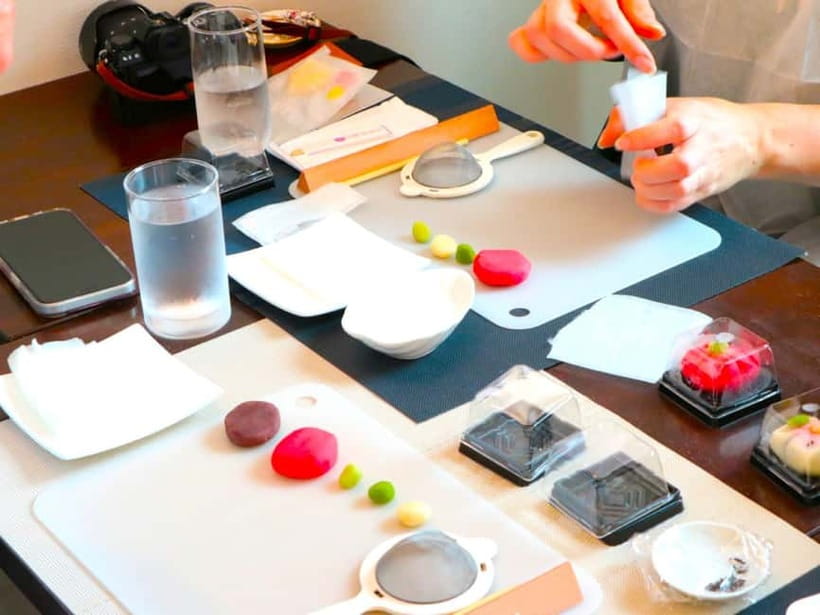
- Nerikiri wagashi hands-on forming: you shape colored dough by hand, then add fine lines with tools.
- Seasonal theme design: the sweets are formed to match the day’s seasonal beauty.
- Tea ceremony with chair seating: you don’t need to master floor sitting to enjoy the ritual.
- Matcha plus conversation: the host serves the sweets first, then real matcha, and dialogue is part of the experience.
A century-old roadside antique shop sets the tone
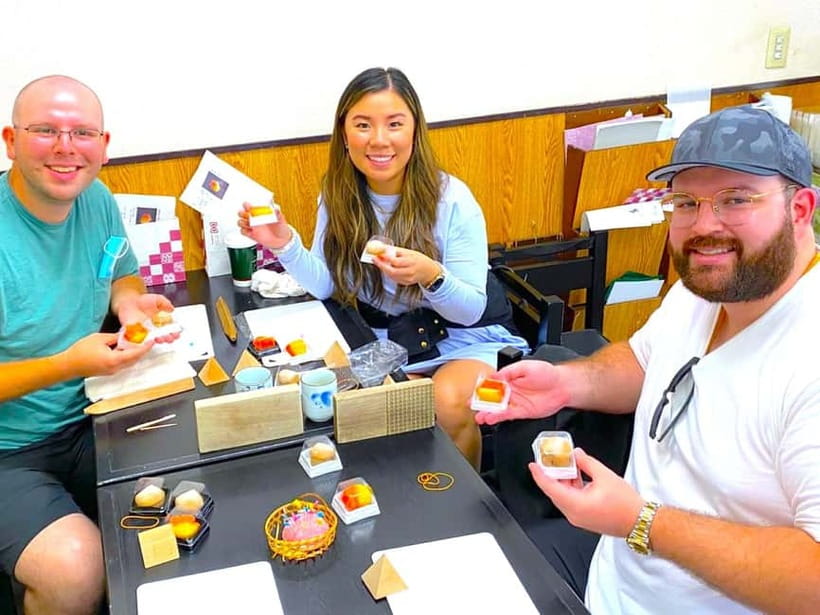
Forget the idea of a generic class in an apartment room. This program takes place in a century-old roadside antique tableware shop, which instantly changes the feel. Instead of rushing through instructions, you get a slower start: you arrive, settle in, and take time to look around.
That matters, because Japanese tea culture is as much about atmosphere as it is about technique. In this shop, the antiques aren’t just decoration—they’re part of what you’re about to use. If you like Japanese craftsmanship, you’ll probably enjoy the pre-activity time even before the sweets begin.
One more practical upside: the antiques give you something visual to focus on while you settle in, especially if your language comfort is limited. The host is an artisan, and that changes the pace. You’re not getting a polished performance; you’re watching a craft.
You can also read our reviews of more tours and experiences in Tokyo


Picking your teacup from the antiques
One of my favorite parts is that you can choose the teacup you’ll use during the tea segment. Some of the cups are said to be several hundred years old, which means this isn’t just a nice prop. You get to treat the cup with respect, and that naturally brings you into the tea mindset.
Here’s the practical way to think about it: tea ceremonies can feel abstract if everything is identical and disposable. When you select a cup, you pay attention. You notice shape, size, and how you hold it. Even if you don’t know the names of patterns or makers, you still pick up the idea that objects carry meaning.
Tip for your visit: take a few extra seconds when choosing. If you’re the type who overthinks, this is still fine—this experience is calm, and the host can guide you at your pace.
Nerikiri wagashi: shaping seasonal beauty with your hands
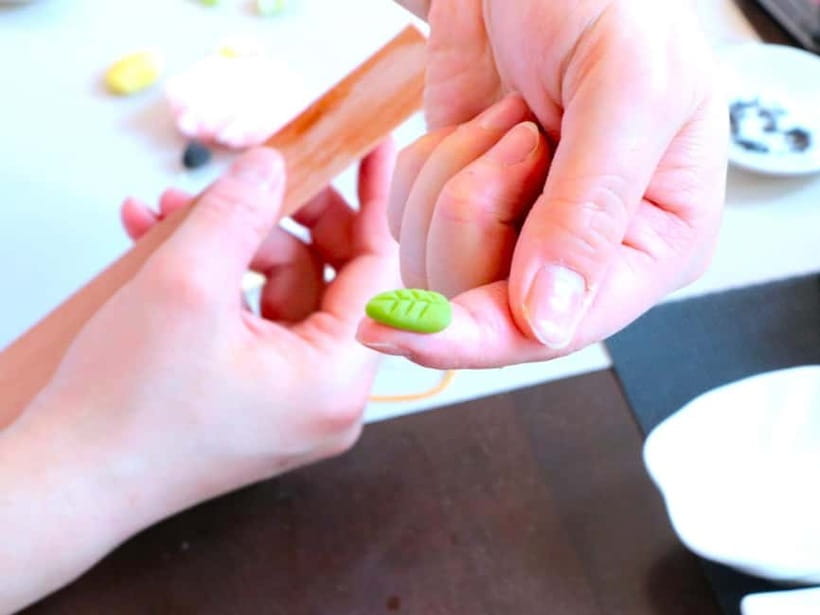
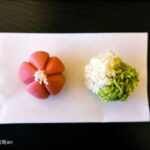
Your sweets workshop focuses on wagashi called Nerikiri, a kind of mochi-based confection. The main ingredient is mochi flour, but the real star is the forming process. You’ll work with different colored materials—think of it like clay work, but edible and meant to become something specific.
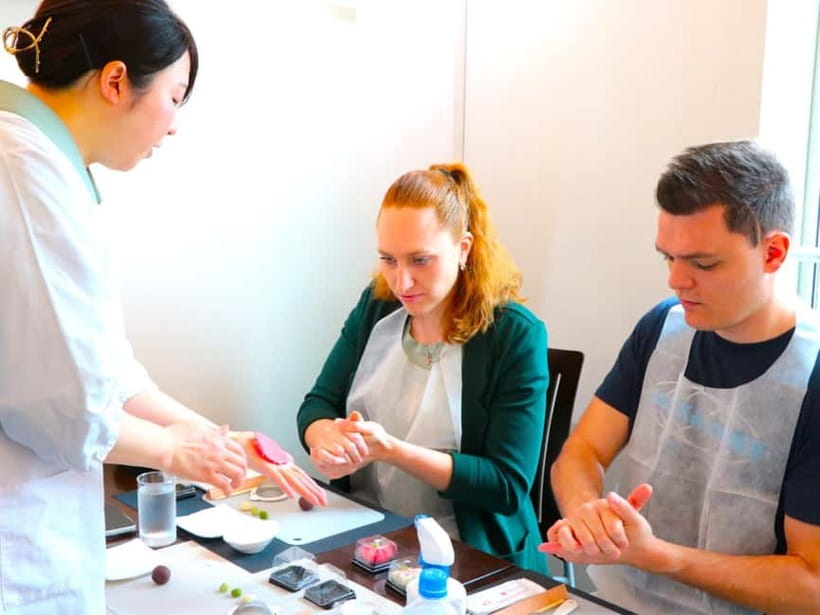
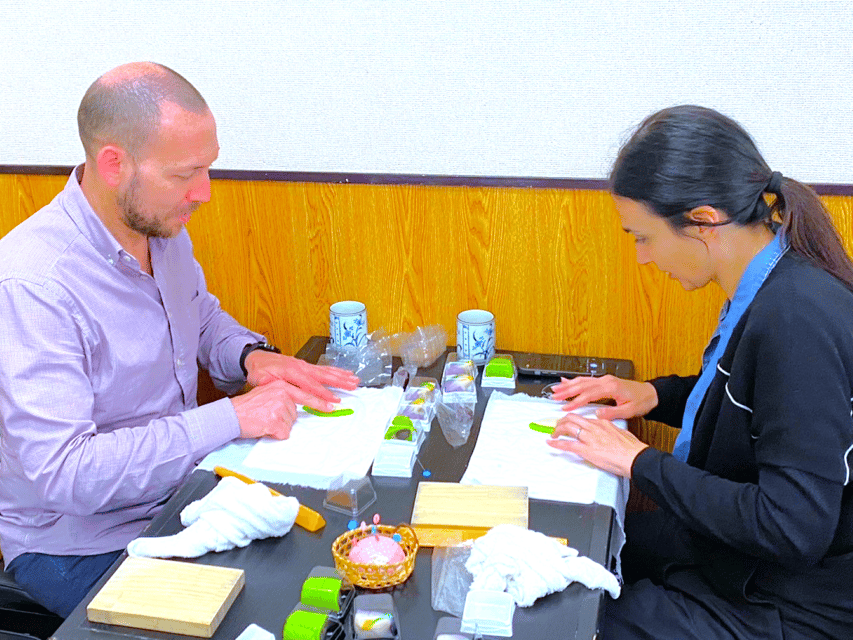
The instructions are designed for people who aren’t expert cooks or artists. You form the colored dough by hand, and then you use tools to add lines so the design looks right. That step—making the details—turns the experience from just mixing and molding into actual craft.
What makes Nerikiri especially satisfying is that it’s guided toward a target figure tied to the day’s theme. In other words, you’re not just making generic sweets. You’re making a small seasonal message in dessert form.
From a value standpoint, this is where the price starts to feel justified. You’re paying not just for ingredients, but for the time and attention to help you shape something that looks intentional. And because the process is hands-on, you end up with an edible souvenir you made, not just a photo.
Tea ceremony in a chair: matcha and a calmer pace
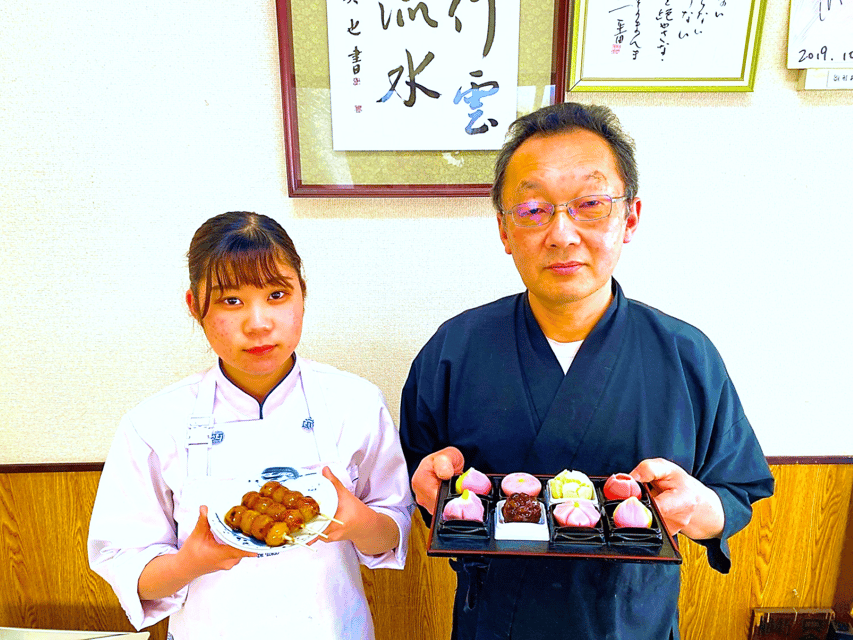
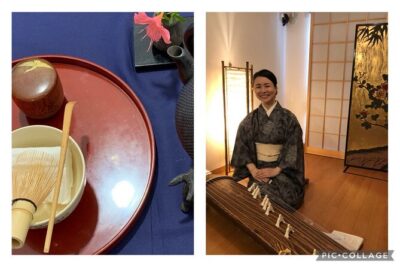
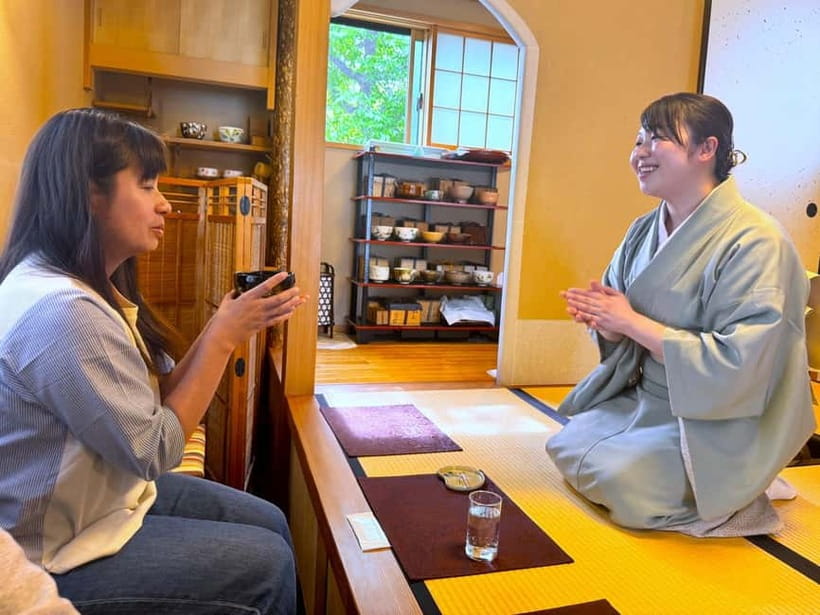
After you finish shaping your Nerikiri, you move into the dedicated tea room for the tea ceremony. What I like here is the structure: the room is designed so you can experience it sitting in a chair. That removes a common barrier for people who want the tea ritual but don’t want to worry about floor sitting.
During the ceremony, the host serves you with confection first—your wagashi—and then you’re offered real matcha that is not sweet. That order matters. It lets you taste the wagashi as part of the ritual, then shift to the tea.
The social side is also real. The host encourages questions and conversation, and that’s not just warm hospitality—it affects the experience. The more you ask, the richer the interaction becomes. Even if English isn’t the host’s strongest language, the act of asking keeps the moment connected.
Small reality check: the host may not be a commercial-style speaker, and language clarity can vary. If you want to feel more confident, prepare a couple of simple questions in your head, like:
- What makes this matcha special?
- How does wagashi connect to the season?
- What should I notice when tasting?
It’s not about fluency. It’s about showing interest.
Price and what you truly get for $57
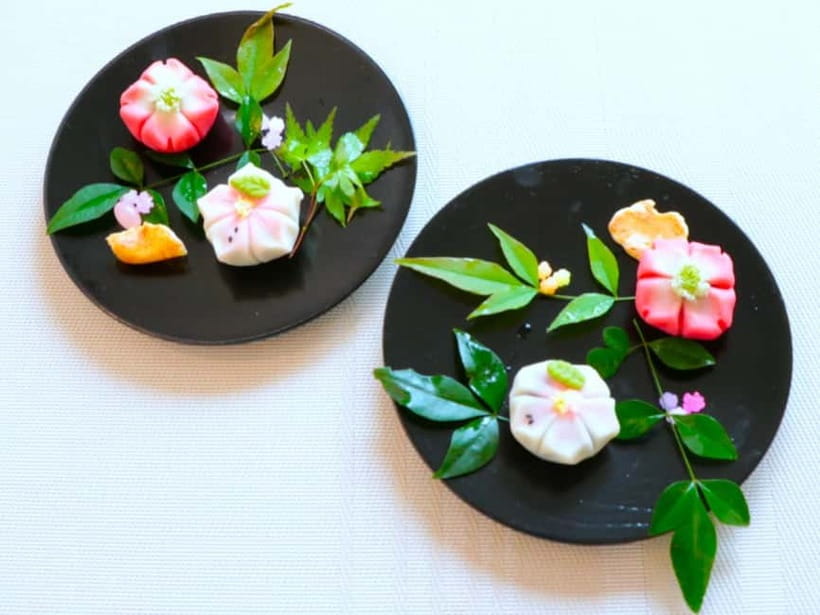
At $57 per person, it might feel “reasonable” until you look at what’s actually included. This isn’t a tea tasting where you only pay for a sip. Your included costs cover:
- the experience fee and facility usage
- tool usage
- matcha powder and wagashi material cost
- consumption tax
So you’re paying for a full workshop: materials, instruction, and space—plus the tea ceremony itself. On top of that, you can choose which teacup you use, which adds a real element of care and uniqueness.
Optional note for antique lovers: if you fall for the tableware, you can purchase antiques from the shop. The information doesn’t say you have to, but it’s good to know the option is there if you’re serious about Japanese ceramics.






Timing, meeting point, and how not to stress about logistics
The meeting point is about 10 minutes from Nippori Station. You’ll get more detailed location information after reserving, and the activity ends back at the meeting point.
Two things to keep in mind so your day stays smooth:
- Late arrivals don’t change the schedule. The experience ends as originally planned.
- If you enter the venue without participating, you still need to pay a fee in advance and show it at request time.
That might sound strict, but it protects the flow of the workshop—wagashi shaping and tea serving are time-sensitive steps.
Also, the experience has a calm, craft-centered feel, so treat it like a seated cultural activity, not a quick photo stop.
Rules and who this experience fits best
This experience is not suitable for:
- children under 13 (and under 18 must be with an adult)
- wheelchair users
- people with vertigo
- people with epilepsy
- people with a cold
You also can’t bring baby strollers, and there are straightforward conduct rules: no smoking, no intoxication, no alcohol or drugs, no bare feet, and no chewing gum.
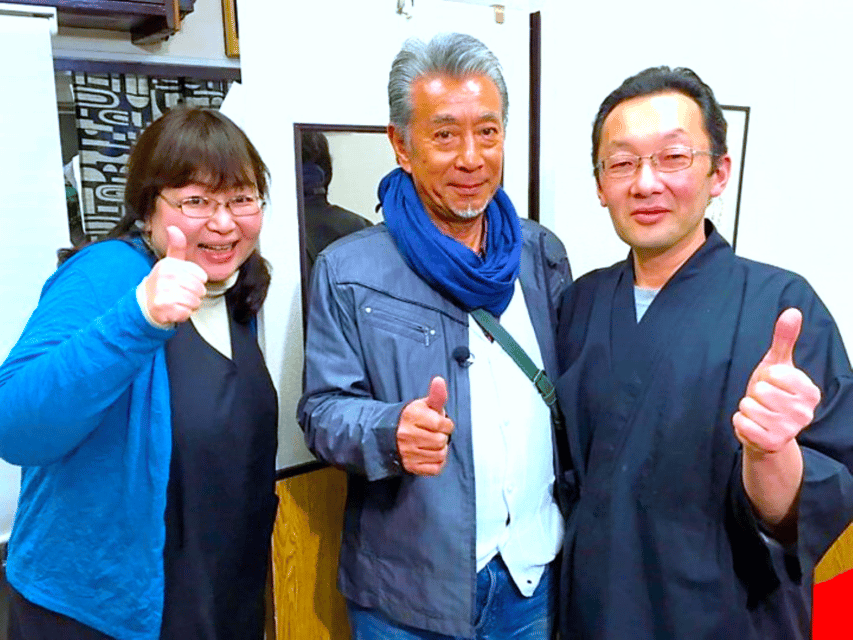
If you’re healthy, at least 13, and comfortable sitting for the ceremony, you’ll likely enjoy it because the pace matches a craft workshop. It’s also a good fit if you like authenticity. The fact that this shop was interviewed by CNN hints that it’s known locally and has a strong story beyond a tourist script.
If you’re the kind of visitor who wants to taste Japanese culture beyond sushi and temples, this is a very direct route: you shape a seasonal confection and then drink matcha the way it’s meant to be enjoyed.
Who runs the show and what to expect from the host
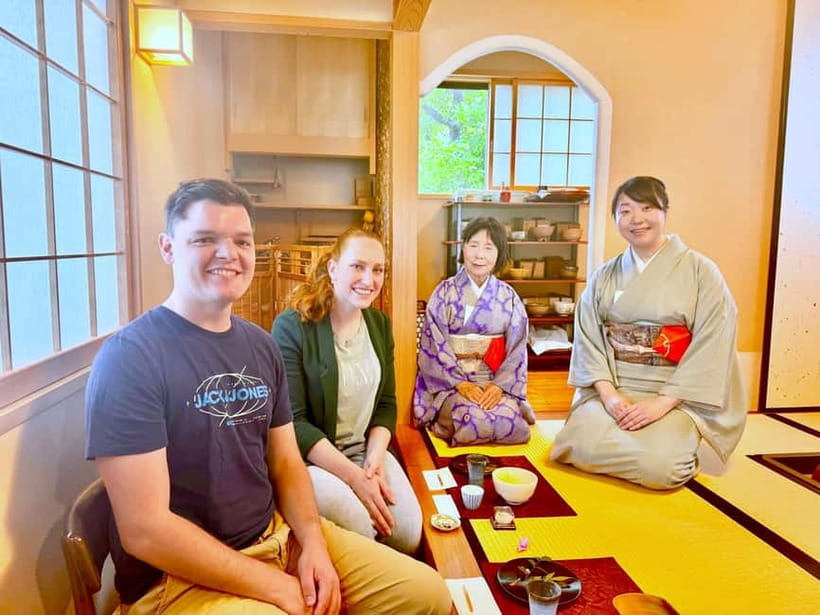
The provider is Beautifuldaytours LLC. You’ll receive instruction in English, but the host is described as an artisan rather than a commercial instructor. Translation can be limited, and that’s not a dealbreaker if you’re open to the moment.
In practice, craft experiences work well even when your vocabulary is small:
- you’ll watch steps
- you’ll get hands-on guidance
- your attention to making will carry you through
The host’s emphasis on questions also helps. You’ll get more out of it by treating the tea room like a conversation, not a lecture.
Should you book the antique shop tea and Nerikiri wagashi workshop?
Yes—if you want a calm, hands-on cultural experience in a memorable setting. The best reason to book is the combination: making Nerikiri and then tasting real matcha in a tea room inside a 100-year-old antique shop, not an apartment classroom.
You should think twice if you need wheelchair access, you have vertigo or epilepsy concerns, or you’re traveling with kids under 13. Also, if you hate activities where conversation might require patience, the artisan hosting style may feel challenging.
If you match the basics—age, health, and a willingness to engage—you’ll come away with something better than a souvenir: a seasonal sweet you shaped with your own hands and a tea ritual you can actually follow.
FAQ
How far is the meeting point from Nippori Station?
It’s approximately 10 minutes from Nippori Station, with more detailed location information provided after you reserve.
What exactly will I make during the workshop?
You’ll make Nerikiri wagashi, a mochi-based Japanese sweets confection, shaped from colored materials based on the day’s theme.
Can I choose the teacup I use?
Yes. You can select the teacups you’ll use, including some that are several hundred years old.
What happens during the tea ceremony?
You’ll sit in a tea room designed for chair seating. The host serves your wagashi first, then real matcha (not sweet), and conversation is encouraged.
Is the experience taught in English?
Yes. The language listed is English.
What age is the experience for?
Participants must be at least 13 years old. Those under 18 must be accompanied by an adult.
Is this experience wheelchair accessible?
No. It is not suitable for wheelchair users.
What is included in the $57 price?
Included are the experience fee, facility usage fee, tool usage fee, matcha and wagashi material costs, and consumption tax.
Is there a cancellation deadline for a full refund?
Yes. You can cancel up to 7 days in advance for a full refund.