REVIEW · TOKYO
Akihabara Flavors and Anime Fun Private Guided Tour for All Ages
Book on Viator →Operated by japan local and fun experiences · Bookable on Viator
Akihabara can feel like sensory overload. This private, all-ages tour gives you a clear path through the Electric Town with maid café cosplay and arcade/retro game time built in. The trade-off: the neighborhood can be loud and intense, and the maid-café style may not be everyone’s thing.
What I like is how the tour mixes fan culture with calmer stops, so you get both photos and a breather. You’ll also get a guide who can handle a real range of energy levels, including kids, while keeping the day flowing around Kanda Shrine and the Kanda River area.
In This Review
- Quick hits on this Akihabara flavors and anime fun tour
- Akihabara starts making sense with a simple plan
- Maidreamin Akihabara idol-dori: cute sweets plus a cosplay show
- GiGO Akihabara 1st: game center chaos, in the best way
- Kanda Shrine: a quick history lesson plus manners
- Kanda River photo time: one of Tokyo’s calmer stretches
- Akihabara vending machine corner: the snack hunt you didn’t know you needed
- HoneyHoney Akihabara: the maid café your guide prefers
- Super Potato: retro games that feel like time travel
- Lunch, drinks, and snacks: built to keep you moving
- Private tour value: what $210 buys you in Tokyo
- Getting around: meeting point, no hotel pickup, and mobile tickets
- Who should book this Akihabara anime and food tour
- Should you book it?
- FAQ
- How long is the tour?
- What time does the tour start?
- Where do we meet?
- Is this a private tour?
- What’s included with the ticket?
- Are there alcohol options on the tour?
- Do I need to bring a ticket?
- Is hotel pickup included?
- What is the cancellation policy?
Quick hits on this Akihabara flavors and anime fun tour
- Private, all-ages pacing with a guide who can tailor the day to your interests (communication can happen ahead of time)
- Two maid café experiences: one well-known spot plus HoneyHoney Akihabara, picked by your guide as a top recommendation
- Game center and retro shop stops (GiGO and Super Potato) that feel like you’re stepping into the scenes you’ve seen
- A shrine stop with manners taught, not just a quick photo break
- Akihabara vending-machine alley for weird-and-fun snack hunting, including options like freshly made popcorn
Akihabara starts making sense with a simple plan
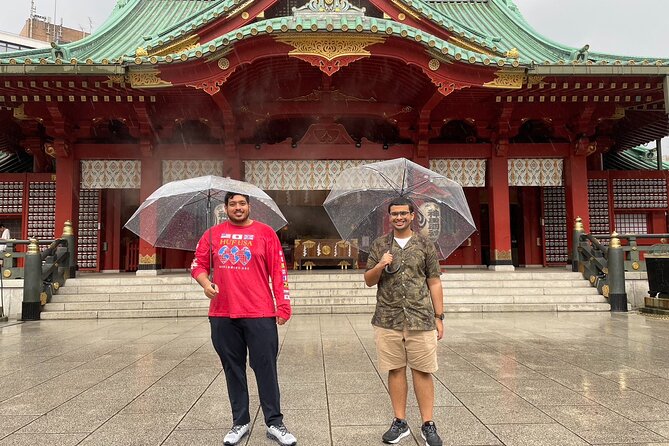
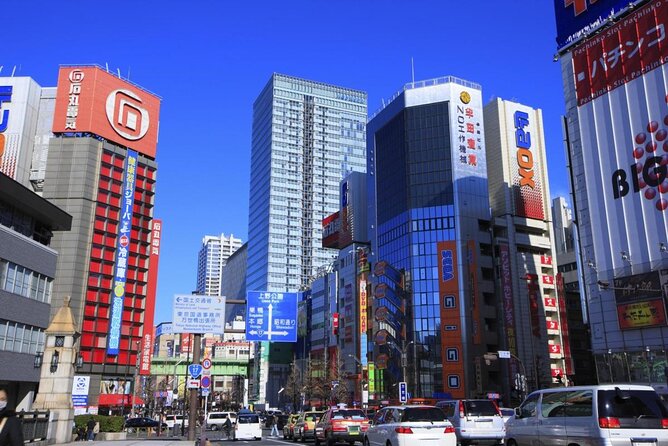
Akihabara is famous for anime, but it’s also famous for being confusing if you’re new. A guide matters here because you’re not just chasing random storefronts. You’re following a path that balances pop-culture hits with food moments and quick landmark breaks.
This tour also starts at 11:00 am and runs about 4 hours. That’s a sweet spot for an active morning: you’ll beat some of the later-day crowds while still having enough time to enjoy snacks and sit down for lunch. You meet at Akihabara Station (1 Chome Sotokanda, Chiyoda City) and you end back at the same meeting point, so you’re not constantly recalculating transit.
You can also read our reviews of more guided tours in Tokyo

Maidreamin Akihabara idol-dori: cute sweets plus a cosplay show
Your first stop is Maidreamin Akihabara idol-dori Store, a maid café that’s long on atmosphere. You’ll have about 30 minutes here, including a chance to try a sweet ice cream and watch a cosplay cute show.
Two practical notes for this kind of stop:
- These places often have their own pace, so plan to be present and in the moment rather than trying to rush photos.
- If your group is sensitive to performance-heavy venues, this is the part to judge early. The vibe is themed on purpose.
The upside is that this is the most “Akihabara” introduction possible. It’s also a strong way for kids to get excited fast, without needing a deep anime backstory.
GiGO Akihabara 1st: game center chaos, in the best way
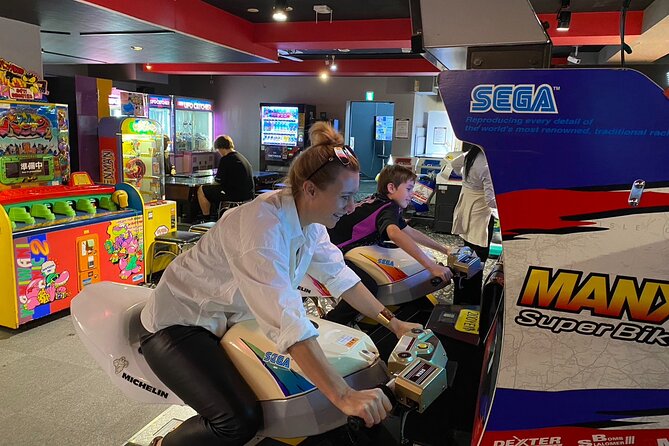
Next up is GiGO Akihabara 1st for another 30 minutes. This stop is more than a photo stop. You’ll get an overview of the area and then step into the anime-game center world, the place where the culture is as much about the arcade experience as it is about gaming.
What to expect:
- A lively environment where the best part is watching games, prizes, and how people play.
- Time that feels “free” even though you’re on a schedule, because the guide helps you orient yourself quickly.
Possible drawback: game centers can be a bit overstimulating. If you’ve got someone in your group who gets overwhelmed by noise, you’ll want to treat this as an optional intensity moment, not a long sit-down attraction.
Kanda Shrine: a quick history lesson plus manners
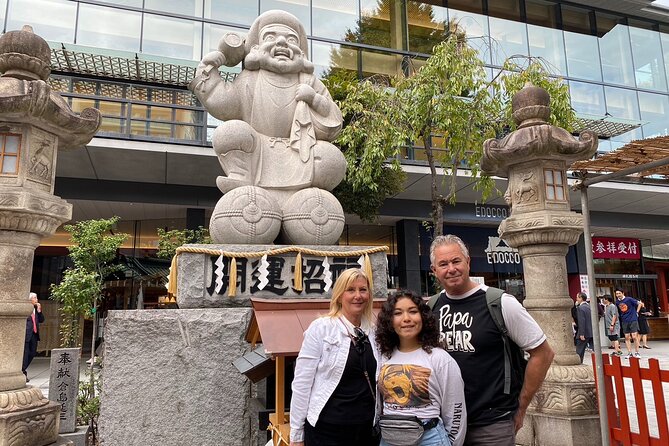
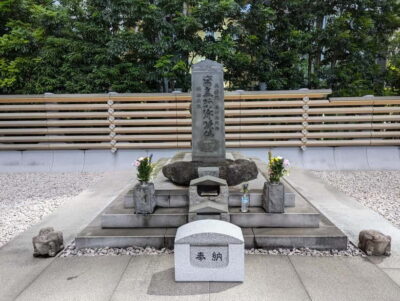
After the neon, you move into something quieter: Kanda Shrine. The stop is short, about 15 minutes, but it’s built around learning. You’ll visit hidden shrines and learn deep culture and manners for visiting a shrine, not just take pictures and leave.
This is a smart break for two reasons:
- It gives your senses a reset between loud stops.
- You get a framework for what you’re seeing, so the place feels meaningful instead of random.
In practice, that means you’ll likely spend more time paying attention than wandering. You’ll also come away with better comfort for your next shrine visit, because you learned how to behave rather than guessing.
Kanda River photo time: one of Tokyo’s calmer stretches
Right after Kanda Shrine comes the Kanda River stop, again about 15 minutes. The goal is simple: take in one of the longer river stretches in Tokyo and grab some solid pictures.
I like this part because it’s flexible. You can walk a little, look for angles, and take a breather without feeling like you’ve missed the main action. It’s also a good moment to check your group’s energy level before the food-and-snack segment ramps up again.
If your group is very photo-first, this may feel short. But as a pacing tool, it works.
You can also read our reviews of more private tours in Tokyo



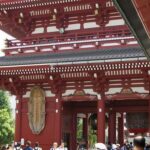
Akihabara vending machine corner: the snack hunt you didn’t know you needed
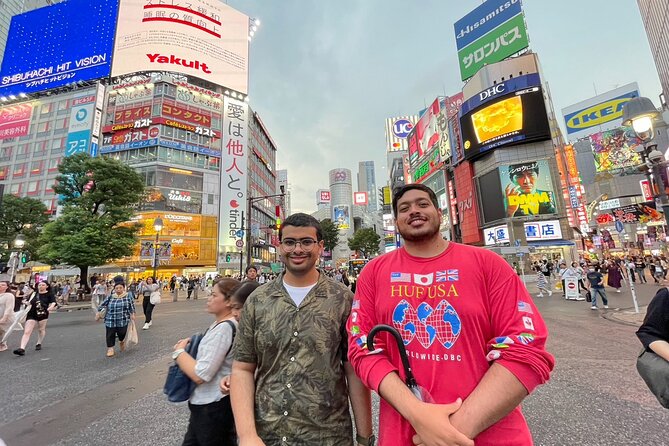
Then you’ll head to Akihabara Vending Machine Corner, an alley filled with vending machines selling everything from oddball items to snack food. You’ll spend about 45 minutes here, which is longer than you’d expect for a “photo stop,” and that’s the point.
What makes this interesting is the variety. The tour focuses on the experience of seeing what exists, not just buying the first thing you recognize. The info specifically mentions food options like freshly made popcorn, which is exactly the kind of treat that makes this stop fun even if you don’t know Japanese labels.
Practical tip: if you have picky eaters, this section can actually help. You can point at choices and compare. It’s also a great stage for kids, because it feels like a treasure alley.
The possible downside is cost creep if you go wild with extra purchases. The tour includes snacks and drinks in the itinerary, so use those first, then treat vending-machine spending like a bonus.
HoneyHoney Akihabara: the maid café your guide prefers
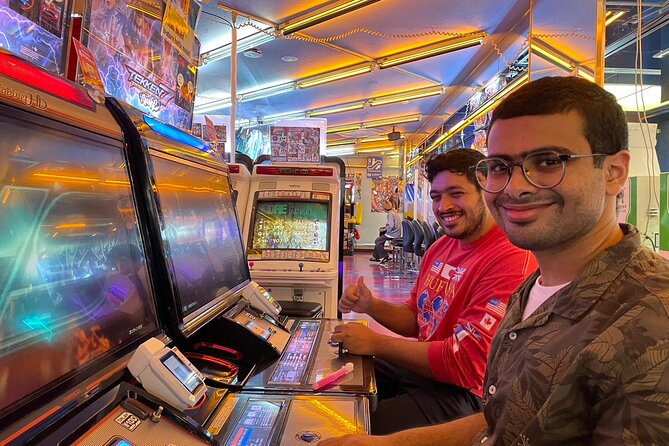
Next is HoneyHoney Akihabara, a maid café your guide recommends as a top pick. Your time here is about 30 minutes, and the admission is included.
The key detail I want you to notice is that this isn’t just “another maid café.” The description frames it as a recommended choice from multiple maid café experiences—one your guide feels is especially worth seeing. That helps you avoid the common problem of doing a themed stop twice and wondering if it adds up.
Still, the same general caution applies: maid cafés are performative and role-themed. If your group is only mildly interested in anime-adjacent entertainment, you may enjoy the atmosphere more if you treat it as a cultural experience rather than a must-join activity.
Super Potato: retro games that feel like time travel
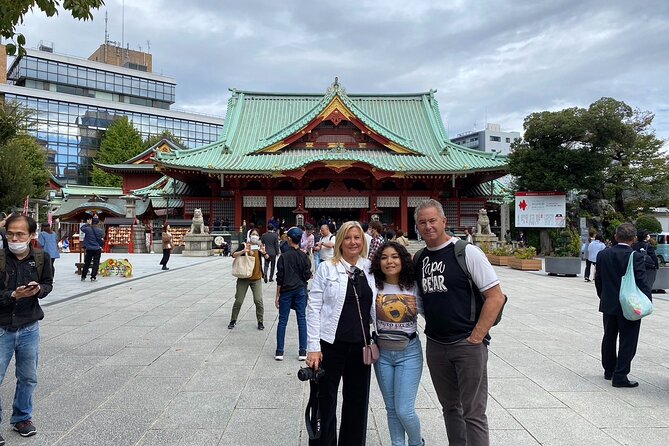
Finally, you reach Super Potato, about 30 minutes. This is the retro game stop: classic games, nostalgia energy, and the chance to play and possibly buy items from the collection.
If you grew up with arcade culture, this kind of store hits fast. Even if you didn’t, it’s a fun way to connect Akihabara’s present-day fan scene to older gaming culture.
The main practical limitation here is that time is short. If your group wants to look carefully, you’ll have less browsing time than if you went on your own. But with a guide, you’re more likely to find the best sections quickly instead of wandering for an hour.
Lunch, drinks, and snacks: built to keep you moving
Food is a major part of the value. The tour includes lunch with a drink, plus various local snack tastings, and it also covers an entrance fee and one drink at a maid café.
You also get something important for families: the itinerary is set up so you’re not stuck eating at one place and hoping it works for everyone. The info says you’ll try 3 different restaurants tailored for your taste. Even without restaurant names listed for every stop, the structure implies decision-making is part of the guide’s job, not something you’re left to manage alone.
For an all-ages tour, this matters because it reduces the risk of:
- Someone in your group getting bored while you hunt for food
- The group breaking apart to find different tastes
- Kids running out of patience before lunch
One more real-world point: in prior tours, guides like Hiromi (with Washoku Club) and Hamada have been described as patient and respectful, including handling a child with a low-sugar episode. That’s not a small thing. It suggests the day can flex around real needs, not just perfect schedules.
Private tour value: what $210 buys you in Tokyo
At $210 per person for about 4 hours, this isn’t a budget stroll. But it can be good value because you’re paying for a guide to connect the dots across multiple categories: themed cafés, shrine basics, photo breaks, snack-hunting time, and game/retro store wandering.
Here’s how that price stacks up based on what’s included:
- You get guided time with a professional guide.
- Lunch is included, along with a drink.
- A maid café entrance fee plus one drink are included.
- You get snacks and food moments across the day.
- Several stops list free admission for entry, which helps keep your extra costs down compared to a ticket-heavy day.
The private format also changes the experience. You’re not competing for attention in a large group. You can ask for adjustments and you can move at a pace that works for your specific group size and energy.
Big-picture drawback: because it’s private, you’re committing to that time window. If your group tends to change plans often, you’ll want to double-check timing before you book.
Getting around: meeting point, no hotel pickup, and mobile tickets
Logistics are straightforward. You meet at Akihabara Station (1 Chome Sotokanda) at 11:00 am, and the tour ends back at the same spot. There’s no hotel pickup or drop-off, so you’ll want to be ready to get yourself to the station area.
You’ll also use a mobile ticket, which is convenient if you’re already using your phone for transit and reservations. And the info says it’s near public transportation, which helps if you’re planning to pair this with other parts of Tokyo that day.
If your group includes someone with mobility limitations, the tour is still described as workable for most travelers, but it’s an area with lots of storefronts and foot traffic. Comfortable shoes are not optional.
Who should book this Akihabara anime and food tour
This is a strong match if you:
- Want an Akihabara day that feels guided, not chaotic
- Are traveling with kids or mixed ages and want a plan that keeps everyone interested
- Like anime culture, but also want real-life Tokyo elements like a shrine and river photos
- Appreciate food stops that come with a guide helping you choose
This may be less satisfying if you:
- Don’t want anything themed around maid cafés
- Prefer quieter, purely historical sightseeing with minimal performance culture
- Want a long shopping spree with unlimited time in game stores (this is time-boxed)
Should you book it?
I’d book this if you’re doing Akihabara as a first or second Tokyo neighborhood and you want the day to feel complete. The mix of maid café experiences, arcade and retro gaming, and a shrine-and-river pause gives you variety without overcomplicating the route.
You should also book it if your group includes kids, because the tour is built around short, digestible segments and past guide behavior (like Hamada staying patient even during a child’s low-sugar episode) points to thoughtful handling of real-life needs.
If you’re only casually interested in maid cafés or game centers, you might regret the time spent in those theme-heavy environments. But if those parts sound fun, this tour gives you a clear path through Akihabara that feels like it was planned for you.
FAQ
How long is the tour?
The tour is about 4 hours.
What time does the tour start?
It starts at 11:00 am.
Where do we meet?
You meet at Akihabara Station 1 Chome Sotokanda, Chiyoda City, Tokyo 101-0028, Japan.
Is this a private tour?
Yes. It’s private, meaning only your group participates.
What’s included with the ticket?
It includes entrance fee and one drink at a maid café, various local snack tastings, 4 hours with a professional guide, one drink in lunch, and lunch. It also includes trying 3 different restaurants tailored for your taste, plus visits to unique anime stores.
Are there alcohol options on the tour?
Alcoholic drinks are available to purchase, but the tour only allows alcohol for ages 18 and above. Alcohol is not listed as included.
Do I need to bring a ticket?
You’ll use a mobile ticket.
Is hotel pickup included?
No. Hotel pickup and drop-off are not included.
What is the cancellation policy?
You can cancel for free up to 24 hours in advance for a full refund. If you cancel less than 24 hours before the start time, the amount paid is not refunded.