REVIEW · TOKYO
【Private】Premium Fish filletting sushi making course
Book on Viator →Operated by SUSHI MAKING CLASS in TOKYO 咲 -EMI · Bookable on Viator
Want to see sushi making at knife level? This private course is built around fish filleting—so you learn the why, not just the final bite. I like that it’s Edomae-focused and led by a sushi master with experience at a Michelin-starred restaurant, with step-by-step bilingual guidance so technique stays clear. And yes, you’ll also hear how seasonality and ingredient balance shape each piece.
What I really love here is the live professional knife work at the start, followed by hands-on practice that builds in a sensible order. You’re working with restaurant-grade ingredients, and the class structure supports both confidence and precision, even if you’re new to sushi.
One consideration: this is a premium experience at $260.61 per person for about 3 hours, so it’s best if you value technique and one-on-one attention more than just eating sushi.
In This Review
- Key takeaways before you book
- Fish filleting first: why this Tokyo class feels different
- The private format: how one-on-one instruction actually helps
- Your 3-hour flow: what you do step-by-step
- 1) Start with filleting whole fish
- 2) Fish preparation: marinating, curing, aging
- 3) Cutting precise nigiri topping slices (neta)
- 4) Shape nigiri with three different preparations
- 5) Rice prep option (if you want it)
- Ingredients matter: fresh fish, seasoned rice, and clean prep
- Knife work as performance: what to watch for (and copy)
- Cultural context: sushi origins and tradition, not just technique
- Price and value: when $260.61 makes sense
- Logistics that affect your comfort level
- Who should take this class?
- Final call: should you book the Private Premium Fish filletting course?
- FAQ
- FAQ
- Where is the class meeting point?
- What time does the experience start?
- How long is the workshop?
- Is this a private class?
- What will I be doing during the workshop?
- Can the course be customized?
- Are meals included?
- Are alcoholic beverages included?
- Is confirmation provided after booking?
- What is the cancellation policy?
Key takeaways before you book
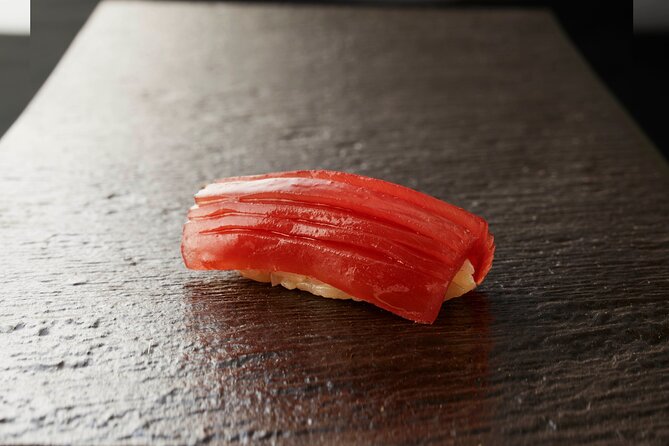
- Whole-fish filleting is the starting point—you learn the foundation of Edomae nigiri.
- Private, bilingual instruction keeps the details understandable and the pace comfortable.
- You’ll practice multiple nigiri styles using three different preparations.
- Top ingredient quality is part of the lesson, not an afterthought.
- A structured flow helps beginners move from basics toward shaping and tasting.
Fish filleting first: why this Tokyo class feels different
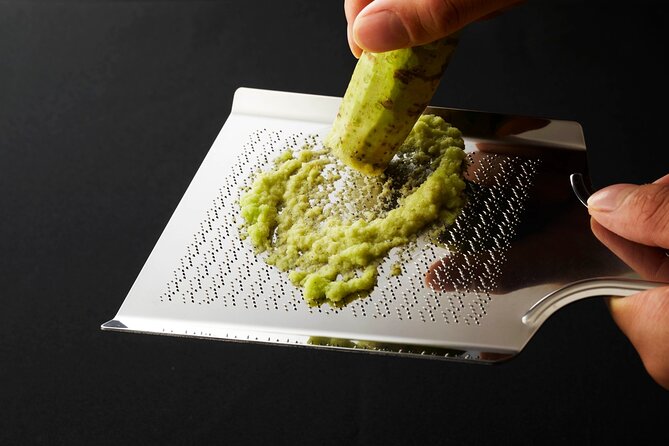
Most sushi classes start at the easy part—rolling, slicing, or assembling. This one flips the script. You begin with filleting whole fish using traditional knife techniques. That choice changes how you understand sushi right away.
Edomae sushi is built on precise preparation. The fish isn’t just “fresh” in a vague way. It’s conditioned and treated so texture and flavor land right on the tongue. When you watch (and then do) the cutting, you start noticing details: thickness, clean lines, and how the knife work affects the final mouthfeel. You also learn that sushi is less about a single magic ingredient and more about preparation.
I also like that the class doesn’t stop at cutting. You go through classic fish handling methods such as marinating, curing, and aging. Those steps are where “restaurant flavor” gets made. If you want to understand why certain nigiri tastes rich and others taste light, this is the part that explains it.
You can also read our reviews of more private tours in Tokyo



The private format: how one-on-one instruction actually helps
This is a private experience. Only your group participates. That matters more than people think, especially for knife work and fish handling. When the instructor (and bilingual staff) can watch your hands closely, you get corrections before small habits become big ones.
The class is guided by fully bilingual staff, with the main sushi master leading the training. You’re not left piecing together instructions. You can ask questions during the lesson, which helps you connect the technique to the outcome.
Another plus: the workshop can be customized. You can include rice preparation if you want the full Edomae workflow, or focus more tightly on specific skills. That flexibility is a big value boost for anyone who already knows rice basics and wants the fish and nigiri shaping instead.
Your 3-hour flow: what you do step-by-step
The class is about 3 hours, starting at 12:00 pm and ending back at the meeting point. Timing matters here: knife work, fish prep, and shaping take real attention, and the lesson is paced to keep quality high.
Here’s how the session typically unfolds:
1) Start with filleting whole fish
You begin by filleting whole fish using traditional knife techniques. Expect to learn how to hold the knife, how to guide the cut, and how to keep movements controlled. Even if you’re a beginner, the structure is designed so you’re not thrown into chaos.
The biggest benefit of starting here: you learn how the edible “blocks” are created. Later, when you shape nigiri, that foundation explains why the slice sits right and why the fish texture feels balanced.
2) Fish preparation: marinating, curing, aging
Next comes the fish preparation portion: classic methods like marinating, curing, and aging. This is where the lesson moves from “cutting” to “treating.” You’re learning how time and handling change the fish—so your nigiri tastes intentional rather than random.
If you’re the type who wonders why restaurant fish tastes different, this section is the answer. It’s also a reminder that sushi is seasonal and ingredient-driven.




3) Cutting precise nigiri topping slices (neta)
After preparation, you cut precise sushi neta (the toppings). This part is all about consistency. Thin or thick isn’t just a preference; it affects how the fish presses into the rice and how flavors distribute.
You’ll learn the idea of matching the slice to the final form. The goal is not just accuracy—it’s harmony with the rice and the way you’ll shape the nigiri.
4) Shape nigiri with three different preparations
Then comes the hands-on you’ll remember: forming nigiri sushi by hand with three different preparations. This is often the highlight because it turns theory into a tactile skill.
In the reviews, the moment people were most proud was learning how to shape nigiri so it looks elegant. That makes sense. Nigiri is simple on paper, but it requires touch—pressure, angle, and balance between rice and fish.
You also get to photograph and savor the sushi you made. That helps you notice the difference between “I think it looks right” and “it’s actually balanced.”
5) Rice prep option (if you want it)
The course can be adapted to include rice preparation, based on your interests. Rice is a key part of Edomae sushi, and it ties into overall seasoning and texture. If you choose to include it, you’ll get more of the full workflow, not just the fish and shaping.
Ingredients matter: fresh fish, seasoned rice, and clean prep
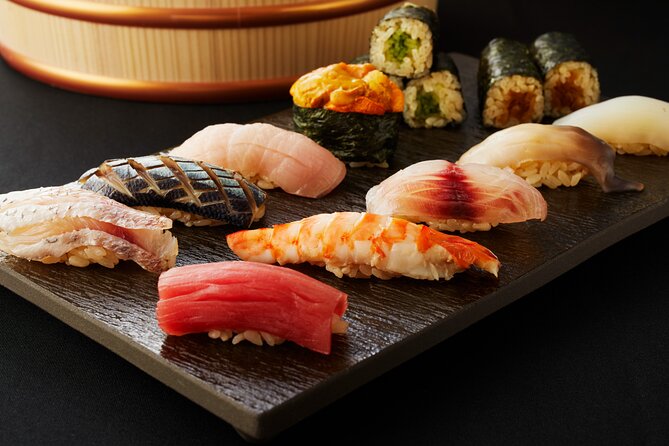
The class emphasizes ingredient quality in a very practical way: you work with fish described as incredibly fresh, plus rice that’s perfectly seasoned, and crisp vegetables with color.
Even if you’re not a fish nerd, you’ll feel the difference while cooking. When the ingredients are top quality, technique improves fast, because you’re not fighting bad raw material.
The fish is directly sourced from ports or Toyosu, and the chef takes care to condition the fish perfectly for your experience. That conditioning is not a marketing phrase—it’s what helps the texture and flavor land correctly after prep and cutting.
Knife work as performance: what to watch for (and copy)
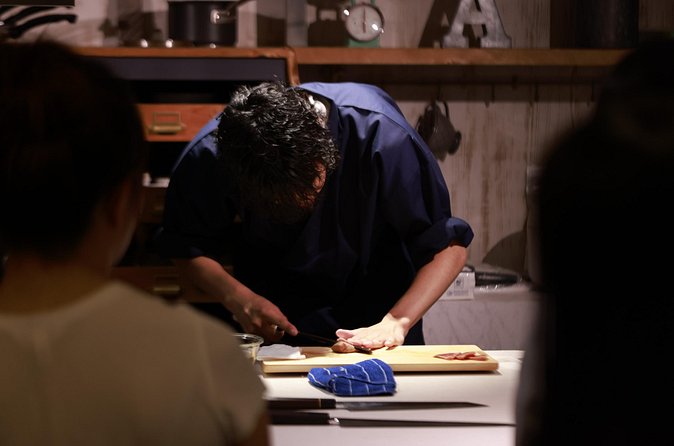
One of the most praised parts of the course is the instructor’s demonstration at the start. People describe the smoothness of the movements, the precision of cuts, and the elegance of shaping rice.
When you’re in a class like this, you’re not learning knife skills by brute force. You’re learning body mechanics: how stable your wrist is, how consistent the angle stays, and how you avoid rushing.
If you want a mental checklist, focus on these:
- Clean, controlled cuts (not frantic slicing)
- Consistent thickness for the toppings
- Gentle, even handling when shaping nigiri
That’s why starting with a demonstration helps. You can mentally map what you’re trying to reproduce.
Cultural context: sushi origins and tradition, not just technique
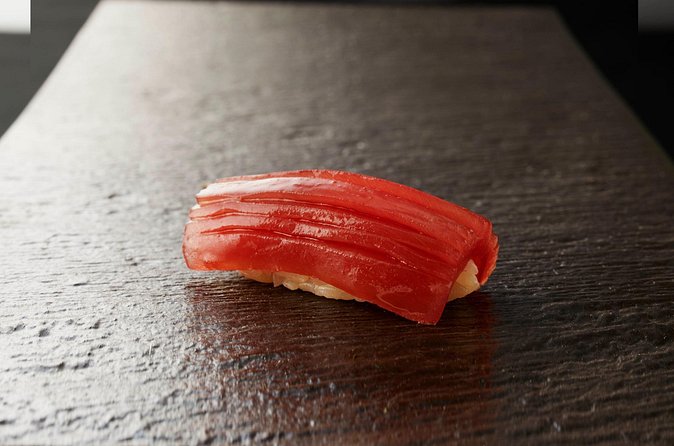
This course isn’t only a cooking session. The sushi master and bilingual staff share stories about the origins of sushi and the traditions behind each style, and they connect technique to meaning.
That cultural piece matters because it changes how you interpret what you’re doing. When you understand where Edomae ideas come from—seasonality, respect for ingredients, balance—you stop treating sushi like a single recipe. You start treating it like a craft.
The workshop is also framed around attention to ingredients and larger questions of sustainability and respect for what you consume. Even if you don’t get deep on policy, you’ll come away with a more mindful approach to food.
Price and value: when $260.61 makes sense
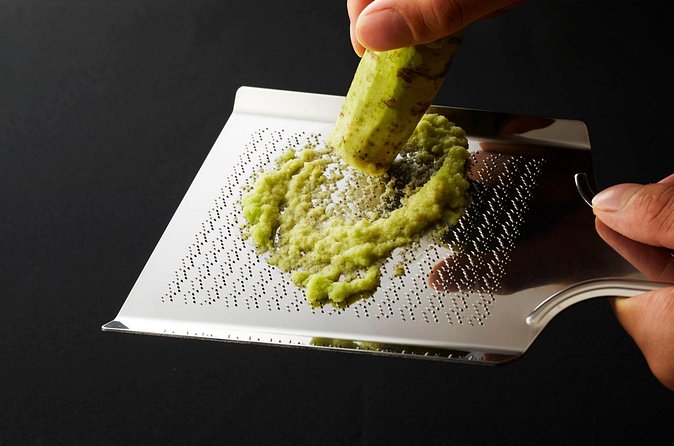
At $260.61 per person, this is not a budget class. You’re paying for several things that usually cost extra in Tokyo:
- A private setting (not shared with strangers)
- A sushi master leading the lesson
- Hands-on filleting plus preparation plus nigiri shaping
- Bilingual guidance throughout
- Ingredient quality and conditioning
- Meals included
If your goal is to learn technique you can practice again, this price can feel reasonable. A restaurant meal gives you taste and atmosphere. This gives you the method.
That said, it’s worth booking only if you care about fish preparation and knife skills. If you mainly want a casual sushi tasting, you may feel like the class time is too focused and hands-on.
Logistics that affect your comfort level
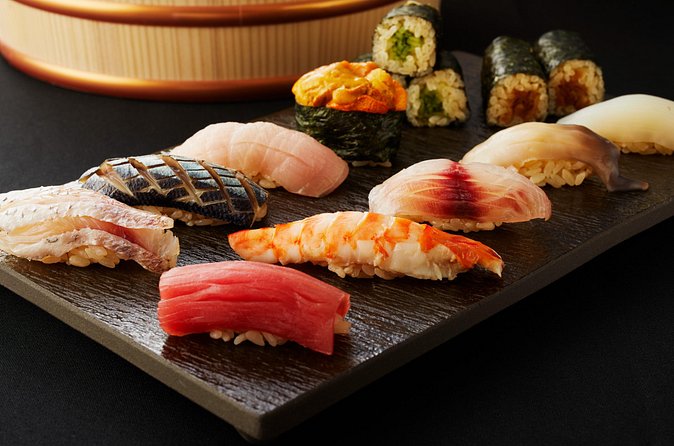
You’ll meet at A-PULSE AZABU STUDIO in Nishiazabu (Minato City). It’s near public transportation, and the activity ends back at the meeting point. The class uses a mobile ticket.
Meals are included. Alcoholic beverages are not included, though extra drinks may be available for an additional charge. If you’re the kind of person who likes to keep a clear head while learning knife work, you’ll probably be glad alcohol isn’t baked into the price.
Who should take this class?
This is a strong match if you:
- Want Edomae-style nigiri technique, not just assembly
- Care about fish preparation and ingredient balance
- Prefer private instruction over group classes
- Like learning cultural context alongside cooking skills
- Want to try sushi making even if you’re a first-timer (the class is designed so beginners don’t feel lost)
It may be less ideal if:
- You only want to eat sushi and don’t care about preparation steps
- You’re short on time and want a lighter, quicker experience
- You dislike hands-on work with knives and fish (this is real cooking craft)
Final call: should you book the Private Premium Fish filletting course?
If you want the closest thing to learning sushi’s foundation—filleting, conditioning, cutting, and shaping—then yes, I’d book it. The private format plus bilingual guidance makes it easier to get the details right, and the ingredient quality helps your effort pay off.
If you’re unsure, use this rule: book it when you’re interested in the process as much as the product. You’ll leave with more than photos. You’ll leave with a better sense of what makes Edomae nigiri taste the way it does—and how to respect that craft the next time you eat sushi in Tokyo.
FAQ
FAQ
Where is the class meeting point?
The start location is A-PULSE AZABU STUDIO (エーパルス), 3-chōme-8-18 Nishiazabu, Minato City, Tokyo 106-0031, Japan.
What time does the experience start?
The listed start time is 12:00 pm.
How long is the workshop?
It lasts about 3 hours.
Is this a private class?
Yes. It’s private, and only your group participates.
What will I be doing during the workshop?
You can expect to fillet whole fish, prepare fish using methods such as marinating, curing, and aging, cut precise sushi neta, and form nigiri sushi using three different preparations. You’ll also photograph and savor what you make.
Can the course be customized?
Yes. You can customize it to include rice preparation or focus on specific skills that interest you most.
Are meals included?
Yes. Meals are included.
Are alcoholic beverages included?
No. Alcoholic beverages are not included, though additional drinks may be available for an extra charge.
Is confirmation provided after booking?
You’ll receive confirmation at the time of booking.
What is the cancellation policy?
You can cancel for a full refund up to 24 hours in advance of the experience start time. Free cancellation is allowed with that timing window.