REVIEW · TOKYO
Licensed Guide Tokyo Meguro Cherry Blossom Walking Tour
Book on GetYourGuide →Operated by STIJ · Bookable on GetYourGuide
Cherry blossoms in Tokyo can be easy to miss. I like how this tour lines up the Meguro River scenery with quiet stops like Daienji Temple, so you get both pretty photos and real context. One thing to consider: it’s scheduled for peak season, so if blossoms aren’t quite ready, the feel of the day can change and you’ll move on to other highlights fast.
This is a tight, 90-minute mix of walking, guided stops, and more than just temples. You’ll also do a bus loop around Shinjuku with a national government-licensed guide, then watch a show with cartwheeling samurai, breakdancing ghosts, and taiko drums.
It starts at a very specific spot, so show up on time and look for the guide’s materials. In one case I saw firsthand that caused a tour miss, the group couldn’t locate the guide at the exact Starbucks meeting point and the day went sideways, so don’t treat the meeting place like a suggestion.
In This Review
- Key Points to Know Before You Go
- Where You Meet: Starbucks Across From Nakameguro Station
- Meguro River Cherry Blossoms: Photos With a Built-In Route
- Daienji Temple and the Edo Fire Story
- Gajoen Hotel Tokyo: From First General Wedding Hall to Ryukyu Castle in Showa
- Shinjuku by Bus and a Show With Cartwheeling Samurai
- Pace, Timing, and Weather: A 90-Minute Sprint
- Price and Value: Is $22 Worth Your Time?
- Who Should Book This Tour (and Who Might Want to Skip)
- A Smart Booking Checklist Before You Join
- Should You Book This Tokyo Meguro Blossom and Temple Walk?
- FAQ
- Where is the meeting point for the tour?
- How long is the Licensed Guide Tokyo Meguro Cherry Blossom Walking Tour?
- Is the tour in English?
- What places does the tour include?
- What should I bring with me?
- Is the tour suitable for small children or very elderly people?
Key Points to Know Before You Go
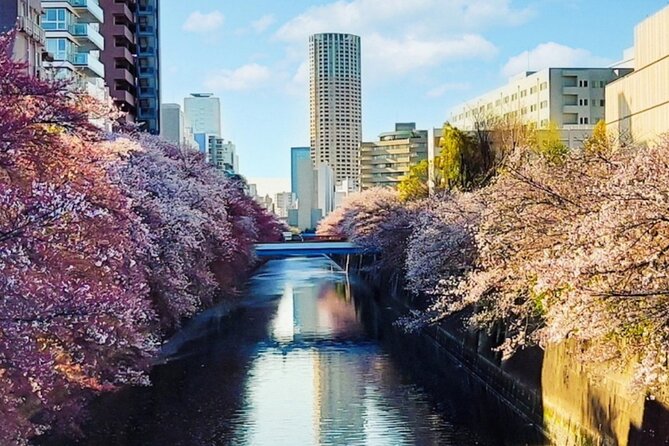
- Meguro River during late March to early April gives you one of Tokyo’s most famous cherry scenes
- Daienji Temple shares the Edo-era story behind a historic fire and a temple rebuilt as tribute
- Gajoen Hotel Tokyo is tied to the first general wedding hall in Japan and its Ryukyu-style banquet design
- Shinjuku by bus adds quick city orientation without adding lots of walking
- A high-energy performance combines comedic theatrics with taiko rhythm
- 90 minutes means a brisk pace—comfortable shoes matter
Where You Meet: Starbucks Across From Nakameguro Station
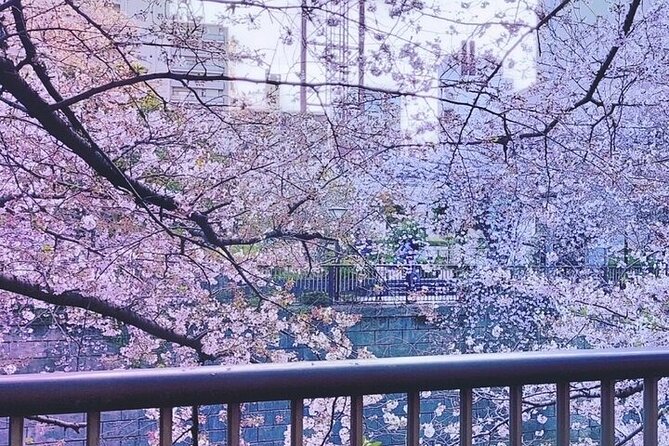
Your tour starts at Starbucks opposite Nakameguro Station, on the Hibiya line metro side. The specific meeting spot is listed as Starbucks Coffee – Naka-Meguro Tsutaya Books area, and the guide is easy to identify if you’re watching for the right signals.
Look for the guide carrying the company logo brochure plus a licensed guide certificate. That detail matters. One documented issue was that the group arrived on time but couldn’t find the guide with the expected signage, which effectively shut the tour down for that booking.
Tip: arrive a few minutes early and get your bearings before the crowd swells around the station exit you’re using. If you’re trying to navigate on the fly, you’ll spend your best morning minute-by-minute instead of enjoying the river walk.
You can also read our reviews of more walking tours in Tokyo


Meguro River Cherry Blossoms: Photos With a Built-In Route
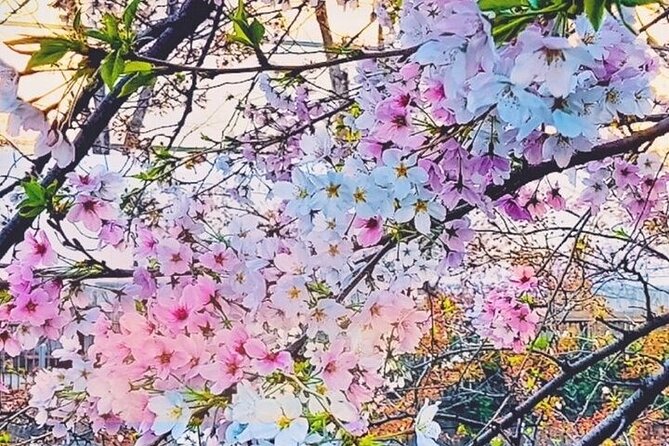
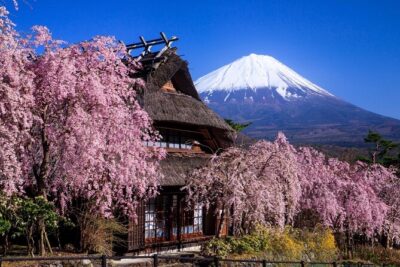
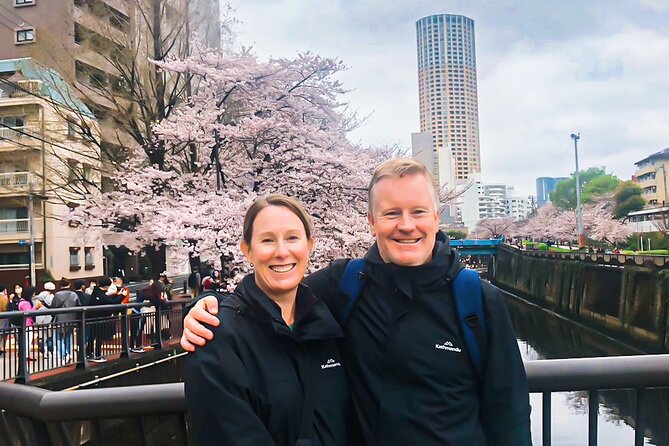
Meguro River is the headline here, and the tour schedules a long enough walk to actually enjoy it. You’ll spend about 45 minutes moving along the river area, viewing the blossoms and the classic “cherry blossoms over water” look people come to Tokyo for.
Peak timing is typically late March to early April, so the tour is aimed at that window. In at least one instance tied to this experience, the blossoms were not fully out, and the guide still kept the group moving with a detour to a traditional house. That’s a smart reminder: in Japan, spring weather can be a little unpredictable.
How I’d plan for it: go in expecting the guide to adjust. If the blossoms are just starting, focus on composition—branches, reflections, and the river edges—rather than treating it like a single fixed viewing point.
Also, remember this is a walking tour. Even if the route feels relaxed, your shoes should be ready for pavement and frequent turning to check angles or follow the guide’s narration.
Daienji Temple and the Edo Fire Story
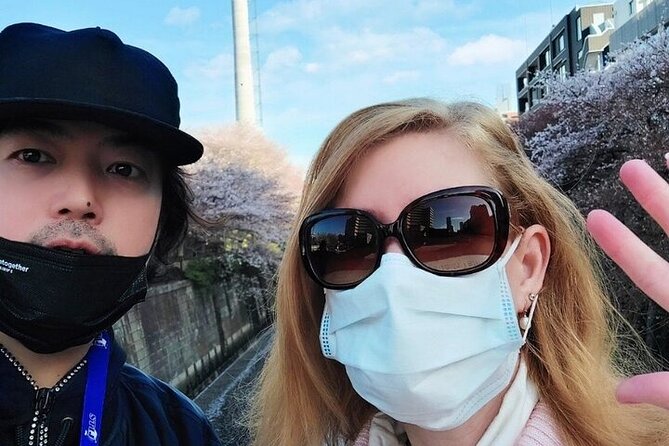
After the river segment, you’ll head to Daienji Temple, one of the seven luckiest temples from the Edo era. It’s not a stop that’s there just to break up walking time. The tour explanation connects Daienji to an emotional turning point in Tokyo’s history.
Here’s the story you’ll hear: in the middle of the 18th century, a fire broke out at the temple, and Edo became a sea of fire. Rebuilding wasn’t allowed until the end of the Edo period. Then the temple was rebuilt as a tribute to those who died in the Edo fire.
What that means for you on the ground is a different kind of experience than pure sightseeing. It makes the temple feel less like a postcard and more like a memorial. You’ll likely walk away remembering that even famous landmarks have survival stories behind them.
One practical thought: temples tend to be where people slow down and the tour can become more reflective. If the day is rainy or chilly, you’ll feel it more here than on the river walkway, so dress for the weather, not just the forecast you’re hoping for.
Gajoen Hotel Tokyo: From First General Wedding Hall to Ryukyu Castle in Showa
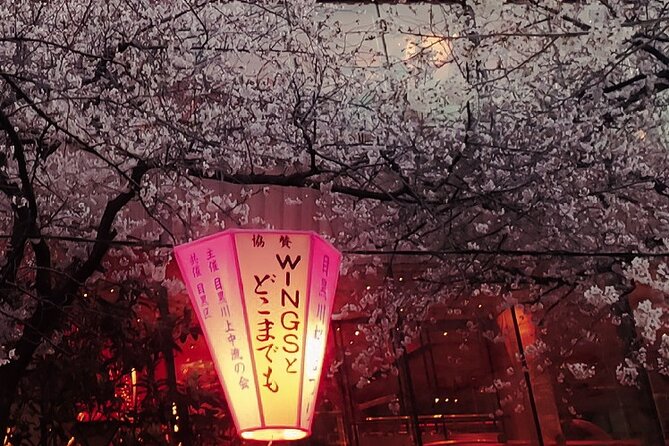
Next comes Gajoen, with a photo stop plus time for a guided visit. The description points to Hotel Gajoen Tokyo, and it’s one of those places where architecture and social history overlap in a way that’s easy to miss if you rush by.
Gajoen opened in 1931 as a restaurant named after Meguro. It was also described as the first general wedding hall in Japan—and that’s where the story gets interesting. It wasn’t only for a narrow elite. It served authentic Beijing cuisine and Japanese cuisine, and it used practical ideas like pricing on the menu to draw in ordinary people too, not just politicians and high-class visitors.
The interior design is also part of the attraction. The tour notes the dignified decoration is often compared to Ryukyu Castle in Showa. And in 2009, the Tokyo Metropolitan Government designated four of the seven banquet halls as tangible cultural properties (building designations).
Why this stop is valuable: you get to see how “traditional Tokyo” isn’t only about shrines. It’s also about formal spaces where modern society shaped new rituals, like wedding celebrations becoming something more broadly accessible.
The realism check: since you’re on a short schedule, you won’t have hours to wander. Treat it as a guided snapshot. You’ll leave with enough context to appreciate the building even if you later pass it again on your own.
Shinjuku by Bus and a Show With Cartwheeling Samurai
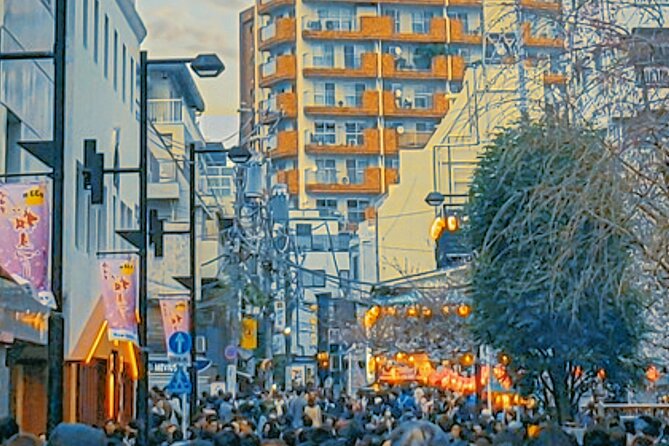
One of the highlights listed for this experience goes beyond the walking and temples: there’s a bus tour around Shinjuku with a national government-licensed guide. This is the efficient part. You get a broader Tokyo reference point in a short time, without adding tons of stairs and distance on your feet.
Then comes the performance element. You’ll watch a show featuring cartwheeling samurai, breakdancing ghosts, and taiko drums. That mix sounds quirky on paper, but it’s also a practical way to keep the energy up after a walking-heavy morning.
For you, the value is variety. If you only do cherry blossoms and temples, your day can feel like two modes: scenic and quiet. This tour intentionally adds movement and spectacle, so it doesn’t turn into a single-note sightseeing loop.
If you’re sensitive to noise or want a very calm day, plan your expectations. This is not a silent tea-and-temple-only outing. It’s part cultural, part stage show, and it fits the 90-minute structure.
You can also read our reviews of more guided tours in Tokyo




Pace, Timing, and Weather: A 90-Minute Sprint

This whole tour is 90 minutes, which is honestly on the brisk side for a cherry blossom day. The plan gives a generous river segment (about 45 minutes) and a substantial stop at Gajoen (about 30 minutes). The rest of the time has to cover travel between points and the temple visit.
That matters because you’ll likely move quickly between locations. It’s great for people who want a highlight-focused visit with minimal logistics stress. It’s less ideal if you want slow wandering, long photo pauses, or lots of restroom breaks.
Weather is another real factor in spring. One booking note I saw said the walk time happened in driving rain. So even if you think it’s a “spring stroll,” bring an attitude that can handle wet sidewalks and sudden downpours.
Your best move: wear comfortable shoes you trust in slick conditions, and keep an outer layer handy. You can’t control the sky, but you can control whether your feet are miserable.
Price and Value: Is $22 Worth Your Time?
At $22 per person for a 90-minute experience, the value comes from what’s packed into the time. You’re paying for an English live licensed guide, guided temple context, time at Gajoen, plus the added elements listed—bus viewing around Shinjuku and a scheduled show.
If you’ve ever priced private guided time in Tokyo, you know even short tours can get expensive fast. Here, the economics work because the tour format includes multiple components that would cost you separate tickets and planning effort on your own.
That said, value only counts if the meeting and coordination work. One unhappy case involved not finding the guide at the Starbucks meeting point, leading to no tour and a refund request handled poorly. I can’t sugarcoat that risk. For peace of mind, arrive early, confirm what the guide looks like (brochure + licensed certificate), and don’t rely only on a map app that might steer you to the wrong side of the street.
A balanced take: if your priority is a tight bundle of cherry blossoms plus guided context plus a show, this pricing can feel like a win. If you need a highly flexible schedule with zero chance of a coordination hiccup, you’ll want to think carefully.
Who Should Book This Tour (and Who Might Want to Skip)

This tour is a good match if you want an English-led day that mixes Japanese sightseeing styles: riverside seasonal views, temple meaning, architecture and ritual at Gajoen, and a lively stage show.
You’ll also likely appreciate the structure if you’re newer to Tokyo. The bus loop around Shinjuku can help you connect neighborhoods in your head without doing heavy navigation all day.
It’s not suitable for:
- children under 3
- babies under 1
- people over 95
- people with altitude sickness
That’s not random wording. It’s a sign the tour involves walking and an overall active pace, plus a show environment. If you’re bringing kids, check age carefully. If you’re older or managing mobility limits, consider whether you can handle short transfers and outdoor time.
And if you’re the type who hates group timing, this one’s probably not for you. This experience is built around moving from stop to stop within 90 minutes.
A Smart Booking Checklist Before You Join
To get the best day (and avoid avoidable stress), do three things:
- Arrive early at the Starbucks meeting point near Nakameguro and look for the guide’s brochure and licensed certificate.
- Wear comfortable shoes that handle both walking and possible wet pavement.
- Plan for variability in cherry blossom timing. Late March to early April is typical, but weather can shift what you see.
One more small mindset shift helps: treat the cherry blossoms as the centerpiece, not the only goal. The day is designed to keep moving even if blossoms aren’t at full peak.
Should You Book This Tokyo Meguro Blossom and Temple Walk?
If you want a short, English-guided hit of Tokyo spring, this is a strong candidate. The combination of Meguro River scenery, Daienji Temple’s Edo-era story, and Gajoen’s wedding-hall significance gives you more than surface photos. Add the Shinjuku bus loop and the performance with cartwheeling samurai and taiko, and the 90 minutes feel busy in a good way.
I’d book it if:
- you can meet at Starbucks on time and follow directions carefully
- you want guided context, not just wandering
- you’re okay with brisk pacing and possible rain
I’d think twice if:
- you’re worried about finding the guide quickly
- you rely heavily on maps and might wander off the exact meeting spot
- you want a slow, flexible day built around lingering
Overall, it’s good value for what’s included. Just treat the start point like the keystone of the whole experience.
FAQ
Where is the meeting point for the tour?
The guide waits at Starbucks opposite Nakameguro Station (near Naka-Meguro Tsutaya Books) on the Hibiya line metro. The guide will carry a company logo brochure and a licensed guide certificate.
How long is the Licensed Guide Tokyo Meguro Cherry Blossom Walking Tour?
It lasts 90 minutes.
Is the tour in English?
Yes, the live tour guide speaks English.
What places does the tour include?
You’ll visit the Meguro River area for cherry blossom views, then Daienji Temple, and then Gajoen (Hotel Gajoen Tokyo). The experience also includes a bus tour around Shinjuku and ends at JR Meguro Station, with a show included.
What should I bring with me?
Bring comfortable shoes.
Is the tour suitable for small children or very elderly people?
It is not suitable for children under 3 years, babies under 1 year, or people over 95 years.