REVIEW · TOKYO
Yokohama/Kamakura Private Tour by Car- English speaking Driver
Book on Viator →Operated by Glocal Japan · Bookable on Viator
A day that cuts commute stress? That is the point. You’ll get whisked from Tokyo to Kamakura temples and Yokohama highlights with a private English-speaking driver, plus time to pause for photos without rushing the whole plan. The best part is how relaxed it feels: someone else is handling the driving while you focus on places with real atmosphere.
Two things I love about this tour: hotel pickup makes it easy to start your day without figuring out transfers, and the pace is built for comfort. You can take your time at stops, and the driver’s English commentary helps you understand what you’re seeing rather than just ticking off sights.
One consideration: several temple and garden stops have admission fees that are not included, so your final spend will be higher if you plan to enter everything. It’s not a deal-breaker, but it’s smart to budget a bit extra before you go.
In This Review
- Key points to know before you go
- Why Yokohama plus Kamakura is a winning day plan
- Door-to-door comfort: private car, hotel pickup, and English driving
- Yokohama Chinatown: Japan’s largest in one hour
- Minato Mirai 21 waterfront: modern sights with time to breathe
- Sankeien Gardens: classic Japan garden time, with optional entry
- Hasedera Temple: the giant Kannon and a quieter mood
- Kotoku-in and the Great Buddha: national treasure scale, 2 hours
- Hokoku-ji Temple: hillside walking with jasmine and cherry trees
- What the best English-speaking drivers actually do for you
- Price and logistics: is $470 per group good value?
- Timing, weather, and how to keep the day from feeling rushed
- Who this private tour suits best
- Should you book this Yokohama/Kamakura private car tour?
- FAQ
- What is the group size for this private tour?
- How long is the Yokohama and Kamakura private tour?
- Does the tour include hotel pickup?
- Is the driver English speaking?
- What is included in the price?
- Are admission tickets included for temples and gardens?
- If the tour runs long, is there an extra charge?
- What ticket format do I receive?
- What is the cancellation policy?
Key points to know before you go
- Hotel pickup saves time and gets you moving faster than transit on a long day
- Private English-speaking driver means explanations that fit your pace
- Kamakura temples in a smart route avoids backtracking and helps you slow down
- Chinatown and Minato Mirai balance old-world culture with modern waterfront energy
- Photo-friendly timing so you can stop without holding everyone up
Why Yokohama plus Kamakura is a winning day plan
Kamakura and Yokohama are close enough to do in one long outing, but they feel like two different worlds. Kamakura gives you temples, hill views, and that quiet walking rhythm you want in Japan. Yokohama adds contrast with seaside city energy and big, easy-to-explore areas for wandering and snacks.
The private-car format matters here. With public transit, you spend part of the day managing transfers and schedules. With a driver, you stay in control of your pace and can spend more of your energy on the sights themselves.
You can also read our reviews of more private tours in Tokyo

Door-to-door comfort: private car, hotel pickup, and English driving
This tour is built around not making you work for logistics. Your driver handles fuel, parking, and tolls, and you ride in a private air-conditioned vehicle. For a day that can run about 8 to 10 hours, that’s more than a perk. It’s the difference between feeling tired at 2 pm and still having energy to enjoy temple steps and photo stops.
You’ll also get an English-speaking driver who can explain what you’re seeing as you go. Based on guide feedback from the experience, names that come up include Utah, Wendell, Ali, Tibo, Kibo, and Jeffrey. What I like about that kind of variety is that it suggests you’re not stuck with one rigid script—you should get real conversation and practical guidance.
A key detail: the plan includes time for photo stops without turning into a traffic-stall parade. You can pause, get your shots, and move on without derailing the schedule for everyone.
Yokohama Chinatown: Japan’s largest in one hour
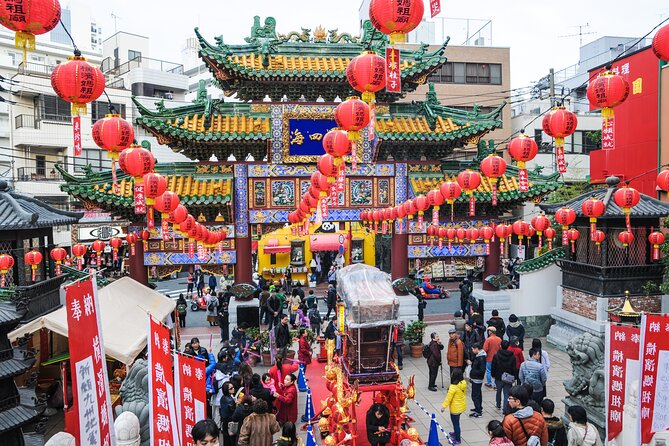
Yokohama Chinatown is the first stop, and it’s a smart warm-up. It’s described as Japan’s largest Chinatown with hundreds of shops in a compact area, so you can walk, browse, and eat without needing a map for every turn.
In practice, you’ll want to treat this like a wandering block. Look for signs, try a snack if you want, and don’t feel pressured to do a full meal unless you’re staying hungry for the rest of the day. The best approach is to use the hour for visual discovery: streets, storefronts, and that busy, colorful energy.
Possible drawback: Chinatown can be crowded and loud. If you’re someone who hates crowds, you may want to set expectations and focus on quick browsing and one treat, then get back in the car when it feels like too much.
Minato Mirai 21 waterfront: modern sights with time to breathe
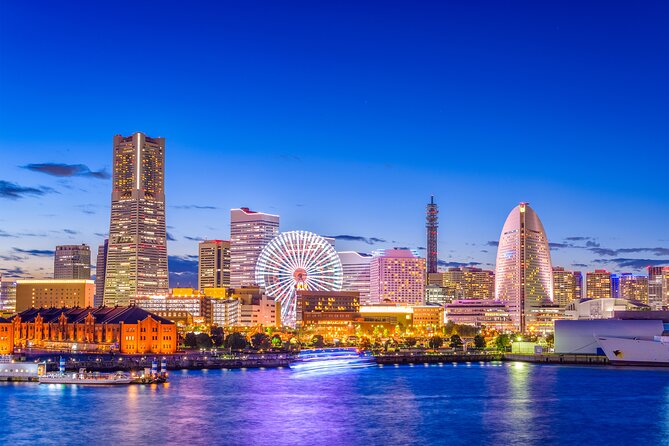
After Chinatown, you roll into Minato Mirai 21, the seaside district in central Yokohama. The name hints at future harbor vibes, and you’ll see it in the mix of waterfront views and tall buildings like the Landmark Tower area.
This stop works well because it gives you breathing room after the dense streets of Chinatown. You can take in the waterfront atmosphere, snap photos from open spaces, and walk at an easy tempo.
Tip: plan your walking for moments when you can see the skyline clearly. If it’s bright, you’ll want to shield your camera a bit; if it’s cloudy, you’ll still get solid silhouettes and reflections near the water.
Sankeien Gardens: classic Japan garden time, with optional entry
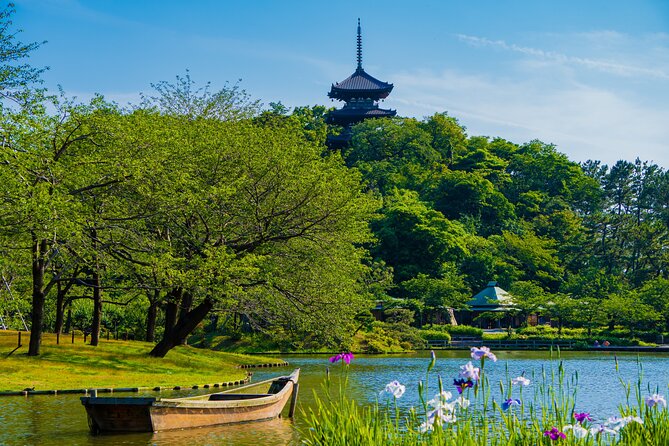
Next up is Sankeien Gardens, a large traditional garden set across about 175,000 square meters. It’s known for seasonal beauty and includes historical houses and culturally recognized buildings inside the grounds. This is the kind of place where you slow down without anyone needing to tell you.
Because the admission is not included, you’ll need to decide if you want to pay to enter. If you love gardens, tea-room quiet, and strolling paths, it’s worth budgeting for. If your time is tight or gardens aren’t your thing, you could keep it as a shorter stop and focus on the outer experience.
How to enjoy it: don’t try to see every corner in one rush. Pick a couple of routes, look for views that open up, and give yourself time to pause. The payoff is in the calm pacing.
You can also read our reviews of more tours and experiences in Tokyo

Hasedera Temple: the giant Kannon and a quieter mood
Hasedera Temple is famous for its huge statue of Kannon, the goddess of mercy, and the temple is said to date back to the eighth century. This stop is where Kamakura starts to feel more spiritual and less like an efficient checklist.
The garden setting is also a big part of the appeal. Even if you’re not a “temple person” normally, you’ll likely enjoy how the grounds create a gentler tempo than the street-level city you just left.
One practical consideration: admission is not included here either. If you’re weighing priorities, think about what matters most—statues and indoor areas typically justify paying more than just photo-taking outside.
Kotoku-in and the Great Buddha: national treasure scale, 2 hours
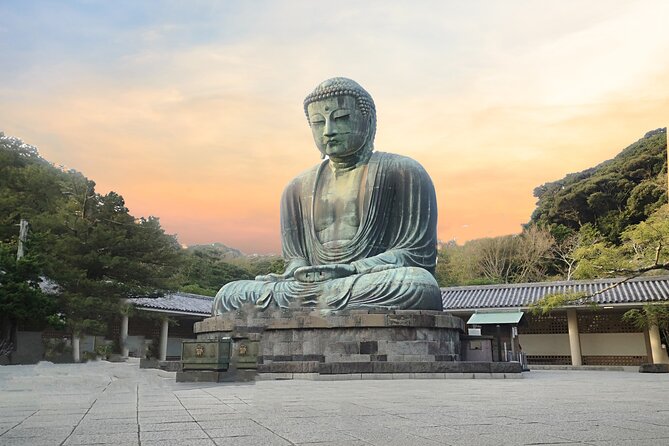
Kotoku-in is where you meet the Great Buddha of Kamakura. The statue is described as a national treasure, about 37 feet high and weighing roughly 121 tons. That scale is hard to fake. Even if you’ve seen Buddha statues before, this one lands because you can feel its mass and presence.
This is also your big photo stop. The trick is not just getting the shot, but taking a minute to look beyond the main moment. Check the setting, notice viewpoints from different angles, and give yourself enough time that you’re not sprinting between photo points.
If you prefer calm: arrive early in your mindset. You’ll still see plenty of people, but you can control how long you stay in the busiest spots. The plan gives enough room—about two hours—so you don’t have to rush through.
Hokoku-ji Temple: hillside walking with jasmine and cherry trees
Hokoku-ji Temple sits in the hills to the east of Kamakura, and the setting is described as peaceful with seasonal flowering like jasmine and cherry trees. This stop is often a favorite because it feels like the tour finally lets you walk rather than just “arrive and look.”
You’ll likely enjoy it most if you like temple paths, shaded sections, and slow strolling. Admission is not included, so if you decide not to enter, you might still enjoy the mood, but the full experience depends on what’s open at the time you visit.
Photo tip: hillside temples can offer great angles, but avoid turning your entire time into camera work. Take a few strong photos, then spend the rest of the time just walking and breathing in the quiet.
What the best English-speaking drivers actually do for you
A private tour lives and dies by the person in the driver seat. In this experience, the strongest praise is consistent: friendly and fluent English, punctual pickup, and a focus on your time.
Several guide names show up in positive notes: Utah is praised for being welcoming and helpful, Ali for explaining what to expect and keeping timing on track, and Jeffrey for making the day feel smooth with a clean, comfortable car. There are also examples of the driver adjusting based on interests and finding good food, like nudging toward a traditional udon lunch.
This matters because Japan can be wonderfully organized but not always obvious. If you want your day to feel confident—where to stand, what to look for, and when to slow down—an English-speaking driver who can guide you is worth real money.
Price and logistics: is $470 per group good value?
The price is about $470.31 per group up to 4 people, with an approximately 8 to 10 hour duration. On paper, it’s not cheap. But compare what you’re paying for: a private English-speaking driver, a comfortable vehicle with air-conditioning, plus parking and tolls included.
For groups of two to four, private transport starts to make sense fast—especially for a long day that combines two regions. If you were to piece together taxis, train rides, and language help separately, the total often grows beyond what you expect.
What’s not included is important: admission fees for destinations. So your “true” cost depends on whether you enter Sankeien Gardens and the temple sites (Hasedera, Kotoku-in, Hokoku-ji). Budgeting for entry fees beforehand keeps the day feeling smooth instead of slightly stressful.
Also note: if the tour goes beyond 10 hours, overtime charges apply at 5,000 JPY per hour. Traffic and timing can happen, so it’s wise to keep your schedule relaxed and avoid overstuffing the day with extra stops.
Timing, weather, and how to keep the day from feeling rushed
This tour requires good weather. That line matters more than it sounds because several stops rely on pleasant walking around gardens and temple grounds. If weather turns, the experience may be rescheduled or refunded.
The best way to stay happy is to plan like a guest, not like a soldier. Wear comfortable shoes. Bring a small umbrella or light rain gear. Keep water handy.
And for a long day: think of each stop as a separate mini-trip. Your goal is to enjoy the place you’re in, not to “win” the itinerary.
Who this private tour suits best
This is a great fit if you want structure without strict pacing. You get a clear route from Yokohama Chinatown to Minato Mirai, then into Kamakura temples like Hasedera, the Great Buddha at Kotoku-in, and Hokoku-ji.
It’s also ideal if you’re traveling as a small group that values comfort. Up to four people can share the cost, and the private setup is especially helpful if you don’t want to manage transit while reading signs and schedules in a second language.
If you’re traveling solo or as a couple and you care more about convenience than spending as little as possible, it can still work. You’ll just be paying more per person compared to group transit options.
Should you book this Yokohama/Kamakura private car tour?
I’d book it if you want an easy, guided day with real flexibility and you care about visiting multiple temple and city highlights without the stress of trains and transfers. Hotel pickup, a private car, and English driving make it feel effortless, and the route includes both Kamakura’s spiritual core and Yokohama’s street-and-sea vibe.
I’d hesitate only if you dislike paying admission fees at multiple stops or if you’d rather build your own independent day with public transport.
If you want a day that feels paced for humans, not schedules, this one is a strong choice.
FAQ
What is the group size for this private tour?
It’s a private tour for only your group, with pricing listed per group up to 4 people.
How long is the Yokohama and Kamakura private tour?
The duration is approximately 8 to 10 hours.
Does the tour include hotel pickup?
Yes, hotel pickup is offered.
Is the driver English speaking?
Yes, the tour includes a private English speaking driver.
What is included in the price?
Included items are the private English speaking driver, private air-conditioned vehicle, fuel surcharge, parking fees, and toll fees.
Are admission tickets included for temples and gardens?
No. Admission or entrance fees for destinations are not included.
If the tour runs long, is there an extra charge?
Yes. You’ll be charged 5,000 JPY per hour of overtime after 10 hours.
What ticket format do I receive?
You receive a mobile ticket.
What is the cancellation policy?
You can cancel for a full refund if you cancel up to 24 hours in advance of the start time. If you cancel less than 24 hours before, the amount paid is not refunded.