REVIEW · TOKYO
Tokyo: Shinjuku Golden Gai Bar Hopping Night Tour
Book on GetYourGuide →Operated by EPIC JAPAN EXPERIENCE · Bookable on GetYourGuide
Tokyo nightlife can feel like a maze. This 3-hour Shinjuku Golden Gai bar hopping tour turns the chaos into something you can actually enjoy, with a local guide leading the way through Omoide Yokocho, Kabukicho backstreets, and Golden Gai’s tiny doors. I like that you visit two different bars in Golden Gai, not just one photo stop, and I also like the structured Japanese whisky tasting (Yamazaki, Hakushu, and Hibiki) so you know what you’re drinking and why it matters.
- One possible drawback: food and drinks aren’t fully covered, so you should budget for what you order beyond tastings and snacks, and you’ll be expected to cover the guide’s food/drinks.
You’ll start near Shinjuku Station, walk a lot (Tokyo at night is walk-first), and end at a historic shrine locals actually use. The tour is built for people who want local-style izakaya energy without guessing which alley leads to the right door.
In This Review
- Key things that make this tour worth it
- Golden Gai at night: why tiny doors feel like a big deal
- Starting at Shinjuku’s East Exit: quick orientation, then you go
- Omoide Yokocho: the alley that smells like Tokyo comfort
- Kabukicho and Tokyu Kabukicho Tower: knowing the map helps you relax
- Entering Golden Gai: the guide does the hard part
- Japanese whisky tasting: what you’ll sample and why it’s fun
- Street snacks and dinner: what to expect after the tastings
- The shrine finish at Hanazono Jinja: a calm landing after the night
- Price and value: is $61 a good deal for 3 hours?
- Who should book this tour (and who might skip it)
- The guides matter: attentive, friendly, and worth asking questions
- Should you book this Shinjuku Golden Gai night tour?
- FAQ
- FAQ
- How long is the Tokyo Shinjuku Golden Gai Bar Hopping Night Tour?
- How many people are in the group?
- What is the meeting point for the tour?
- Which neighborhoods and sights does the tour cover?
- How many bars do you visit in Golden Gai?
- What whisky do you taste during the tour?
- Is food included?
- Does the guide speak English?
- Where does the tour end?
- What’s the cancellation policy?
Key things that make this tour worth it
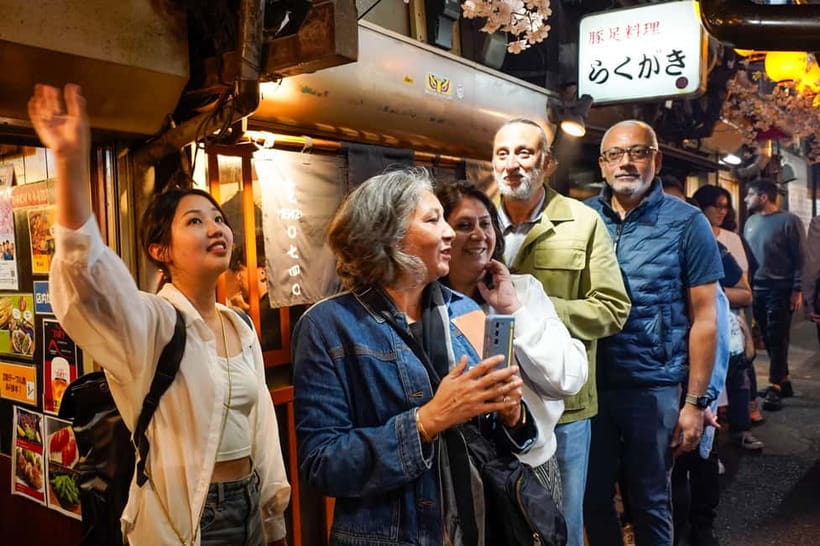
- Golden Gai, done properly: two bar visits with a guide who helps you get in comfortably
- Whisky tasting with context: you’ll try major labels like Yamazaki, Hakushu, and Hibiki
- Night-walk confidence: English-speaking guidance through Shinjuku and Kabukicho at night
- Street-food and snack introductions: you get a feel for what to look for after the tour
- A local finish at a shrine: you end at Hanazono Shrine instead of just another bar
Golden Gai at night: why tiny doors feel like a big deal
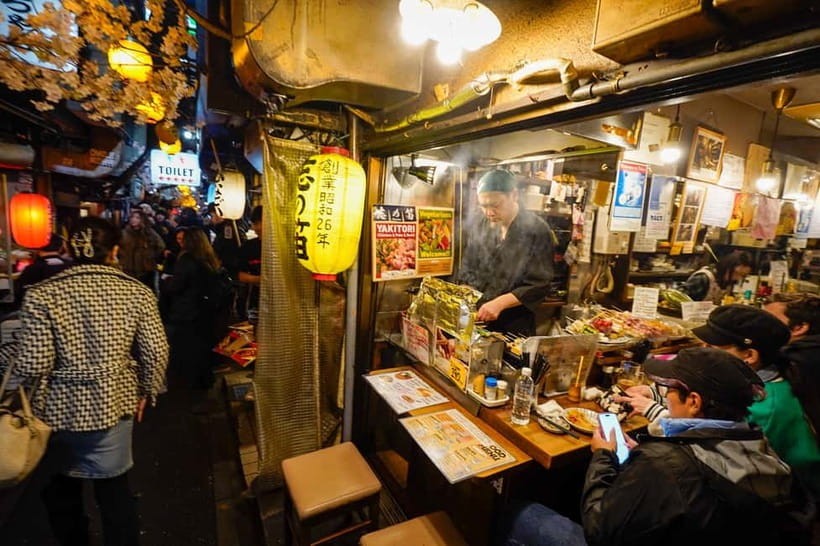
Golden Gai is one of those Tokyo areas that looks simple on a map and feels completely different in real life. The lanes are narrow, the bars are small, and a lot of the charm comes from the fact that you’re not just “going out” in a generic way—you’re stepping into places built around conversation, routine, and regulars.
On this tour, I like that Golden Gai is treated as the main event, not the dessert. You get real time walking in, learning the vibe, and then sitting down for tastings across two unique bars. That matters because Golden Gai is the kind of place where going alone can turn into awkward uncertainty fast: you may spot a cool entrance, but you won’t always know what to do next.
The guide also helps you connect the dots. You’ll pass through and reference Shinjuku and Kabukicho nightlife culture, so the area stops feeling like random neon and starts feeling like a system—different streets, different styles, and different reasons people go.
You can also read our reviews of more evening experiences in Tokyo


Starting at Shinjuku’s East Exit: quick orientation, then you go
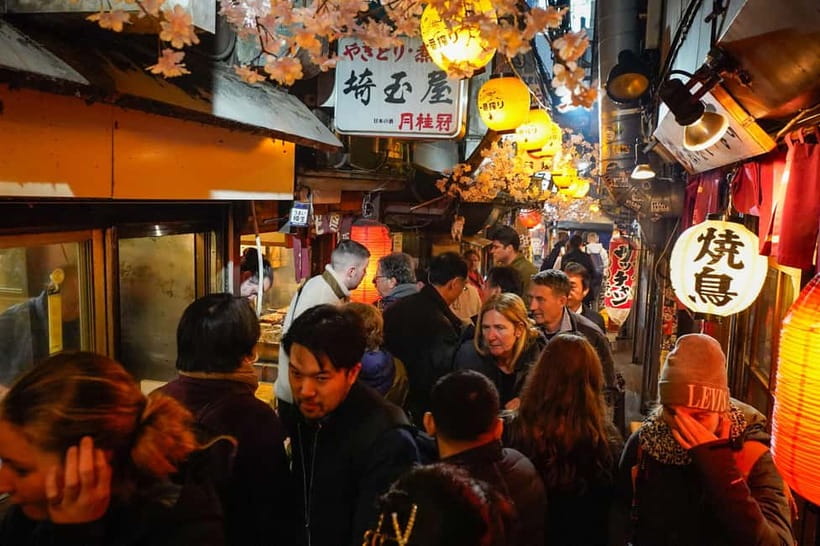
You meet at 新宿警察署 新宿駅東口交番 (Shinjuku Police Station, Shinjuku Station East Exit kiosk). It’s a solid choice because it’s easy to find, and it’s close to the subway/train networks that most people use.
Before the walk really starts, you get a short pass-by orientation. This is small, but it’s useful. Shinjuku’s street layout can be confusing at night, and having a guide reframe what you’re seeing means you don’t waste the first part of the tour just trying to locate landmarks.
Because the group is kept small—up to 8 participants—you get better attention when you need it. This is especially helpful in crowded areas like Kabukicho, where the “where do we go now?” moment can otherwise derail your vibe.
Omoide Yokocho: the alley that smells like Tokyo comfort
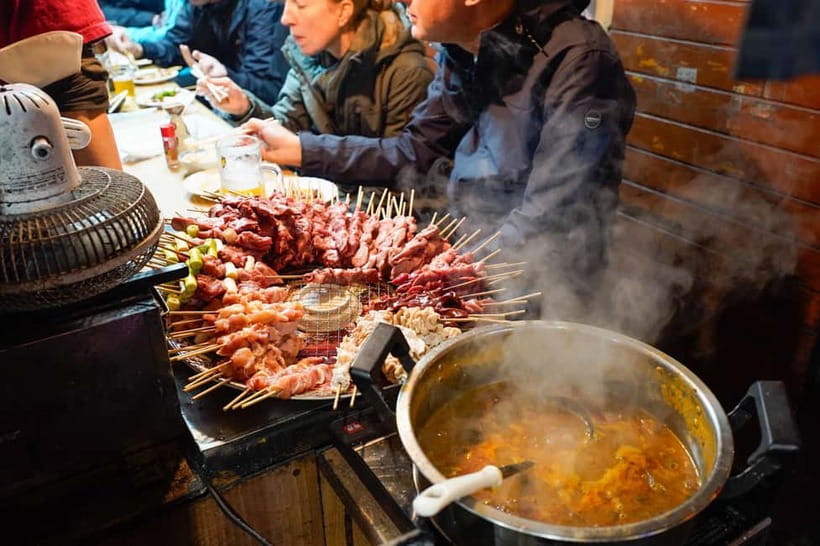
One of your early stops is Omoide Yokocho. This is the kind of place where the atmosphere hits you before you even fully understand it. The lanes are tight, the choices can look similar from the sidewalk, and the best way to enjoy it is to know what you’re looking for: the bar culture, the snack culture, and the rhythm of people eating and drinking in small, casual settings.
The guide brings you through at a walking pace that keeps it fun, not rushed. You also get the chance to understand why locals talk about places like this with affection. It’s not just about food and drinks—it’s about the social format.
Practical tip: if you’re sensitive to noise, wear ear-friendly patience. This area is loud in the way a real nightlife neighborhood is loud, not the “club music” loud.
Kabukicho and Tokyu Kabukicho Tower: knowing the map helps you relax
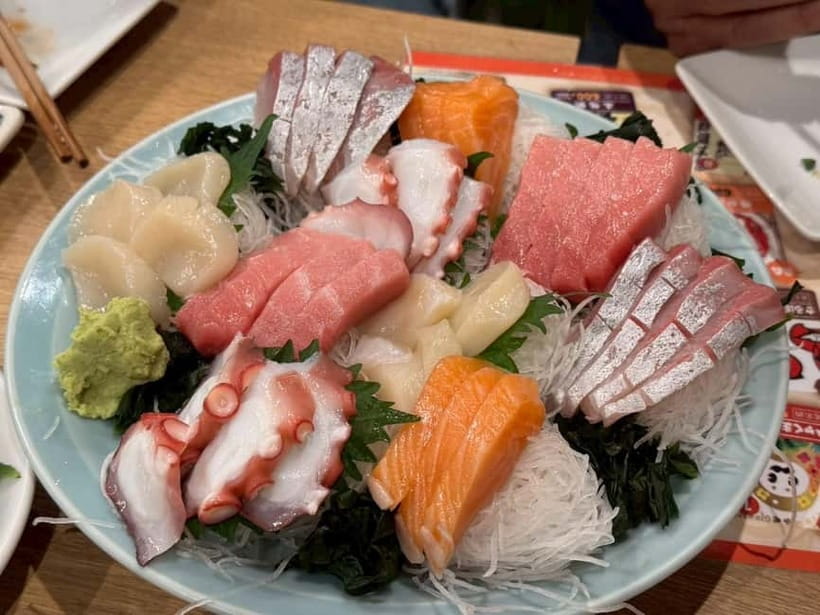
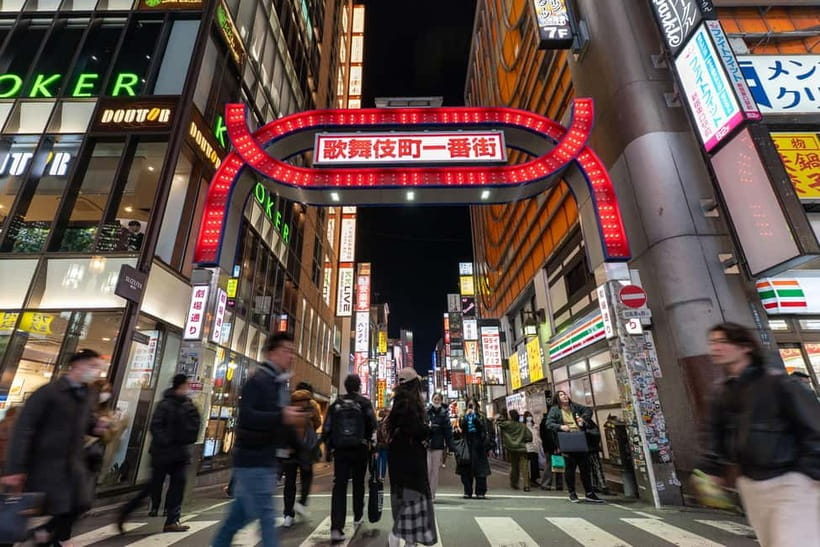
Next you’ll head into Kabukicho, which is Shinjuku’s nightlife center. This is where first-timers often feel overwhelmed because it’s all happening at once: people, lights, entrances, staff, and signage. Your guide’s job here is more than showing you where to walk. It’s helping you interpret what you’re seeing so you don’t feel lost in the crowd.
You also visit Tokyu Kabukicho Tower. Even if you’re not shopping, it’s helpful as a reference point. Think of it as a mental anchor: you see the bigger structure of Kabukicho while still moving through the human-scale streets that make it feel like Tokyo’s nightlife in real time.
There’s a balance here. Kabukicho is easy to treat like a theme park. On this tour, the walk is framed with culture and “why this area works” details, so you can enjoy it without turning it into one big blur of neon.
Entering Golden Gai: the guide does the hard part
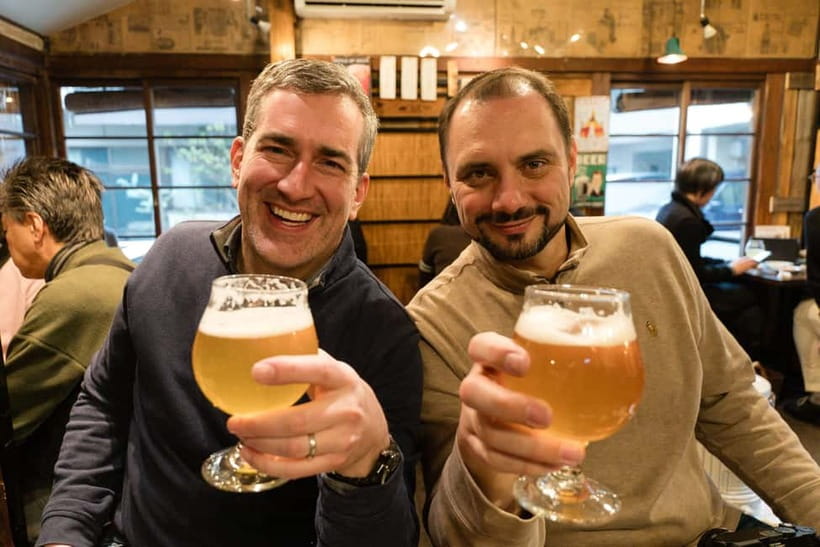
Then you get to Golden Gai. If you’ve only seen it in videos or Instagram posts, you might expect it to be a single type of bar. Reality is different. Golden Gai is more like a cluster of micro-neighborhoods: different bars with different personalities, and an overall vibe that rewards curiosity.
The big advantage of a guided visit is not just confidence—it’s timing and access. Many of these spots are hard to enter and hard to approach politely if you don’t know the customs. With a guide, you can focus on what matters: conversation, tasting, and noticing the details you’d miss alone.
One thing I especially appreciate is that you don’t just “walk past” Golden Gai. You actually visit and stay—first for tastings and then again for a second bar experience. That second stop helps you compare styles and makes Golden Gai feel like a real nightlife neighborhood instead of a quick photo sprint.
You can also read our reviews of more nightlife experiences in Tokyo




Japanese whisky tasting: what you’ll sample and why it’s fun
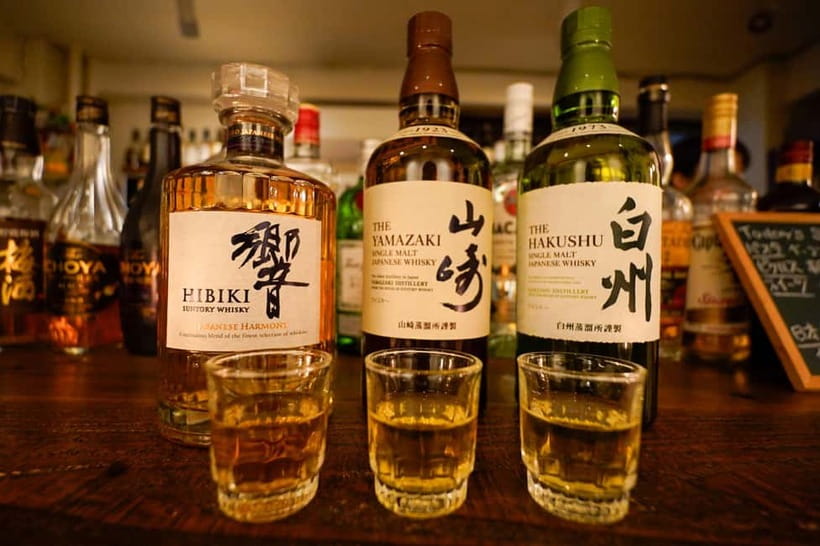
The tour includes tastings featuring famous Japanese whiskies like Yamazaki, Hakushu, and Hibiki. This is the part that turns Golden Gai from a visual experience into a tasting experience.
You’ll likely encounter tastings that are explained in plain language: what the distillery is known for, how whisky changes with temperature and ice, and how styles differ. One review even highlighted a three-style approach—straight, on the rocks, and highball—which is a great way to understand how the same base spirit can taste totally different depending on how it’s served.
Don’t stress if you’re not a whisky person. The tour is structured so you don’t need prior knowledge. Even if you usually stick to beer or cocktails, whisky tasting here is approachable, and it gives you a souvenir you can actually remember: a flavor reference you’ll connect to later when you see these labels in bottles.
A quick practical note: because food and drinks aren’t fully covered, keep an eye on what counts as included tastings versus what you’re ordering yourself. Plan to spend a bit more if you fall in love with a pour.
Street snacks and dinner: what to expect after the tastings
Along the way, you’ll get street-food and snack introductions. The itinerary includes moments described as food tasting and dinner-style tasting, and the included description points to Japanese street snacks.
But the tour also clearly says food & drinks aren’t fully included, and that you should cover the guide’s food/drinks. So think of it like this: you’ll get sampling and guidance, but you shouldn’t treat the tour like an all-you-can-eat night.
This matters for your planning. If you want a full stomach for the entire night, eat something light before you start, then let the tour guide you through the best bites and drinks. After the tour, you’ll be set up to keep going intelligently.
The shrine finish at Hanazono Jinja: a calm landing after the night
At the end, you finish at 花園神社 (Hanazono Shrine). It’s a nice change of pace. Instead of wrapping up at the last bar, you land near a historic shrine beloved by locals.
This ending does two useful things. First, it gives your night a natural “close.” Second, it can make your departure easier because you’re not stuck negotiating your way out of a single crowded doorway district.
If you’re the type who likes photos but also hates the feeling of leaving your night unfinished, this finish helps you feel like the tour actually completed a story.
Price and value: is $61 a good deal for 3 hours?
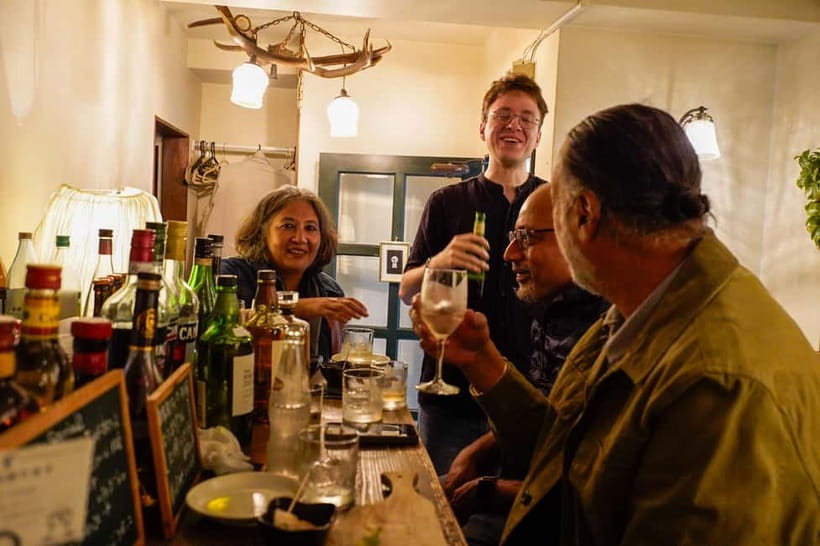
At $61 per person for a 3-hour small-group walk with guided bar access, this price often pencils out well if you like nightlife but don’t want the hassle of figuring out Golden Gai entry on your own.
Here’s where the value comes from:
- You’re getting two Golden Gai bar visits, which is the biggest friction point for most independent travelers.
- You get a whisky tasting focused on major labels like Yamazaki, Hakushu, and Hibiki.
- You get recommendations that help you keep your night going afterward, especially for izakayas and ramen shops.
The main reason this might not feel like a bargain for everyone is the “food & drinks aren’t fully included” piece. If you plan to order a lot, the total cost of a single night out can grow. If you treat tastings as tastings—and then head to a meal your guide recommends—you’ll usually feel happy with the deal.
Who should book this tour (and who might skip it)
This is a strong fit if you:
- want Golden Gai without stress and want someone to handle the bar-door awkwardness
- like Japanese drinks and want an organized way to try whisky labels
- want a guided night walk through Shinjuku and Kabukicho with context
- prefer small groups (up to 8) over large tour herds
You might skip this tour if you:
- want a fully covered food-and-drink night with no extra budgeting
- hate walking at night, even when the pace is guided
- expect a long, classroom-style lecture every step of the way (this is built around walking + tasting + vibe)
The guides matter: attentive, friendly, and worth asking questions
One of the most consistent positives is that the guides feel genuinely caring and attentive. People have mentioned guides by name like Annie, and also Kazu and Tomoko in private-guide experiences, where the pacing and explanations matched the group.
That’s important because Shinjuku nightlife can be polarizing. A good guide keeps you comfortable, helps you order or understand what you’re tasting, and gives background while still letting you enjoy the moment.
If you’re picky about what you want, ask early. If you want more drink education, say so. If you want more cultural context, tell them. The best nights happen when you guide the guide.
Should you book this Shinjuku Golden Gai night tour?
Yes—if your goal is a real Tokyo nightlife experience with less guesswork. The tour’s greatest strength is combining access (two Golden Gai bars) with structured tasting (major Japanese whisky brands) and a guided walk through the areas that define Shinjuku after dark.
If you’re on a tighter budget, go in with a simple plan: treat tastings as the included core, and then use the guide’s recommendations to pick one solid meal or ramen stop after. Do that, and the tour feels like smart value, not just another bar hop.
FAQ
FAQ
How long is the Tokyo Shinjuku Golden Gai Bar Hopping Night Tour?
The tour lasts 3 hours.
How many people are in the group?
The group is limited to a small size of up to 8 participants.
What is the meeting point for the tour?
You meet at 新宿警察署 新宿駅東口交番, with the guide holding a yellow paper that says EPIC JAPAN EXPERIENCE.
Which neighborhoods and sights does the tour cover?
You walk through Shinjuku and Kabukicho, visit Omoide Yokocho, stop at Tokyu Kabukicho Tower, and spend time in Golden Gai.
How many bars do you visit in Golden Gai?
You visit 2 unique bars in Golden Gai.
What whisky do you taste during the tour?
The tasting includes famous Japanese whiskies such as Yamazaki, Hakushu, and Hibiki.
Is food included?
The tour includes food tasting and street-food snack introductions, but food and drinks are listed as not fully included. You should also be prepared to cover the guide’s food/drinks.
Does the guide speak English?
Yes. The tour is listed as English language, and the guide is also described as English & Japanese speaking.
Where does the tour end?
The tour finishes at 花園神社 (Hanazono Shrine).
What’s the cancellation policy?
Free cancellation is available up to 24 hours in advance for a full refund.