REVIEW · TOKYO
Tokyo : Visite des temples d’Asakusa avec guide français
Book on GetYourGuide →Operated by Sunrise Adventure · Bookable on GetYourGuide
Tokyo’s old streets feel close-up. This small-group walk in Asakusa is a practical way to see Sensoji, learn temple etiquette, and understand how shinto and Buddhism mix in modern Tokyo. You also get viewpoints that most people skip.
What I love most is the way the guide makes rituals make sense, not just look pretty. The visit includes omikuji fortune slips and the healing jokoro incense, plus clear explanations of what to do at Sensoji versus the nearby shinto spaces. I also like the pacing: you start with views, then move into the quieter spiritual details.
One consideration: this is a walking tour and it runs in good weather or bad, so you’ll want comfortable shoes and clothes that handle rain.
In This Review
- Key Points You’ll Feel on the Streets
- First Steps in Asakusa: Where the Tour Starts
- Azumabashi and the View Before the Temples
- The Panoramic Pause at the Asakusa Information Center
- Kaminarimon: The Red Lantern and the Thunder Gate Story
- Nakamise Street: Snacks, Souvenirs, and Cultural Clues
- Hidden Sanctuaries and the Rituals People Often Miss
- Sensoji: Buddhist Prayer, Not the Same as the Shrine Next Door
- Omikuji and Healing Incense: Two Experiences You Actually Do
- Why the French Guide Changes the Whole Day
- How Much Time and Energy You Should Plan For
- Price and Value: Is $40 Fair for What You Get?
- Who This Tour Suits Best (And Who Might Prefer Something Else)
- Practical Tips to Get the Most Out of It
- Should You Book This Asakusa Sensoji French Temple Walk?
- FAQ
- Where do I meet the guide?
- Is this tour only in French?
- How big is the group?
- What will we do at Sensoji?
- Do we try omikuji and incense during the tour?
- Is the tour mainly sightseeing or also about rituals?
- Does the tour happen in bad weather?
- What should I bring?
- Is it wheelchair accessible?
- What if I need to cancel?
Key Points You’ll Feel on the Streets
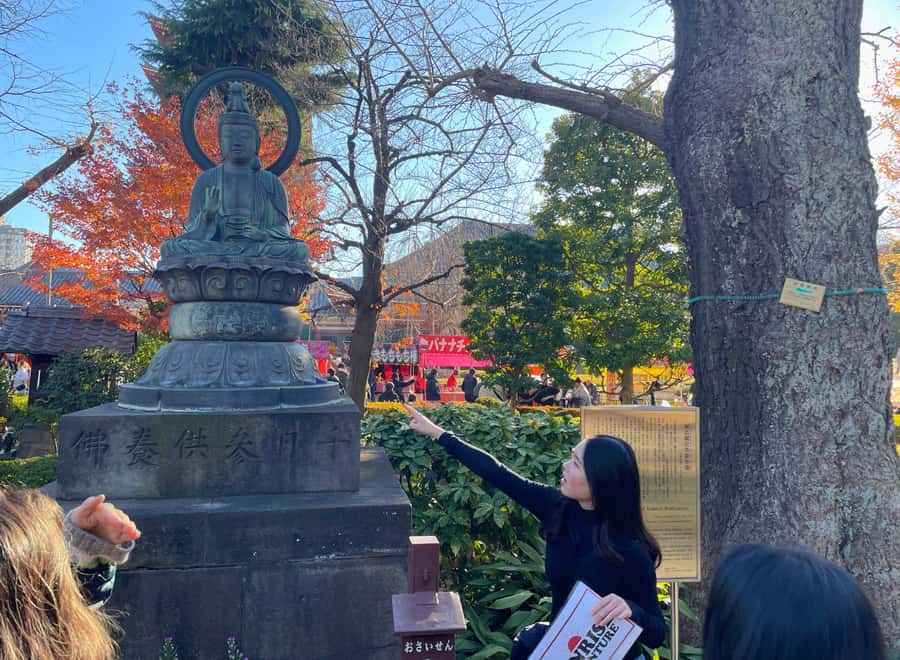
- French guide at Sensoji with patient, friendly explanations that stick
- Small group (max 8) so you can ask questions and keep up
- Panoramic view from the Asakusa tourist information center after Azumabashi
- Real ritual practice like temizu hand-washing and omikuji fortune divination
- Both sides of the traditions: shinto shrine etiquette and Buddhist prayer at Sensoji
- Nakamise context: what the snacks and souvenirs mean, and where to look for good options
First Steps in Asakusa: Where the Tour Starts
The meeting point is simple: Burger King Asakusa, near the lively streets of the neighborhood. The guide waits at the entrance and holds a sign for Sunrise Adventure, so you don’t have to play guessing games. Arrive about 10 minutes early so the group can start on time and you can settle your bearings.
From the start, the tour is designed for flow. You’ll move from everyday street energy into the sacred spaces of Asakusa without it feeling rushed or chaotic. And because the group is capped at eight people, you’re not getting lost behind larger crowds.
If you’re coming from elsewhere in Tokyo, build in a few minutes of buffer. Asakusa is busy, and you’ll want that headspace to enjoy the first views rather than sprinting.
You can also read our reviews of more guided tours in Tokyo
Azumabashi and the View Before the Temples
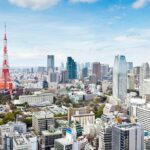
A strong intro matters, and this one gives you exactly that. You begin by walking to Azumabashi, the bridge that offers a classic view over the area, with the Tokyo Skytree in sight.
This matters more than it sounds. When you see the skyline from a bridge, you immediately understand where you are: traditional streets in a very modern city. Then, as you keep walking, the temples and shrines feel less like random stops and more like part of a living neighborhood.
It’s also a nice moment to slow down. You get a view while the group is still together, before you enter the busier temple approach roads.
The Panoramic Pause at the Asakusa Information Center
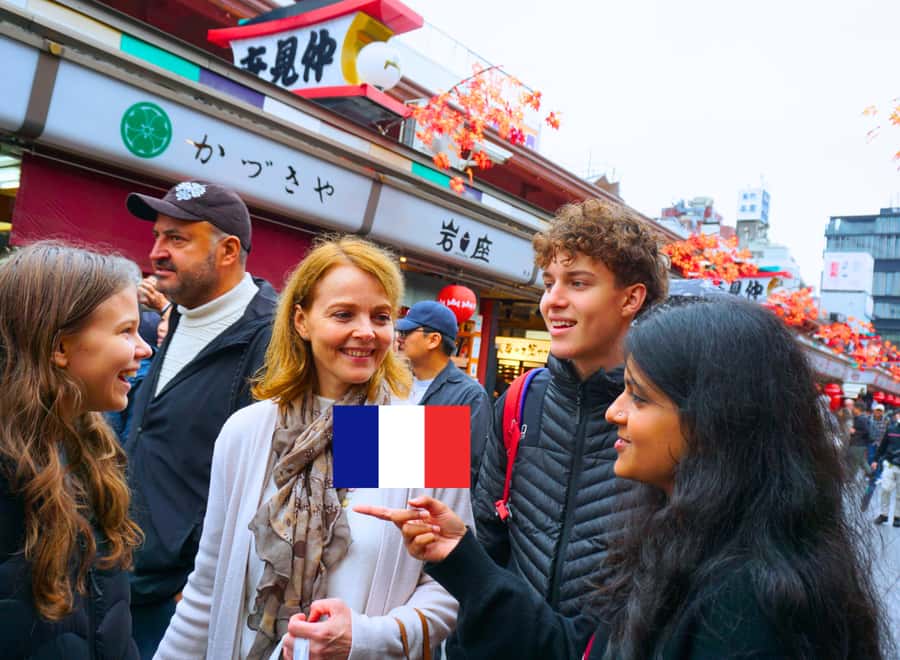
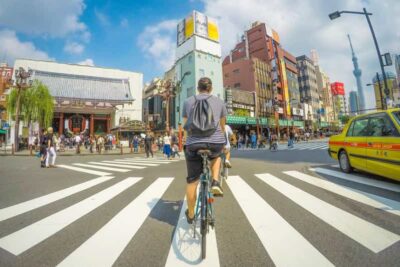
After the bridge, you’ll climb up to the top floor of the Asakusa tourist information center for an overhead panorama. This is the kind of detail many people skip when they head straight for the main gate.
From up there, you can spot how the area is laid out—where the temple grounds sit, how the streets feed into the approach, and why Asakusa feels historically dense even today. If you like “seeing the map in your head” while you walk, this stop is a big win.
And because it’s early, you’ll spend the rest of the tour orienting yourself faster instead of repeatedly backtracking.
Kaminarimon: The Red Lantern and the Thunder Gate Story
Then comes the famous entrance: the Kaminarimon gate, with its dramatic red lantern. You’ll learn the story behind the lantern—its size is part of the legend, and it weighs in around 700 kg—as well as what the name means: thunder gate.
This is where a guide earns their keep. Without context, it’s easy to just take photos and move on. With the explanation, the gate stops being a landmark and becomes a piece of cultural language: names, symbols, and meanings that show up again and again in Japanese religious spaces.
The tour also helps you get your timing right. You’re arriving with enough structure that you know where you’re going next, and you’re not just drifting with the crowd.
Nakamise Street: Snacks, Souvenirs, and Cultural Clues
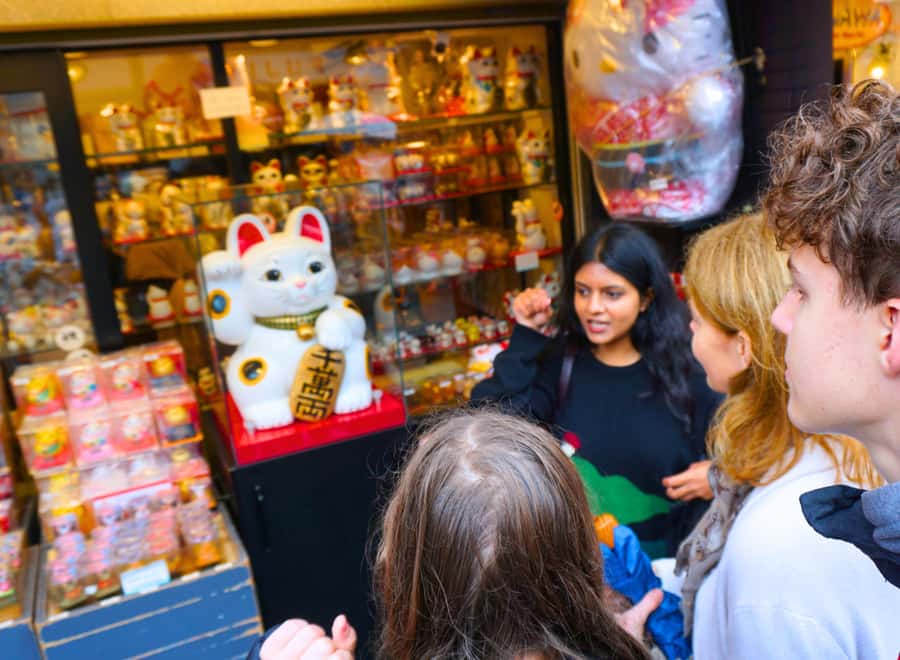
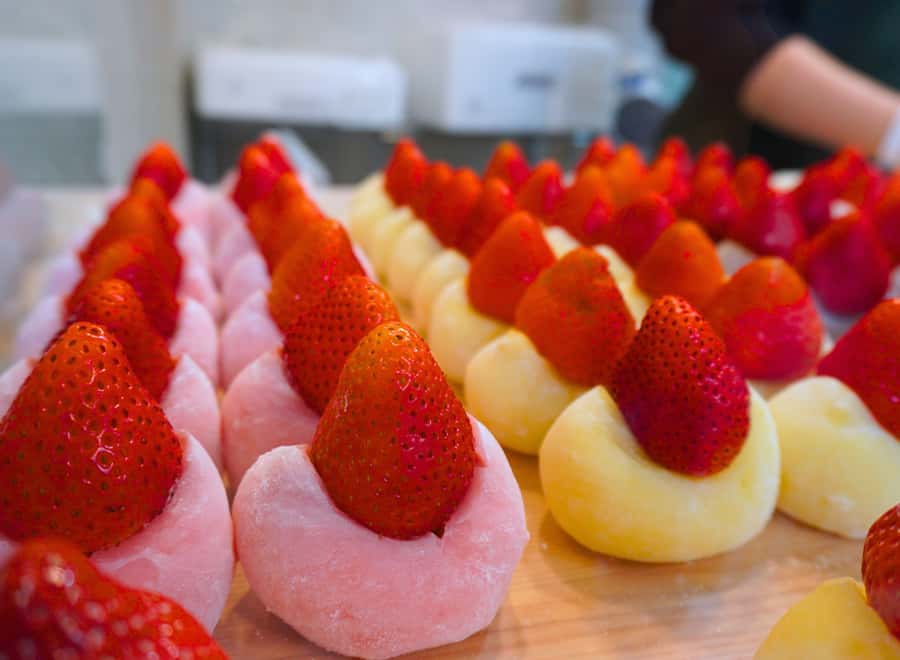
Next is a stroll along Nakamise, the shopping street that funnels visitors toward Sensoji. The guide explains the cultural meaning behind common sweets and typical souvenirs, and they’ll point out good spots to find them.
This part is practical. Food streets can turn into a blur of impulse buys, especially when you don’t know what you’re looking at. Having cultural notes makes your choices feel more intentional—like you’re selecting items that carry a story.
One smart way to use this time: keep your wallet ready but don’t rush purchases. Walk slowly, decide what you want based on the explanations, then buy when you’re sure. The tour includes ritual moments later, and you’ll appreciate not carrying unnecessary extras.






Hidden Sanctuaries and the Rituals People Often Miss
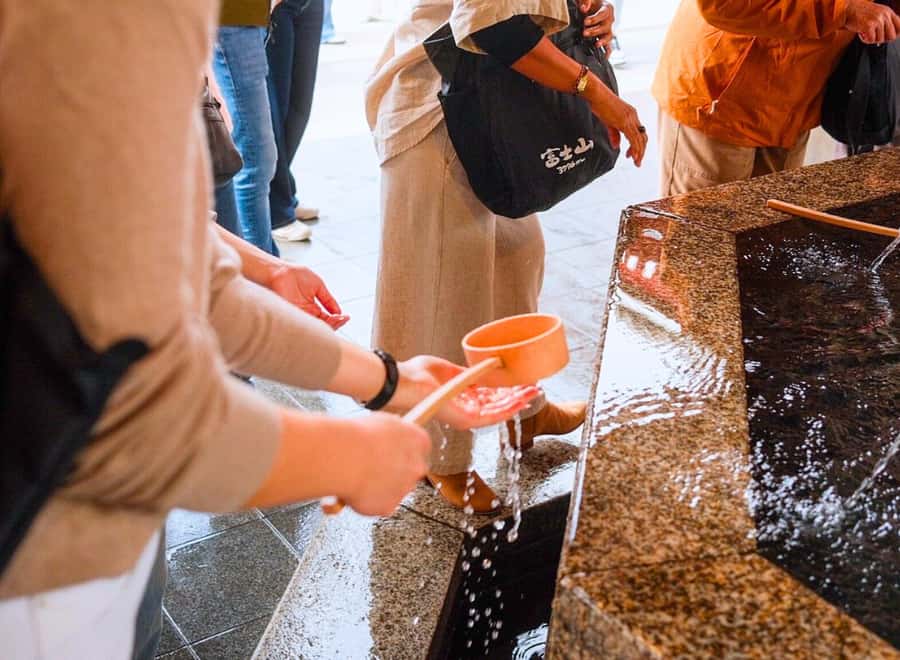
Here’s the standout theme: the tour doesn’t stop at the obvious. You’ll visit sanctuaries and temples that are less central, the kinds of places many visitors pass without noticing.
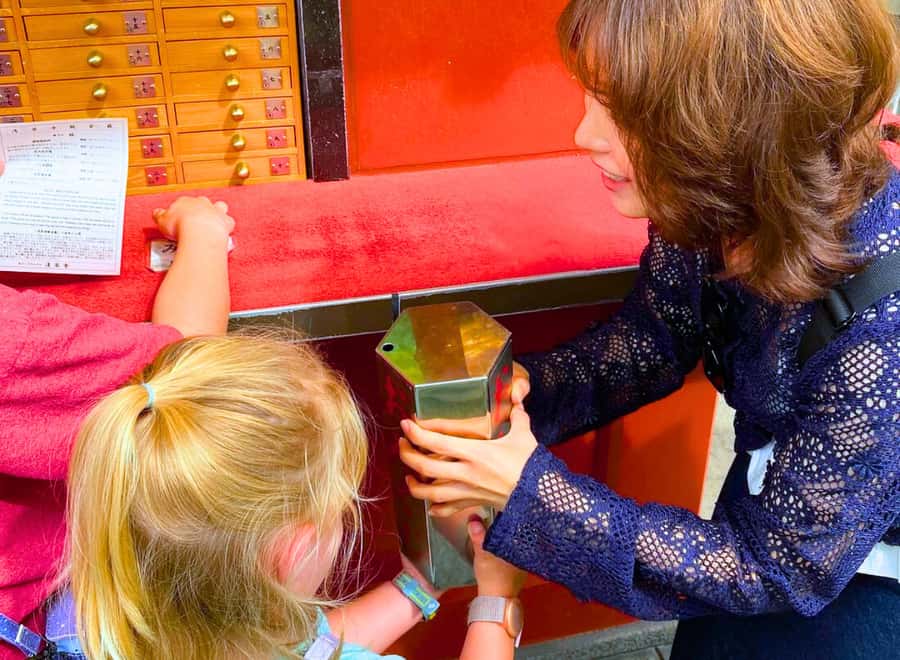
And the explanations focus on daily spiritual mechanics—how the traditions show up through routine actions. You’ll learn about temizu, the hand-washing ritual, and how jokoro incense is used for healing. You’ll also practice or at least follow along with omikuji fortune divination using the provided fortune slips.
This is the part that transforms the tour from sightseeing to understanding. You’re not just looking at buildings; you’re watching how people participate in meaning—how gestures, symbols, and even incense relate to health, luck, and respect.
If you like authenticity, this is where you’ll feel it most. Rituals take effort, and they’re not meant for speed. Having a guide who explains what you’re seeing keeps you respectful and not confused.
Sensoji: Buddhist Prayer, Not the Same as the Shrine Next Door
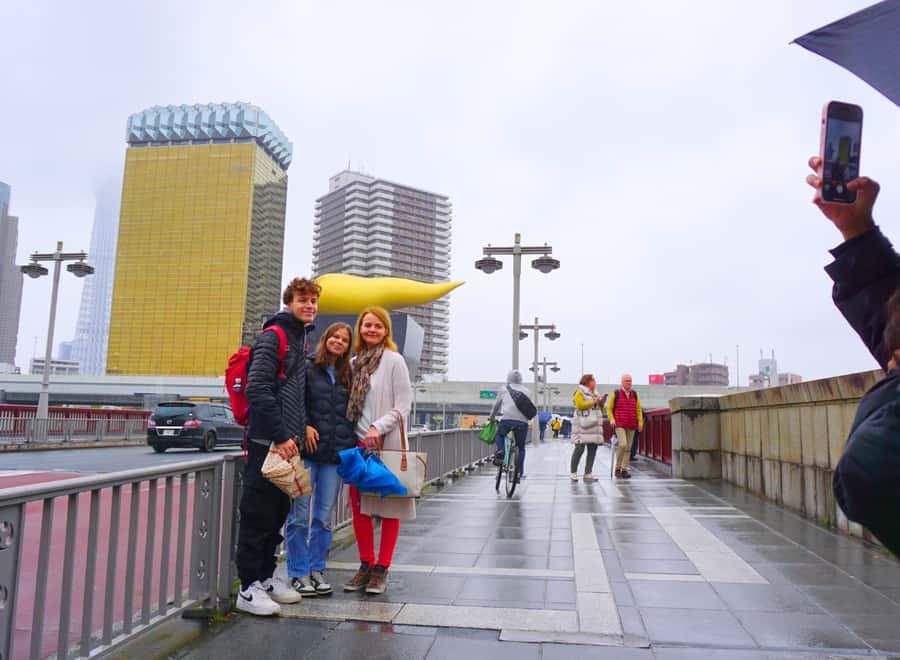
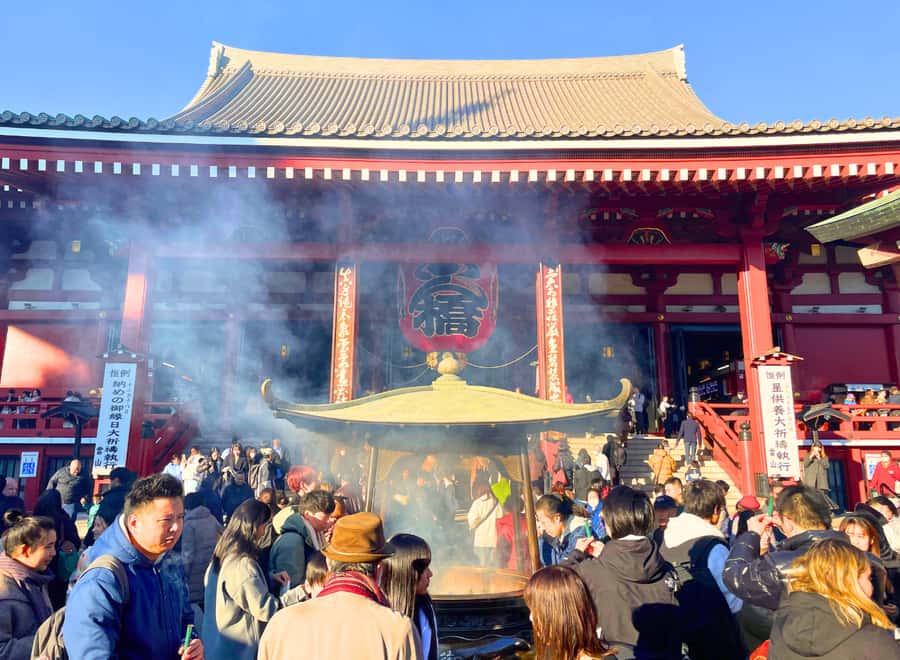
At Sensoji, the tour shifts to Buddhist practice, and the guide makes the difference clear. You’ll learn how to pray in a Buddhist way, including how to approach the space respectfully.
It helps that you’ve already been taught the basics of shinto etiquette through the earlier sanctuary stops. Then, when you step into Sensoji, you’ll understand why the actions differ. In Japan, shinto and Buddhism often coexist in daily life, and this tour shows that in a way that feels logical, not theoretical.
You’ll also get guidance about respectful movement through the grounds—like using torii-related spaces appropriately and not treating them like photo backdrops only. Even if you’ve seen torii before, you’ll come away with a better sense of what’s symbolic versus what’s just decorative.
Omikuji and Healing Incense: Two Experiences You Actually Do
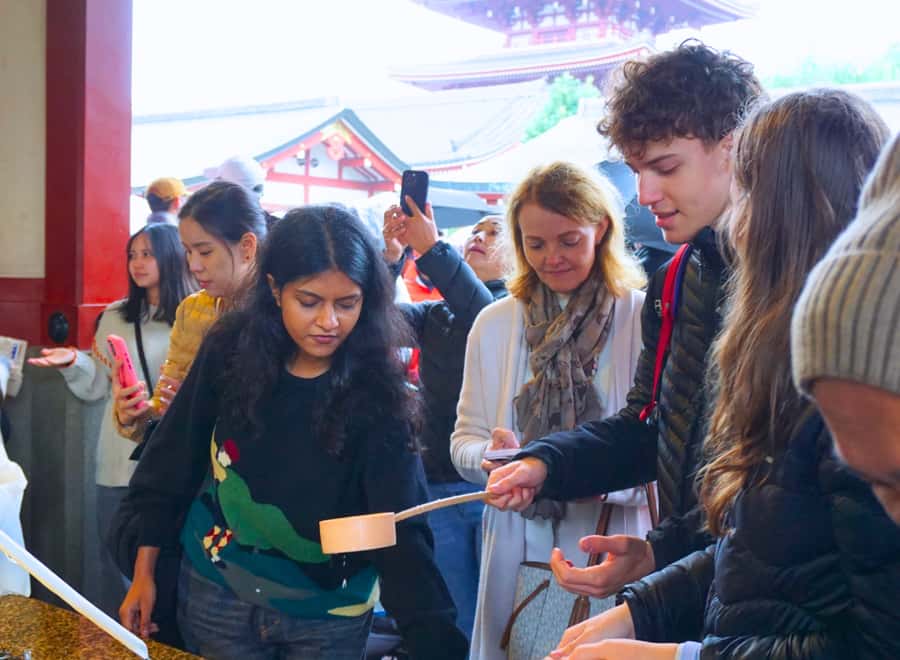
Two included activities make this tour memorable because you’re not just told about them—you participate.
First, omikuji fortune slips. The guide will help you with what they mean and how the divination works in context. Even if the message is a little unexpected, you’ll get the cultural rhythm: try, read, and reflect.
Second, jokoro incense used for healing. You’ll learn why people burn the incense and how that links to the idea of care in the spiritual sense. You might think you already know what incense is, but the explanation changes it from “smell in a temple” to an intention-based ritual.
If you’re someone who likes experiences that stay with you after you leave the temple grounds, these are the moments.
Why the French Guide Changes the Whole Day
Language isn’t a small detail here. A French-speaking guide turns complicated spiritual etiquette into something you can understand and follow. When you can ask questions and get patient answers, you stop worrying that you’re doing the steps wrong.
Several past clients highlighted that the guide was passionate, patient, and competent, and that the explanations came with lots of helpful stories. One named guide example you may run into is Nicolas, who was praised for offering important information with kindness and attentiveness.
That style matters. In Japan, small gestures are part of the experience. When your guide teaches the why, you can actually join in instead of just watching.
How Much Time and Energy You Should Plan For
This is a walking tour, so you should plan based on that. Comfortable shoes are strongly recommended, and you’ll want clothes that can handle changes in weather.
The route itself is built to keep you moving between viewpoints and religious stops rather than staying in one place for a long time. That means you get variety, but it also means you’ll be on your feet.
If you’re combining this with other Asakusa plans, I’d place it as a core morning or early afternoon experience. After the tour, you’ll likely feel like exploring, but don’t schedule something exhausting back-to-back.
Price and Value: Is $40 Fair for What You Get?
At $40 per person, this isn’t the cheapest way to see Asakusa. But it also isn’t trying to be. The value comes from four things that are hard to DIY efficiently:
- A French guide who explains both the shinto and Buddhist sides clearly
- Small group size (max 8) for smoother attention and Q&A
- Included ritual experiences like omikuji and healing incense
- Strategic stops for the best views, including Azumabashi and the top-floor panorama
If you’re the kind of traveler who walks into a temple and wants the story attached, this price starts to make sense fast. If you only want quick photos and you already know the etiquette, you could go on your own more cheaply. But even then, you might miss the quiet sanctuaries and the ritual explanations that give the day its meaning.
Who This Tour Suits Best (And Who Might Prefer Something Else)
This fits especially well if you want a blend of history, spirituality, and practical etiquette without feeling lost.
You’ll likely enjoy it if:
- you want a French-speaking guide
- you like small-group walking tours
- you want to understand temple rituals like temizu, omikuji, and incense rather than just observe
- you want viewpoint moments, not only shrine-to-shrine walking
It may not be ideal if:
- you need wheelchair access (the tour is not suitable for wheelchair users)
- you’re expecting a purely short photo tour with minimal walking
Practical Tips to Get the Most Out of It
Here are simple things that help on the day:
- Wear comfortable walking shoes. Even with a guide, you’ll be moving steadily.
- Dress for rain or shine. The tour runs in both types of weather.
- Keep a little cash for personal choices like snacks or souvenirs along Nakamise. No extra costs are required during the tour itself.
- If you love learning, come with a couple of curiosity questions. The structure makes it easy to ask and get straight answers.
Should You Book This Asakusa Sensoji French Temple Walk?
Book it if you want more than landmark photos. This tour gives you a clear path through Asakusa with views, etiquette, and hands-on ritual moments like omikuji and incense. The most praised part is the guide approach—patient, friendly, and full of helpful explanations—so you leave understanding what you just experienced rather than just seeing it.
Skip it only if you’re in a hurry, hate walking, or you already know the ritual basics and don’t care about the shinto-Buddhist distinctions. In most cases, though, this is a smart way to get closer to Tokyo’s spiritual side without feeling out of place.
FAQ
Where do I meet the guide?
Meet at Burger King Asakusa near the streets of Asakusa. The guide will wait at the entrance and hold a sign for Sunrise Adventure.
Is this tour only in French?
The tour lists French and English as available languages. Since you requested the French version, you should book the French option.
How big is the group?
The group is small, with a maximum of 8 people.
What will we do at Sensoji?
You’ll visit Sensoji and learn how to pray in a Buddhist way, along with respectful guidance for the temple space.
Do we try omikuji and incense during the tour?
Yes. The tour includes omikuji fortune slips and healing incense experiences, with explanations of how and why they are used.
Is the tour mainly sightseeing or also about rituals?
It’s both. You’ll see major sights like Sensoji, but a big part of the value is learning and practicing ritual etiquette such as temizu hand-washing and omikuji divination.
Does the tour happen in bad weather?
Yes. It runs in good weather or bad weather, so dress accordingly.
What should I bring?
Comfortable walking shoes are recommended. The tour doesn’t require additional spending, but you can bring a bit of cash for personal purchases like snacks or souvenirs.
Is it wheelchair accessible?
No. The tour is not suitable for wheelchair users.
What if I need to cancel?
You can cancel up to 24 hours in advance for a full refund.