REVIEW · TOKYO
Wagyu and Sushi : Tokyo Gastronomic Journey
Book on Viator →Operated by Japan Insider Tours · Bookable on Viator
Shinjuku night becomes dinner lessons. This 3-hour Wagyu and Sushi Tokyo Gastronomic Journey is built for an easy evening: you move through classic Shinjuku streets, pause for photos, and sit down for food guided by people who actually know the local pacing and rules. I like that you get a small-group setup for questions, plus a Godzilla head photo stop that breaks up the night nicely.
I especially like the two food stops and the way the guide turns them into something you can understand, not just something you can eat. From the wagyu yakiniku side to the sushi counter experience, guides like Yuki, Natsuki, Emma, and Miharu are repeatedly praised for being kind, thoughtful, and able to explain what you’re looking at.
One consideration: this is still mainly a 2-stop dinner inside a walking tour. If you’d rather hunt for restaurants on your own, you may feel like you could replicate parts of it without paying a guide fee.
In This Review
- Key Points That Make This Tour Worth Your Time
- Wagyu and Sushi in Shinjuku: Why This Evening Fits Tokyo
- The Small-Group Advantage: Questions, Not Just Directions
- Meeting at 6:30 pm and Using Omoide Yokocho as Your Before-Dinner Lesson
- Kabukicho After Dark: Pleasure Streets With a History Lesson
- Godzilla Head and Hanazono Shrine: The Best Kind of Contrast
- Sushi First, Then Wagyu: How Two Stops Create Real Understanding
- Golden Gai and the Final Stroll: Tiny Bars, 1960s Atmosphere
- Sushi Etiquette and Wagyu Background: What the Guide Adds
- Price and Value: What $156.77 Is Buying You
- Practical Tips for a Smooth Shinjuku Night
- Who Should Book This Tour (and Who Should Skip It)
- Should You Book This Wagyu and Sushi Tokyo Gastronomic Journey?
- FAQ
- How long is the Wagyu and Sushi Tokyo Gastronomic Journey?
- What time does the tour start?
- How big is the group?
- What’s included in the price?
- Is alcohol included, and is there an age limit?
- What is not included?
- Where does the tour meet and end?
- When will I receive confirmation?
- What’s the cancellation policy?
Key Points That Make This Tour Worth Your Time
- Small group (max 10): more chance to ask questions and get personal answers mid-walk
- Two dinner stops included: you get sushi and wagyu-style dining without planning work
- Shinjuku landmarks as breaks: Godzilla head photo time plus stops like Hanazono Shrine
- Food + etiquette context: you learn what sushi etiquette and wagyu history mean in practice
- Golden Gai atmosphere: you end up near tiny bars that preserve a 1960s mood
- Photos included: helpful when you’re focused on eating instead of documenting every bite
Wagyu and Sushi in Shinjuku: Why This Evening Fits Tokyo
Tokyo can feel like two cities at once: the modern, efficient part you see at major stations, and the older “street life” that shows up just beyond the big thoroughfares. This tour works because it leans hard into Shinjuku after dark, when those contrasts are easiest to notice. You don’t need to build a route. You just follow the plan, eat well, and ask questions as you go.
Wagyu and sushi are also a smart pairing for a first-time visitor. Both are iconic, but they’re different in texture, flavor, and how people eat them. That difference is exactly why the guide’s context matters. You come away with a clearer sense of what you ordered and why it’s served that way.
And it’s not just food. The tour is paced around atmosphere: alleyways, nightlife streets, a landmark photo moment, then a calmer pause near a shrine. It’s a practical way to get oriented in Shinjuku without spending your evening stuck in mapping apps.
You can also read our reviews of more tours and experiences in Tokyo.



The Small-Group Advantage: Questions, Not Just Directions
This is a maximum-of-10 person tour. That size matters more than you might think. In a larger group, guides tend to talk at you. Here, you’re more likely to get answers to your questions, even when the group is mid-bite or mid-walk.
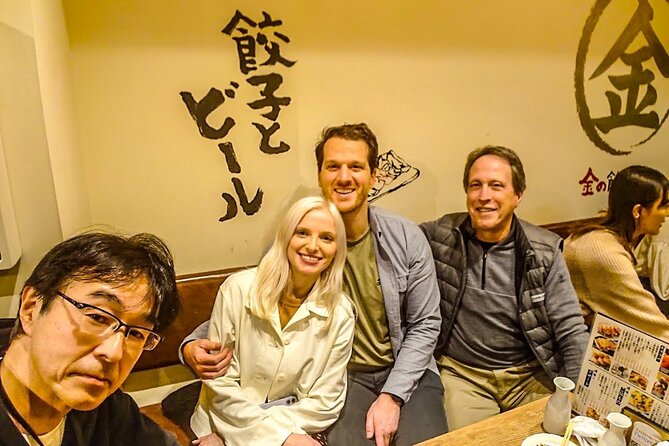
It also helps for social reasons. One of the most consistent themes here is that it’s an easy way to meet fellow food lovers. You’ll be walking together, eating together, and you’ll naturally compare notes on what you liked. That makes the experience feel less like a lecture and more like a shared Tokyo night out.
The guides highlighted in feedback—Yuki, Natsuki, Emma, Miharu, and Ando Minoru—are described as kind, thoughtful, and able to explain both culture and food choices. In practice, what you’re buying is not only meals. You’re buying the translator layer for Japan’s food culture, especially the parts that aren’t obvious if you just show up hungry.
Meeting at 6:30 pm and Using Omoide Yokocho as Your Before-Dinner Lesson

The tour starts at 6:30 pm, near Nishishinjuku. From there, it heads toward Omoide Yokocho, a maze of narrow alleys close to the West Exit of Shinjuku Station. The setting is almost comically different from the station’s bright, clean vibe. Here you get tiny restaurants and open barbecue-style stalls, with that close-up, street-level feel.
That first stop is more than scenery. It sets expectations for how the evening will feel. The guide isn’t just taking you to restaurants. They’re showing you how Tokyo food culture looks in real, cramped, noisy spaces where people come to eat first and ask questions later.
If you’re someone who gets overwhelmed in Shinjuku, this is also a good warm-up. You’re eased into the chaos with a plan, not dumped into it.
Kabukicho After Dark: Pleasure Streets With a History Lesson
Next up is Kabukicho, the area of leisure and pleasure that also functions like a red light district. It’s one of the places where Shinjuku’s nightlife personality becomes impossible to ignore: restaurants, bars, nightclubs, and that unmistakable late-evening energy.
There’s no need to overthink this stop. It’s there so you can see the contrast between Tokyo’s polished public face and the street-culture side that keeps going well after sunset. The guide also uses the walk to talk about the history and the meaning of the neighborhoods you’re passing through.
Practical tip: if you’re arriving early on your own, don’t spend too much time wandering aimlessly here before the tour starts. Kabukicho is easy to get turned around in. The group route keeps you moving and helps you feel confident with where you are.
Godzilla Head and Hanazono Shrine: The Best Kind of Contrast
At some point you’ll also get a photo pause at the Godzilla head. It’s a small stop, but it matters because it gives you a break from eating focus. It also anchors your memory of the night, since Shinjuku can blur together when you’re moving restaurant to restaurant.
Then you hit Hanazono Shrine. The listing doesn’t give much detail about the stop beyond its name, so think of it as a calm gear shift. After nightlife streets, a shrine pause gives your brain a reset button. You can stand, look around, and notice how Tokyo can be both lively and quietly reverent within a few blocks.
This contrast is one of the reasons people love food tours like this. You’re not just consuming meals. You’re moving through layers of the city.






Sushi First, Then Wagyu: How Two Stops Create Real Understanding
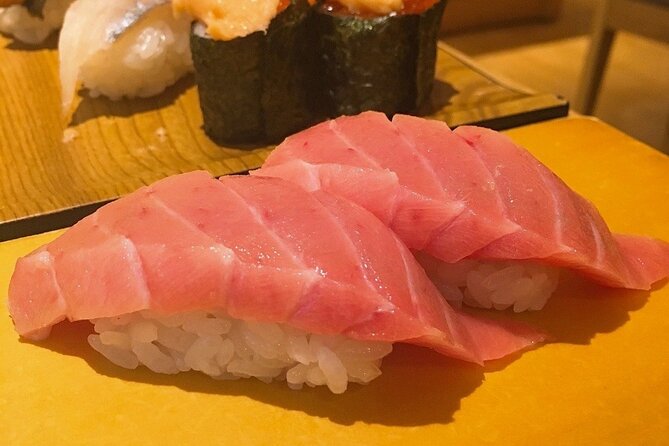
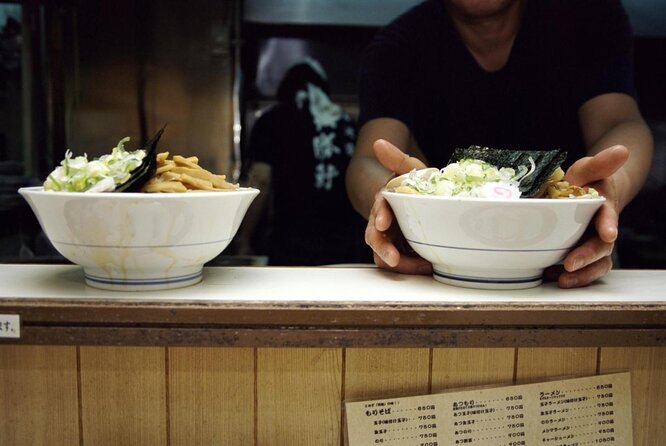
The tour includes dinner at 2 food stops. In plain terms: you’ll likely start with sushi, then move to the wagyu side. Feedback here points to one sushi stop described as small and authentic, the kind of place you might walk right past without local guidance. That’s where the guide’s value shows up—finding the kind of counter experience that feels real, not generic.
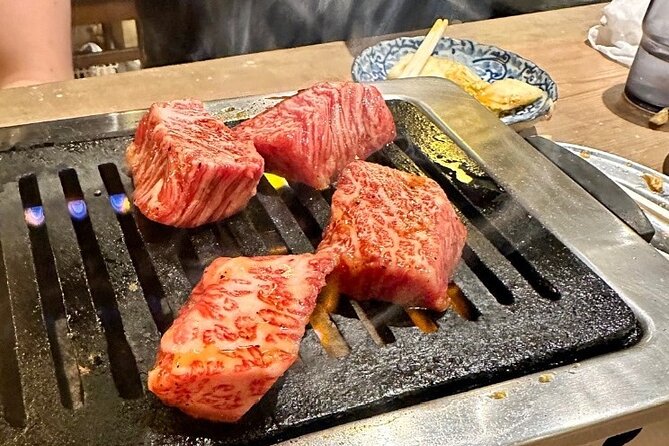
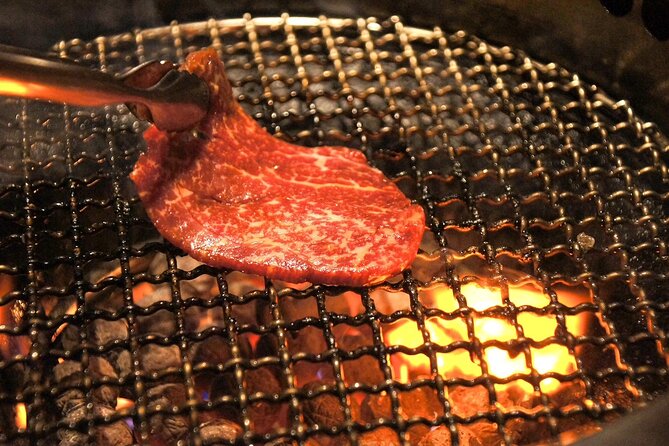
On the wagyu side, the big highlight is how fun it can be when grilling happens right at the table. Several comments emphasize the wagyu yakiniku experience as a standout. If you’re a “watch the cook” person, this is right up your alley. The food isn’t only great. The moment feels like part of the meal.
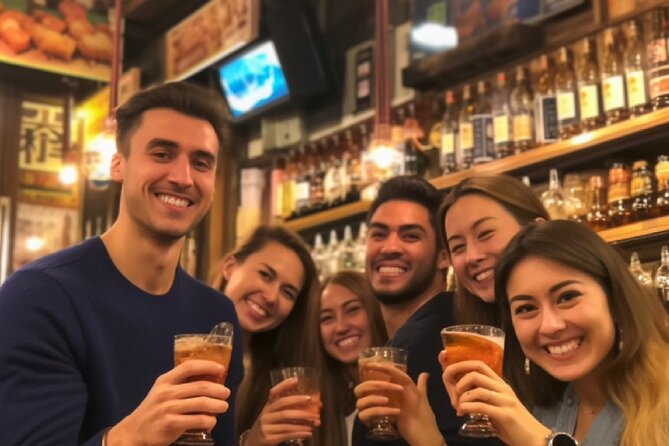
Also, because alcoholic beverages are included, you may see pairings tied to what you’re eating. Some feedback references combinations like sake with sushi and whiskey soda with wagyu-style dining. You don’t need to be an alcohol expert to enjoy this. If you’re not drinking, you still get the food focus—just know alcohol is for those 20 and up.
The key idea: two stops are enough to keep quality high. At the same time, they give you a meaningful comparison between Japanese staples—so you finish the night feeling like you learned something, not just how to fill your stomach.
Golden Gai and the Final Stroll: Tiny Bars, 1960s Atmosphere
The last stretch leads toward Golden Gai, described as a warren of small bars just east of Kabukicho that preserves the atmosphere and architecture of 1960s Tokyo. That’s the kind of detail that turns a neighborhood stop into a real experience.
Golden Gai isn’t huge. You don’t go there for wide views. You go for texture: narrow lanes, doorways that feel like secrets, and lots of small spaces with their own mood. Even if you don’t do a long sit-down drink, arriving in this area at the end of the meal stops is a satisfying way to close the night.
If you’re the type who likes taking a slower look after dinner, this is a good time to do it. The tour gives you permission to pause and watch without feeling rushed.
Sushi Etiquette and Wagyu Background: What the Guide Adds
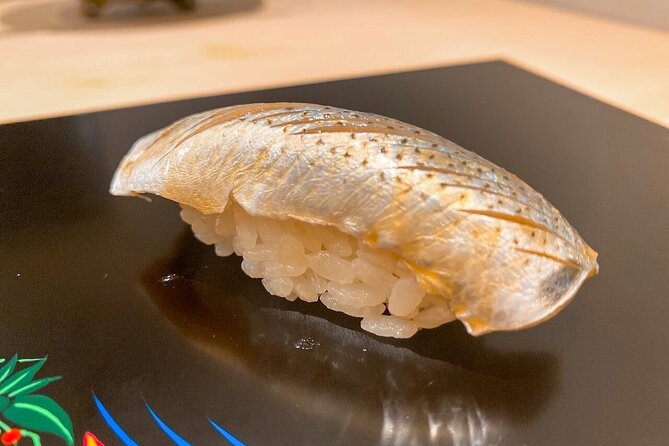
The listing promises a chance to learn the history behind wagyu beef and the nuances of sushi etiquette. That’s exactly the kind of “invisible” value you can’t easily learn from a menu alone.
Here’s the practical way to think about it: sushi and wagyu dining are both wrapped in small cultural expectations. A guide can help you avoid awkward moments, and they can also explain what you’re tasting. Even a few minutes of context can change how you eat—especially with sushi, where the process matters as much as the ingredient.
So if you’ve ever wondered things like how you’re supposed to handle the rice, or what wagyu cooking method is doing for flavor, this tour is set up to answer that in real time. You’re not reading a pamphlet. You’re asking while you’re standing there with food in front of you.
Price and Value: What $156.77 Is Buying You
At $156.77 per person, you’re not paying for a single restaurant meal. You’re paying for:
- a local guide
- two dinner food stops (so you don’t have to pick, book, and coordinate)
- alcoholic beverages included for those 20+
- photos included
You also pay for the fact that you’re eating in places that match the style of the tour: small, authentic-feeling spots in Shinjuku’s street network. If you tried to recreate this yourself, you’d still have the job of routing, translation, and timing. That’s where the tour stops being “just dinner” and starts being a planning shortcut.
At the same time, it’s fair to acknowledge the cost-versus-DIY question. One downside in feedback is that the experience can feel like two restaurants plus a walk—meaning, if you’re already comfortable navigating Shinjuku and making bookings, you might not feel you need a guide.
My take: this price makes the most sense if you’re either short on time or you want to eat well with less stress. If you love planning and don’t mind wandering, you might decide to do it your own way.
Practical Tips for a Smooth Shinjuku Night
A few details will help you enjoy the tour instead of working around it:
- No hotel pickup: you’ll handle getting to the meeting point in Nishishinjuku.
- Transportation costs are not included: budget roughly 200 to 800 yen depending on how you travel.
- Mobile ticket: keep your phone ready for the check-in flow.
- Arrive early: you start at 6:30 pm, and Shinjuku can be confusing if you’re threading through streets for the first time.
- Group size is small: bring your questions, but also be ready to move with the group.
- Alcohol is included only for 20+: if you’re under 20, plan for that so there are no surprises.
Also, wear shoes you can walk in. The schedule is built for moving between stops, and Shinjuku alleyways don’t do flats a lot of favors.
Who Should Book This Tour (and Who Should Skip It)
You’ll likely love this if you:
- want a first-night plan in Shinjuku that combines landmarks and food
- enjoy asking questions and learning culture in real time
- want a smoother path to two strong dining experiences without doing restaurant research
You might skip it if you:
- already have your own Shinjuku food route mapped out
- prefer to choose every restaurant yourself and don’t want a fixed plan
- feel uncomfortable paying a guide fee when you mainly want the meal-only part
Should You Book This Wagyu and Sushi Tokyo Gastronomic Journey?
I think it’s an excellent fit for travelers who want a guided Shinjuku night that’s heavy on flavor and light on logistics. You get two dinner stops, a chance to learn wagyu and sushi context, and a route that includes landmark moments like the Godzilla head photo and a finish near Golden Gai’s tiny bar lanes.
If you’re hoping for a restaurant-only meal, you might question the value. But if you want the “why” behind what you’re eating, plus an easier way to experience Shinjuku after dark, this one deserves a spot on your Tokyo list.
FAQ
How long is the Wagyu and Sushi Tokyo Gastronomic Journey?
It runs for about 3 hours.
What time does the tour start?
The start time is 6:30 pm.
How big is the group?
The tour has a maximum of 10 travelers.
What’s included in the price?
The price includes a local guide, dinner at 2 food stops, photos, and alcoholic beverages (for 20 and up).
Is alcohol included, and is there an age limit?
Yes. Alcoholic beverages are included, but they’re for 20 years old and above.
What is not included?
Transportation costs (about 200 yen to 800 yen) and hotel pickup and drop-off are not included.
Where does the tour meet and end?
It starts at 7-chōme-10-5 Nishishinjuku, Shinjuku City, Tokyo 160-0023 and ends at Hashimoto Bldg., 1-chōme-1-5 Kabukichō, Shinjuku City, Tokyo 160-0021.
When will I receive confirmation?
You’ll receive confirmation at booking time unless you book within 1 day of travel, in which case confirmation is provided as soon as possible based on availability.
What’s the cancellation policy?
You can cancel for a full refund up to 24 hours before the start time. If you cancel less than 24 hours before, the amount paid is not refunded.