REVIEW · TOKYO
Tokyo Tsukiji Fish Market Food & Culture Walking Tour
Book on Viator →Operated by Goen Japan · Bookable on Viator
Tsukiji smells like Tokyo’s food pulse. This Tokyo Tsukiji Fish Market Food & Culture Walking Tour is a tidy, 1 hour 30 minute way to experience the Tsukiji Outer Market area without getting stuck staring at menus or hunting for the next stall. I love the mix of food stops and a quick culture anchor at the nearby Buddhist temple, so the walk feels like a story, not a snack scavenger hunt.
I also like the relaxed pace built around frequent stops and photo moments, plus sampling of items like sizzling skewers, sushi, and street snacks. One thing to consider: it’s a small-group tour capped at 10 people, and it’s commonly booked ahead, so you’ll want to lock in your date rather than assuming you can just show up.
In This Review
- Key things I’d circle on your map (if I had one)
- Tsukiji’s Outer Market Energy, Without the Time Sink
- Price and Logistics: What You’re Paying For (and Why It Makes Sense)
- Meeting Point at FamilyMart and a 9:00 am Start
- Stop 1: Tsukiji Hongwanji Temple for a Quick Cultural Warm-Up
- Stop 2: Former Tsukiji Market Site and Stories That Explain the Food Culture
- Stop 3: Tsukiji Jogai Market, About 400 Vendors, and the Taste Tour
- Why the Guided Route Works Better Than DIY
- Sampling Expectations: What You Can Plan to Eat
- What Makes the Photo Moments Actually Useful
- Who This Tour Suits Best (and Who Might Skip It)
- A Quick Word on Guides Like Lax
- Should You Book This Tsukiji Fish Market Food & Culture Walking Tour?
- FAQ
- How long is the Tsukiji Fish Market food and culture walking tour?
- What time does the tour start?
- Where do I meet the tour?
- How much does the tour cost?
- What will I do during the tour?
- Are admission tickets included?
- How big is the group?
- Is this tour hard physically?
- What is the cancellation policy?
Key things I’d circle on your map (if I had one)
- Small-group size (up to 10): easier conversation and less pushing through crowds.
- Food variety in a short time: you get savory and sweet, not just seafood.
- Temple + market pairing: a historical pause that makes the rest of the walk click.
- Frequent photo moments: you’ll stop often enough to get pictures without rushing.
- No maps needed: the guide handles the route so you can focus on eating and looking.
- 1.5-hour overall length: you can fit it into a busy day in Tokyo.
Tsukiji’s Outer Market Energy, Without the Time Sink
Tsukiji is one of those Tokyo names that instantly signals food. But the real value here is not just the “famous market” factor. You’re walking through the Outer Market area connected to the former Tsukiji wholesale operation, and you’ll hear how that food system shaped what Tokyo eats today.
What I like is that the experience is designed to keep you moving, but not stressed. You’re not trying to plan a whole market day by yourself. Instead, you’re guided through the sights and tastes that define the neighborhood—so you get the impact of Tsukiji in a manageable timeframe.
You can also read our reviews of more walking tours in Tokyo


Price and Logistics: What You’re Paying For (and Why It Makes Sense)
At $26.36 per person for about 1 hour 30 minutes, this tour is positioned as a “do it once, do it right” kind of experience. The price isn’t just covering time; it’s paying for:
- A guide who can connect the food to the place
- A route that keeps the group from wasting time figuring things out
- Food sampling spread across multiple stops
- Breaks built in, so the walk stays enjoyable instead of exhausting
Also, this is commonly booked in advance (on average, about 47 days ahead). That’s usually a sign it fits well into typical travel schedules. For you, it means fewer last-minute headaches and a better chance of getting the time you want.
Meeting Point at FamilyMart and a 9:00 am Start
The tour starts at a clear, easy-to-find landmark: FamilyMart, 3-chōme-11-8 Tsukiji, Chuo City, Tokyo 104-0045. It begins at 9:00 am, and it ends back at the meeting point.
That last detail matters more than it sounds. In Tokyo, where walking can stack up quickly, “back to start” gives you a clean reset at the end of the tour. You can plan your next stop without guessing how far you’ll be from your transportation.
The tour is also described as being near public transportation, which helps a lot if you’re combining it with other Tsukiji-area plans.
Stop 1: Tsukiji Hongwanji Temple for a Quick Cultural Warm-Up

You start with Tsukiji Hongwanji Temple, and the time here is brief—about 10 minutes, with an admission ticket included. The reason this stop works is that it gives you context for the area before you’re hit with the sights and smells of the market.
I’m especially interested in the architectural detail: the temple is built in a rare Indian architectural style, unlike other temples you’ll see around Tokyo. Even if you’re not the type who plans religious sightseeing, this is a fast way to add visual variety and a sense of deeper history to the day.
Practical angle: if you arrive a little early, use that buffer to get your bearings near the meeting point. Then you’ll step into the walk feeling calm instead of rushed.
Stop 2: Former Tsukiji Market Site and Stories That Explain the Food Culture
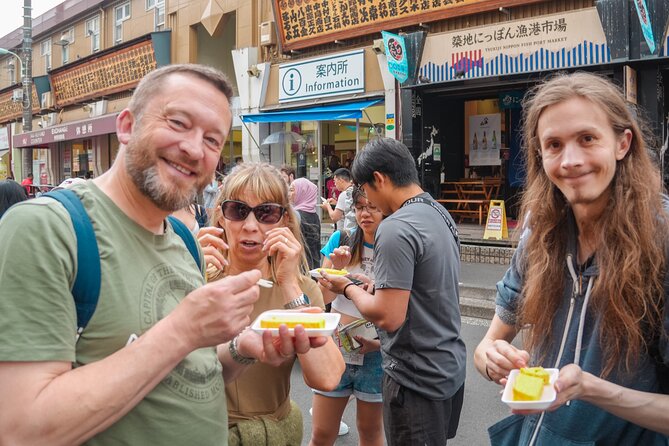
Next is the Fish Market Tsukiji Outer Market stop, at about 30 minutes, again with an admission ticket included. This section focuses less on random eating and more on why Tsukiji became Tsukiji.
You’ll learn about the former Tsukiji market’s role as once the largest wholesale fish market in the world. The guide shares stories that shaped Tokyo’s food culture, which is the kind of background that changes how you see what’s in front of you later. When you understand how the supply chain worked, the market stalls feel less like novelty and more like a living system.
One consideration here: since this portion leans cultural and story-based, don’t expect it to be nonstop tasting. It’s still part of the momentum, just with a different rhythm.
You can also read our reviews of more food & drink experiences in Tokyo




Stop 3: Tsukiji Jogai Market, About 400 Vendors, and the Taste Tour
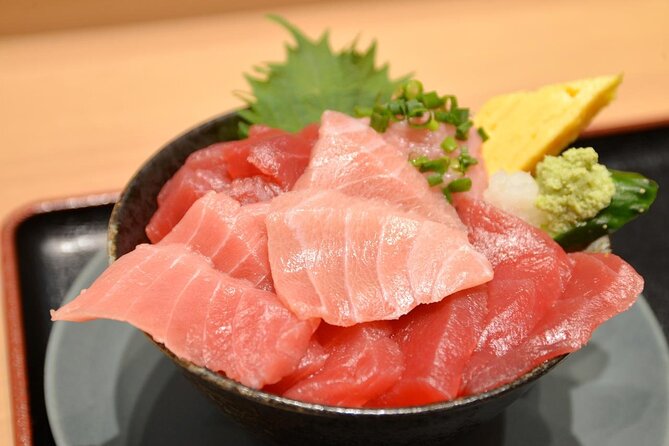
The heart of the experience is Tsukiji Jogai Market. This stop runs about 50 minutes, and it’s where the walk turns into a true food tour.
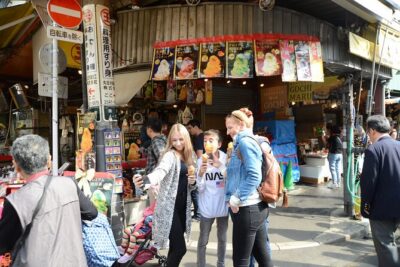
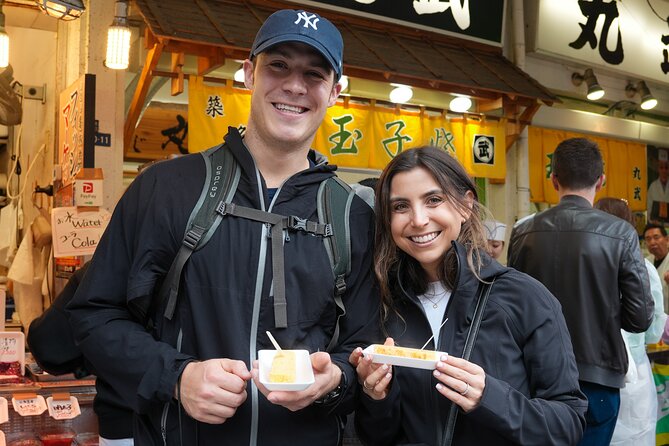
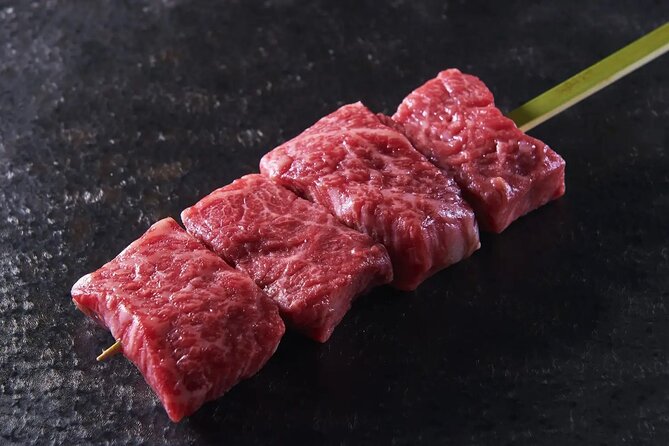
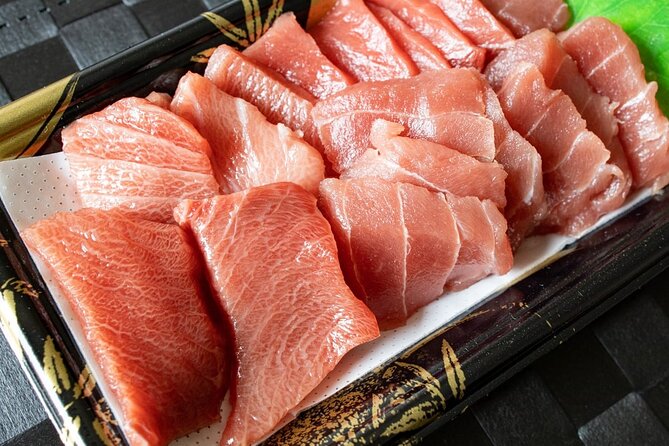
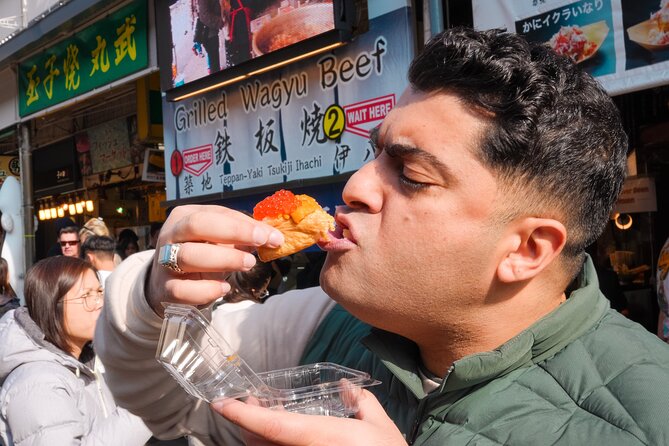
The market area is described as having around 400 vendors, and you’ll stroll through lively alleys while tasting fresh seafood and local specialties. This is also where the tour’s highlight sampling shows up most clearly: sushi, sizzling skewers, and street snacks, plus a swing toward traditional sweets.
I love that the tasting mix isn’t one-note. The highlights mention everything from juicy meats to sweet traditional treats, which is smart for real travelers. Not everyone wants only seafood, and you’ll still get the Tsukiji identity without being trapped in one flavor lane.
Photo-wise, this stop is set up for stopping and taking pictures. That matters because Tsukiji’s scenes can be chaotic on your own. With a guide pacing you, you’re more likely to get the shots you want without slowing the group down.
Why the Guided Route Works Better Than DIY
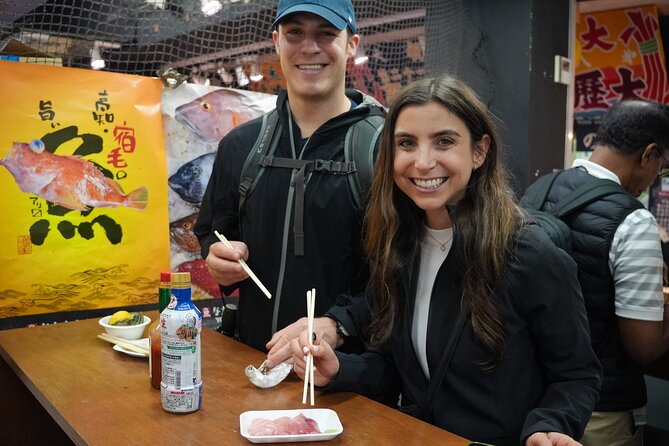
A market day on your own can go two ways: you either plan well, or you spend your energy walking in circles trying to decide what to eat. This tour is designed to avoid that second option.
A few ways the guidance helps you:
- You don’t need maps: the route is handled for you.
- You’re not waiting around: the structure keeps food moving with the flow.
- You get breaks: frequent stops keep your energy up, especially if you’re traveling with kids or anyone who gets tired faster.
I also like that the tour is built to be easy and relaxed. It’s still a walking experience, but it’s not the kind that turns into a marathon. The physical requirement is listed as moderate fitness, and since it’s a short walk with frequent stops, it’s generally workable for most people.
Sampling Expectations: What You Can Plan to Eat
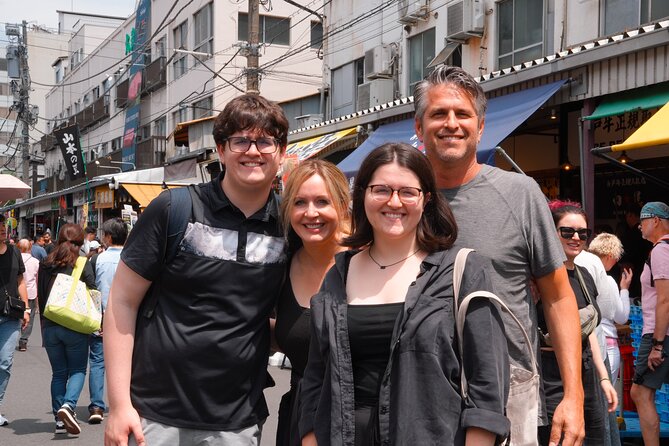
The tour highlights mention tastings including sushi, street snacks, sizzling skewers, and a range of items from savory meat bites to sweet traditional treats. While you shouldn’t assume every single item will be identical on every day, the goal is consistent: you leave with a sense of the flavors that define Tsukiji’s Outer Market.
Here’s how to think about it so you don’t over/under-order later:
- Treat it as a taste experience, not a full meal replacement
- Expect a mix of hot and cold bites since market food varies by stall type
- Build the rest of your day around the idea that you’ll already have sampled the “best-of” flavors for your walking timeframe
If you’re the type who hates not knowing what you’ll get, the best move is to go with an open mind and let the guide set the pace.
What Makes the Photo Moments Actually Useful
Markets can be brutal for photos. You need the right angle, the right moment, and the patience to wait for the scene to quiet down. This tour explicitly includes photo moments, with enough stops that you can get pictures without losing the flow of tasting.
Also, it’s not only about the food. You’ll be photographing:
- Temple architecture and atmosphere
- Market alleyways and stall colors
- The people in your group, since the tour description calls out family-friendly photo setups
If you’re traveling with kids, or if you just prefer not to constantly grab your camera while also trying to eat, this tour’s rhythm will feel more vacation-friendly.
Who This Tour Suits Best (and Who Might Skip It)
This is a strong match if you:
- Want a guided taste tour where someone else figures out the route
- Like mixing culture with food in a short window
- Prefer a small group (maximum 10) so the experience feels manageable
- Are visiting Tsukiji for the first time and want an easy way to orient
It may be less ideal if you:
- Already know Tsukiji well and plan to wander independently with your own stall list
- Hate structured stops or feel trapped by group pacing
And one more practical note: since it’s described as easy and relaxed with frequent stops, it’s generally a good choice for mixed-age groups. Just still plan for walking, since you are moving through multiple market areas.
A Quick Word on Guides Like Lax
One of the standout pieces of feedback tied to this experience is the energy of the guide. A review specifically mentions Lax, describing the tour as a highlight and giving it a 10/10. That tells me something important for your expectations: the guide approach is likely to be upbeat and human, not stiff and scripted.
Even if your guide isn’t Lax, the structure is clearly designed for comfort, laughs, and a smooth, stress-free flow.
Should You Book This Tsukiji Fish Market Food & Culture Walking Tour?
I’d book it if you want the Tsukiji experience in a bite-sized, organized format. The combination of temple context, a look at the former wholesale market legacy, and a final focus on Tsukiji Jogai Market tastings makes this more than a “just eat” stop. It’s also priced for real travelers who want value without turning the morning into a planning project.
You might skip it if you already have a strong Tsukiji plan and you’d rather browse without structure. But if you’re trying to do Tsukiji efficiently, with a small group, and with enough breaks to actually enjoy the food, this tour is a very sensible choice.
FAQ
How long is the Tsukiji Fish Market food and culture walking tour?
It lasts about 1 hour 30 minutes.
What time does the tour start?
The start time is 9:00 am.
Where do I meet the tour?
You meet at FamilyMart, 3-chōme-11-8 Tsukiji, Chuo City, Tokyo 104-0045, Japan. The tour ends back at the meeting point.
How much does the tour cost?
The price is $26.36 per person.
What will I do during the tour?
You’ll visit Tsukiji Hongwanji Temple, the Fish Market Tsukiji Outer Market area, and Tsukiji Jogai Market, with food tastings at the market stops.
Are admission tickets included?
The tour info shows admission ticket included for the listed stops.
How big is the group?
The tour has a maximum of 10 travelers.
Is this tour hard physically?
It’s listed as suitable for most travelers with a moderate physical fitness level, and it includes short walking with breaks.
What is the cancellation policy?
You can cancel for free up to 24 hours before the experience starts for a full refund.