REVIEW · TOKYO
Tokyo: Wagyu and Sushi Gastronomic Journey
Book on GetYourGuide →Operated by TriX Co. Ltd. · Bookable on GetYourGuide
Tokyo at night can taste like history. This 3-hour wagyu and sushi journey in Shinjuku pairs seriously good food with place-by-place context, from Kabukicho neon to Golden Gai’s tiny bars. You’ll learn what makes the beef special, then watch sushi chefs build bite-size perfection.
I especially love two things: the guided food explanations that make each taste feel intentional, and the way the evening mixes meals with real neighborhoods instead of just hopping between restaurants. One small caution: Kabukicho and Golden Gai are nightlife-focused and can feel loud and crowded, so it helps to be comfortable with Tokyo after dark.
In This Review
- Key Things You Should Know Before You Go
- How Wagyu and Sushi Fit Together in Shinjuku
- Kabukicho First: Neon Streets and How to Read the Night
- Golden Gai Alleys: Tiny Bars, Big Personality
- Food Stops That Actually Matter: Two Venues and Dinner
- Hanazono Shrine Calm and the Godzilla Pop-Culture Marker
- Omoide Yokocho: Comfort Food Energy in a Tiny Space
- Meeting Point Near the 3rd Burger: Don’t Overthink It
- Price and Value: What $154 Really Buys You
- Who This Tour Is Best For (And Who Should Skip It)
- Should You Book the Tokyo Wagyu and Sushi Gastronomic Journey?
- FAQ
- How long is the tour?
- Where do we meet?
- Is the tour guided in English?
- What’s the group size?
- Does the price include dinner and drinks?
- Are transportation costs included?
- Can I bring alcohol-related expectations into the plan?
- What places does the tour focus on?
- What’s the cancellation window?
Key Things You Should Know Before You Go
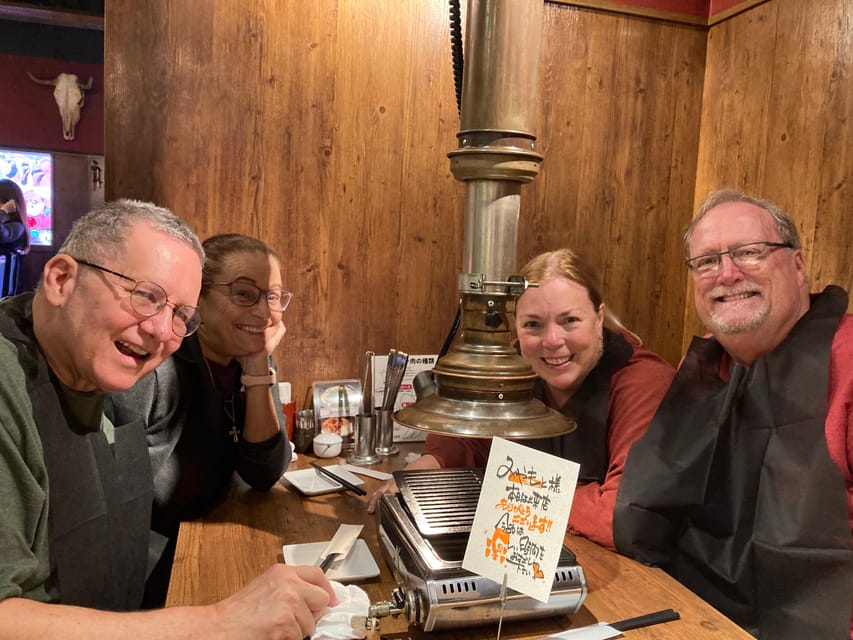
- Small group (up to 10): easier questions and more chance to talk with your English-speaking guide.
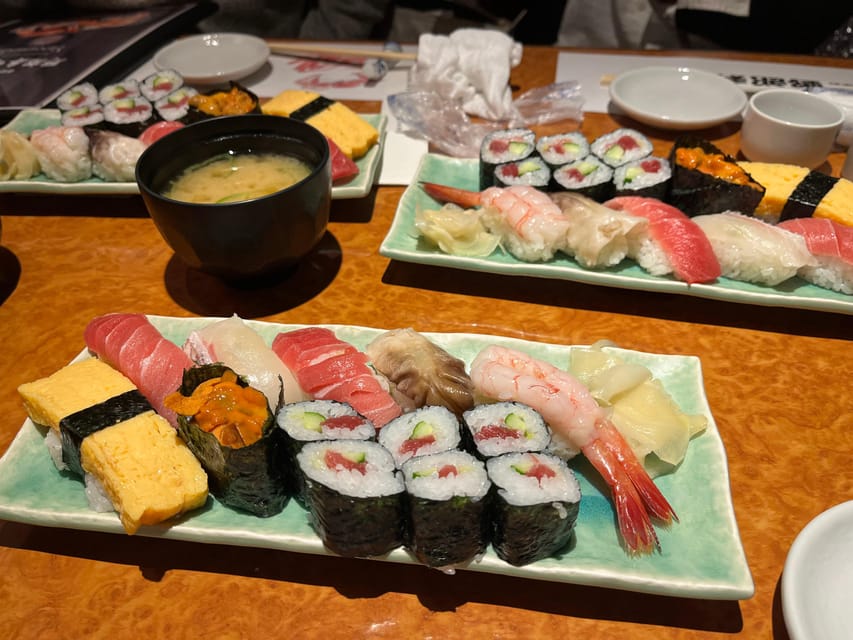
- Two food venues plus dinner: you’re paying for food time, not only walking time.
- Wagyu story + sushi technique: the tour connects what you eat to where and why it’s made.
- Nightlife stops with contrast: Golden Gai and tiny bars run alongside quieter moments like Hanazono Shrine.
- Alcohol is included for age 20+: expect drinks if you meet the requirement, not a BYOB situation.
How Wagyu and Sushi Fit Together in Shinjuku
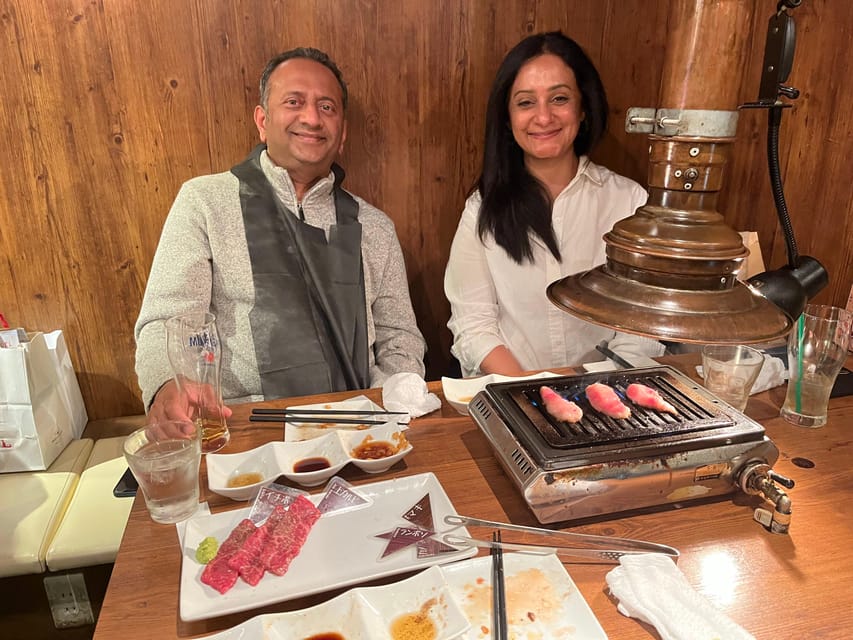
This tour works because it teaches as you eat. You start with the beef question—what makes wagyu different, where it comes from, and how regional styles influence flavor—then you move into sushi, where skill and timing matter as much as the ingredients. The result is a meal that feels like you’re learning the language of Japanese dining, not just following a checklist.
You’ll also get a “Tokyo context” layer. Shinjuku is famous for nightlife, but it’s also full of pockets with their own rules—tiny bar alleys, shrine stillness, and street energy that changes block by block. That contrast is part of the value: food tastes better when you understand the setting.
You can also read our reviews of more tours and experiences in Tokyo.



Kabukicho First: Neon Streets and How to Read the Night
Your evening begins in Shinjuku’s Kabukicho area. This is Tokyo’s entertainment district vibe: bright signs, quick foot traffic, and a lot going on. The good news is the tour keeps it practical. You’re not wandering blindly; you’re walking with a guide who can point out what you’re seeing and how it connects to food and local culture.
The typical feel here is energetic, not calm. If you prefer quiet strolling, plan for the first segment to be loud. But if you like people-watching and the buzz of nightlife, it’s a fun way to kick off a food tour.
Golden Gai Alleys: Tiny Bars, Big Personality
Next comes Shinjuku Golden Gai, a maze of narrow lanes lined with small bars. This place is known for its post-war drinking culture and for the way the bars are distinct—small rooms, strong themes, and a lot of character packed into a tight footprint. You’ll have time to walk the alleys and absorb that atmosphere instead of just passing through.
Golden Gai is also where the “friendlier” part of the night shows up. In these lanes, you’re closer to the people and the action, and that’s where questions to your guide can turn into real conversations. If you’ve ever wanted to understand Japanese nightlife without feeling lost, this is one of the best settings for it.
Food Stops That Actually Matter: Two Venues and Dinner
The tour includes dinner and visits two distinct food venues. That’s a strong setup for value at this price point because you’re not just sampling—your meal is built into the experience. You should expect expert guidance during the eating, with attention to how the ingredients and preparation affect taste.
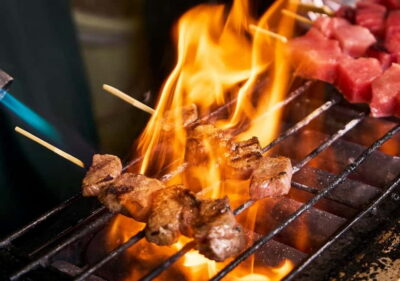
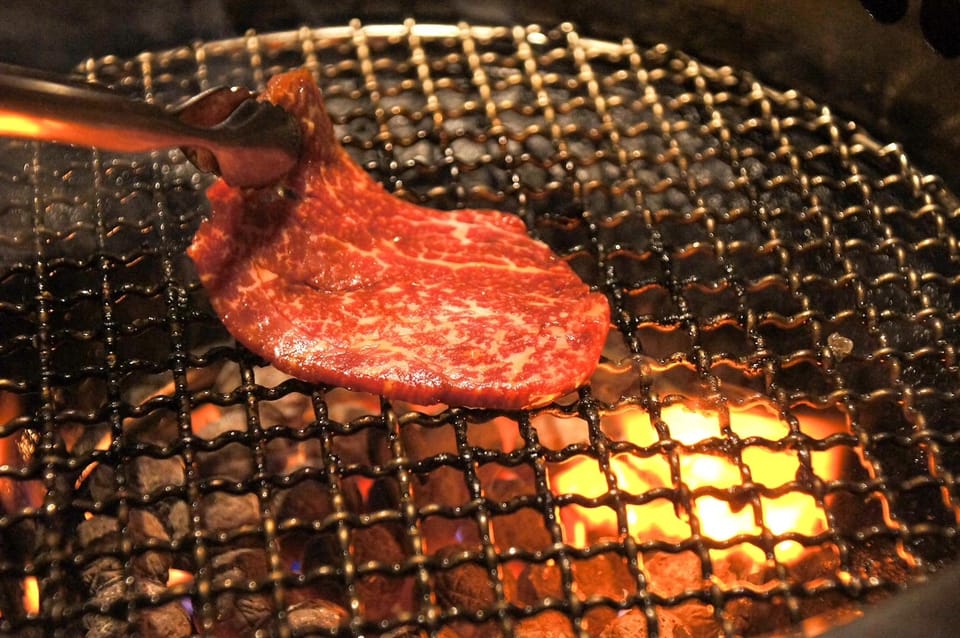
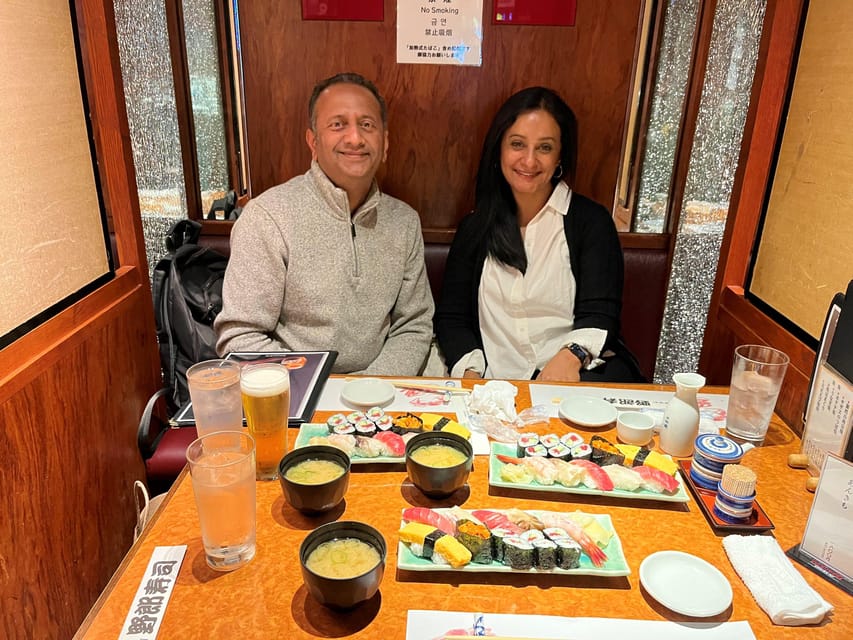
On the wagyu side, the point isn’t only the melt-and-chew factor. You’ll learn the beef’s background and what to look for when you’re tasting, so you can connect flavor to method and sourcing. On the sushi side, you’ll see a chef’s precision up close—small pieces, tight control of texture, and seasonal ingredient choices that change what’s on the menu.
If you’re a food-first traveler, I like the balance here: enough structure to guide your palate, but not so rigid that it feels like a timed cafeteria. And because it’s a small group, it’s usually easier to keep the pace comfortable.
Hanazono Shrine Calm and the Godzilla Pop-Culture Marker
One of my favorite parts of this tour is the built-in contrast. After nightlife lanes, you get a quiet detour at Hanazono Shrine, a traditional space that offers a break from the noise. You’re not just seeing a site for the photo—you’re learning how a shrine fits into everyday Tokyo life.
And then there’s the pop-culture marker: the Godzilla Head atop the Shinjuku Toho Building. It’s a quick visual stop, but it matters because Shinjuku is a layered district. You’re not only dealing with dining; you’re also witnessing how Japan’s modern identity shows up in street signage and building landmarks.





Omoide Yokocho: Comfort Food Energy in a Tiny Space
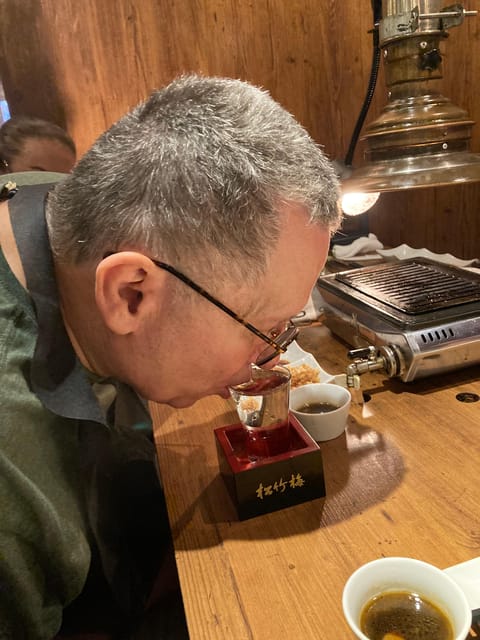
You’ll also pass through or spend time around Omoide Yokocho, the famous narrow alley associated with tiny bars and comfort food (think yakitori-style dining). This is where the “street snack” spirit makes sense. The space is small and the mood is warm, so it’s a good place to slow down and pay attention to how Japanese casual dining works—simple items, high standards, and a social feel.
If you’re picky about atmosphere, this is a good stop. It’s not polished and distant. It’s close, personal, and built for eating while you talk.
Meeting Point Near the 3rd Burger: Don’t Overthink It
You’ll meet just in front of the 3rd Burger. The listed starting address is 7-chōme-10-5 Nishishinjuku, which should help you map your approach if you’re arriving from elsewhere.
Tip: arrive a few minutes early. Night in Shinjuku moves fast, and even a short delay can make you miss the group. Once the tour starts, the pace is designed for walking and shifting between districts.
Price and Value: What $154 Really Buys You
At $154 per person for about 3 hours (often up to 3.5), this isn’t a cheap tasting menu price tag. But you’re paying for three things that add up:
- Dinner included, plus visits to two separate venues
- Alcoholic beverages included for those aged 20 and above
- A live English guide, for small-group time and food-focused context
So the question isn’t whether it’s expensive. It’s whether it replaces the hassle of finding the right spots yourself. If you want wagyu and sushi in the same evening, with neighborhoods like Golden Gai and Hanazono Shrine worked into the plan, this can be a good deal—especially if you’d otherwise spend time searching and translating menus.
If you’re the type who likes to control every stop and drink pace, you might feel more satisfaction booking food locations on your own. But if you want structure and a guide handling the “where and why,” the cost makes more sense.
Who This Tour Is Best For (And Who Should Skip It)
This tour fits best if you’re:
- A wagyu and sushi fan who wants the technique and context, not only the taste
- Someone who likes walking through real Shinjuku districts (not just staying indoors)
- Comfortable with nightlife areas and short periods in busy streets
It might be less ideal if you:
- Prefer quiet sightseeing over neon-night energy
- Don’t enjoy crowded alley spaces
- Want a highly controlled, museum-style experience
Should You Book the Tokyo Wagyu and Sushi Gastronomic Journey?
I’d book it if you want one evening that combines three wins: great food, a guide who helps you understand what you’re eating, and Shinjuku’s contrast—night bars and shrine calm in the same night. It’s also a solid pick for first-timers who don’t want to guess their way through neighborhoods like Golden Gai.
Skip it only if you’re sensitive to busy nightlife streets or you’re not interested in guided explanations. In that case, the value shifts away from you, because the whole point is the pairing of meal + place.
FAQ
How long is the tour?
The tour runs for about 3 to 3.5 hours.
Where do we meet?
Meet just in front of the 3rd Burger.
Is the tour guided in English?
Yes, the live tour guide speaks English.
What’s the group size?
It’s a small group limited to up to 10 participants.
Does the price include dinner and drinks?
Dinner is included, and alcoholic beverages are included for participants aged 20 and above. The tour also includes visits to two distinct food venues.
Are transportation costs included?
No. Transportation is not included, and it’s listed as ranging from 200 yen to 800 yen.
Can I bring alcohol-related expectations into the plan?
Only participants aged 20 and above can receive the included alcoholic beverages. If you’re under 20, you should plan around that.
What places does the tour focus on?
You’ll spend time around Kabukicho and Shinjuku Golden Gai, and the experience highlights also include Hanazono Shrine, Omoide Yokocho, and a Godzilla Head landmark stop.
What’s the cancellation window?
You can cancel up to 24 hours in advance for a full refund.