REVIEW · TOKYO
Tokyo Toyosu Tuna Auction + Breakfast (Sushi Dai or Bentomi)
Book on GetYourGuide →Operated by Yummy Guide inc. · Bookable on GetYourGuide
Bluefin tuna is serious business here. This Tokyo morning at Toyosu Market turns a market you usually glance at into a full-on viewing show, with hand signals, skilled bidding, and buyer talk that makes the whole supply chain click. I especially love the option to get very close with the ground-level deck (small group), and I love the hands-on katsuobushi shaving plus tasting lesson that goes beyond just watching fish. One thing to plan for: the “breakfast included” part is really a reservation, not an all-in meal price, and seating at Sushi Dai can be tight.
You’ll start at 5:25 AM and move fast, with a Japanese/English guide (people like Rabia and Ami are listed in feedback) helping you translate the chaos into meaning. Expect a short mini lesson on tuna hand signals (te-jirushi), a bonus miso soup cup souvenir, and a photo moment with Okami-san using your phone or camera. You’ll also get to choose your viewing style, from an open-group gallery to a limited-deck setup that can be a lot more intense.
In This Review
- Key points worth knowing before you go
- Toyosu at 5:25 AM: Gear Up for the Tuna Rush
- Two Viewing Options: Ground-Level Deck vs 3rd-Floor Gallery
- What You Learn in the Auction Hall (te-jirushi and buyer logic)
- Katsuobushi Shaving and Maguro-bushi Tasting: A Real Skills Moment
- Bonito-to-Breakfast: Bentomi vs Sushi Dai Reservations
- The Market Stops That Make It Feel Like Tokyo, Not a Photo Tour
- Price and Value: Is $141 Reasonable for a 5:25 AM Tour?
- Who Should Book This Toyosu Tuna Auction Tour
- Should You Book This Morning Tuna Experience?
- FAQ
- What time does the tour start?
- Where is the meeting point?
- Is breakfast included in the price?
- What are the viewing options for the tuna auction?
- What is included besides the tuna auction?
- What should I bring?
Key points worth knowing before you go
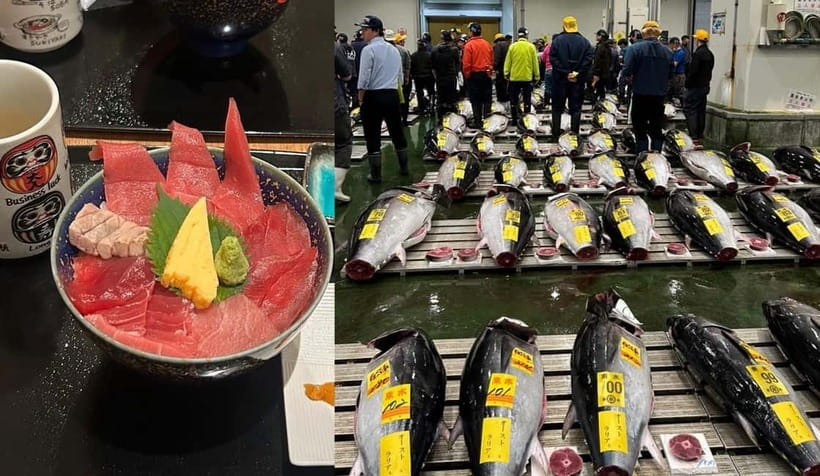
- Pick your proximity: ground-level deck is limited (max 4), while the 3rd-floor gallery is easier for first-timers.
- Auction viewing is guided: you get help decoding te-jirushi hand signals and what buyers are doing.
- Hands-on flavor beats passive watching: katsuobushi shaving plus a comparison tasting with maguro-bushi.
- Breakfast is premium, but not all-in priced: you get reservations at Sushi Dai or Bentomi; meal fees are separate.
- The tour is built for logistics watchers: you’ll see how inspection, grading, and market flow shape what hits sushi counters.
- Early start is part of the deal: the whole experience begins at 5:25 AM, so quick and punctual arrival matters.
Toyosu at 5:25 AM: Gear Up for the Tuna Rush
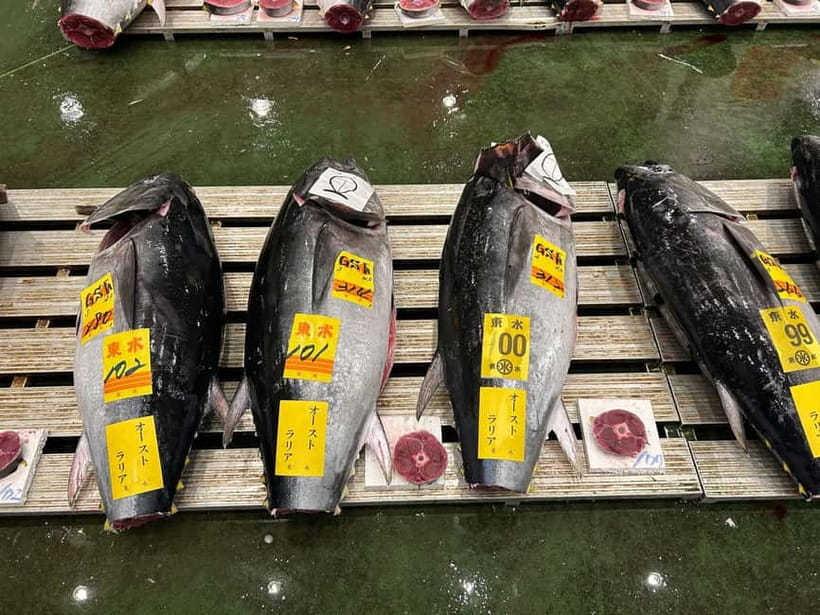
Tokyo’s Toyosu market doesn’t wake up slowly. It fires on schedule. Your tour starts early, at 5:25 AM, and you’ll meet at PR Square inside Toyosu Market, so plan to be there before you’re rushed into the morning flow.
Wear comfortable shoes. The market can mean standing and walking on uneven surfaces. Bring a camera, and keep your clothes comfortable enough for cool early air that often hits Japan’s mornings.
If you’re tempted to treat this like a casual breakfast outing, don’t. This is an early-morning, market-operations look at how tuna moves from inspection to bidding to sale. That’s why the guided part matters.
You can also read our reviews of more tours and experiences in Tokyo.



Two Viewing Options: Ground-Level Deck vs 3rd-Floor Gallery
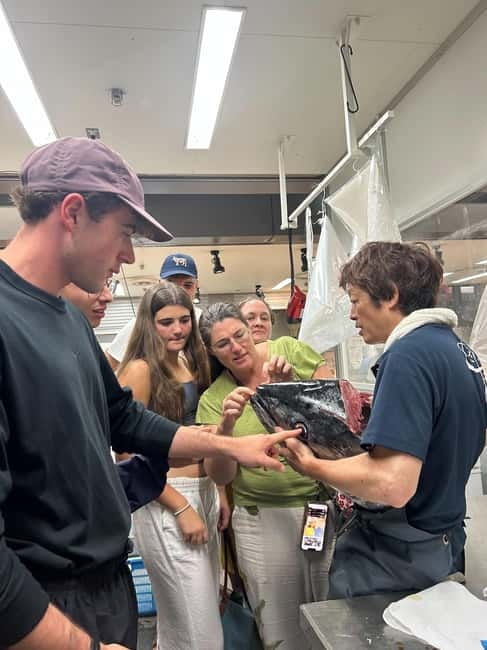
You get two different ways to watch the action. The difference isn’t subtle. It changes the whole feel of the auction.
Exclusive: Ground-Level Deck (max 4 guests)
If you choose the ground-level deck, you’ll be on a lower-floor observation deck located just meters from the bidding action. This is where you can feel how real-time the auction is: buyers inspecting, calling, signaling, and moving quickly as high-value fish gets attention. Feedback also points to the possibility of seeing especially coveted fresh tuna, depending on the day.
To secure this option, you’re advised to contact about two months in advance (Instagram is mentioned). If you want the closest experience, treat this like a limited seat, not a flexible add-on.
Standard: 3rd-Floor Gallery (open group)
The 3rd-floor gallery gives you a bird’s-eye view of the auction hall. It’s more comfortable and accessible for many first-time visitors, and you can still follow the rhythm of the room because your guide explains what’s happening and why.
If you’re worried about standing too long or want a bigger-picture view, this is the safer choice.
What You Learn in the Auction Hall (te-jirushi and buyer logic)
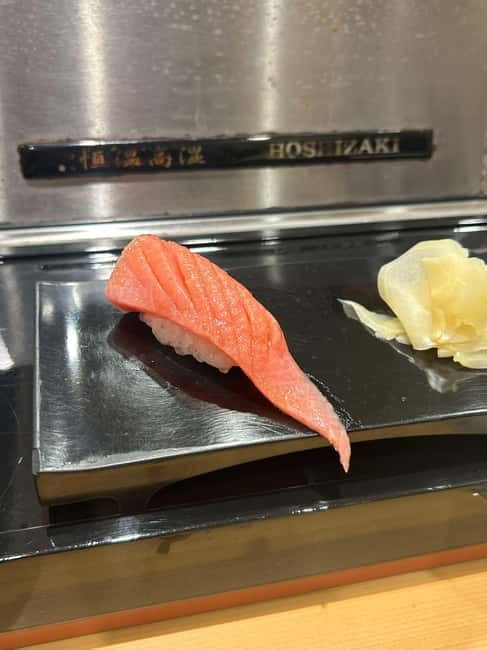
The tuna auction is loud, fast, and heavy on body language. That’s exactly why this tour includes guidance, not just a place to stand. You’ll get a tuna hand-signal mini lesson (te-jirushi), so the hand motions aren’t just random choreography.
What I like about this setup for you is the way it turns mystery into pattern. With a guide, you start noticing how buyers move through inspection and grading, and how bidding becomes a decision-making process rather than a spectacle.
Also, the included access isn’t only about watching from afar. You may be granted access to the auction floor area depending on your plan, and that adds context for how inspection and preparation connect to what ends up in sushi counters later that day.
A practical note: if you’re aiming for maximum focus, keep your phone away during the most active bidding bursts. Listen first, then take photos when the pace eases.
Katsuobushi Shaving and Maguro-bushi Tasting: A Real Skills Moment
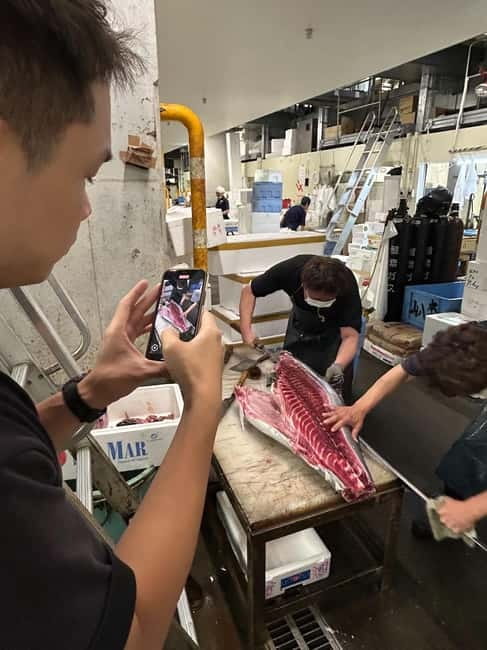
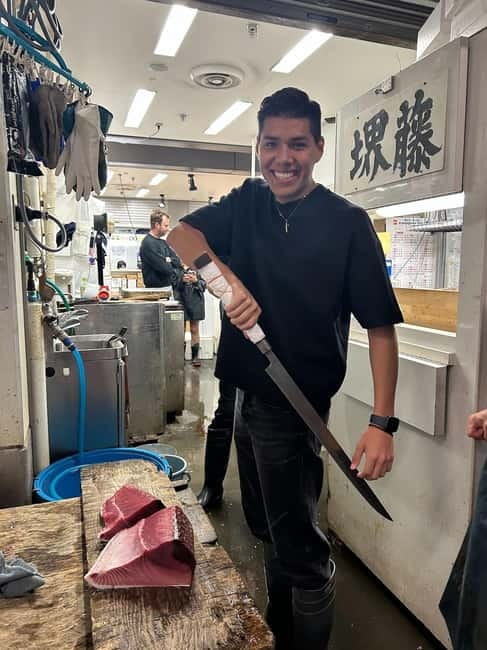
This tour includes a hands-on stop that food lovers tend to remember more than the auction itself: katsuobushi shaving.
You’ll try shaving real katsuobushi, one of the foundations of Japanese cuisine. Then you compare flavor with a deeper, rarer maguro-bushi tasting that’s available only on this program. It’s a clever way to connect the market’s products to what you actually taste later, not just what you see on a screen.
This part matters because it gives your brain something to hold onto. When the auction is over, it can feel like you watched a machine. The shaving lesson slows you down and gives you a sensory anchor: smoke, umami, richness, and that distinct difference between bonito-based depth and tuna-focused character.
You also get a katsuobushi shaving tasting comparison, plus a small souvenir element: a special miso soup cup is listed as included. Even if you’re not a “food lab” type, it’s a memorable break from the early-morning rush.
Bonito-to-Breakfast: Bentomi vs Sushi Dai Reservations
After the high-energy auction viewing, you head into breakfast mode. You get a choice between two premium options inside Toyosu:
Bentomi
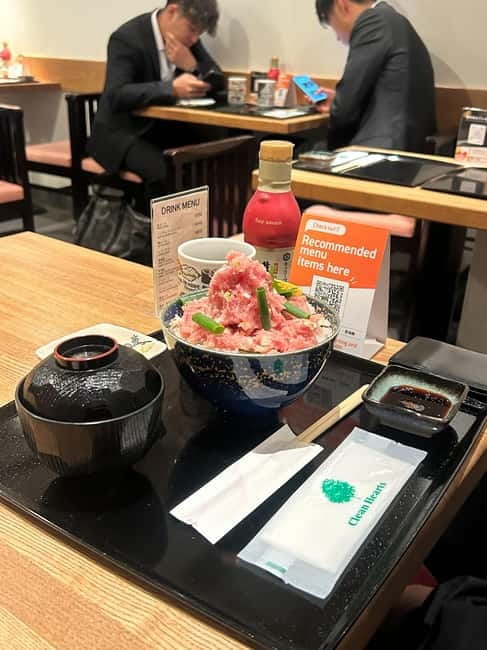
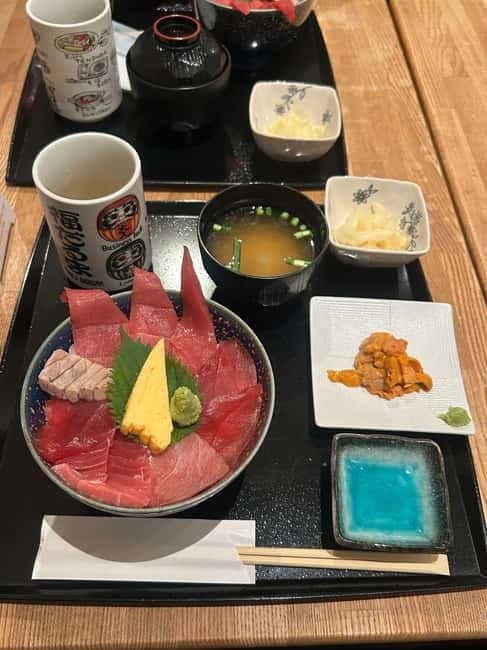
Bentomi is a long-time favorite among seafood professionals. The morning meal centers on ultra-fresh tuna bowls (kaisendon) and dishes made with ingredients sourced from that day’s market flow. If you want direct, simple payoff from what you just watched, Bentomi fits that mindset.
Sushi Dai
Sushi Dai is one of Tokyo’s celebrated counters and is listed as featured in the Michelin Guide. Breakfast here is a refined omakase-style experience using the best seasonal fish.
Important planning reality: the reservation is included, but the meal fee is not. Seating is also described as extremely limited and tied to select tour plans. The tour does the heavy lifting of the reservation; you handle the actual dining cost on-site.
So when people ask whether breakfast is truly included, the honest answer is: you’re guaranteed a spot at a top place, but you should budget separately for what you order (and move fast once you sit down).




The Market Stops That Make It Feel Like Tokyo, Not a Photo Tour
This experience is more than auction viewing plus a meal. It’s built around the broader ecosystem of Toyosu: the tools, suppliers, and everyday details that support the seafood business.
You’re also guided through market time with explanations geared to how fish becomes saleable product. Even if you only catch glimpses of equipment or storage setups, you’ll start seeing why the auction is only one link in a long chain.
Feedback highlights extra moments like exploring market areas connected to ceramics and restaurant equipment. You’re not just looking at fish; you’re picking up the idea that sushi quality is supported by serious infrastructure: knives, tools, storage processes, and sellers who know what chefs need.
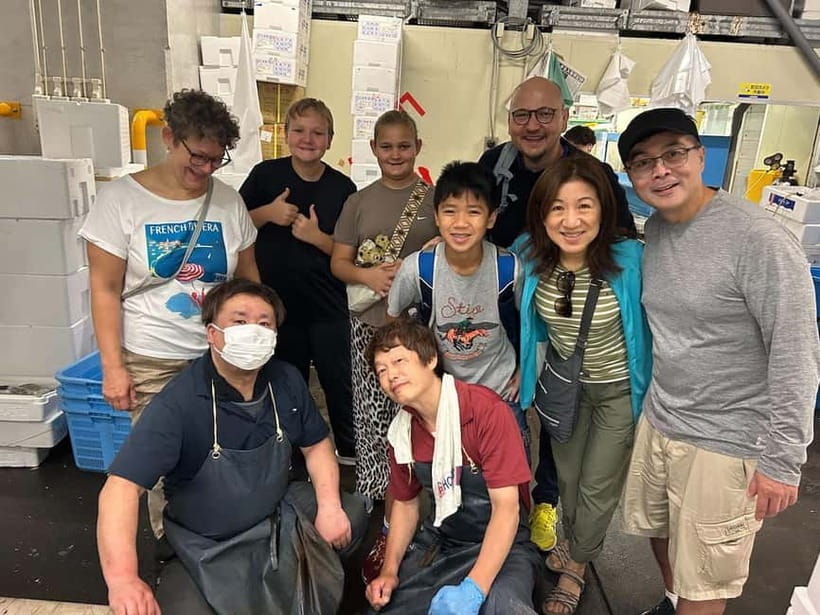
Also, there’s a photo shooting with Okami-san using your phone or camera. That small included moment saves you from the common problem of “great tour, no proof you were there.”
Price and Value: Is $141 Reasonable for a 5:25 AM Tour?
At $141 per person, this isn’t a budget activity. But it also isn’t paying for a trendy breakfast and an Instagram stop.
You’re paying for:
- guided tuna auction observation with real-world context
- access that can include a deck or auction-related areas
- a te-jirushi mini lesson
- the included bonito/katsuobushi shaving experience and tasting comparison with maguro-bushi
- miso soup cup souvenir
- a breakfast reservation at Sushi Dai or Bentomi (meal fees separate)
For value, the key question is what you want most: the closest possible auction proximity, or the full-food experience. If you choose the ground-level deck option, the small-group feel (max 4) raises the value because you’re not competing for space with a crowd.
If you pick the standard gallery option, you trade closeness for comfort and still get the guided decoding and hands-on food element. Either way, the tour’s strongest value is the combination: auction + skill-based tasting + premium reservation.
Who Should Book This Toyosu Tuna Auction Tour
This tour is a great match if:
- you’re an early riser (or willing to become one for one morning)
- you care about how Japan’s seafood industry actually works
- you enjoy hands-on food learning, not only sightseeing
- you want a premium breakfast reservation without hunting down queues
It may not be a good fit if:
- you’re a wheelchair user (described as not suitable)
- you’re vegetarian (described as not suitable)
- you expect an all-in “breakfast meal included” price with no extra cost (meal fees are excluded)
Also, this is not the tour for travelers who get stressed by schedules. The tour starts at 5:25 AM, and you need to arrive on time, especially if you’re joining the VIP-style plan where earlier arrival before public transport is mentioned. If you hate morning logistics, build in extra time and consider taxi-on your own.
Should You Book This Morning Tuna Experience?
If your travel style is food-first and you like understanding what’s behind a meal, I’d book it. The experience has two major strengths that most market tours don’t combine: guided auction context and a real skill practice with katsuobushi shaving plus maguro-bushi tasting.
Pick the ground-level deck if you want intensity and close action, and book in advance because spots are limited. Pick the 3rd-floor gallery if you want a less cramped view but still want your guide to explain the auction rhythm and buyer behavior.
One final decision tip: budget for the breakfast meal fees separately. If you plan for that upfront, you’ll avoid the common “wait, this part costs extra” disappointment and get exactly what the tour is aiming to deliver: a genuine, well-fed look at Tokyo’s seafood engine before the city fully wakes up.
FAQ
What time does the tour start?
The tour starts at 5:25 AM.
Where is the meeting point?
The meeting point is PR Square inside Toyosu Market. The exact meeting point may vary depending on the option booked.
Is breakfast included in the price?
You receive a reservation for Sushi Dai or Bentomi, but the meal fee is excluded.
What are the viewing options for the tuna auction?
You can choose either Ground-Level Deck access (exclusive, max 4 guests) or the 3rd-Floor Gallery (open group) for a panoramic view.
What is included besides the tuna auction?
Included items are a te-jirushi hand-signal mini lesson, a bonitoflake/katsuobushi slicing (shaving) experience with tasting comparison including maguro-bushi, a miso soup cup souvenir, and a photo shooting moment with Okami-san using your phone or camera.
What should I bring?
Bring comfortable shoes, a camera, comfortable clothes, and cash.