REVIEW · TOKYO
Tokyo: Shinjuku Night Walking Tour with Secret Alley
Book on GetYourGuide →Operated by Traveling Tokyo · Bookable on GetYourGuide
Neon meets silence in Shinjuku. This 90-minute night walking tour threads together Tokyo’s biggest entertainment streets with a small Shinto shrine that most people walk right past. I like the way the guide frames what you’re seeing, turning a simple stroll into stories about how Shinjuku changed over time.
I also like the tight route: Kabukicho, Omoide Yokocho, and Golden Gai in one evening, plus a stop at Hanazono Shrine tucked between crowds and skyscrapers. One drawback to consider: it’s a night walk, so if you dislike nightlife areas or long stretches on foot, you might find the atmosphere a bit intense for your comfort.
In This Review
- Key Highlights You’ll Feel on the Walk
- How This 90-Minute Shinjuku Night Walk Flows
- Kabukicho After Dark: Neon, Izakaya Streets, and Real Backstory
- Kabukicho Tower: A Modern Landmark Between Older Streets
- Omoide Yokocho Memory Lane: Yakitori Alleys and Showa-Era Feeling
- Hanazono Shrine: The Peaceful Reset Most People Miss
- Golden Gai Finale: Tiny Themed Bars and Stories You Can’t Google
- Price and Value: Does $32 Make Sense for 90 Minutes?
- What to Expect from the English Guide (and Why It Matters)
- Who This Tour Suits Best (and Who Might Skip)
- Should You Book This Shinjuku Secret Alley Night Walk?
- FAQ
- How long is the Shinjuku night walking tour?
- Where is the meeting point for the tour?
- Is the tour guided in English?
- Which areas does the tour visit?
- How much does the tour cost?
- Can I cancel for a full refund?
- Is it possible to book without paying right away?
Key Highlights You’ll Feel on the Walk
- Insider guide stories that explain how Kabukicho evolved into an entertainment hub
- Kabukicho Tower passed en route, a modern contrast to the older alley life
- Omoide Yokocho Memory Lane for retro bars and tiny yakitori spots
- Hanazono Shrine stop for a quiet Shinto pause between skyscrapers
- Golden Gai finish with its small, themed bar streets
- English live guide with time for questions during the walk
How This 90-Minute Shinjuku Night Walk Flows
This tour is built for an easy, efficient evening: meet near Shinjuku Station at happy lemon, then walk through several of the district’s most recognizable zones in about 1.5 hours. The format is simple. You move as a group, your guide points out what matters, and you get context so you don’t just see neon—you understand what you’re looking at.
The best part is pacing. You start in Kabukicho, where the lights and energy set the tone. Then you slip into smaller, older-feeling streets like Omoide Yokocho, which changes the rhythm. Finally, you end in Golden Gai, a compact bar neighborhood that’s famous for being tiny and personal. That arc—big nightlife to quiet shrine to small bars—feels like the real Shinjuku story.
One practical tip: since it’s a walking tour at night, wear shoes you can walk in comfortably. Also, keep your phone charged, because Shinjuku is one of those places where you’ll want photos even when the guide says, not yet.
You can also read our reviews of more walking tours in Tokyo


Kabukicho After Dark: Neon, Izakaya Streets, and Real Backstory
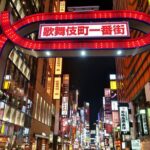
You begin in Kabukicho, Japan’s best-known red-light district. It’s loud, visual, and packed with neon signs, themed restaurants, and izakayas. But the tour doesn’t treat it like a one-note party zone. Your guide shares the behind-the-scenes side of how this area developed, including the way it grew from post-war black markets into today’s entertainment center.
What I like about starting here is that it gives you a baseline. When your guide explains the area’s history, you start noticing details you might have missed on your own: the way themed businesses signal identity, and how the street energy supports the whole district’s character.
This is also where guide personality matters. In past tours, guides like Haydn have been praised for knowing Shinjuku’s nightlife side well, including the sidestreets and the smaller places that don’t come up in surface-level itineraries. I’d expect the same here: you’re not just passing famous blocks; you’re getting the reasons behind them.
Kabukicho Tower: A Modern Landmark Between Older Streets
After you’ve absorbed Kabukicho’s atmosphere, you’ll pass Kabukicho Tower, described as one of Shinjuku’s newer landmarks. Even though you’re not stopping for a long visit, it’s a useful contrast point. The tour uses it like a visual time jump: here’s the newer, layered side of Shinjuku, where entertainment blends with a modern complex.
This stop works well because it helps you notice the city’s push-pull. In one direction you have alley life, smaller venues, and older patterns. In the other, you have new buildings that pull nightlife into a more centralized, “all-in-one” format. Shinjuku has always been good at holding both.
If you’re the type who likes context while walking, this is a good moment to slow down for a photo and look around. The tower passage isn’t meant to be a full sightseeing detour—it’s there to keep your mental map sharp as you transition to Omoide Yokocho.
Omoide Yokocho Memory Lane: Yakitori Alleys and Showa-Era Feeling
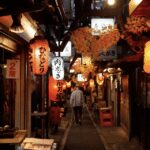
Next comes Omoide Yokocho, also called Memory Lane. This is where Shinjuku gets smaller fast. The streets narrow. The mood shifts. The area is known for tiny yakitori shops and retro bars that echo the Showa era, and the tour leans into that contrast with the Kabukicho start.
I love how Omoide Yokocho changes the soundscape. Instead of big street noise and neon walls, you’re in a lane of small doors and lantern-lit corners where the energy feels more local and more human-scale. Even if you don’t stop for a drink or skewer, the atmosphere does the teaching.
This section is also a reminder of why a guided night walk can beat self-guided wandering. Without context, it’s easy to treat places like Omoide Yokocho as just “cool alleys.” With a guide, you start understanding why these lanes are remembered and why they still matter in the modern city.
As you move through, keep an eye out for the way the alley layout creates pockets. That layout shapes where people gather, how bars feel connected, and why the whole area stays intimate.
Hanazono Shrine: The Peaceful Reset Most People Miss
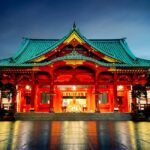
Then you hit the tour’s standout tonal change: a visit to Hanazono Shrine. This is the quiet Shinto pause described as often missed by tourists, tucked between the hustle of Kabukicho and the skyscrapers beyond.
This stop is a big deal because it reframes the evening. Shinjuku can feel like nonstop entertainment, but a shrine stop reminds you the city isn’t just nightlife—it’s also routines, belief, and space for reflection. That contrast is exactly what makes this tour feel different from the usual “walk and photograph neon” experience.
If you want a reason to book beyond the districts, this is it. You’ll get a moment where the guide’s stories shift from street-level entertainment to spirituality and history in a small space. You also learn how to spot the kind of location you might skip without help—sandwiched between bigger things, yet clearly its own world.
In one German review, Karen was praised for answering questions and sharing an incredible number of small details about Shinjuku. That kind of guiding matters most at a shrine stop, because the details are the whole point.
You can also read our reviews of more evening experiences in Tokyo


Golden Gai Finale: Tiny Themed Bars and Stories You Can’t Google
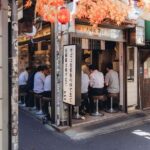
You finish in Golden Gai, one of Shinjuku’s most famous nightlife areas, known for its very small, themed bars. It’s famous for feeling like a collection of micro-neighborhoods rather than one unified party strip. Each bar tells its own story, and the tour ends there on purpose: by this point, you’ve already learned how Shinjuku can be modern, old, chaotic, and calm.
This is also where guide recommendations become practical. In a past tour, Yota was singled out for showing the best spots to have a drink in Shinjuku. That kind of guidance is useful because Golden Gai can look like a wall of doors to a visitor who doesn’t know what to look for.
If you’re hoping to keep the night going after the tour, Golden Gai is a smart place to land. You’ll already understand what you’re seeing: tiny bars, themed interiors, and the mix of people who come through. And if you don’t plan to drink, it still works as a last visual chapter—small spaces, strong character, and a sense of place.
Price and Value: Does $32 Make Sense for 90 Minutes?
At $32 per person for 90 minutes, the value comes from the mix: multiple districts plus a shrine stop, all explained by a live English guide. You’re paying for organization and interpretation. Without a guide, you could walk the same area on your own—but you’d likely miss the story thread that connects Kabukicho’s evolution to why Omoide Yokocho feels like a time capsule, then how Hanazono Shrine creates a reset in the middle of nightlife.
Also, the tour hits several headline neighborhoods in one run. That matters if you’re short on time in Tokyo. Many visitors spend half an evening in just one area and then move on. This tour helps you compare the parts of Shinjuku side-by-side in the same night.
One caution on expectations: the description doesn’t promise a long sit-down meal experience, and the stops are mostly about walking and atmosphere. So think of this as a night storytelling walk first, with plenty of opportunities to pop into places on your own if you want.
What to Expect from the English Guide (and Why It Matters)
This tour is a live, English-language experience, and the guidance is a big part of the appeal. In reviews, guides are repeatedly praised for answering questions and sharing small details about places that most people skip or don’t understand. Names that come up include Ryota, Nao, Haydn, Karen, and Yota.
That’s a good sign. It suggests the guide role isn’t just pointing the way. It’s about giving you context you can carry with you while you’re still in the street. When you hear how Kabukicho evolved, you don’t just see neon—you see how that neon became part of Tokyo’s modern entertainment machinery. When you visit Hanazono Shrine, you don’t just see a shrine in an odd location—you understand why that location feels important.
If you like asking questions, this kind of tour tends to reward curiosity. And if you’re not sure what to ask, the guide will usually give enough background that you can latch onto one or two details and follow along.
Who This Tour Suits Best (and Who Might Skip)
This tour fits best if you want Tokyo nightlife with context, not just nightlife as a theme. You’ll probably enjoy it if you:
- Want to see Kabukicho, Omoide Yokocho, and Golden Gai in one evening
- Like walking city districts and learning the reasons behind their reputation
- Want a break from the nonstop pace with Hanazono Shrine
It may be less ideal if you’re uncomfortable with red-light district energy. Kabukicho sets the tone. Even if the tour explains it with stories, the area’s atmosphere is still intense, bright, and very nightlife-oriented.
It’s also worth knowing that the tour is only 90 minutes, so it won’t replace a longer food-focused night plan or a bar-hopping evening that lasts for hours.
Should You Book This Shinjuku Secret Alley Night Walk?
I’d book it if you want a compact, high-impact way to understand Shinjuku’s contrasts. The route makes sense: start where the energy is loud, transition to lanes that feel older, pause at Hanazono Shrine for quiet, then end in Golden Gai where tiny bars let you stretch the evening.
You might skip it if you already have a very clear self-guided plan and you don’t care about explanations. Also, if nightlife crowds make you tense, start with a calmer district first and save this one for a night when you feel flexible.
Bottom line: for $32 and 1.5 hours, you’re getting more than a route. You’re getting the story thread that makes Shinjuku feel like more than a collection of famous streets.
FAQ
How long is the Shinjuku night walking tour?
The tour lasts 90 minutes.
Where is the meeting point for the tour?
You meet in front of happy lemon, close to Shinjuku station.
Is the tour guided in English?
Yes. It’s a live tour guide in English.
Which areas does the tour visit?
It explores Kabukicho, passes Kabukicho Tower, visits Omoide Yokocho, includes Hanazono Shrine, and ends in Golden Gai.
How much does the tour cost?
The price is $32 per person.
Can I cancel for a full refund?
Yes. Free cancellation is available up to 24 hours in advance for a full refund.
Is it possible to book without paying right away?
Yes. The option is Reserve now & pay later, meaning you can reserve and pay nothing today.