REVIEW · TOKYO
Tokyo: Scalp Care Treatment at a Head Spa
Book on GetYourGuide →Operated by CARINA GINZA · Bookable on GetYourGuide
Your scalp gets treated like skin. In Tokyo, this two-hour head spa uses water jet peeling and a microscopic scalp diagnosis so you can actually see what changes. The only catch: timing matters, because the building entrance uses automatic locks and you’ll want to arrive right on schedule.
I also love the careful, technical massage. You’ll get a relaxing reset in a private space, and the moisturizing scalp pack uses sake ingredients to help your hair feel better afterward. As a consideration, this is not a “one-size-fits-all” service, so you’ll want to check the skin and medical restrictions before you book.
In This Review
- Key Things That Make This Scalp Treatment Worth Your Time
- Microscopic Scalp Diagnosis: You Start With What’s Going On
- Water Jet Peeling: The Moment You Notice the Difference
- The Carefully Technical Head Massage That Actually Works
- The Sake-Ingredient Scalp Pack: Hydration With a Japanese Twist
- A Private, Calm Reset for After-Travel Tiredness
- Price and Value: Is $167 Worth It?
- Who Should Book (and Who Should Skip)
- Before You Go: Timing, Access, and What to Bring
- Should You Book CARINA GINZA’s Tokyo Scalp Care?
- FAQ
- How long is the Tokyo scalp care treatment?
- What’s included in the experience?
- Is the microscopic scalp diagnosis automatic?
- Where is the meeting point and how do I enter the building?
- Is hotel pickup or drop-off included?
- What is the cancellation policy and can I pay later?
- Who is this not suitable for?
Key Things That Make This Scalp Treatment Worth Your Time
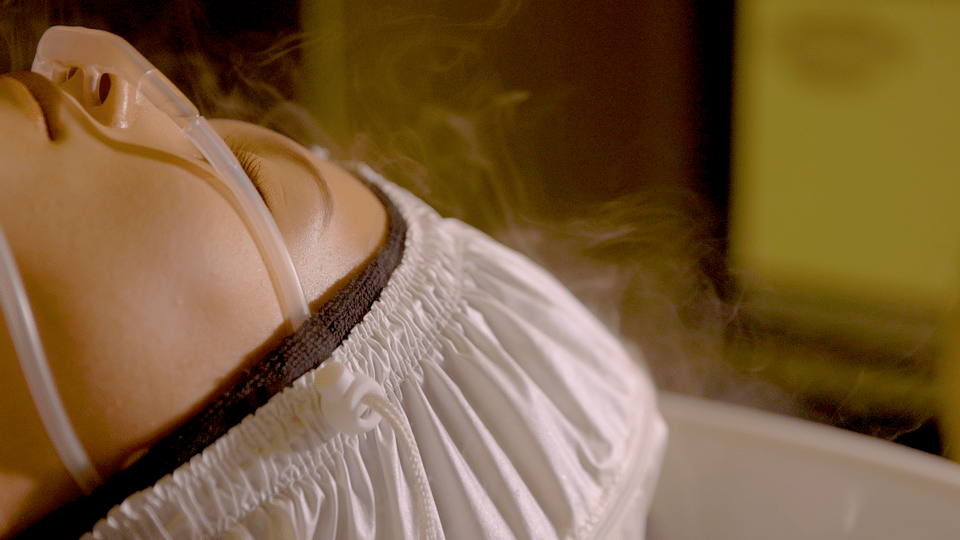
- Water jet peeling you can visibly notice: the scalp transformation happens during the session, not after you’ve gone home
- Microscopic scalp diagnosis (on request): you can observe changes before and after care
- Sake-ingredient moisturizing pack: hydration-focused scalp care built into the treatment
- Technical massage with careful pressure: soothing without feeling vague or rushed
- Small group limited to 1 participant: more personal, calmer experience
- English and Japanese support: you can ask questions directly when you need clarity
Microscopic Scalp Diagnosis: You Start With What’s Going On
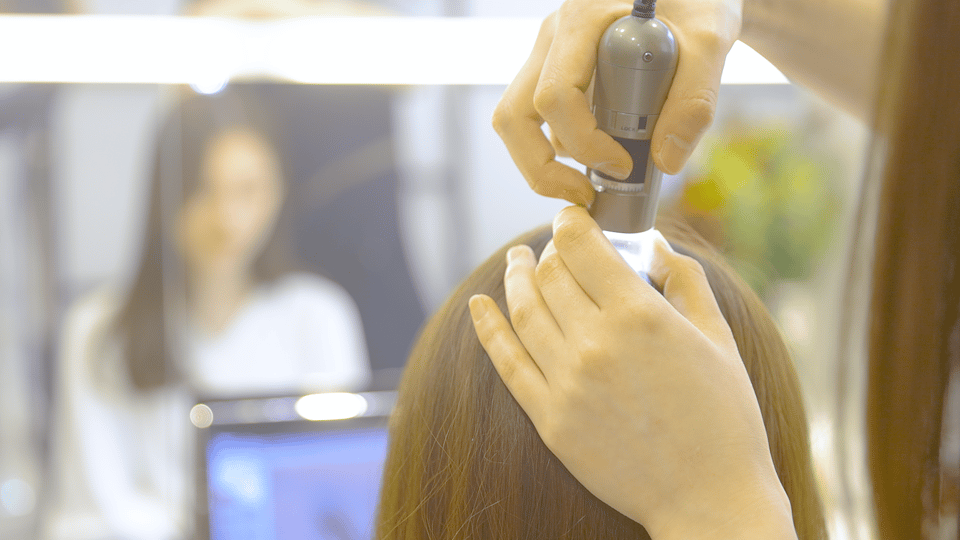
This experience starts from a simple idea: healthy hair is easier to grow, maintain, and style when your scalp is healthy. Instead of guessing, the spa includes a microscopic scalp diagnosis that you can request. If you choose it, you get to look at what’s happening, then compare it with the scalp after treatment.
That “before and after” part matters more than it sounds. Many beauty treatments focus on results you can’t verify. Here, you get a way to understand the changes, so your next steps at home feel less random and more targeted.
The team also keeps the tone practical. Your therapist is available for casual broadlining, which usually means you can ask questions and get advice without pressure. Therapists you might meet include Saaya, Mieko, and Maiko, and the service is set up for English and Japanese support.
One small logistics note that affects your comfort: the building has automatic locks. You’ll call by pressing 8 and hitting the green bell button at the entrance, so make sure you’re ready when you arrive. Also, plan to be punctual. The spa manages appointments tightly, and running late can throw off your session flow.
You can also read our reviews of more tours and experiences in Tokyo

Water Jet Peeling: The Moment You Notice the Difference
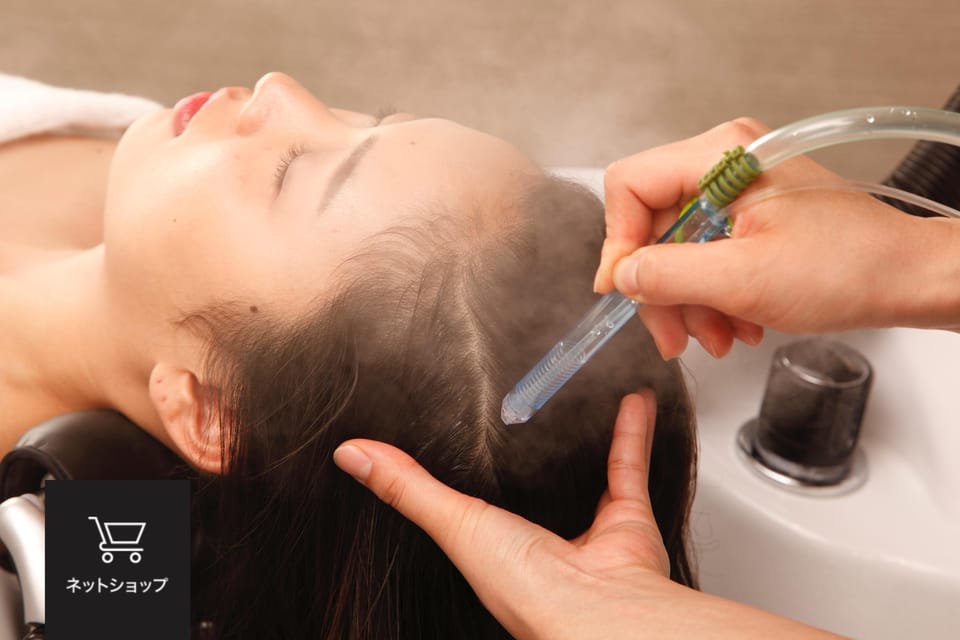
Then comes the signature step: water jet peeling. The highlight here isn’t just that it’s “gentle” or “modern.” It’s that you’ll likely be surprised by the visible change in your scalp after this stage.
Water jet peeling is basically a controlled process that helps loosen and remove buildup while keeping the scalp experience comfortable. If your scalp feels dull, itchy, tight, or just not quite “clean,” this step gives you a fresh baseline. And because the spa pairs peeling with the diagnostic approach, you’re not working blind.
For you, the value is twofold. First, you get a cleaner scalp surface that can help later products absorb better. Second, it gives your hair a chance to feel lighter and less weighed down. If you’ve ever felt like your scalp never fully resets after washing, this is the kind of session that directly targets that problem.
Just keep your expectations realistic. This is care for stressed scalps and hair concerns like thinning, volume loss, and texture changes—but it’s still a spa treatment. You won’t instantly rewrite genetics in one visit. What you can expect is a noticeable improvement in how your scalp feels and how your hair behaves afterward.
The Carefully Technical Head Massage That Actually Works
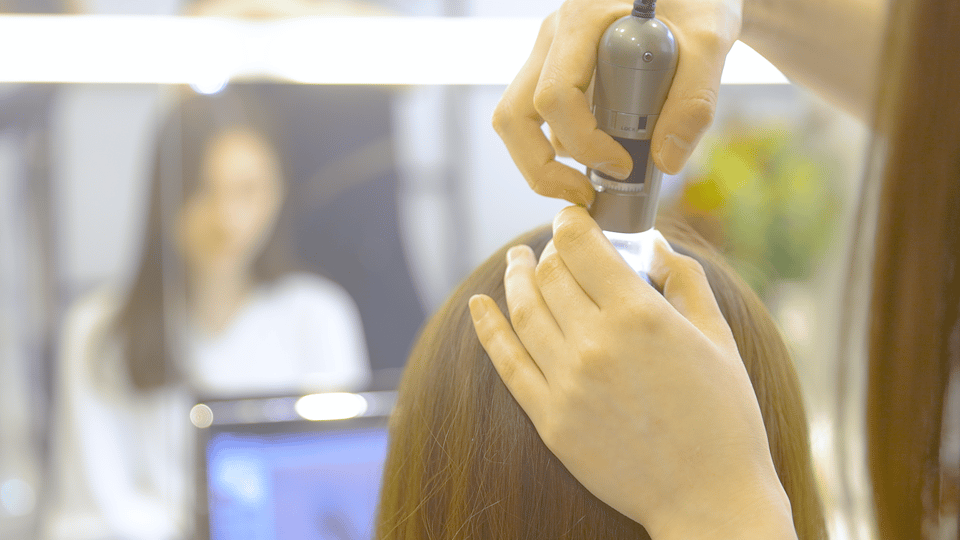
After peeling, the session moves into careful, technical massage. This is where the experience often goes from “beauty service” to genuine relaxation.
The key detail is pressure control. In a good scalp massage, you don’t want brute force or vague rubbing. You want steady work on specific areas so the tension releases gradually. Some therapists, like Saaya, are praised for being delicate and using the right amount of pressure. Mieko also gets credit for keeping the experience smooth and conversational, even when language tools like Google Translate are needed.
In practice, that means you should feel guided rather than handled. The massage is built to help stressed scalps feel calmer, and it also supports the goal of restoring elasticity and volume over time. If you’ve been traveling, staring at screens, or clenching your jaw and neck, scalp work can feel like a shortcut to “resetting” your head and neck tension.
A practical tip: treat the massage like a quiet appointment, not a conversation marathon. You can chat if you want, especially in English or Japanese, but you’ll likely get more benefit if you let your body slow down. The spa’s rules reflect that mindset, including a no-noise approach and no selfie sticks.
The Sake-Ingredient Scalp Pack: Hydration With a Japanese Twist
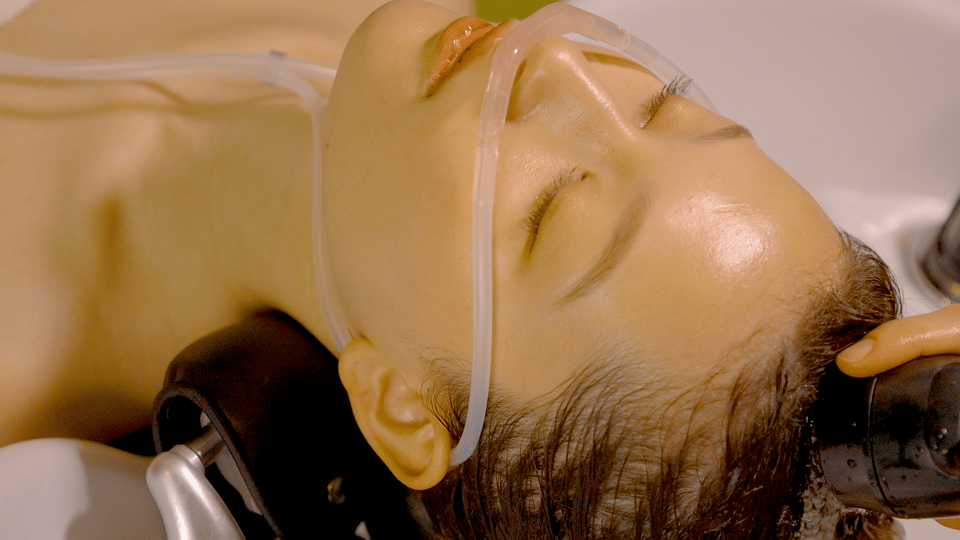
Next is the moisturizing scalp pack, and yes, it includes sake ingredients. The point of this step is straightforward: scalp skin needs hydration, and dehydrated scalps often show up as dullness, rough texture, and a lack of that fresh, springy feeling in hair.
The pack step is also what makes the whole session feel complete. Cleansing alone can sometimes leave your scalp feeling tight. A moisturizing pack is a way to balance the process, so you leave feeling comfortable rather than overly stripped.
Sake is an ingredient Japan is known for, but in this case it’s used for the functional goal: moisture and comfort. After the pack, the scalp typically feels softer, and hair often feels easier to manage. It’s not magic, but it’s a smart way to support the “scalp first” theme.
If you’re serious about your hair routine, this is the part that can help your at-home efforts. When your scalp feels hydrated and calm, your styling products tend to behave better, and your hair may feel more responsive.
A Private, Calm Reset for After-Travel Tiredness
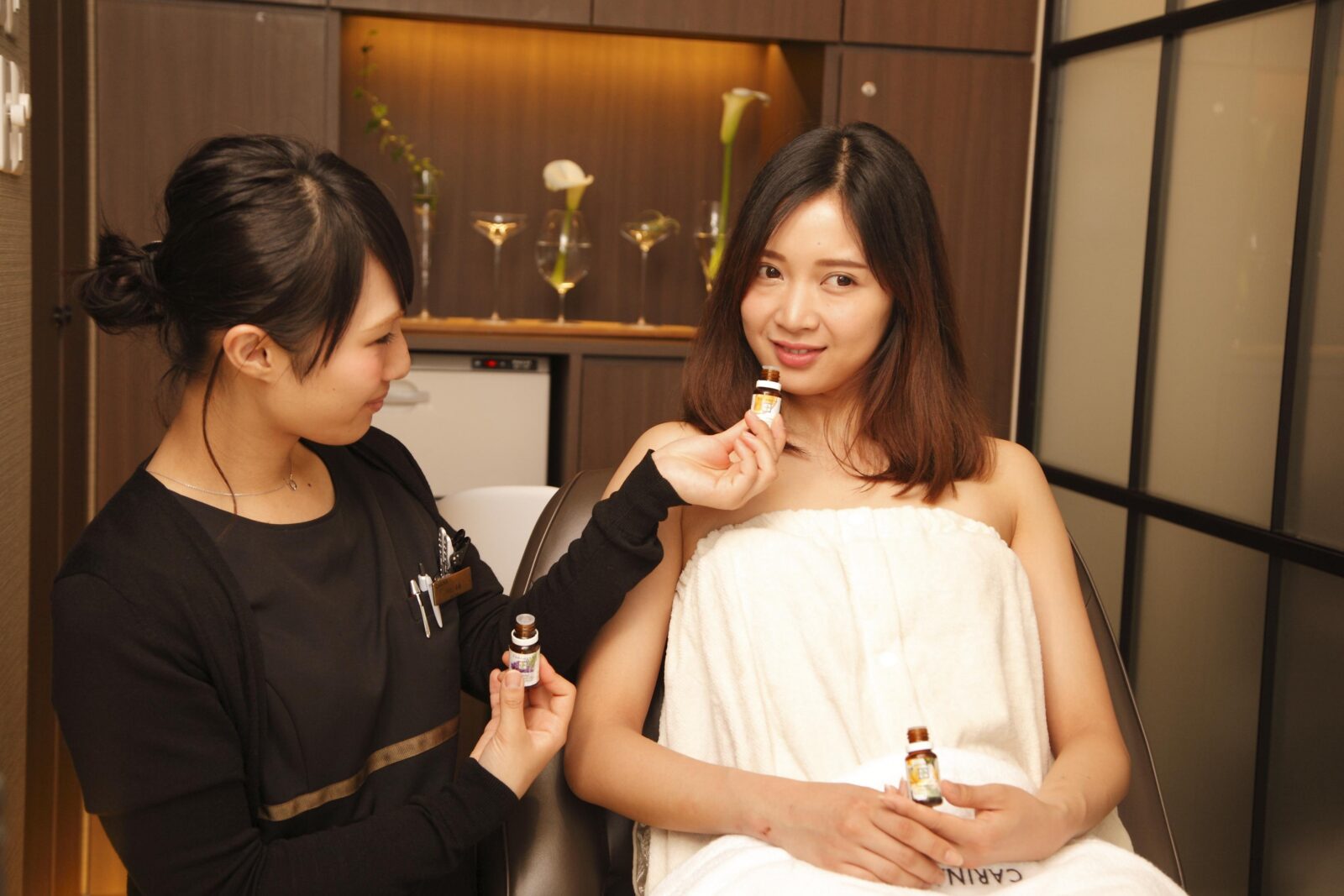
This is a two-hour session in a small group setup limited to 1 participant. That matters because head spas can be awkward when you feel rushed or watched. Here, you get a quieter pace and a more personal feel.
The experience is especially appealing after travel. Tokyo alone can be tiring: stairs, train stations, bright lights, and constant walking. A treatment focused on the head and scalp gives you a different kind of rest than a generic body massage. The goal is to refresh both mind and body.
You’ll also want to know the comfort rules before you go. The spa doesn’t allow alcohol and drugs, doesn’t allow smoking indoors, and doesn’t allow noise. Selfie sticks are also a no. Those rules might sound strict, but they usually translate into a calmer atmosphere, which is exactly what you want for a scalp treatment.
One more detail from real-world experience: the location can feel a bit “easy to miss” because it’s on a small street and you may need the elevator to reach the treatment level. When you arrive, don’t guess. Use the floor access cues at the door so you don’t waste time walking up and down.






Price and Value: Is $167 Worth It?
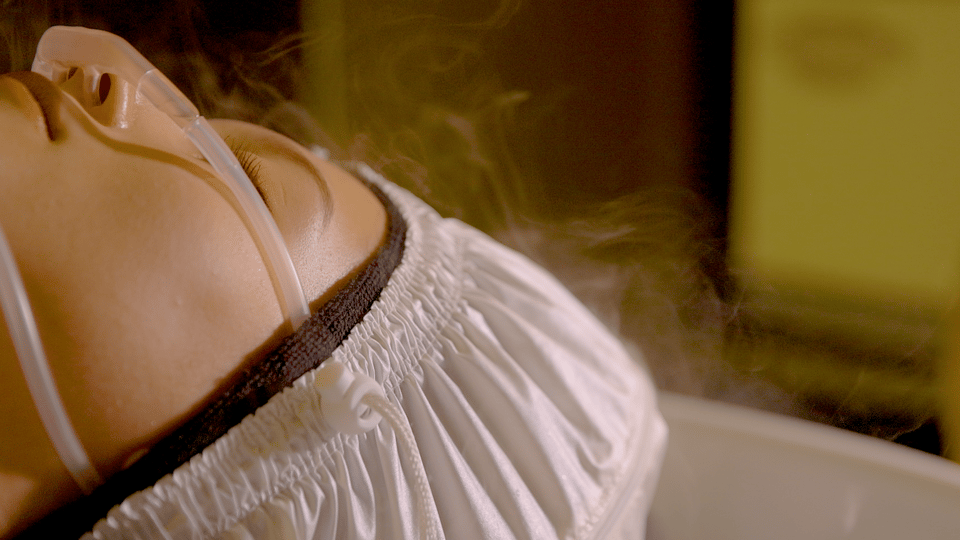
At $167 per person for about two hours, this isn’t a budget impulse buy. So here’s the value logic that helps you decide.
You’re paying for three things that tend to be expensive when done well:
- The diagnostic approach with microscopic scalp diagnosis on request.
- The technical scalp treatment including water jet peeling.
- Time and precision in massage work, plus a dedicated session in a private space.
If your scalp has become a “big issue” for you—thinning concerns, changing volume, texture worries, or simply stress buildup—this kind of scalp-first session can be a practical investment. You’re not just buying a relaxing hour. You’re getting a structured care flow built around scalp condition.
If you’re expecting a haircut-level transformation in one visit, you might feel disappointed. If you want a reset you can feel, with visible changes and a better understanding of what your scalp needs, the price starts to make more sense.
Also consider the benefit of going when you’re already in Tokyo for a few days. A two-hour treatment fits nicely into a schedule where you can wash your hair and keep your routine simple afterward. The session is designed to leave you feeling refreshed, not locked into a complicated aftercare plan.
Who Should Book (and Who Should Skip)
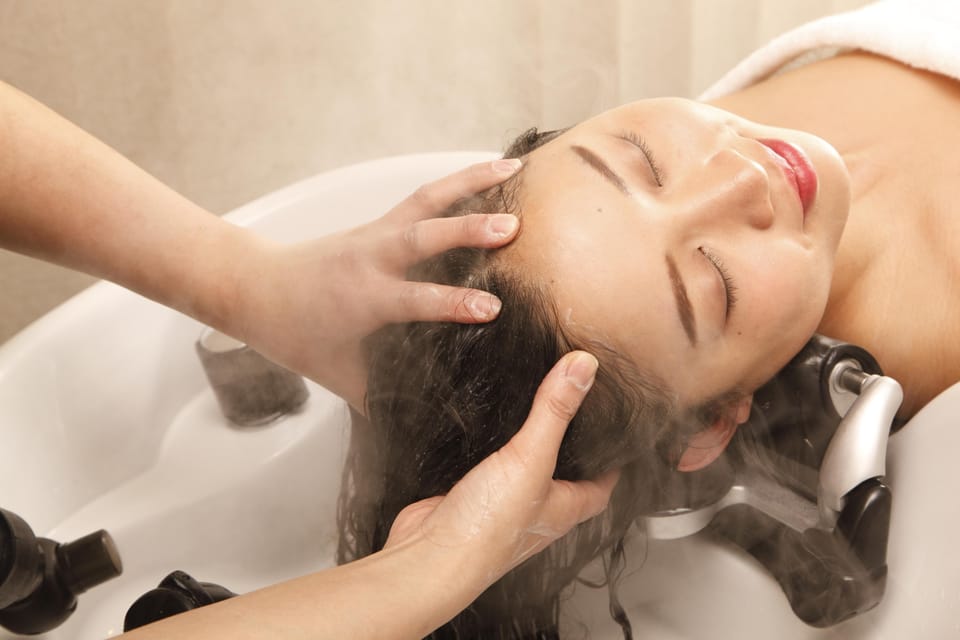
This experience is aimed at stressed scalps and hair concerns tied to changes in volume and texture. It’s especially suitable if you like structured skincare-style care for the scalp, the same way you’d care for facial skin.
That said, it has clear restrictions. You should not book if you have or suspect an infectious skin disease, or if you have a fever. It’s also not recommended if you have atopic dermatitis or other skin diseases without doctor permission.
You also should avoid it if you have pre-existing neck or head conditions without doctor permission, or if you have special hairstyles that the spa can’t treat (extensions, cornrows, dreadlocks, Afro hair, and similar styles). And the experience is not suitable for pregnant women, people with heart problems, wheelchair users, people with vertigo, people with a cold, people under 17, and anyone with pre-existing medical conditions or recent surgeries.
If you have any doubt, the safest move is to treat scalp care like medical-adjacent care. When the spa says “not recommended,” take it seriously.
Before You Go: Timing, Access, and What to Bring
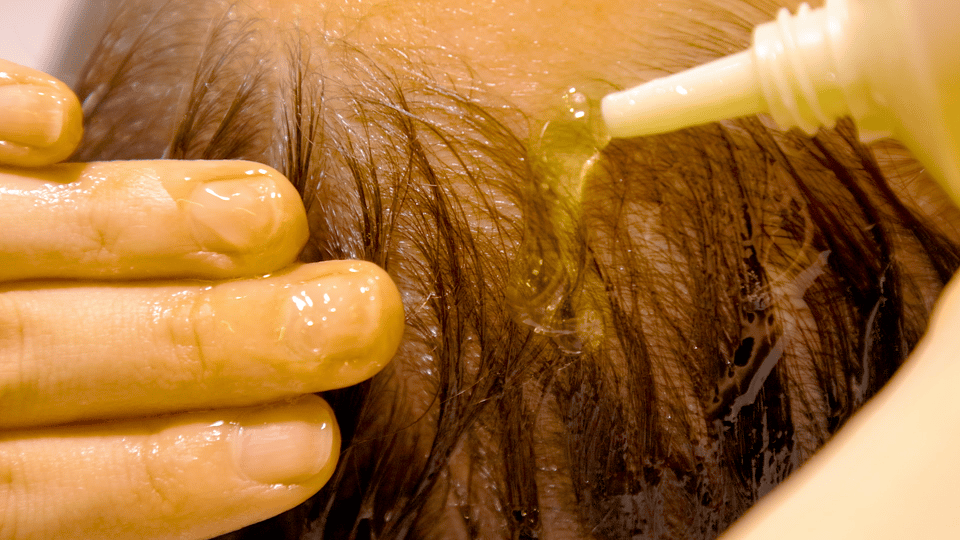
There’s no hotel pickup, so you’ll head there on your own. Plan your route so you arrive early enough to find the entrance calmly, but not so early that you’re stuck waiting past your appointment window. The spa runs tightly scheduled care.
You’ll find it near Tokyo Metro lines:
- From Ginza-1-chome Station (Yurakucho Line), it’s about 2 minutes’ walk from Exit 5.
- From Kyobashi Station (Ginza Line), it’s about 4 minutes’ walk from Exit 3.
When you reach the building, it has automatic locks. Call by pressing 8 and using the green bell button at the entrance. If you need the elevator, follow the building flow at the door. One earlier scheduling hiccup people run into is going to the wrong floors, so ask for floor guidance right when you arrive.
What to bring is simple: show up ready to relax. And make sure you don’t bring prohibited items like weapons or sharp objects, and skip selfie sticks. Indoors smoking is not allowed, and the spa also asks you to avoid alcohol and drugs.
Should You Book CARINA GINZA’s Tokyo Scalp Care?
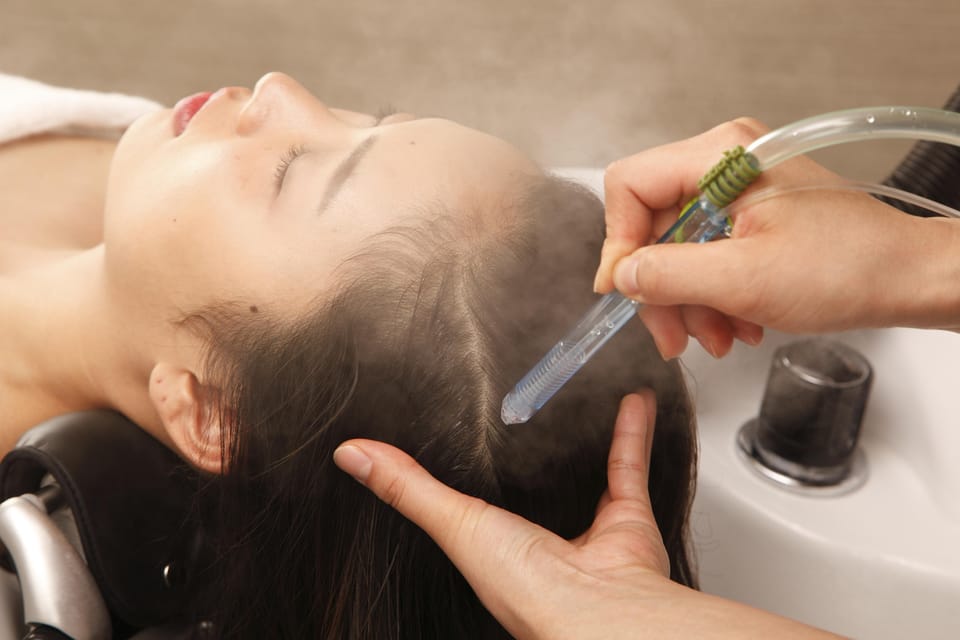
If you want a scalp treatment that feels both technical and relaxing, I think this is a strong pick. The combination of water jet peeling, microscopic scalp diagnosis (on request), a sake-ingredient moisturizing pack, and a carefully controlled massage creates a full “scalp care cycle” in one sitting. The private, one-person setup also makes it easier to truly unwind.
I’d skip it if you’re dealing with fever, infectious skin issues, or any scalp/neck/head medical situation where doctor permission isn’t cleared. And if you’re late to appointments, remember the access and scheduling are strict, so you’ll want to plan ahead.
One last decision helper: if you’re the type who enjoys seeing evidence and understanding what’s happening to your skin, the diagnostic element will likely feel worth it. If you mainly want pampering with no structure, you might find it slightly more process-focused than a pure relaxation-only spa.
FAQ
How long is the Tokyo scalp care treatment?
It lasts 2 hours.
What’s included in the experience?
The experience includes a microscopic scalp diagnosis, and you can observe changes in your scalp before and after the treatment. Microscopic diagnosis is available upon request, and the spa therapist can be available for casual broadlining.
Is the microscopic scalp diagnosis automatic?
It’s available upon request.
Where is the meeting point and how do I enter the building?
The building has automatic locks. Call by pressing 8 and the green bell button at the entrance. It’s about 2 minutes’ walk from Exit 5 of Ginza-1-chome Station (Tokyo Metro Yurakucho Line) and about 4 minutes’ walk from Exit 3 of Kyobashi Station (Tokyo Metro Ginza Line).
Is hotel pickup or drop-off included?
No, hotel pickup and drop-off are not included.
What is the cancellation policy and can I pay later?
You can cancel up to 24 hours in advance for a full refund. You can also reserve now and pay later, meaning you can book without paying today.
Who is this not suitable for?
It’s not suitable for pregnant women, people with heart problems, wheelchair users, people with vertigo, people with a cold, people under 17, and people with pre-existing medical conditions or recent surgeries. It is also not recommended for people with or suspected of having an infectious skin disease, having a fever, or suspected of atopic dermatitis or other skin diseases without doctor permission.