REVIEW · TOKYO
Explore Local Tokyo: Buddhism & Shinto
Book on Viator →Operated by Manami · Bookable on Viator
Tokyo’s temples and shrines have stories. This tour leads you through Monzennakacho in East Tokyo, where Shinto and Buddhism show up in everyday habits, not just postcard views. You also get a focused explanation from Manami, including how local people understand religion and manners in these spaces.
I like the small group size (up to six). It keeps questions flowing and makes the walking pace feel human. I also like the way the route starts with context at a café, then ties history to places you can actually see, from water channels to shrines and temples.
One thing to consider: this is for people who want quiet, local religious practice—not famous skyline stops. If you’re craving only major landmarks and photos on broad boulevards, you may find the tone slower and more reflective.
In This Review
- Key points to know before you go
- Monzennakacho: East Tokyo’s Shitamachi World in One Walk
- Getting Oriented at the Café: Edokko Pride and Water Channels
- Fudo-son Temple: Learning Religious Manners That Actually Help
- Tomioka Hachimangu Shrine: Where Shinto Shows Up in Everyday Life
- The Fire Ceremony Moment: Watching Rituals You Can Feel
- Small Group Size and Guide Quality: Why Up to Six Matters
- Price and Timing: What $58.53 Buys You in Real Value
- Practical Tips for a Smooth Walk in Monzennakacho
- Who Should Book This Tour (and Who Might Skip It)
- Should You Book Explore Local Tokyo: Buddhism & Shinto?
- FAQ
- How long is the Explore Local Tokyo: Buddhism & Shinto tour?
- What is the price per person?
- What’s included in the tour?
- Which places does the tour visit?
- Do I need cash or coins to participate?
- Can I cancel for free?
Key points to know before you go
- Max 6 travelers, so you’re not shuffled through in a crowd
- Monzennakacho / Shitamachi pride, with the Edokko story and local water channels
- Fudo-son Temple stop, with guidance on Japanese religious manners
- Tomioka Hachimangu Shrine visit, showing how Shinto fits daily Tokyo life
- Buddhist daily ritual included, plus a chance to watch a fire ceremony
- Admission free for the temple visit included in the experience
Monzennakacho: East Tokyo’s Shitamachi World in One Walk
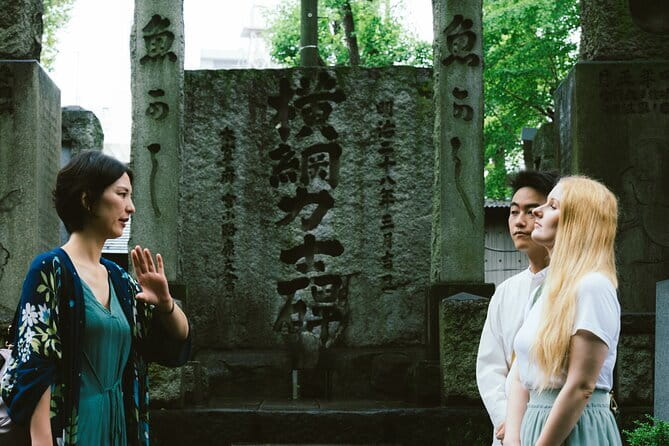
Monzennakacho sits in that older, working-side part of Tokyo people often skip when they plan only the obvious hits. This area is tied to Shitamachi, a phrase that points to the east-Tokyo “delta between two big rivers” feeling. You’ll hear how the locals, the Edokko, see themselves as builders of Edo and supporters of its prosperity for more than 250 years.
That matters because it changes how you read the shrines and temples. Instead of thinking, I’m seeing a sacred site, you start noticing why the site belongs in the neighborhood. You’ll also get a sense of the values that shaped the community: not rich or posh, but stubbornly proud and practical.
This is also a smart way to escape Tokyo’s busiest routes without giving up the city. You stay in walking distance of public transportation, but you’re moving through streets that feel more lived-in than tourist-heavy.
You can also read our reviews of more tours and experiences in Tokyo.



Getting Oriented at the Café: Edokko Pride and Water Channels
Before you start walking, you meet in the Monzen-nakacho area, then head to a café for a short presentation. This is a small but important start. You get key background fast, so the temples don’t feel random when you reach them.
One of the first themes is the area’s water channels. The guide connects the geography to Shitamachi’s economy and local pride. Even if you’ve studied Tokyo before, this angle helps you connect physical features (water and drainage) with social identity (how people built livelihoods here).
You’ll also hear how locals talk about themselves as Edokko. This isn’t just trivia. It’s a lens for understanding why certain ceremonies and temple customs persist. When you understand that, you’ll watch and listen differently during rituals later.
If you like your travel plans to have a spine, this café briefing gives you one.
Fudo-son Temple: Learning Religious Manners That Actually Help
One of the standout stops is Fudo-son Temple, where you’ll learn about Japanese religion in a way that feels practical, not academic. The tour focuses on different religions in Japan and, more importantly, how to behave appropriately around them.
That “manners” piece is huge. At many temples, people end up guessing: Should you stand here? When do you pause? How do you respect the space without blocking? Having clear guidance turns your visit from awkward to confident.
Also, the temple time is framed as meaningful observation. The experience includes a free visit to a Buddhist daily ritual, so you’re not just sightseeing buildings. You’re seeing practice—timed, repeated, and part of local rhythms.
Admission is free for the temple visit included in the experience, which adds real value. You’ll spend your money on the guide and the context, not entrance fees.
A possible drawback here: if you dislike any religious setting or you’re only interested in architecture, you may need to adjust your expectations. This stop is about practice and understanding, not just photos.
Tomioka Hachimangu Shrine: Where Shinto Shows Up in Everyday Life
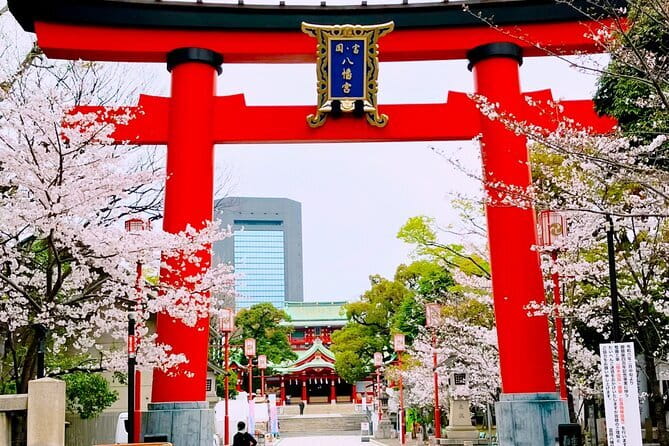
Another key stop is Tomioka Hachimangu Shrine. This is where the Shinto side becomes clear. Shinto in Japan isn’t only a festival in summer. It’s also about how people maintain their relationship with their community, health, and daily life.
The value of visiting this shrine as part of a guided religious walk is that you’re not treating Shinto as a separate museum. You’re learning how it fits alongside Buddhist practice in real neighborhoods. That’s what makes the tour useful for future Japan travel, because you’ll start recognizing patterns.
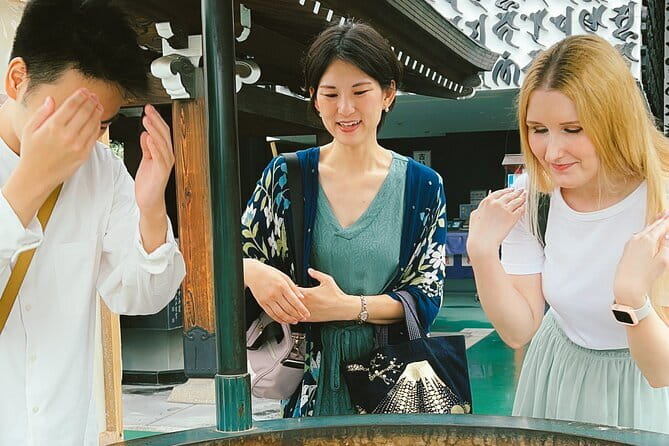
You’ll also get pointers for interacting respectfully around shrines and prayer areas. And yes, there’s often a moment involving small coins at temples and shrines, but the good news is this isn’t mandatory. If you don’t want to participate, you can still join respectfully.
This is the kind of stop that pays off later. Once you learn how to read a shrine setting, you’ll notice details you would have missed on your own.
The Fire Ceremony Moment: Watching Rituals You Can Feel
The tour includes an opportunity to watch a fire ceremony at a local Buddhist temple. That’s the sort of experience you can’t fake with research or a guidebook screenshot. Fire ceremonies have a sensory pull—heat, sound, urgency—and they connect you to the seriousness of the moment.
Keep your expectations flexible. The exact feel and timing of ritual events can vary, and you’re not guaranteed that every visitor sees exactly the same moment for the same length of time. But you can go in prepared to watch carefully, follow instructions, and accept that ceremonies are living practice, not a staged show.
Practically, this also changes the pace of the tour. You’ll likely shift from “look and learn” to “watch and observe.” If you enjoy observing local religious life, this part will be memorable.
And because this tour is small—up to six people—the guide can manage the group around ceremony space better than a larger crowd.






Small Group Size and Guide Quality: Why Up to Six Matters

This tour is capped at six travelers, and it shows in how the experience feels. Smaller groups mean you spend less time waiting, and you can ask follow-up questions when something clicks in your head. It also helps the guide steer you around ceremony areas without rushing people.
The guide, Manami, is a big reason the experience earns top marks. Reviews highlight her patience and kindness, and they also mention that she holds a PhD. That matters because it usually means you get depth, but still in a way that’s understandable on the street. You’re not stuck with a script—you get explanations that respond to curiosity.
Manami’s passion for the city comes through in how she connects sites to local identity. You’re learning why places matter to people who live nearby. That’s the difference between collecting temple names and understanding what you’re seeing.
So if you’ve done other tours where everything feels like a checklist, this format is a refreshing change. It gives you time for real questions and better attention.
Price and Timing: What $58.53 Buys You in Real Value
The price is $58.53 per person, and the value mostly comes from three things: expert guidance, access to ritual time, and a route that blends context with sites you might not find easily.
The duration is listed as 1 to 2 hours (about), with an itinerary time shown around 1 hour 40 minutes. That’s a sweet spot for busy days. It’s long enough to cover multiple meaningful stops and a ritual segment, but short enough that you won’t feel stuck for half your trip.
You also get a mobile ticket, which keeps things smooth. You don’t spend your energy figuring out paper tickets or complicated transfers.
What you don’t get is a long, slow day of temple-hopping. This tour is a focused sampler with explanation. That’s ideal if you want religion context without committing to a full half-day of walking.
If you’re budgeting, don’t just compare the cost to a generic city walk. Compare it to the cost of hiring a guide for a small private experience and adding ritual access. This is priced like a group tour, but structured closer to what you’d expect from a high-quality guided morning.
Practical Tips for a Smooth Walk in Monzennakacho
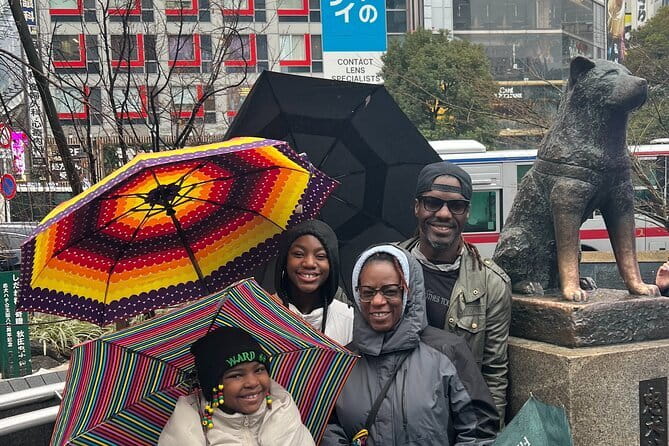
Because this is a walking tour through a neighborhood and temple/shrine areas, you’ll enjoy it most if you set yourself up for comfort.
- Wear comfortable shoes you can walk in for around 1.5 hours.
- Dress in a way that lets you step into sacred spaces without fuss.
- If you’re unsure about coin offerings, remember that participation isn’t mandatory.
- Bring a charged phone for the mobile ticket and any maps you want after the tour.
Also, arrive with the mindset that questions are part of the experience. The small group size is there for a reason, and it makes a difference when you ask what you’re actually seeing.
Finally, if you’re sensitive to fire ceremonies, stay aware and follow the guide’s instructions closely. Ritual space can be tight, and good etiquette matters.
Who Should Book This Tour (and Who Might Skip It)
You’ll likely love this if you want:
- a guided explanation of Buddhism and Shinto in real places
- a chance to observe a Buddhist daily ritual
- a quiet East Tokyo walk focused on local pride and daily practice
- a small-group format where you can ask questions
You might skip it if you only want:
- major, high-profile landmarks
- a shopping-focused route
- a fast, photo-only tour with minimal religious context
This is for travelers who like meaning with their walking. If that’s you, it’s a strong fit.
Should You Book Explore Local Tokyo: Buddhism & Shinto?
I’d book this if you’re the type of traveler who wants Tokyo to make sense beyond the surface. The combination of Monzennakacho / Shitamachi context, specific stops like Fudo-son Temple and Tomioka Hachimangu Shrine, and the inclusion of a Buddhist daily ritual is exactly what turns a tour into learning you can reuse on future visits.
Also, Manami’s depth and patience come through in the experience design. With a maximum of six people, you’re not fighting for attention. You get space for questions and a calmer pace that helps you actually notice what’s going on.
If you’re in Tokyo for a short window and want a memorable “religion and neighborhood life” story, this is a smart use of time. Just go in expecting a thoughtful walking morning, not a theme-park of famous sites.
FAQ
How long is the Explore Local Tokyo: Buddhism & Shinto tour?
It runs for about 1 to 2 hours (approximately), with an itinerary time shown around 1 hour 40 minutes.
What is the price per person?
The price is $58.53 per person.
What’s included in the tour?
You get a free visit to a Buddhist daily ritual. The tour also includes guided visits to temples and shrines, with chances to watch a fire ceremony.
Which places does the tour visit?
The experience includes stops in Monzennakacho and Shitamachi, including Fudo-son Temple and Tomioka Hachimangu Shrine.
Do I need cash or coins to participate?
Small coins may be used to throw into a box at temples and shrines, but this is not mandatory.
Can I cancel for free?
Free cancellation is available. You can cancel up to 24 hours in advance of the experience start time for a full refund.