REVIEW · TOKYO
Tokyo: Nikko Private Sightseeing Day Trip with Driver
Book on GetYourGuide →Operated by Japan-tours · Bookable on GetYourGuide
Nikko feels like a time machine from Tokyo; it is all in Toshogu Shrine and the wallop of Kegon Falls. I like that this is a small, private setup so you can actually enjoy the details instead of rushing. One heads-up: it is a long day with walking at multiple stops, and attraction entry tickets are not included.
The big win here is how smoothly the day runs. You get hotel transfers from Tokyo’s 23 Wards (and also a pickup option in Yokohama), plus an English-speaking guide/host in a comfortable van. The guides I’ve seen leading this tour (like Nina, Hadi, Abdul, Ali, Irfan, and Rana) stay patient, keep the pace, and help with photos so you do not spend the day playing transportation roulette.
If you love museums, temples, and scenery you can photograph from the right angles, you’re going to have a great day. Bring comfortable shoes and a camera, and plan for a couple of hours of driving each way. Also note: smoking is not allowed in the vehicle, and this tour is not suitable for people over 95 years old.
In This Review
- Key points before you go
- Why This Nikko Private Day Trip Works Better Than DIY
- Getting From Tokyo (or Yokohama) to Nikko Without Stress
- Shinkyo Bridge: Your First Photo Stop on the Daiya River
- Nikko Toshogu Shrine: Ornate Tokugawa Power in Wood and Gold
- Kegon Falls and the Best Viewpoints Over the Gorge
- Lake Chūzenji: A Calm Reset After Temples and Waterfalls
- Edo Wonderland: The Fun Detour When You Want a Lighter Moment
- The Lunch Situation and Yuba Gozen: How to Get It Right
- Price and Value: $355 Per Group Up to 5 (and What You Pay Separately)
- Timing, Walking, and Who This Fits Best
- Quick Practical Tips That Make the Day Smoother
- Guides Make the Difference: Nina, Hadi, Abdul, Ali, Irfan, and Rana
- Should You Book This Nikko Day Trip?
- FAQ
- What is the duration of the Nikko private sightseeing day trip?
- How much does the tour cost?
- Where can you be picked up in Tokyo or nearby?
- Is the tour private?
- Do I need to pay entry tickets for attractions?
- What is included in the price?
- What language is the guide/host?
- What should I bring, and is there anything I cannot do?
Key points before you go
- Private pacing: your small group can move as you want, with help from an English guide/host.
- UNESCO priority time: you get solid time at Nikko Toshogu Shrine (more than a quick photo stop).
- Kegon Falls photo time: you’re built in for viewpoints and time to soak in the mist and rainbows.
- Natural break points: Lake Chūzenji gives you a calmer pause after the shrine and waterfall intensity.
- Yokohama or Tokyo pickup: hotel transfers help a lot compared with train-only DIY days.
- Value math favors small groups: it’s priced per group up to 5, so splitting cost can be smart.
Why This Nikko Private Day Trip Works Better Than DIY
Nikko is one of those places where DIY can work, but it can also turn into a schedule fight. This private day trip fixes that. You are not juggling trains, transfers, and timing between sites. Instead, you’re in a van with someone who handles routing, driving, and parking.
I also like the “small group” angle. With a private group, you can ask questions that actually matter to you—history, how to spot the best viewpoints, what to focus on at Toshogu. On outings led by Nina and Hadi, I’ve seen a strong theme: they stay patient and adjust when people have many questions. If you care about photos, guides like Abdul have also helped by taking pictures of the group.
The tour also keeps the day from turning into a blur. You hit the big highlights—Shinkyo Bridge, Toshogu, Kegon Falls, Lake Chūzenji—with timed stops that feel designed for both seeing and breathing.
You can also read our reviews of more private tours in Tokyo
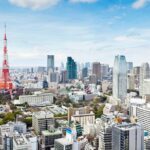
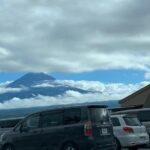

Getting From Tokyo (or Yokohama) to Nikko Without Stress
This is a full-day commitment: about 10 hours total. You’ll start with pickup from either Tokyo or Yokohama (and included hotel transfers apply from Tokyo’s 23 Wards). Then you drive toward Nikko, with travel time around 2 hours each way.
Practically, this matters because you arrive ready to look, not already exhausted. One guide (Rana) kept things smoother by picking up early to help avoid heavy morning traffic, which is exactly what you want on a day where the schedule is tight but not rushed.
A couple other “comfort” details are included. You get bottled water, and the price covers road taxes, fuel, and parking. That means fewer surprise add-ons once you’re on the road.
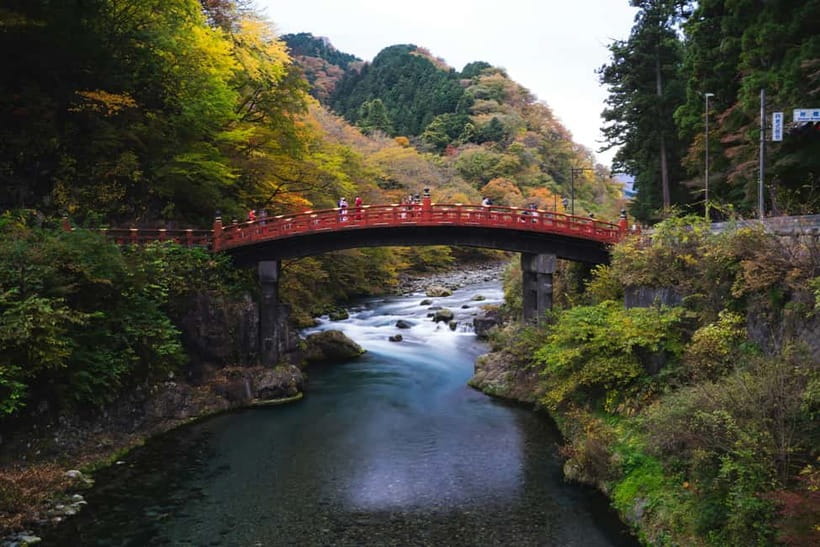
Shinkyo Bridge: Your First Photo Stop on the Daiya River
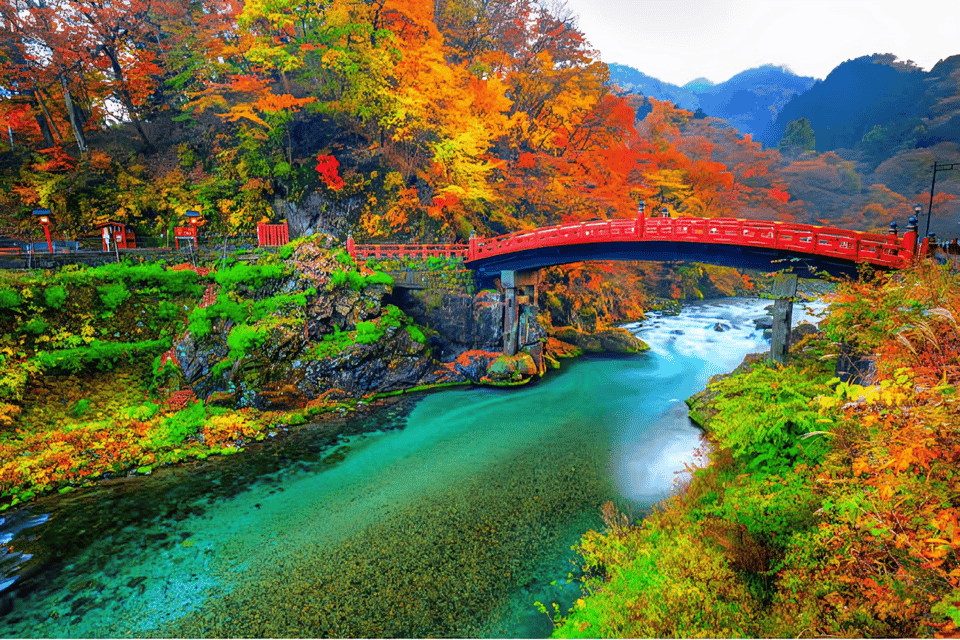
Your first real stop is Shinkyo Bridge. You’ll have about 30 minutes for photos, sightseeing, and a light walk around the area.
This bridge is famous for a reason. It is a bright vermilion structure spanning the Daiya River, and it has a sacred feel right away. Even if you’re not a shrine-and-ritual person, it’s an easy win: you can get photos without needing a long hike. Plus, being the first stop helps. Your eyes adjust from city energy to mountain calm.
Tip: treat this as your warm-up. Shoot a few wide shots first, then come back for tighter framing after you’ve seen the light and the angles from where you can walk.
Nikko Toshogu Shrine: Ornate Tokugawa Power in Wood and Gold
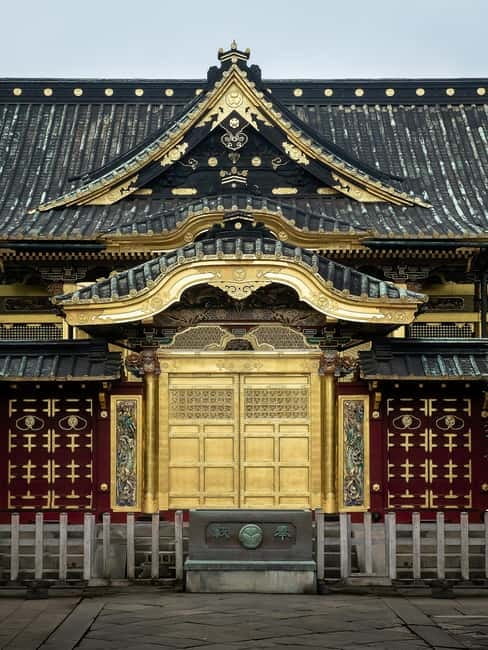
The heart of the day is Nikko Toshogu Shrine, with about 2 hours on site. This complex is UNESCO-listed, and it shows in how much craft is packed into every corner.
What you’ll notice fast is the density of details: carved woodwork, formal architecture, and gold-toned elements that make the shrine feel almost theatrical. The whole place gives that wow factor people talk about, but here it works because you get real time—not just a quick pass.
Also, this is where having a guide pays off. Nina’s style stood out for being patient with questions. Hadi’s approach was about explaining the history and culture in a way that was easy to follow, which matters because the shrine is visually complex. When you understand what you’re looking at, the carvings and structure feel less like decoration and more like message.
Practical note: wear shoes you trust. Even when walking doesn’t feel extreme, there are enough steps and surfaces to make comfortable footwear worth it.
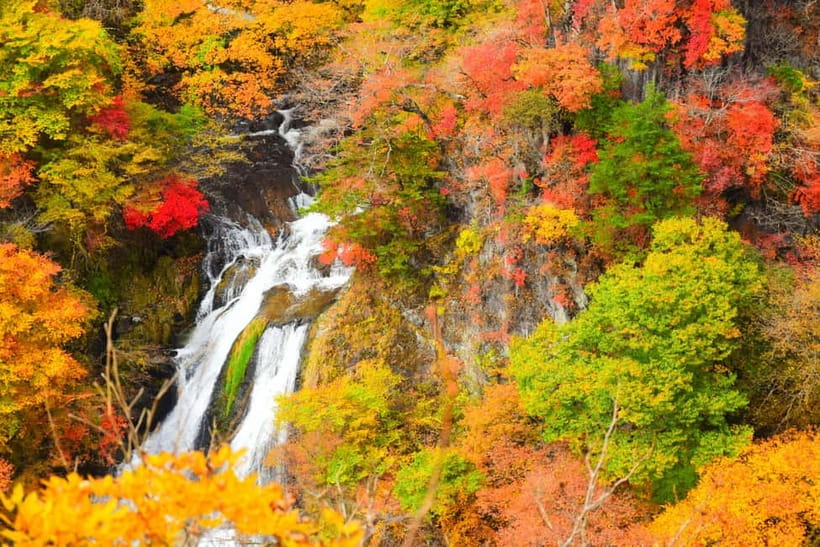
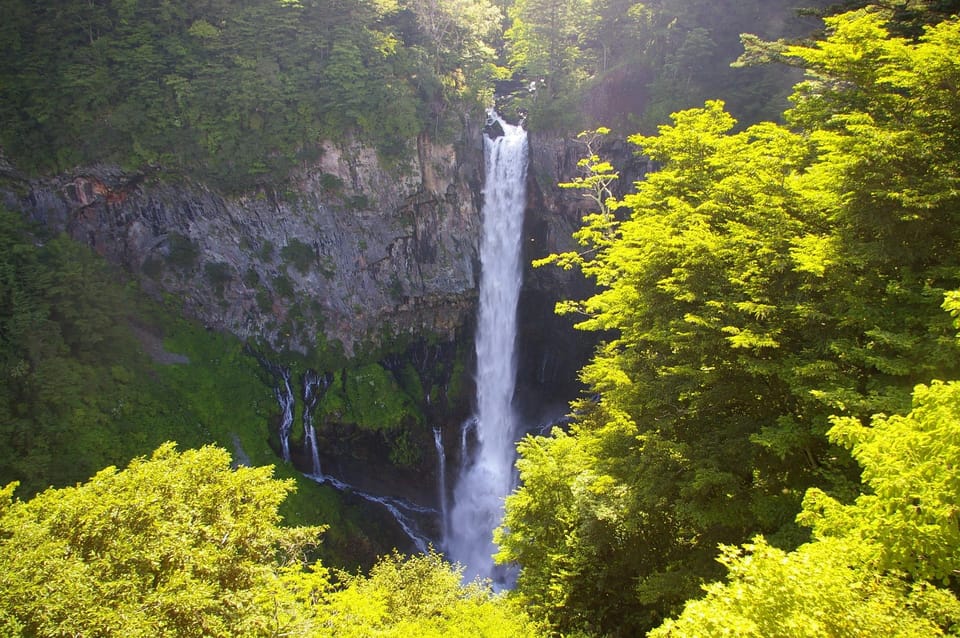
Kegon Falls and the Best Viewpoints Over the Gorge
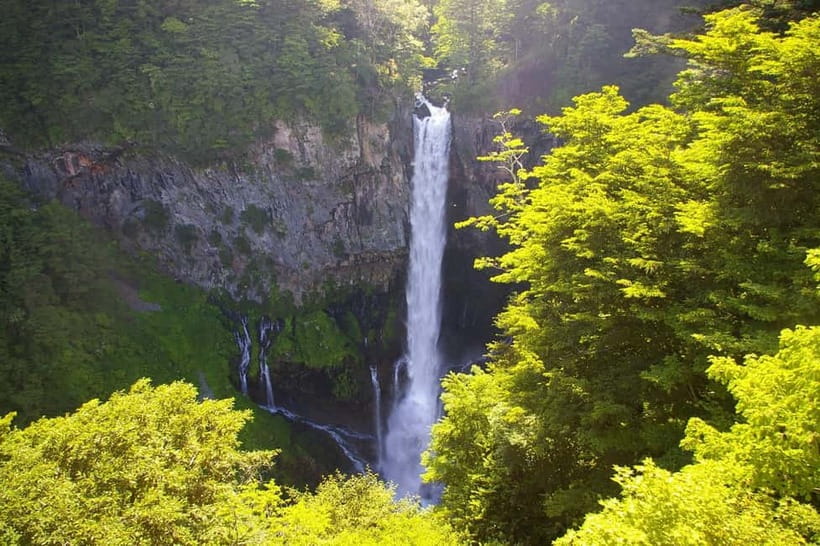
Then you switch gears from gold-and-carving to pure nature: Kegon Falls. You’ll have about 1 hour here, including photo time and sightseeing.
Kegon is stunning because it is big in the most straightforward way: nearly 100 meters of waterfall plunging into a rocky gorge. On good days, you’ll see mist rise enough to catch rainbows. That mist can also mean a damp feeling near the viewing areas, so treat this like a “bring camera, and expect spray” stop.
This is the stop where guides help you find good sightlines. Several guides—like Hadi and Abdul—focused on getting people to the best spots so you’re not stuck with the least impressive angles. If you’re thinking about photos, this is your payoff time. Take wide shots, then zoom in on texture and mist, and finally grab a few shots with people in frame for scale.
One small wrinkle: on at least one outing, the plan included a gondola ride up the mountain. That is not something I’d assume will always be part of your exact route, but it suggests that some schedules may add a transport option for better views.
You can also read our reviews of more tours and experiences in Tokyo




Lake Chūzenji: A Calm Reset After Temples and Waterfalls
After the waterfall, you get a breather at Lake Chūzenji. Expect about 1 hour for a break, photos, sightseeing, and a short walk.
The lake sits at the foot of Mount Nantai, and the vibe is totally different from Toshogu and Kegon. It’s quieter, more open, and it gives your brain a reset. If the earlier parts feel like information overload—gold details, spiritual atmosphere, then big water—this is where you can slow down and just look.
This stop also helps the day feel balanced. You go from sacred architecture to dramatic nature to calm reflections, which makes the whole day feel intentionally paced instead of stitched together.
Edo Wonderland: The Fun Detour When You Want a Lighter Moment
You also get a stop at Edo Wonderland for about 1 hour. Think of this as a change of tone after temples and scenery.
The plan includes a photo stop plus time to visit, and you’ll likely use the hour for a break and quick exploration. Even if you are mostly there for Nikko’s classic highlights, this extra stop can make the day feel less formal and more playful—useful if you’re traveling with someone who wants variety.
If you’re the type who only wants the “main event,” it is still worth using the time to recharge and avoid turning the last stretch into fatigue.
The Lunch Situation and Yuba Gozen: How to Get It Right
The tour includes time where lunch fits in, but it doesn’t list lunch as included. Here’s the good part: the tour is designed so you can get advice on where to eat. One highlight focuses on finding an authentic yuba gozen lunch.
Yuba is Japan’s prized tofu skin, and Nikko is known for this kind of meal. The value of a guide here is simple: instead of hunting around while hungry, you get pointed toward something you’ll actually enjoy and recognize as local.
My advice: decide what matters to you before the day starts. If yuba gozen is the priority, tell your guide early so the timing works. If you’d rather keep lunch simple, ask for a reliable option near the route and save your appetite for dinner later.
Price and Value: $355 Per Group Up to 5 (and What You Pay Separately)
The price is $355 per group up to 5, for a 10-hour private sightseeing day trip from Tokyo (or Yokohama) to Nikko.
Here’s how I think about value:
- If you’re traveling as a couple or small group, private transport plus parking and driving costs bundled into one price can make sense fast. Split it across 4–5 people and the day becomes less expensive per person than you’d expect.
- You’re also getting an English guide/host who helps with pacing, photos, and explanations. That turns the trip from sightseeing into understanding.
- Bottled water is included, which is small but handy on a long day.
What’s not included: entry tickets for attractions. Since multiple stops have sites you may want to enter (not just stand outside and photograph), you should budget for tickets separately. Also plan for your own spending like lunch.
Bottom line: this is a good value if you want a low-stress day and you’re okay paying separately for attraction entry fees.
Timing, Walking, and Who This Fits Best
Let’s talk physical reality. Even though it’s a “day trip,” it’s not a sit-and-stare tour. You’ll be out and walking at stops:
- Shinkyo Bridge: photo stop and walk (about 30 minutes)
- Toshogu Shrine: sightseeing time (about 2 hours)
- Kegon Falls: walk and viewpoints (about 1 hour)
- Lake Chūzenji: short walk (about 1 hour)
- Edo Wonderland: visit time (about 1 hour)
The driving time (about 2 hours each way) means you’ll be in the van for long stretches too. That’s comfortable if you bring layers, but it is still a full day.
This tour is best for:
- Couples and small groups who want to see the big Nikko hits without logistics work
- People who like guided context (Toshogu makes much more sense with explanations)
- Anyone who cares about photography timing at the right viewpoints
It may not be the best fit if you want a slow, independent pace, or if stairs and uneven ground are a problem.
Quick Practical Tips That Make the Day Smoother
A few small things can make a noticeable difference:
- Wear comfortable shoes. You’ll move between viewpoints and areas more than you might expect for a “10-hour day.”
- Bring a camera (and if you can, a phone with enough storage for Kegon mist shots).
- Dress in comfortable clothes. Nikko can feel cooler near water and viewpoints.
- Plan to take breaks at Lake Chūzenji. It’s your best “reset” moment.
I also recommend using the guide for more than directions. Guides like Abdul have even stopped to buy coffee, which tells you the best ones are watching how your day feels, not just hitting stops.
Guides Make the Difference: Nina, Hadi, Abdul, Ali, Irfan, and Rana
The consistent theme from multiple guide styles is that they keep things calm and organized. Nina stood out for being patient and helpful with lots of questions. Hadi was praised for being professional and attentive, and for helping people reach the best spots for Kegon and Lake Chūzenji photos.
Abdul and Ali came up with similar strengths: caring guidance and making sure people got the experience without feeling lost. Irfan was noted for asking what people wanted and tailoring the plan accordingly—exactly what you want in a private setup.
And Rana? The callout was how he helped avoid morning traffic and paced the day so people could see key landmarks without stress.
So if you care about a day that feels guided but not pushy, this is the right kind of tour.
Should You Book This Nikko Day Trip?
Book it if you want:
- A private Nikko highlight loop with minimal hassle
- Real time at Toshogu Shrine
- A guided plan for Kegon Falls photo viewpoints
- Comfortable logistics: van ride, parking included, transfers from Tokyo’s 23 Wards
Consider skipping or choosing a different style if:
- You’re trying to keep costs ultra-low and you prefer public transport DIY
- You hate long days with multiple walking stops
- You don’t want to budget separately for attraction entry tickets and lunch
If your goal is a smooth, high-coverage Nikko day with photography-friendly stops and helpful English guidance, this private day trip is a smart way to do it.
FAQ
What is the duration of the Nikko private sightseeing day trip?
The tour lasts about 10 hours.
How much does the tour cost?
The price is $355 per group, up to 5 people.
Where can you be picked up in Tokyo or nearby?
Pickup options include Tokyo and Yokohama. Hotel transfers are included from Tokyo’s 23 Wards.
Is the tour private?
Yes, it is a private group tour.
Do I need to pay entry tickets for attractions?
Yes. Entry tickets for attractions are not included in the tour price.
What is included in the price?
Road taxes, fuel charges, parking fee, and bottled water are included.
What language is the guide/host?
The host/greeter provides English.
What should I bring, and is there anything I cannot do?
Bring comfortable shoes and a camera. Smoking is not allowed in the vehicle.