REVIEW · TOKYO
Tokyo: Harajuku Meiji Shrine to Shibuya Crossing Guided Tour
Book on GetYourGuide →Operated by gotcha Corporation · Bookable on GetYourGuide
Meiji Jingu to Shibuya in one clean sweep. This guided Tokyo highlight tour links the calm of Meiji Jingu with the photo frenzy of Shibuya Scramble Crossing in just 2 hours. I also like that you’re not wandering blind—your local guide keeps the route clear and the stops actually meaningful.
The best part is what happens between the big landmarks. You’ll learn how Meiji Jingu started and what to expect when you visit, plus you’ll get the chance to do the shrine experience with an included omikuji fortune paper. Then the tour swings into Harajuku for a Japanese-style crepe on Takeshita Street before heading to Shibuya for classic group photos.
One possible drawback: because it’s a short 2 hours and a small group (max 10), you can’t linger. If you want to slow down for extra shopping in Harajuku or spend a long time wandering side paths at the shrine, you may feel rushed.
In This Review
- Key highlights you’ll notice right away
- Why this Harajuku-to-Shibuya route works so well
- Meiji Jingu: more than a photo stop
- The omikuji moment: how to get something out of it
- Harajuku on Takeshita Street: crepe stop that fits the day
- Shibuya Scramble Crossing: classic photos, managed pacing
- Hachiko: the loyalty story that lands in one stop
- The 2-hour timing: what you gain (and what you trade)
- Price and value: is $78 a good deal?
- Who should book this tour
- Meeting point and how to avoid the first-minute stress
- Should you book it?
- FAQ
- How long is the tour?
- Where do we meet the guide?
- What group size should I expect?
- Is the tour offered in English?
- What is included in the price?
- Will we eat during the tour?
- Does the tour include Shibuya Scramble Crossing and Hachiko?
- What flexibility do I have if my plans change?
Key highlights you’ll notice right away
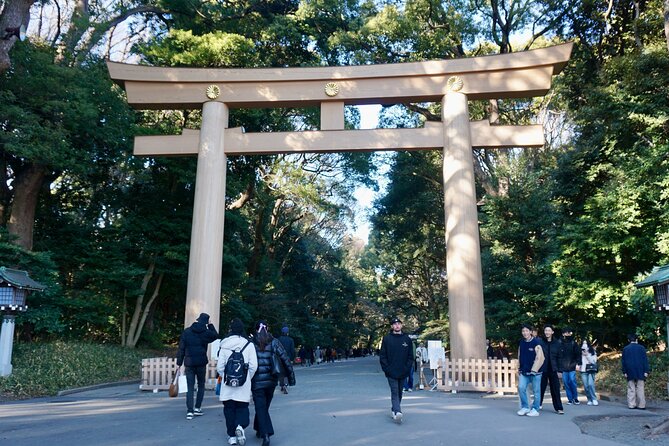
- Meiji Jingu focus with an English local guide so you know what you’re seeing
- Omikuji fortune paper included, making the shrine visit feel complete
- Takeshita Street crepe stop for an easy, tasty break
- Shibuya Scramble Crossing photos with your group, plus a scenic viewpoint moment
- Hachiko statue story, including the sad tale behind the symbol of loyalty
- Small group of up to 10 for easier questions and a smoother pace
Why this Harajuku-to-Shibuya route works so well
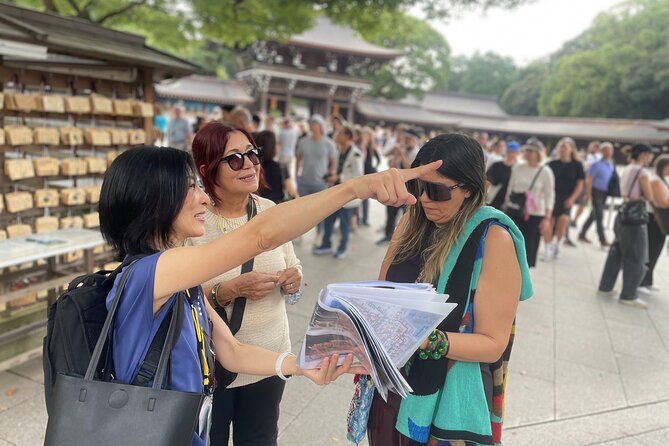
Tokyo can feel like three different cities in one day: peaceful shrine lanes, fashion-packed Harajuku streets, then the instant chaos of Shibuya. This tour strings those worlds together with a guide, so you get the contrast without having to plan every turn. In 2 hours, you’ll cover the big “I’m really in Tokyo” moments that first-time visitors often miss.
I like that it starts with a place that sets the tone. Meiji Jingu is known as the most visited shrine in Japan for Hatsumode (New Year visits), and the area has a sense of space that makes you slow down for a minute. That contrast matters. If you start with Shibuya first, you might never fully switch gears into the quiet mindset the shrine asks for.
And then it flips to street-level fun. Harajuku’s Takeshita Street is all energy and snacks, and Shibuya gives you the famous crossing on a silver platter—complete with photo time and an easy way to see the city from a higher viewpoint.
You can also read our reviews of more guided tours in Tokyo
Meiji Jingu: more than a photo stop
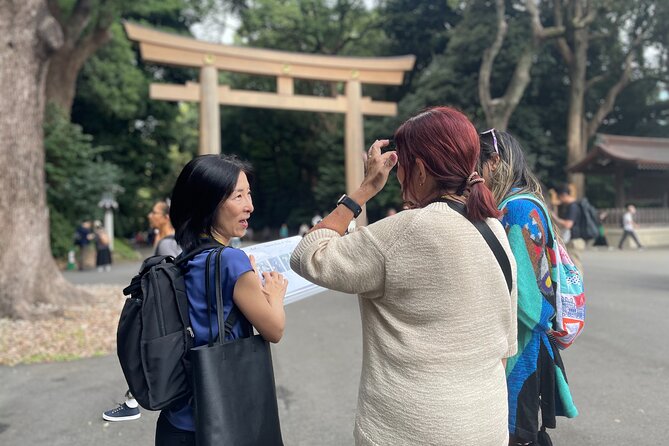
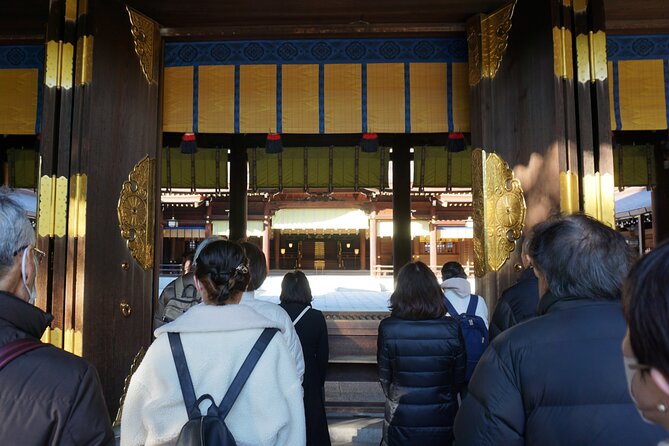
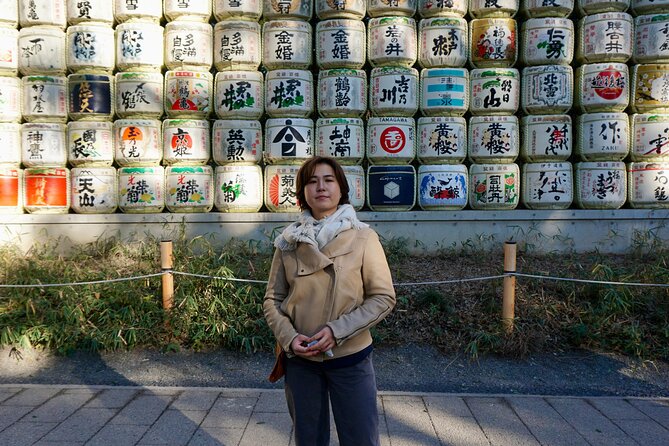
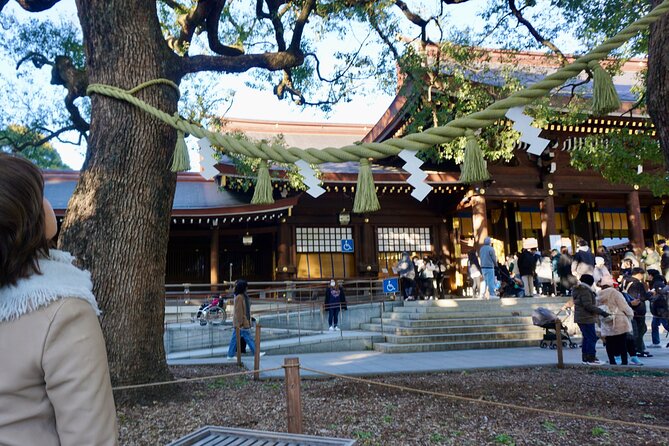
This isn’t just a drop-off at a shrine. Your local guide explains the origins of Meiji Jingu and what makes it special, including how people connect with it during Hatsumode. That background turns the walk into something you can actually follow in real time. You’re not guessing why certain areas feel more important than others, and you’re less likely to feel lost while everyone else seems to know what to do.
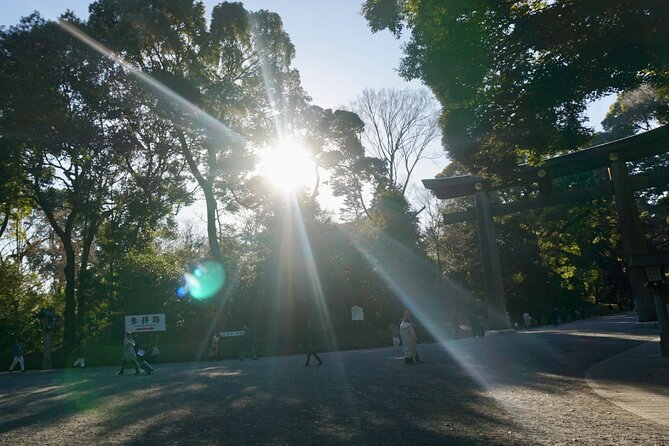
Expect the atmosphere to do its job, too. The tour description talks about the vastness of natural energy, and whether you look at that spiritually or just as a feeling of calm, the effect is similar. You’ll move through the shrine grounds with a calmer head than you’ll have later in Shibuya.
If you’re the type who likes to understand rituals, you’ll appreciate the way the guide covers how to visit. One reviewer praised a guide who made custom and wish-making feel understandable and smooth, not mysterious. That’s what you want: the confidence to participate without turning it into a stress test.
Finally, there’s the practical side. The tour includes the omikuji fortune paper fee, so you’re not scrambling for cash or wondering whether you’re supposed to buy anything. It also gives you a natural break in the middle of the tour’s “see everything” pace.
The omikuji moment: how to get something out of it
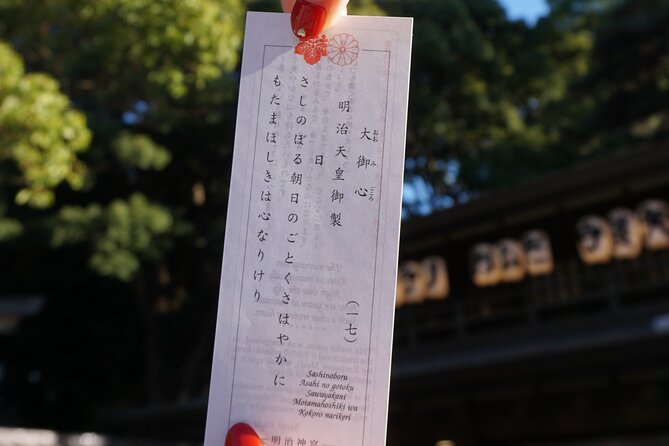
An omikuji isn’t just a souvenir; it’s part of the shrine experience. With this tour, you’re not left to figure it out on your own. The guide explains how to visit and gives context, so you can handle the fortune paper part confidently.
Think of it like this: you can stand there reading signs and hoping you guessed right. Or you can have someone explain the purpose and help you follow along. For many people, the second option makes the shrine feel personal instead of confusing.
I also like that the omikuji fee is included. That’s one less tiny decision you have to make while you’re already switching between locations and crowds. In a short tour, removing those friction points matters.
Harajuku on Takeshita Street: crepe stop that fits the day
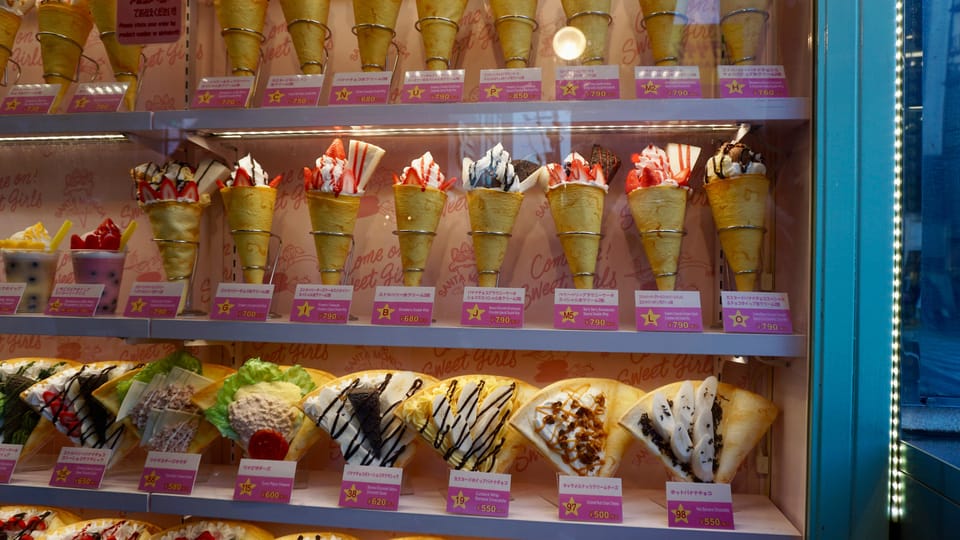
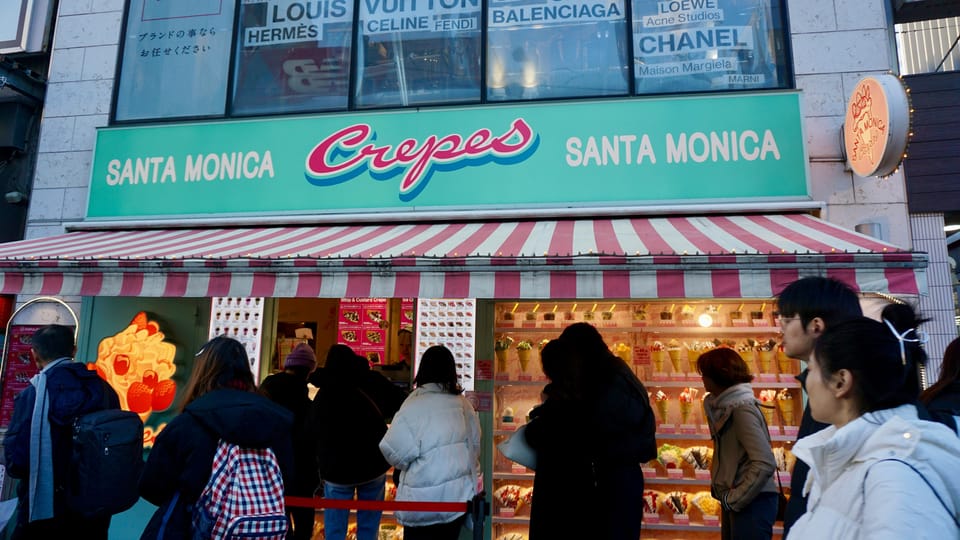
Once the shrine portion sets your mood, the tour shifts gears to Harajuku. Takeshita Street is exactly what most people imagine: bright, busy, and full of small pleasures you can snack your way through. The tour includes a Japanese-style crepe here, which is a smart choice for two reasons.
First, it keeps you energized. After shrine walking, you need fuel, and a crepe is an easy grab-and-go option that won’t slow the group down too much. Second, it gives you a quick sensory reset before Shibuya.
Even if you’re not hunting for fashion, this stop is good for people-watching and getting a feel for how fast Tokyo can switch from quiet to loud. You don’t have to buy anything fancy for the moment to count.
Shibuya Scramble Crossing: classic photos, managed pacing
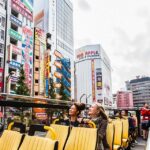
Shibuya is where Tokyo goes cinematic. The tour takes you to the Shibuya Scramble Crossing for famous photo time, including group photos with the right backdrop. The benefit of having a guide here is simple: you’re less likely to lose time figuring out where to stand and when to move with the flow of pedestrians.
Your group also ends with a scenic vantage point overlooking Shibuya Crossing, so you get a second angle beyond the street-level photo chaos. That’s a real quality-of-life upgrade. Street photos are great, but height makes the whole scene easier to read—and it’s where you often get the wow factor without constantly dodging foot traffic.
If your travel goal is to come home with proof you really did the big Tokyo moments, this portion delivers. You’ll leave with images that look like postcards, but you’ll spend less time fighting your way into position than if you planned it alone.




Hachiko: the loyalty story that lands in one stop
Right after the crossing, you’ll visit the Hachiko statue. The guide explains the sad tale behind this symbol of loyalty, and that context changes the statue from a random landmark into an emotional pause in the middle of a very fast day.
This is the kind of stop that works well inside a guided format. Without a story, it’s easy to take a photo and move on. With the story, you understand why people treat it like more than a prop.
It’s also a smart pacing choice. Shibuya can feel like sensory overload; Hachiko gives you a brief moment to settle, reflect, and then finish the tour without feeling like you rushed straight through everything.
The 2-hour timing: what you gain (and what you trade)
In 2 hours, you’re doing three major zones: Meiji Jingu, Harajuku/Takeshita Street, and Shibuya. That’s a lot, so the tradeoff is time. You won’t have hours to roam at each stop, and you shouldn’t expect “optional detours” to get longer.
What you gain is focus. The guide doesn’t just take you from point A to point B—you get explanations along the way. That turns a short tour into a meaningful overview, especially if it’s your first trip and you’re still building your Tokyo instincts.
The small group helps here. With a maximum of 10 participants, it’s easier to ask questions and stay together without feeling like a lost school trip. If you get stuck asking one extra question, you’ll usually be able to do it without slowing everything down too much.
Price and value: is $78 a good deal?
At $78 per person for a 2-hour guided experience, you’re paying for speed, guidance, and convenience. This isn’t just sightseeing—it includes the tour guide and the omikuji fortune paper fee. That means you’re not paying extra for the one “participation” item people often forget.
The value shows up in three places:
- You get an English-speaking local who explains the shrine and what you’re doing, not just where to walk.
- You get photo time at Shibuya Crossing and a viewpoint moment, which can be hard to manage on your own.
- You get a crepe stop that keeps the day comfortable without requiring extra planning.
If you’re comfortable navigating Tokyo, you could technically piece this together independently. But if your goal is to reduce friction and get the big moments with context, the price makes sense.
For me, the best justification is this: you’re buying clarity. In a city as big as Tokyo, clarity is worth real money when you’re on limited time.
Who should book this tour
This tour is ideal if you:
- Are short on time and want Harajuku + Meiji Jingu + Shibuya Crossing in one go
- Like guided context, especially for shrine visits and the meaning behind landmarks
- Want straightforward photo stops with help positioning for group pictures
- Prefer small groups (max 10) and an English guide
It’s less ideal if you love wandering slowly, shopping for long stretches, or spending lots of quiet time at Meiji Jingu without any schedule pressure.
Also, if you’re worried about whether you’re doing the shrine parts correctly, this is a good format. English guidance can turn that uncertainty into confidence.
Meeting point and how to avoid the first-minute stress
You’ll meet at the JR line Harajuku station, west exit. The guide is waiting at the west exit with a signboard that shows gotcha.
I recommend arriving a few minutes early, just to settle your nerves and get oriented. Tokyo stations are easy to navigate until they’re not, and early breathing room helps you start the day calmly instead of rushing.
Should you book it?
Yes, I’d book this tour if you want a clean, concentrated overview of Tokyo’s most famous contrast: shrine calm, Harajuku energy, and Shibuya’s iconic crossing. The included omikuji fee plus the explanations around Meiji Jingu make it feel more than a checklist.
Skip it if you’re the type who needs unstructured time at one place to feel satisfied. In that case, you might prefer to spend longer only at Meiji Jingu or only in Harajuku.
If you’re trying to make your limited time count, this one is built for that.
FAQ
How long is the tour?
It lasts 2 hours.
Where do we meet the guide?
You meet at JR Harajuku station, west exit. The guide is waiting there with a signboard showing gotcha.
What group size should I expect?
It’s a small group limited to 10 participants.
Is the tour offered in English?
Yes, the live tour guide provides the experience in English.
What is included in the price?
The tour includes a tour guide and the omikuji (fortune paper) fee.
Will we eat during the tour?
Yes. You’ll have Japanese-style crepe at Takeshita Street.
Does the tour include Shibuya Scramble Crossing and Hachiko?
Yes. You’ll take pictures at Shibuya Scramble Crossing, then visit the Hachiko statue, where your guide shares the sad tale behind the symbol of loyalty.
What flexibility do I have if my plans change?
You can cancel up to 24 hours in advance for a full refund, and there’s a reserve now & pay later option.