REVIEW · TOKYO
Tokyo: Hama-rikyu Gardens tour with Japanese Tea & Sweets
Book on Viator →Operated by gotcha · Bookable on Viator
A calm garden beats another rushed photo stop. This Hama-rikyu Gardens tour pairs guided history with matcha and Japanese sweets, so you leave with both context and taste. The only real catch is the route is part walking, so plan for comfortable shoes and a bit of time in the garden.
I love how the guide turns what looks like “just pretty landscaping” into Edo-period garden thinking. You’ll also get time in the garden’s standout spaces, including the dry landscape garden and the circular walking style. One possible drawback: the extra stops you may see along the way are optional, so your exact experience can feel a little different day to day.
The pace is relaxed, and the group stays small (maximum 4). Expect about 1 hour 30 minutes to 2 hours 30 minutes, starting near Otemon Bridge and ending at Shiodome Station, where getting back into the city is easy.
In This Review
- Key Things You’ll Notice on This Tour
- Hamarikyu Gardens: Edo-era design you can walk through
- Karesansui and Kaiyushiki: the two garden styles you’ll actually see
- The tea room stop: matcha and sweets, explained by the setting
- Walking route from Otemon Bridge to Shiodome Station
- Optional add-ons that can change your day
- Advertising Museum Tokyo (optional)
- Hayao Miyazaki-inspired clock stop (optional)
- Hibiya Shrine (optional)
- Price and value: is $85.84 worth it?
- Practical tips that make the tour smoother
- Should you book the Hama-rikyu Gardens tour with tea?
- FAQ
- How long does the tour take?
- What does the tour include?
- Where does the tour start and end?
- Are the other stops required?
- Is the tour ticket mobile?
- How big is the group?
- What if I need to cancel?
Key Things You’ll Notice on This Tour
- Edo-period garden design explained in plain language, not lecture mode
- Karesansui dry garden and Kaiyushiki circular garden as your main visual themes
- Tea ceremony room experience with matcha and Japanese sweets included
- Small group size (max 4) for questions and a calmer flow
- Optional add-ons like the Advertising Museum and a Miyazaki-themed clock stop
- Mobile ticket helps keep things simple on the day
Hamarikyu Gardens: Edo-era design you can walk through
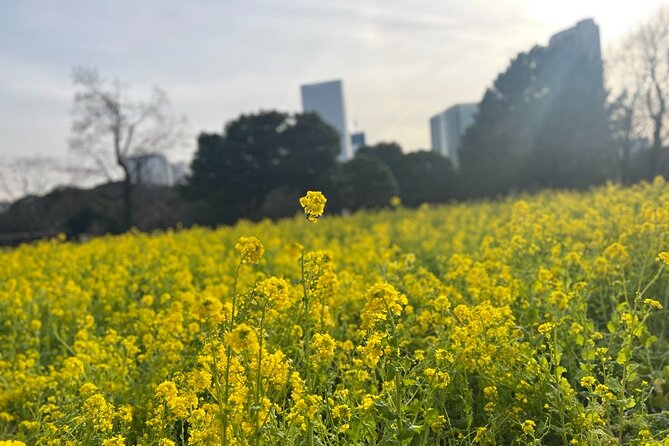
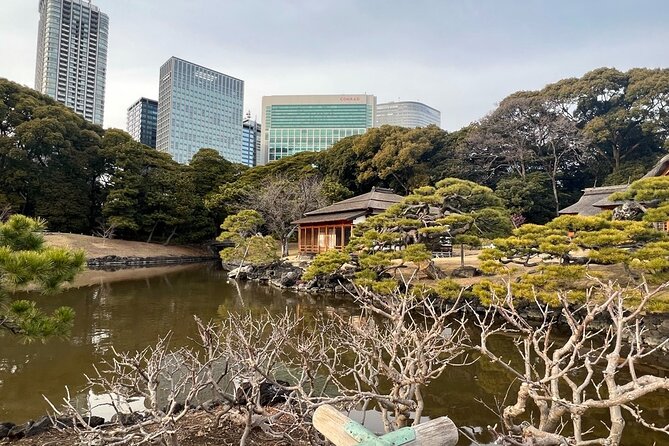
Hama-rikyu Gardens is one of Tokyo’s best places to slow down and see how traditional Japanese garden design works. The setting comes from the Edo period, when powerful families (daimyo) maintained large estates in and around the city. In that world, gardens weren’t just decoration. They were a way to enjoy nature, show taste, and create a moving experience for visitors.
On this tour, the big win is that you’re not just wandering. You’re guided through what to look for and why it was designed that way. The garden is described as the largest of Tokyo’s daimyo gardens, which matters because it means you get real variety in scenery and layout—not a tiny park that you steamroll in ten minutes.
The garden also has a built-in “always interesting” factor: the plants and trees change with the seasons. That means your photos won’t look the same as someone’s taken at a different time of year, and the guide’s explanation helps you notice how the garden’s character shifts rather than simply switching out greenery.
You can also read our reviews of more tours and experiences in Tokyo


Karesansui and Kaiyushiki: the two garden styles you’ll actually see
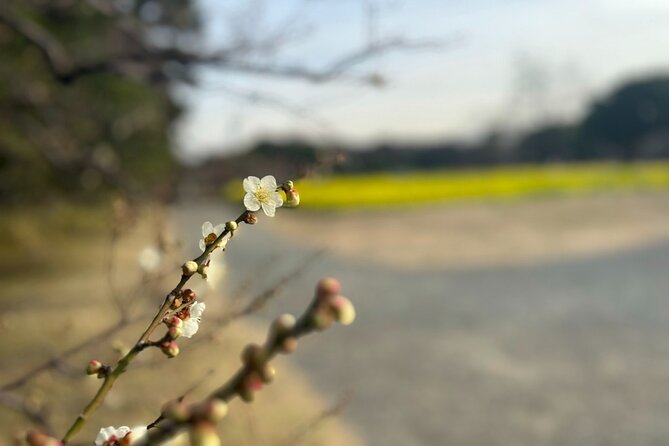
Two parts of Hama-rikyu are emphasized for good reason: the Karesansui (dry landscape garden) and the Kaiyushiki (circular garden) style.
The Karesansui is the part people often recognize first: it’s a garden composition that uses rocks and carefully arranged surfaces to suggest landscape without needing water as the main element. In a lot of Western eyes, it can feel abstract at first. That’s exactly where a guide helps. You’ll get the background of the design and how it connects to Japanese garden culture—so you know what you’re meant to look at, and you can read the “story” in the arrangement instead of guessing.
Then there’s the Kaiyushiki circular garden approach. This style is about movement. Instead of one fixed viewpoint, the layout encourages a route where your perspective changes as you walk. You get a better sense of the garden as a sequence, not a single postcard.
Put together, these two spaces give you contrast: one is more symbolic and composition-heavy, the other feels more like a guided “walkable panorama.” That contrast is one of the reasons this tour feels more satisfying than a standard entry ticket with no explanation.
The tea room stop: matcha and sweets, explained by the setting
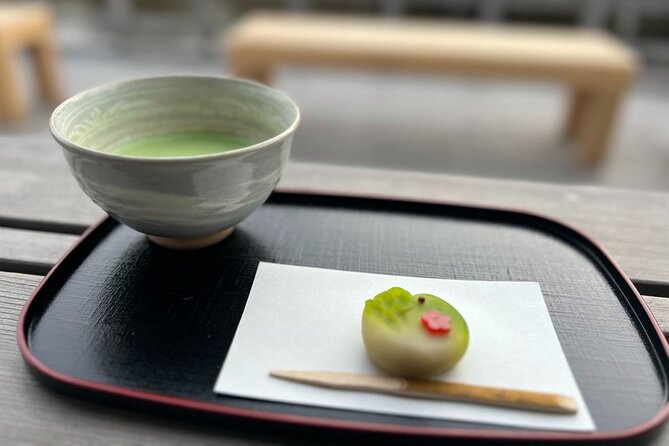
At the heart of the experience, you get a tea ceremony room inside the garden. The tour includes matcha green tea and Japanese sweets, and that inclusion changes how you experience the day.
Tea stops aren’t just a snack break. In a garden like this, the tea room offers a pause that matches the mood of the place. You’re no longer trying to keep up with photos and motion. Instead, you can take a breath, sit down, and let the garden calm sink in.
The biggest practical advantage is that your time is planned. You’re not wandering around trying to figure out where to get matcha later or whether the place is crowded. Instead, you get the tea and sweets as part of the flow—so you can plan your attention: walk and learn, then stop and taste.
The guides for this tour are also part of what makes this moment land. One guide name that shows up in feedback is Nori, noted for being helpful, and that kind of practical, friendly guidance makes a tea stop feel less like a scripted add-on and more like a genuine cultural break.
Walking route from Otemon Bridge to Shiodome Station
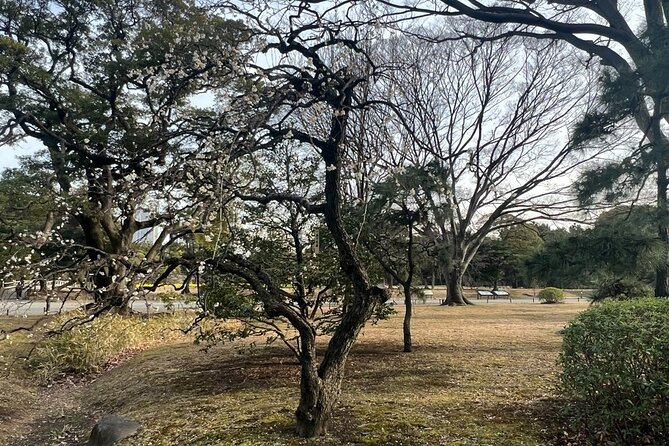
This is designed as a walking experience with a clear start and finish. You begin at Otemon Bridge (near Ginza) and the tour ends at Shiodome Station. That matters because it lets you plan the rest of your day with less stress.
The end point is well connected. From Shiodome Station, you can use the Yurikamome and the Toei Oedo Line to keep moving across Tokyo. When a tour ends at a transit hub, you don’t lose time circling back or trying to find a new route on the fly.
Duration is also a key part of planning: it runs about 1 hour 30 minutes to 2 hours 30 minutes. That window is long enough to take in real garden detail, but not so long that you lose the rest of the day. If your Tokyo schedule is tight, this kind of duration hits a sweet spot: restful, but not heavy.
Also, the group size stays small (maximum 4). Small groups usually mean less waiting and more chance to ask questions. It helps you move through the garden with purpose while still feeling unhurried.
Optional add-ons that can change your day
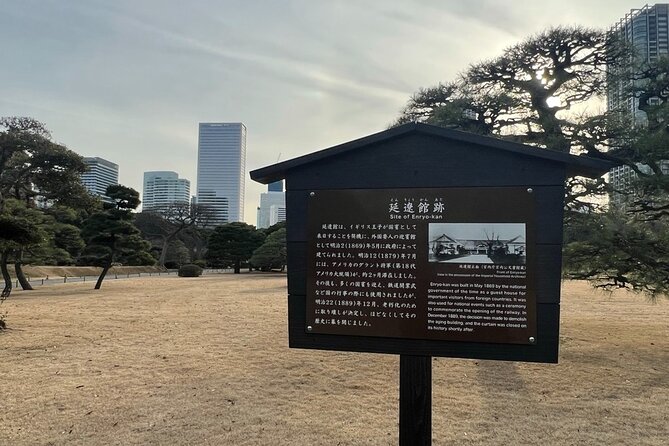
After the garden, you may see additional stops. These are listed as optional, and they’re mostly there for variety rather than being required highlights.





Advertising Museum Tokyo (optional)
This museum focuses on Japanese advertising, including how it has changed over time and differences between Japanese and foreign advertising. If you like design, media history, branding, or you simply want something creative to break up the garden theme, this can work well.
The admission is free, and the stop is short (about 35 minutes). That makes it a reasonable add-on if you’re nearby and in the mood for something lighter and modern.
Hayao Miyazaki-inspired clock stop (optional)
There’s also a short stop for a steampunk-style copper karakuri clock associated with Hayao Miyazaki. When the time is up, lights come on and the clock starts moving with music.
This is the kind of quick, fun pause that’s easy to appreciate even if you’re not a deep follower of animation lore. Since the stop is brief (about 10 minutes) and free, you’re not sacrificing much time if you decide to include it.
Hibiya Shrine (optional)
Then there’s Hibiya Shrine, a shrine with a history of about 400 years. It enshrines the god of agriculture and the god that drives away impure.
This stop brings a different cultural flavor—more spiritual and local than the museum or animation-based clock. It’s also brief (about 15 minutes), so it won’t turn the experience into an all-day shrine-hopping mission.
If you want a garden-focused day, you can treat these as bonus options. If you like variety, you can add one or more and turn the day into a small Tokyo mashup: traditional gardens, pop culture details, and local shrine atmosphere.
Price and value: is $85.84 worth it?
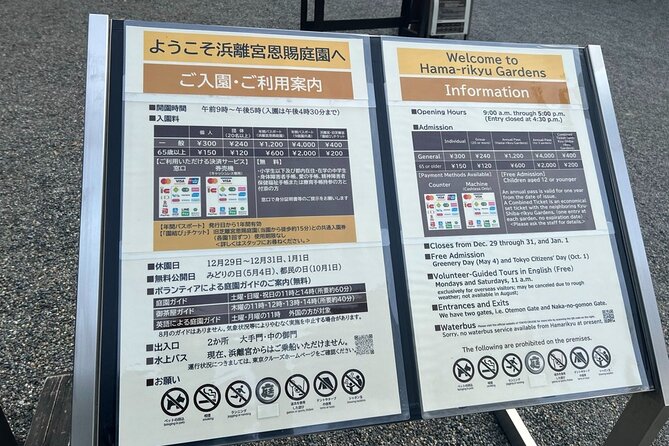
The price is $85.84 per person, and it typically gets booked about 49 days in advance. To judge value, look at what’s included rather than the number.
You’re paying for:
- Entry into the main garden experience
- Guided explanations about the garden’s history and design background
- Time in the tea ceremony room
- Matcha green tea and Japanese sweets included
The included tea and sweets aren’t just a tiny tasting. It’s a whole experience built into the garden setting. That alone can justify the cost for people who want matcha but don’t want to hunt for a good place on their own.
On top of that, the guidance is central. Without the explanations, the dry landscape garden and the circular design might feel like “pretty, nice, and serene.” With the guide, you get garden culture context—so your time feels more earned and less like you simply walked through.
The group size (max 4) is another quiet value booster. Smaller groups often mean more attention, fewer delays, and a more comfortable pace.
So for me, the deal looks strongest if you:
- want guided context, not just admission
- care about tea culture as part of the travel experience
- prefer a calmer, smaller group pace
If you already know a lot about Japanese gardens and only want free time, you might be able to DIY it for less. But if you want the garden design translated into something you can actually see and understand, this price feels reasonable for what you get.
Practical tips that make the tour smoother
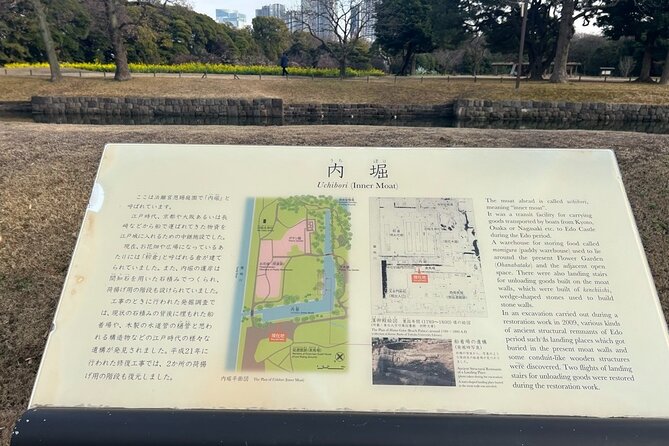
Even with a calm pace, this tour includes walking. The recommendation is simple: wear comfortable walking shoes.
Here are a few practical things I’d plan around:
- Expect time on foot inside the garden where you’ll want stable shoes for uneven or garden-path surfaces.
- Bring a light layer. Tokyo mornings and afternoons can change, and garden air can feel cooler in certain areas.
- Use the mobile ticket. It’s meant to reduce friction so you can spend energy on the garden, not paperwork.
Also note that the tour is near public transportation and uses major meeting and ending points. That helps if you’re combining this with other Ginza/Shiodome plans. When your start and end are transit-friendly, it’s easier to avoid wasting half your day just commuting.
Finally, consider the optional stops as mood-based decisions. If you want a museum break, Advertising Museum Tokyo is there. If you want something fun and mechanical, the Miyazaki-themed clock stop adds a bit of playful Tokyo charm. If you want a quieter cultural moment, Hibiya Shrine fits.
Should you book the Hama-rikyu Gardens tour with tea?
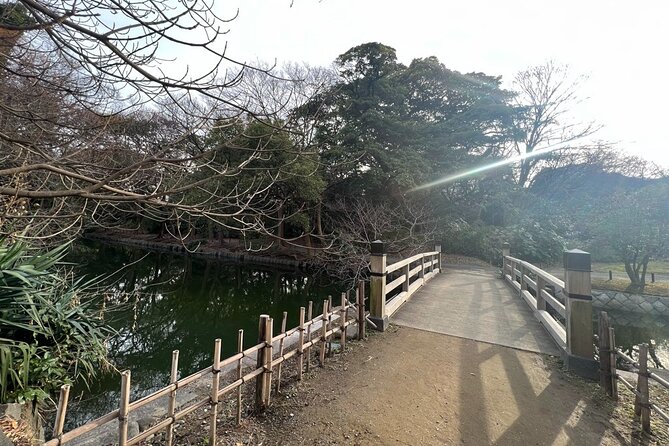
Book it if you want a guided garden experience that goes beyond scenery. You’ll learn why the garden is laid out the way it is, not just where to stand for photos. The inclusion of matcha and Japanese sweets in a tea room inside the garden turns the day into something more complete.
Skip or rethink if you’re the type who dislikes walking or you only want a quick entry ticket. This tour is designed as a paced walk with explanations, plus a planned tea moment.
If you’re visiting Tokyo and you want one experience that feels distinctly Japanese—garden design, tea culture, and seasonal plant beauty—this is a strong choice. And with a small group size, it stays relaxed rather than feeling like a checklist.
FAQ
How long does the tour take?
The experience runs about 1 hour 30 minutes to 2 hours 30 minutes.
What does the tour include?
It includes admission for the main garden visit, and a tea ceremony room experience with matcha green tea and Japanese sweets.
Where does the tour start and end?
It starts near Otemon Bridge and ends at Shiodome Station.
Are the other stops required?
No. The Advertising Museum Tokyo, the Miyazaki-themed clock stop, and Hibiya Shrine are listed as optional add-ons.
Is the tour ticket mobile?
Yes, you receive a mobile ticket.
How big is the group?
The tour has a maximum of 4 travelers.
What if I need to cancel?
You can cancel for a full refund up to 24 hours before the experience’s start time. Free cancellation is available, and timing is based on the local time of the experience. If the minimum number of travelers isn’t met, you’ll be offered a different date or a full refund.