REVIEW · TOKYO
Tokyo, half day : private tour with an expert !
Book on GetYourGuide →Operated by Urban Trekkers · Bookable on GetYourGuide
Four hours in Tokyo, expertly paced. This private half-day is built for first-time visitors who want the big hitters without wandering in circles, with an expert guide handling the flow, the culture notes, and even video moments.
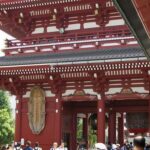
I especially love the quiet contrast of Meiji Shrine and its forested paths, where Tokyo noise feels miles away. I also like how the plan mixes that calm with high-energy downtown sights, including the iconic red temple at Senso-ji and the famous crossing area in Shibuya.
One consideration: this is a tight 4-hour sampler, and entrance fees, transportation, and food aren’t included, so you’ll want a little cash buffer and realistic expectations about how much time you can spend inside each place.
In This Review
- Key highlights to notice before you go
- A private half-day that feels like Tokyo, not a checklist
- Getting set up: Asakusa pickup and flexible drop-off
- Meiji Shrine forest walk: a calmer Tokyo reset
- Senso-ji and the red temple: why it’s famous
- Shibuya Crossing with video help: getting the shot without the stress
- Price and value: what you’re paying for (and what’s extra)
- Language, comfort, and pace: how it works day-to-day
- Who this Tokyo half-day tour suits best
- Should you book this tour?
- FAQ
- How long is the Tokyo private tour?
- Where does the tour start and where do you return?
- What languages are available for the tour guide?
- Is the tour wheelchair accessible?
- What is included in the $82 price?
- Do I need to pay for entrance fees, transportation, and food separately?
- Is free cancellation available and can I pay later?
Key highlights to notice before you go
- Meiji Shrine forest time: a breather from the city, guided so you know what you’re looking at
- Senso-ji and the red temple vibe: famous for a reason, with an expert to help you make sense of it fast
- Shibuya Crossing with video help: you’ll be positioned so you can actually get usable footage
- Private group pacing: no waiting for a big bus schedule, and the guide can adjust to your preferences
- Asakusa pickup/return focus: easy to start and end in one area while still covering Tokyo icons
- French, English, Portuguese guides: comfort matters when you’re trying to absorb a new culture in real time
A private half-day that feels like Tokyo, not a checklist
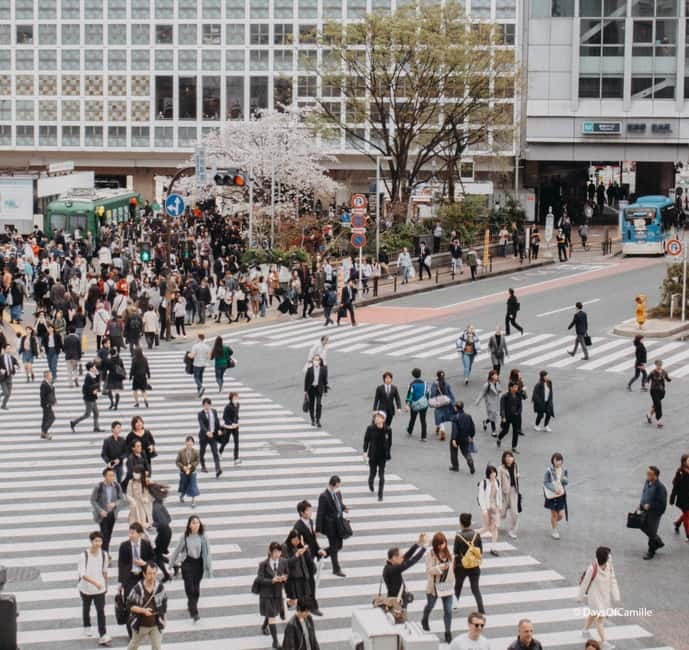
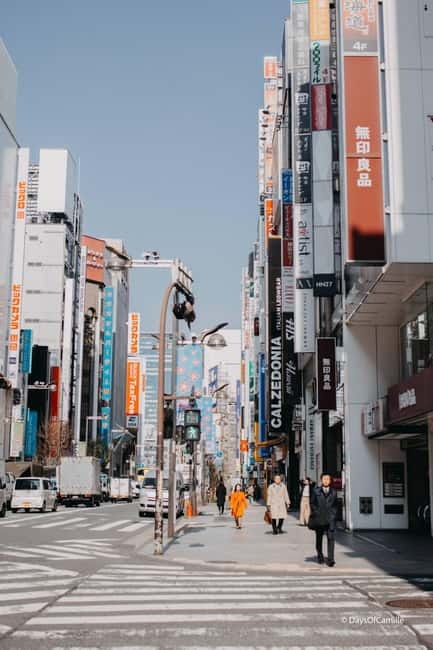
Tokyo can be overwhelming on your first day. Streets are busy, signage isn’t always intuitive for non-readers, and it’s easy to waste time just trying to understand where you are. This tour works because it’s private and paced for discovery rather than speed-running.
You get an experienced tour guide and an itinerary that’s created around what you like. That sounds vague until you’re standing in front of an important site and realizing your questions actually get answered, not brushed off. If you care about culture, photos, or just getting your bearings fast, the guide’s job is to keep you moving in the right direction.
It’s also only 4 hours, so think of it as a strong orientation and photo-and-feel introduction. If your goal is deep museum time or long, unbroken browsing, you’ll probably want a longer tour later.
You can also read our reviews of more private tours in Tokyo


Getting set up: Asakusa pickup and flexible drop-off
The tour lists Asakusa as the pickup location and the return point. At the same time, the pickup system is flexible—you can decide where you want to be picked up and dropped off. In practice, that’s useful if you’re staying near a major station, or if you want the tour to start closer to where you’re already planning to be.
Why this matters: in Tokyo, “where you start” can shape the whole day. If you begin in a practical location, you spend your energy on sights, not transfers and timing puzzles.
You’ll want to plan around the realities of short tours. If you’re late to the meeting point (or traffic runs long), there’s less buffer to make it up. So I’d treat the meeting time as firm and plan a little extra margin.
Meiji Shrine forest walk: a calmer Tokyo reset
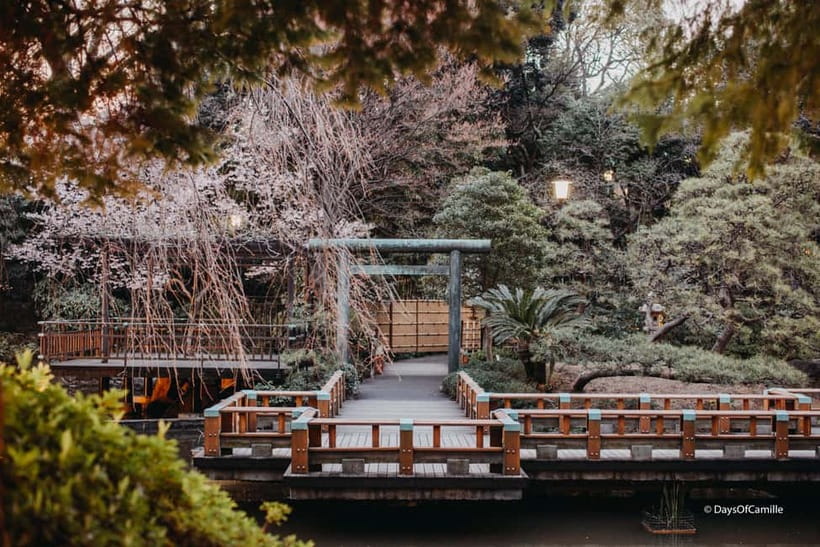
Meiji Shrine is the kind of place that makes Tokyo feel human again. Instead of a nonstop visual assault, you get the sensation of stepping into a forested pause—still inside the city, but with a different rhythm.
What you’ll love here is the contrast. You’ll go from the energy of modern Tokyo to a sacred space designed for reflection. A good guide makes that difference stronger by explaining what you’re seeing and why the rules and rituals exist—so it doesn’t feel like you’re just following camera angles.
In a tour like this, you don’t need to overthink the mechanics. Your job is to slow down enough to notice details: the atmosphere, the layout, and the way visitors move through the space. When time is limited, that’s the best strategy.
Possible drawback? Because the tour is half-day, you may not get long stretches of quiet. If your dream is an unhurried shrine experience with lots of stops to read and absorb, you might feel slightly time-pressed. Still, as a first introduction, it’s a very strong use of your morning or afternoon.
Senso-ji and the red temple: why it’s famous
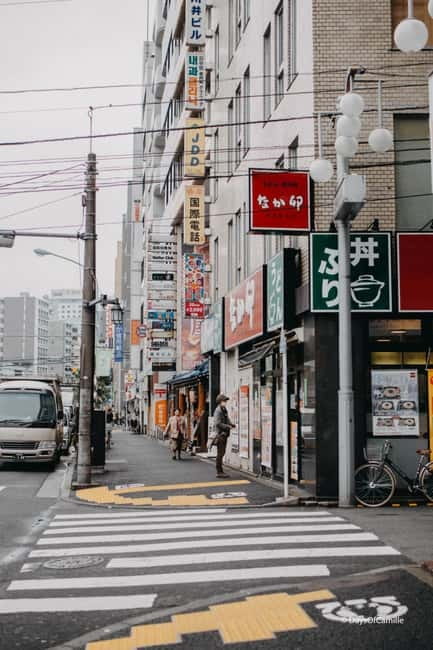
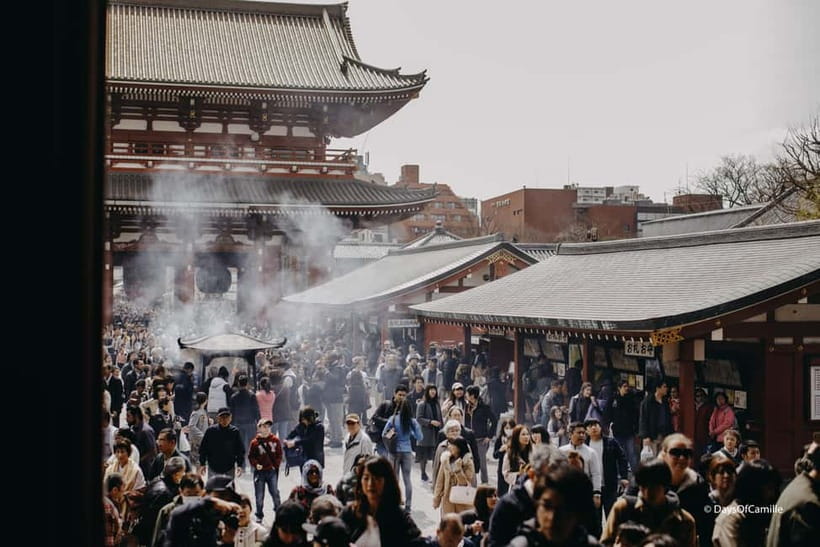
Then the tour shifts gears to Senso-ji, known for its striking red temple look and its role as a major Asakusa landmark. This is one of those sights where even if you’ve seen photos a hundred times, being there in person still hits different.
The value of an expert guide here is context. Temple spaces can look similar at a distance, but the meaning, symbolism, and visitor flow tend to vary. With a guide, you’re less likely to miss the parts that make the place feel authentic rather than generic.
You’ll have about 1 hour for the Asakusa area during the tour window. That’s enough for a meaningful walk, photos, and a feel for the neighborhood, but it’s not enough for heavy shopping or long, multi-stop wandering. If you want specific souvenirs or you’re hoping to linger, you’ll want to prioritize what you care about most.
Also remember: entrance fees aren’t listed as included. Depending on what you choose to do once you’re there, you may want to budget a bit so you’re not stuck deciding last minute.
Shibuya Crossing with video help: getting the shot without the stress
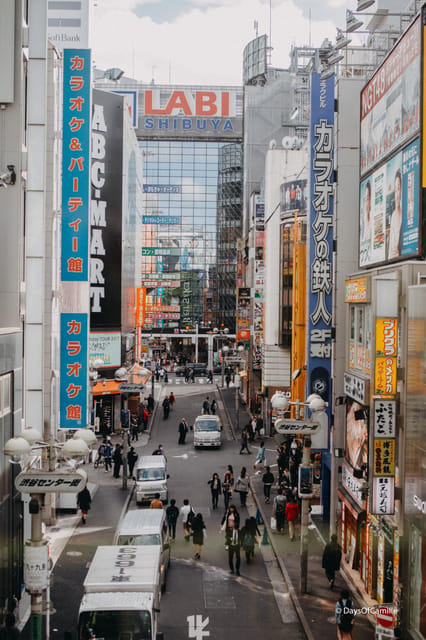
Shibuya Crossing is one of those places people think they understand—until they’re standing in it. It’s busy, loud, and full of movement. You can absolutely capture photos on your own, but it’s harder to get clean, usable video if you don’t know where to stand and when.
This tour includes video help: you’ll take videos for you as part of the experience. That’s a big deal because the crossing isn’t just a background. It’s the main event. Having someone handle positioning and timing means you can focus on enjoying it rather than juggling camera settings and constant crowd shifts.
What I like about this inclusion is practicality. A guide isn’t just a walking encyclopedia here. It’s about making sure your memories are actually usable. And that matters more than people think.
Consideration: the crossing is outdoors and crowd-dependent. If you’re hoping for a perfectly quiet moment, you may not get it. But if your goal is to experience the iconic moment and get footage without the hassle, this is exactly the right kind of help.






Price and value: what you’re paying for (and what’s extra)
The price is $82 per person for a 4-hour private tour. On its own, that number can look either reasonable or high depending on what you expect to be included.
Here’s the value logic I see:
- You’re paying for a guide who handles interpretation and pacing.
- You’re paying for itinerary creation, not just a pre-set route you’re forced to follow.
- You’re also paying for private time, which is typically what makes short tours feel worth it in a city as big as Tokyo.
What’s not included is equally important. You’ll cover transportation fees, entrance fees, and food and drinks on your own, and a private vehicle isn’t included. So the true total cost depends on your choices and where you’re coming from.
In other words: this tour is best when you use it as the guided “core” of your day, not when you expect it to pay for everything in Tokyo. If you plan ahead—ticket budget, transit budget, and a quick snack plan—you’ll feel much better about the final spend.
Also, because the tour is private, you don’t have to spend extra time coordinating with strangers. That alone often saves money in the form of less wasted transit and less “oops, we missed that” frustration.
Language, comfort, and pace: how it works day-to-day
You can get a live guide in French, English, or Portuguese, which is a real advantage in Tokyo. When you can ask questions in a language you’re comfortable with, you get more out of every stop.
The tour is also wheelchair accessible. That’s worth noting because Tokyo can be challenging for mobility depending on where you go. While the details of every exact pathway aren’t listed here, the accessibility inclusion signals that the provider intends the experience to be workable for more than just fully mobile guests.
This is a private group, so your pace can be realistic. Instead of being herded along, you can take breaks when you need them, and you can tell the guide what you want to prioritize. One additional hint from prior experiences: guides like Aziz are the style that pays attention to your preferences and shows you the best spots for what you’re trying to do.
Who this Tokyo half-day tour suits best
This is a great fit if:
- You’re in Tokyo for a short time and want Meiji Shrine, Senso-ji, and Shibuya in one focused arc
- You’d rather have a guide interpret what you’re seeing than just take random photos
- You want someone to help with logistics so you don’t waste your first day decoding public transit and temple etiquette
- You care about getting good video rather than settling for shaky clips
It’s less ideal if:
- You plan to spend hours shopping, reading every sign, or doing multiple deep stops at each location
- You hate the idea of adding separate costs for entrance fees and transit
In short: if you want a smart “Tokyo introduction,” this works. If you want a slow, thorough day with zero time pressure, you’ll probably enjoy a longer tour more.
Should you book this tour?
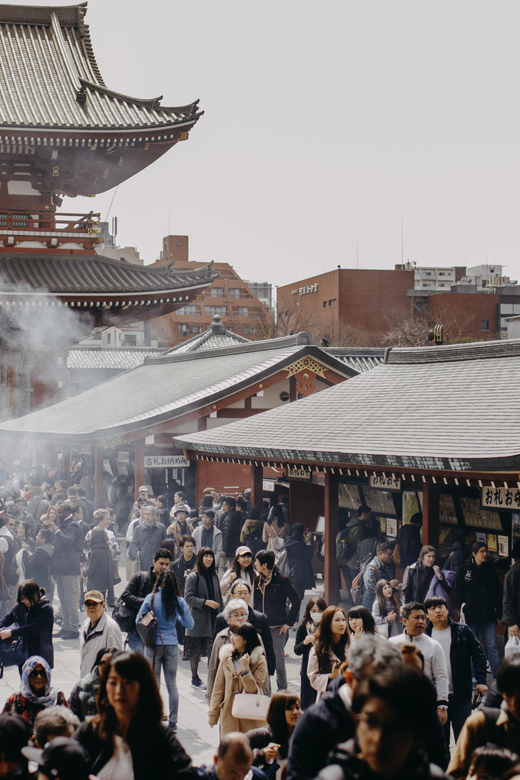
If you’re trying to make your first Tokyo day feel confident and well-paced, I’d say yes. The combination of Meiji Shrine forest, Senso-ji’s red temple, and Shibuya Crossing—handled with a private expert guide—covers the emotional range of Tokyo: calm, sacred, and electric.
Book it if you want value through time. You’re buying guidance, interpretation, and reduced stress, not just access to places you could reach on your own. Skip it if you want to control every minute independently or you’re expecting the price to cover all entrances, transit, and meals.
FAQ
How long is the Tokyo private tour?
It lasts 4 hours.
Where does the tour start and where do you return?
The pickup location is listed as Asakusa, and you also arrive back at Asakusa. The tour also notes that pickup and drop-off are flexible, so you can decide where you want to be picked up and dropped off.
What languages are available for the tour guide?
The live tour guide speaks French, English, and Portuguese.
Is the tour wheelchair accessible?
Yes, it is listed as wheelchair accessible.
What is included in the $82 price?
Included is an experienced tour guide and itinerary creation.
Do I need to pay for entrance fees, transportation, and food separately?
Yes. Transportation fees, entrance fees, private vehicle, and food and drinks are not included.
Is free cancellation available and can I pay later?
Yes. You can cancel up to 24 hours in advance for a full refund, and you can reserve now & pay later (book without paying today).
If you tell me your hotel area and the time of day you prefer (morning vs afternoon), I can help you think through which sights are best to prioritize in a 4-hour window.