REVIEW · TOKYO
Home made Ramen you made from scratch!!
Book on Viator →Operated by Hideki Ramen Cooking Studio · Bookable on Viator
Ramen from scratch is shockingly satisfying. I love that you make ramen from scratch with Hideki, a chef with about 10 years of ramen-restaurant experience, and the studio is well placed near Shinagawa for easy onward trips to Ginza, Shibuya, Shinjuku, and Haneda.
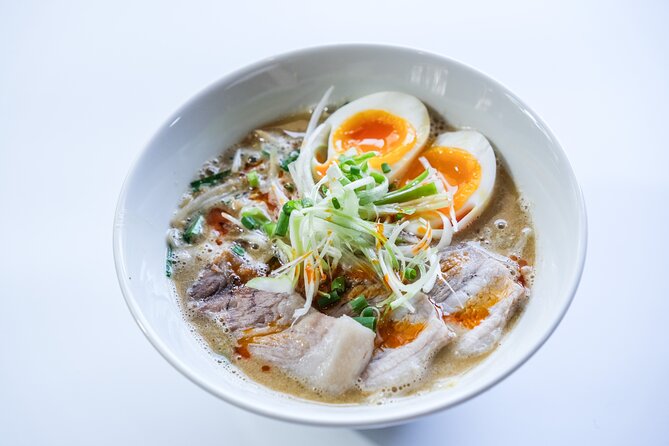
I also love the step-by-step structure that focuses on the building blocks of real flavor. You’ll work on dashi soup stock and make nitamago (ramen-style boiled egg), then move on to chashu and gyoza.
One consideration: the class costs $115 per person for about 3 hours, so it’s best if you want to cook, not just snack your way through Tokyo.
In This Review
- Key things that make this ramen class special
- Why this Tokyo ramen class feels more real than a demo
- Getting to Hideki Ramen Cooking Studio near Shinagawa
- The 3-hour flow: what happens after you arrive
- What you’ll cook: dashi, nitamago, chashu, and gyoza
- Dashi: the broth foundation you can recreate
- Nitamago: ramen-style egg, not just boiled egg
- Chashu: pork that tastes like it belongs in ramen
- Gyoza: dumplings alongside ramen
- Lunch included: eating the ramen you built
- Drinks: plan for extra costs
- Price and value: is $115 per person fair?
- Who should book this ramen class?
- Practical tips to make the class easier
- Should you book Hideki’s homemade ramen class?
- FAQ
- How long is the ramen cooking class in Tokyo?
- Where is the meeting point for the class?
- What do I cook during the class?
- Is lunch included, and are drinks included?
- How many people are in the group?
- How far in advance should I book?
- Can I cancel for a full refund?
Key things that make this ramen class special
- Hideki is the pro in the kitchen: about 10 years working at ramen restaurants, with patient, careful instruction
- You build ramen from scratch: noodles and soup stock, not just assembly
- You learn the key ramen components: dashi, nitamago, and chashu, plus gyoza dumplings
- Small group for better attention: maximum 4 travelers, plus a friendly, hands-on pace
- Take-home help: you get a recipe instruction booklet you can use later
- Easy access from major Tokyo areas: convenient for Ginza, Shibuya, Shinjuku, Shinagawa, and Haneda
Why this Tokyo ramen class feels more real than a demo
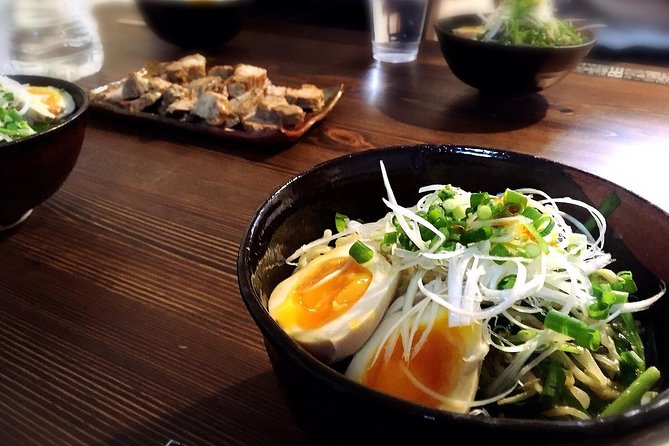
There’s a big difference between watching ramen get made and actually making it. This class is built around the idea that you’ll leave knowing how the dish is constructed—so you can recreate it later instead of remembering a nice photo.
What I like most is how the experience treats ramen as a system. You don’t just learn one trick. You work on the soup stock foundation, the egg, the pork chashu, and the dumplings, all with clear steps. That means when your bowl tastes right (or not at first), you understand why.
I also appreciate the host’s background and how it translates into the lesson. Hideki’s experience matters because ramen timing and texture are unforgiving. Several people highlight how he stays patient during the steps and helps guide the finish so the end result lands close to the quality of a restaurant bowl.
The setting is also part of the appeal. The class takes place in a studio near Shinagawa, and the vibe is small and personal. It’s the kind of experience where you get your bearings quickly and feel comfortable asking questions while your hands are busy.
You can also read our reviews of more tours and experiences in Tokyo.



Getting to Hideki Ramen Cooking Studio near Shinagawa
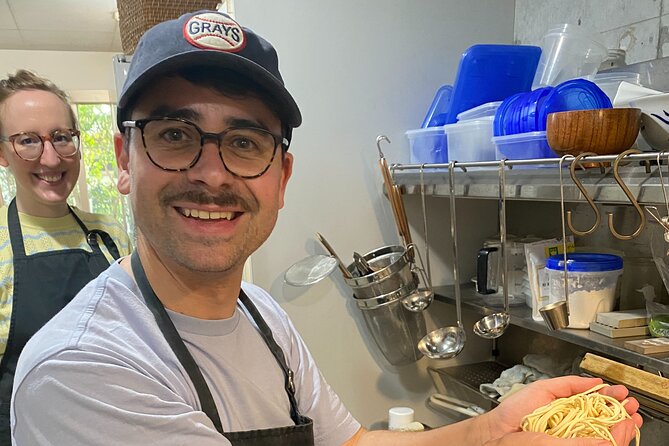
Location matters in Tokyo, and this one helps. Your meeting point is Hideki Ramen Cooking Studio, 6-chōme-15-3 Minamishinagawa, Shinagawa City, Tokyo 140-0004, Japan, and the activity ends back at the same spot.
This is a practical pick if you’re using Tokyo as a base and you don’t want to lose half a day traveling. Minamishinagawa sits on the path of many day routes, which makes it easier to fit this into a meal plan between sightseeing days in Ginza, Shibuya, Shinjuku, and Shinagawa.
You’re also not left guessing. The experience notes it’s near public transportation, and communication is set up so you can confirm how to meet. In real terms, that means you spend less time stressing about platform numbers and more time getting ready for dinner.
Finally, it’s a small group (maximum 4). That affects logistics, too. When the group is tiny, the start time tends to feel smoother because the host isn’t herding a crowd.
The 3-hour flow: what happens after you arrive
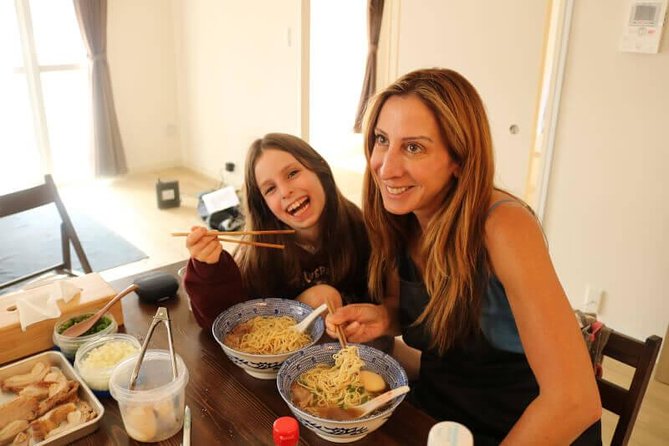
The class runs for about 3 hours. The structure is hands-on from the beginning, with a pacing that starts calm and then ramps up as you move from prep to cooking.
Here’s how the flow typically makes sense once you’re in it:
First, you work on the dashi foundation. This is where ramen becomes ramen. Stock isn’t a side detail—it’s the flavor backbone. You’ll learn how to prepare it as part of the class, which gives you a real baseline for what “good ramen broth” should feel like.
Next you shift to items with different textures and timing. That includes nitamago (ramen-style boiled egg). Boiling eggs for ramen is its own skill because the goal isn’t just cooked-through. The aim is the right style and consistency so it tastes like it belongs in a proper bowl.
Then comes the pork chashu work. This is where many people realize that patience is part of the recipe. Even if you’re not controlling everything from start to finish, the process teaches you what to watch for so you can understand what makes chashu taste rich and not heavy.
While the ramen components are coming together, you also make gyoza dumplings. That adds a second cooking track, which is great because it keeps the session from feeling like one long broth-only activity.
By the end, you’re eating what you made: a lunch-style ramen meal built from your work.
What you’ll cook: dashi, nitamago, chashu, and gyoza
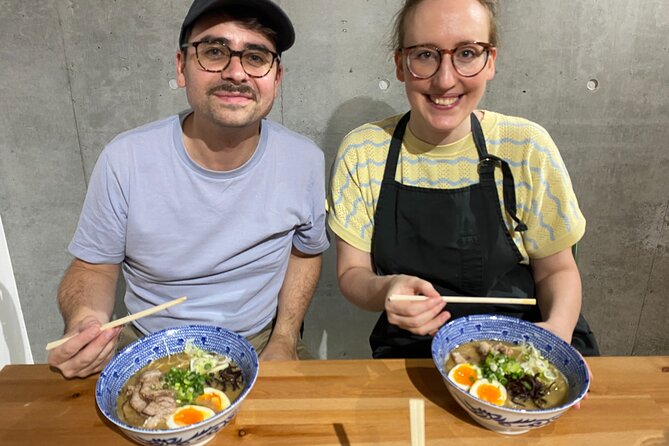
This is not a general cooking class where ramen is one stop on a menu. It’s designed to teach “real ramen” steps, with ramen-specific techniques you can actually repeat later.
Dashi: the broth foundation you can recreate
You’ll learn how to prepare dashi as soup stock. That matters because dashi sets the tone for everything else. If your broth tastes flat, the bowl never fully comes alive. If your broth has the right balance, everything—eggs, noodles, pork—tastes like it fits.
I like that this class doesn’t skip over the hard part. A lot of “ramen classes” are mostly assembly. Here, the stock step is included, which gives you the knowledge you need instead of just a finished result.






Nitamago: ramen-style egg, not just boiled egg
The nitamago part is practical. You’ll learn how to make a ramen-style boiled egg, which is a key bowl component in many styles of Tokyo ramen. The lesson helps you understand how ramen eggs get that classic feel.
Even if you don’t make eggs often at home, this is the kind of skill that upgrades your meals fast. Once you learn the basic approach, you can adapt it for future bowls.
Chashu: pork that tastes like it belongs in ramen
You’ll cook chashu (boiled pork). The point isn’t only flavor. Chashu also brings texture and richness to the bowl. Learning this as part of the session means you see how pork is treated to match ramen’s overall balance.
One detail that’s worth noting for your expectations: some parts of cooking are handled by the host to get the restaurant-style timing right. That’s a good thing, not a flaw. It means you don’t get stuck waiting while the most sensitive parts finish perfectly.
Gyoza: dumplings alongside ramen
You also cook gyoza dumplings. That’s valuable because it adds variety to your skills. You’ll go home knowing how to make the dumpling component you often see in Japanese meal sets, not just ramen.
If you’re the type of traveler who loves practical souvenirs—skills you can repeat—this is a strong inclusion. You’ll use it at home long after the Tokyo memories fade.
Lunch included: eating the ramen you built
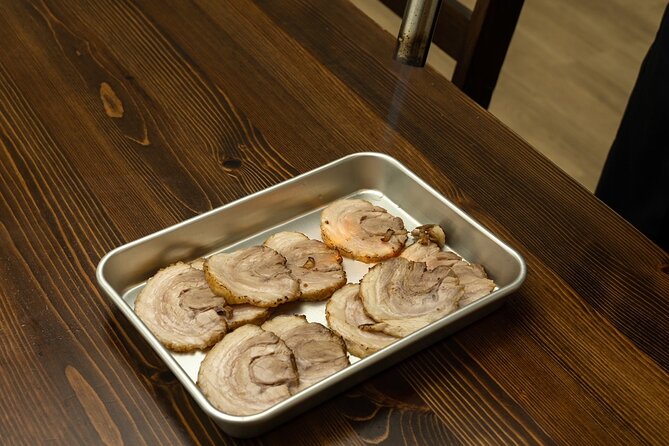
Lunch is included: the ramen you made from scratch. That’s one of the best ways to judge a cooking class—if the food you make tastes good, the lesson likely has real technique behind it.
You’ll be eating your own work, which changes the whole experience. It’s not “watch and leave.” You’ll taste the result of your dashi, your nitamago approach, your chashu method, and your overall bowl construction.
It also helps that the studio is in a place that you can combine with a day out. You can plan this as your lunch anchor, then continue exploring Tokyo afterward without scrambling to find something quick.
Drinks: plan for extra costs
Alcoholic beverages are not included. The class notes that alcohol and soft drinks are additional cost. So if you’re thinking of pairing your meal with a drink, budget a little extra.
That’s not a deal-breaker, just something to factor in if you’re comparing total spend against other food experiences in Tokyo.
Price and value: is $115 per person fair?
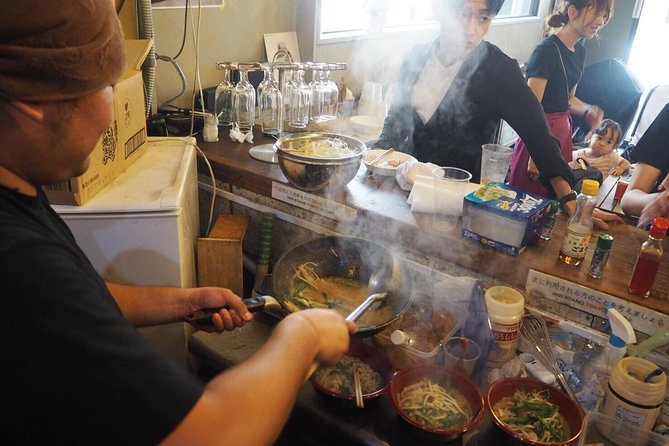
At $115 per person, this isn’t a budget activity. But it also isn’t overpriced for what you get—because you’re paying for training and time with a ramen chef, plus ingredients and lunch made by your hands.
Here’s why the value works (or doesn’t), depending on your travel style:
- You get hands-on cooking of key ramen components, including stock and noodles from scratch.
- The group size is small (max 4), which usually means more attention than you’d get in larger classes.
- You receive a recipe instruction booklet to help you reproduce what you learned at home.
- Lunch is included, which makes it easier to justify the total cost versus paying separately for a meal.
You might find it’s an especially good deal if you’re traveling with a partner or friend. The experience includes group discounts, so the per-person value can improve when you share the cost in a small group.
Also worth noting: confirmation is received within 48 hours depending on availability, and the tour is commonly booked about 7 days in advance on average. If you wait too long, the best time slots may disappear.
Who should book this ramen class?
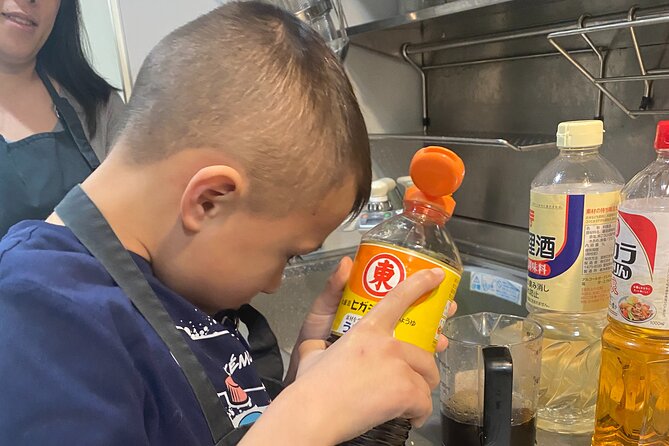
This fits best if you want an experience with a clear skill outcome.
I’d prioritize it if:
- You love ramen and want to understand what makes it taste like restaurant ramen
- You like cooking lessons where you actually do the work
- You want a small-group class with a friendly host who communicates clearly
- You plan to cook at home and want a recipe guide to follow
I’d be a bit more careful if:
- You’re only interested in eating (and not learning), because you’ll be busy making components
- You’re on a tight budget and need the cheapest possible Tokyo activity
- You’re short on time, since it’s still a commitment of about 3 hours
The good news is that the class is near public transportation, so it’s not the kind of hidden out-of-the-way activity that punishes you with extra transit stress.
Practical tips to make the class easier
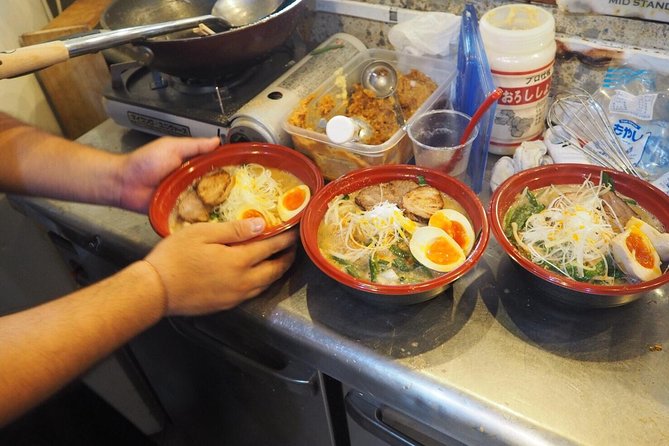
A few small things can make your first cooking class in Tokyo go smoother:
- Arrive a touch early at the studio address so you can get settled before cooking starts.
- If you’re running late due to train timing, use the host’s communication channel. Clear contact is part of the experience style.
- Wear comfortable clothes. You’ll be actively working during prep and cooking.
- Go in hungry, then remember you’re making lunch too. You’ll want space for what you create.
If you’re worried about language barriers, the class approach seems designed for hands-on instruction. Plus, the take-home booklet makes it easier to go back later and follow the steps without translating everything from memory.
Should you book Hideki’s homemade ramen class?
I think you should book this Tokyo ramen class if you want a true ramen skill lesson and you like small-group experiences. It’s one of the few options where the centerpiece isn’t just tasting—it’s learning how broth, eggs, pork, noodles, and dumplings come together.
The biggest reasons to choose it are simple: you learn dashi, nitamago, and chashu, you also make gyoza, and lunch is included as the payoff. The host’s patient approach and the take-home instruction booklet help you carry the experience beyond the meal.
Price-wise, it’s a thoughtful spend rather than a bargain. But if you treat it as a hands-on workshop and not a casual food stop, the $115 per person starts to make sense fast.
If you’re unsure, use this quick filter: if you’d feel disappointed leaving without a clear recipe you can repeat, then this is your kind of class. If you just want a quick bite with minimal work, you’ll likely prefer an easier meal-focused plan.
FAQ
How long is the ramen cooking class in Tokyo?
The class runs for about 3 hours.
Where is the meeting point for the class?
You meet at Hideki Ramen Cooking Studio, 6-chōme-15-3 Minamishinagawa, Shinagawa City, Tokyo 140-0004, Japan. The experience ends back at the meeting point.
What do I cook during the class?
You’ll make homemade ramen from scratch, including dashi soup stock, nitamago (ramen-style boiled egg), and chashu (boiled pork). You’ll also cook gyoza dumplings.
Is lunch included, and are drinks included?
Lunch is included as the ramen you made from scratch. Alcoholic beverages are not included, and soft drinks (as well as alcohol) are an additional cost.
How many people are in the group?
The class has a maximum of 4 travelers, so it’s a small group experience.
How far in advance should I book?
On average, this experience is booked about 7 days in advance.
Can I cancel for a full refund?
Yes. You can cancel for a full refund up to 24 hours before the start time.