REVIEW · TOKYO
Tokyo – Grand Sumo Tournament
Book on Viator →Operated by Island Travel Specialists · Bookable on Viator
Sumo in Japan is a loud, living tradition. This ticket-only experience gets you into the arena with prebooking, plus real context for what you’re seeing and why fans care so much. What I like most is the way the culture gets explained in plain terms, and how the crowd energy can feel like major league sports. One thing to consider: if your main goal is watching wrestlers practice, schedule changes can mean you don’t get as much training-stable time as you hoped.
This runs out of Ryōgoku Edo Noren Japan near the Kokugikan area, with a clear start time at 10:00 am and a group size capped at 20. The “ticket-only” approach also means you’re not paying for hotel pickups or a long sightseeing detour. Admission is included, but you’ll still want to handle your own getting there since transportation is not part of the deal.
Across the year, the tournament location shifts: Tokyo for specific date ranges and Osaka for others. Seat upgrades are available for an extra fee, and you’ll receive confirmation at booking time. If you’re comfortable navigating a short, structured plan around a stadium event—and you’re okay with the occasional schedule wobble—you’ll likely find this a strong value for a once-a-year kind of sport day.
In This Review
- Key things to know before you book
- Ryōgoku Kokugikan: the stadium where sumo drama happens
- What “ticket-only” really means on the ground
- Tokyo vs Osaka: pick your dates, then pick your vibe
- The culture side: rituals, training talk, and why fans care
- Price and value: is $565 worth it?
- Logistics that can make or break your day
- The experience fit: who this tour is great for
- Should you book Tokyo/Osaka grand sumo?
- FAQ
- Where is the meeting point for the Tokyo grand sumo experience?
- What time does it start?
- How long is the experience?
- Is admission included in the price?
- Is transportation included?
- Is there a tour guide during the event?
- Can I upgrade my seats?
- Does it always take place in Tokyo?
- What is the cancellation policy?
Key things to know before you book
- Prebooking matters for a popular ticket: it’s designed to secure your spot for a high-demand event.
- Small group size (max 20) keeps the experience from feeling chaotic, even with a no-frills format.
- Admission is included in the price, so you’re paying for access plus cultural setup.
- Tokyo or Osaka depends on your date: the venue changes with the tournament window.
- Paper ticket and seat upgrades: you may pay extra to sit closer or with a better view.
- Training access can vary: if practice viewing is on your wish list, be flexible.
Ryōgoku Kokugikan: the stadium where sumo drama happens
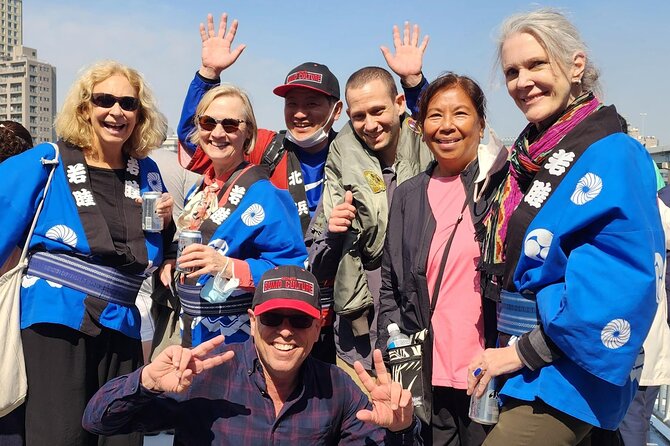
If you want to see sumo at its most “real,” aim for the arena. Ryōgoku Kokugikan is the place where the sport’s pageantry becomes more than stories. You’re not just watching two athletes push; you’re watching a highly practiced ritual that fans treat like it’s major league entertainment.
One of the best parts of the day is the atmosphere. The crowd reaction can be intense in the way sports crowds are intense, with cheering that rises and falls fast. That matters, because sumo is still easier to follow when you understand the flow—what leads to a pause, what signals a key moment, and why certain actions make people react.
You’ll be starting at Ryōgoku Edo Noren Japan (Yokoami, Sumida City) and heading straight to the arena setting. Since the activity ends back at the meeting point, you don’t need to plan an end-of-day transit puzzle.
You can also read our reviews of more tours and experiences in Tokyo.



What “ticket-only” really means on the ground
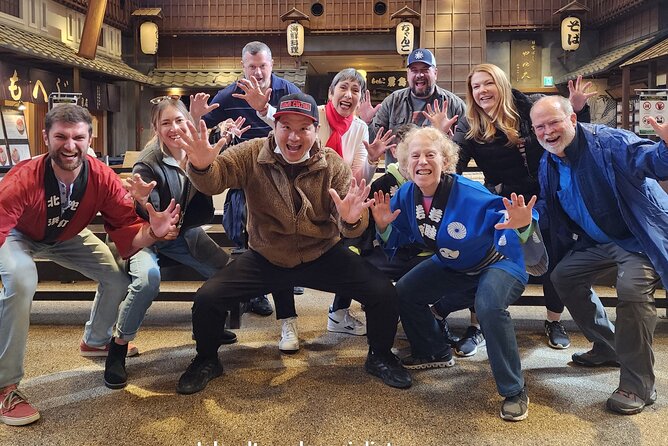
The format is mostly about your entry and your match time. This is not a full-day guided tour with a long checklist of stops. It’s ticket-focused, with cultural explanation packaged around the experience rather than replacing it.
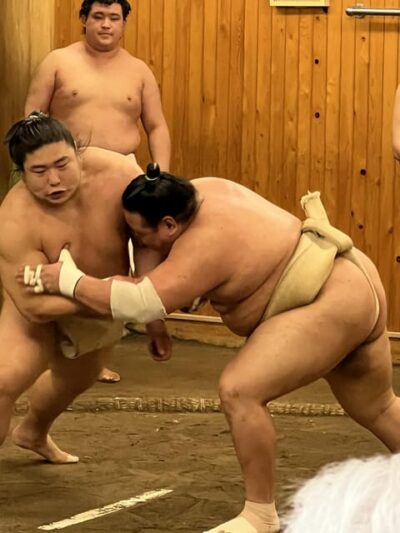
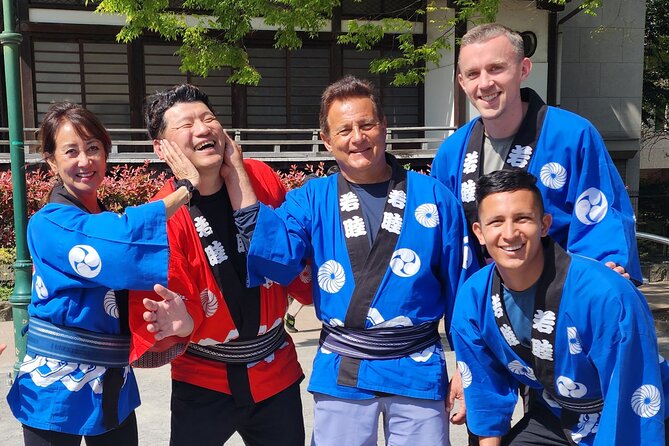
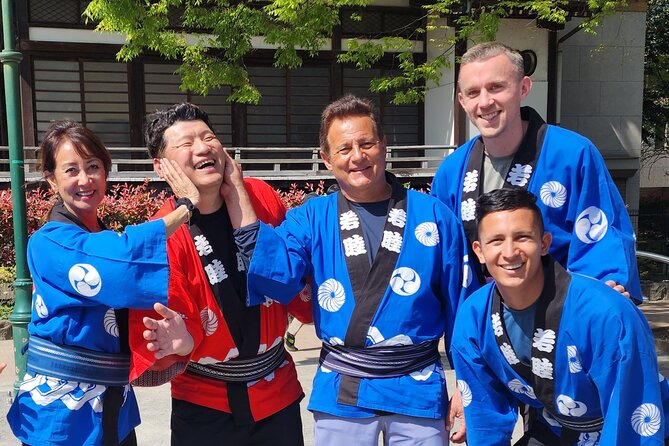
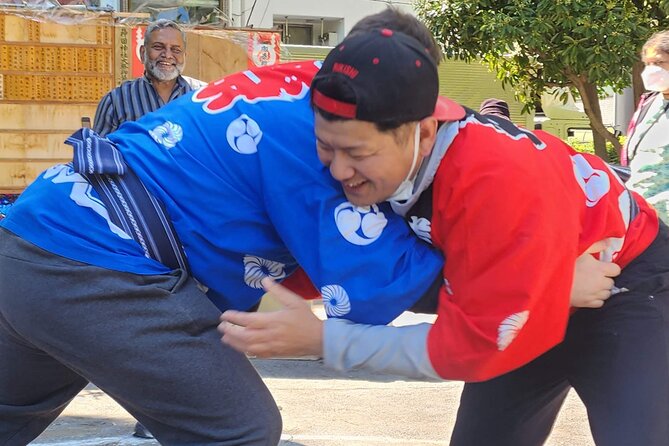
Even so, the people running the experience are praised for making sumo feel understandable. In feedback, the host/instructor team is often described as warm and hands-on, with attention to the rituals and basic techniques. People also mention getting interactive moments—like learning simple sumo moves—so you’re not sitting there thinking, I guess I’m just watching wrestling.
Here’s the practical takeaway: you’ll get enough context to make the match more rewarding, but you still shouldn’t expect the tour to be a private escort through everything. If your dream version of sumo day includes long stables tours and lots of close practice viewing, go in knowing schedule swings can affect what’s available.
Tokyo vs Osaka: pick your dates, then pick your vibe
This is one of those experiences where the calendar is the deal. Tokyo runs in these windows:
- JAN. 11–25, 2026 (Tokyo)
- MAY 10–24, 2026 (Tokyo)
Osaka runs in:
- MAR. 8–22, 2026 (Osaka)
So before you book, decide which city you want to base yourself in for that part of the trip. Both cities can be great travel hubs, but your sumo day will be tied to the venue for those specific dates.
If you’re building a flexible itinerary, it helps to pair this with nearby neighborhoods you can explore on foot. Ryōgoku is a particularly good match for a sports-and-culture day because the area has that “serious local” feel without trying too hard for tourists.
The culture side: rituals, training talk, and why fans care
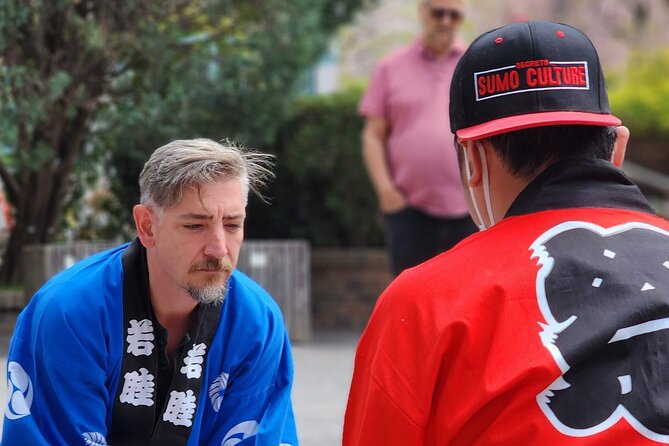
The best sumo experiences don’t just show you the match. They help you read it.
In the way this is described and reviewed, a big part of the value is learning what the sport represents in Japanese life. That includes understanding sumo as more than a contest. People specifically connect sumo to spiritual traditions—Buddhist and Shinto—so the culture component isn’t just trivia. It changes how you interpret what you’re seeing.
You’ll also often get context for the training side of sumo. Some sessions include extra moments such as watching or discussing wrestlers training, and there’s mention of a pro athlete participating in an interaction and demonstration. That’s where the day becomes more than “sit, watch, leave.” It becomes a story you can tell later.
One caution, though: there are also negative experiences where visitors felt they didn’t see what they expected regarding wrestlers practicing. The key pattern there is this: practice access can be affected by the athletes’ real schedules, and plans can shift when training isn’t possible. If you want to maximize that piece, build some slack into your expectations and your overall day.
Price and value: is $565 worth it?

At $565 per person for about 2 hours, this isn’t a bargain ticket. You’re paying for a few things that are hard to replicate easily on your own: secured access through prebooking for a top draw event, admission included, and a structured experience that adds context rather than leaving you to guess.
Think of the price as a convenience fee plus interpretation. If you can confidently handle Japanese ticketing and stadium logistics solo, you might find cheaper routes. But this product is designed for people who want the sport first and the headaches last.
Also factor in the extras: upgraded seats are available, and the group size is capped at 20. When a ticketed event is crowded, smaller groups can make the experience feel less stressful, even if the event itself is still hectic by nature.
The other value signal is stability. This is sold as a ticket-only event, and the biggest differentiator is the promise of your seat. In reviews, people describe moments like getting lucky with an upgrade to a better tournament-level view, which is exactly the kind of “worth it” payoff you want from a booked experience.






Logistics that can make or break your day
This part is simple, but it’s where your comfort level matters.
- Start time: 10:00 am.
- Meeting point: Ryōgoku Edo Noren Japan, 1F, Yokoami (Ryōgoku area).
- End point: back at the same meeting location.
- Paper ticket: bring it carefully and keep it easy to reach.
- Transportation: not included, so plan your own transit to Ryōgoku ahead of time.
- Group limit: max 20 travelers.
Because this is a stadium event, you should also plan for a crowd rhythm. Even if the experience is scheduled, lines and seating flow can move slowly. If you’re the type who hates waiting, give yourself a bit of buffer and arrive ready to stand.
There’s also an “open-air reality” element: one review mentions doing the experience in tough weather conditions during a typhoon landing period, and the host handled recommendations to make the day work. That doesn’t mean bad weather is guaranteed—but it does mean you should pack like a local: a light layer and something for rain just in case.
The experience fit: who this tour is great for
This works especially well if you want:
- A straightforward way to see grand sumo in Tokyo or Osaka during the tournament window.
- A day that gives you culture context without a long language-heavy explanation.
- A small-group atmosphere with people who can explain the sport basics and rituals.
It’s less ideal if:
- You’re fixated on seeing wrestlers train in their stables for hours. Practice viewing can vary with the schedule.
- You expect a highly custom, fully guided tour inside every part of the arena complex. The format is ticket-focused, and it’s not marketed as a full guide-everywhere package.
Should you book Tokyo/Osaka grand sumo?
I’d book it if you’re prioritizing live tournament access and you want your money to go toward getting in the door reliably, not toward a long sightseeing plan. The prebooking concept matters here, and the included admission removes one big guessing game.
Don’t book it if your trip hinges on a very specific “stables practice viewing” fantasy. Build your plan so that even if the practice piece is shorter or different than expected, the main event still delivers what you came for: live grand sumo in a proper arena setting with real fan energy.
Finally, make sure you’re comfortable with the no-drama mindset the product requires. Your confirmation comes at booking, the meeting point is fixed, and your ticket is paper. If you like clean structure for one high-impact activity, this is a solid pick.
FAQ
Where is the meeting point for the Tokyo grand sumo experience?
You’ll meet at Ryōgoku Edo Noren Japan, 130-0015 Tokyo, Sumida City, Yokoami, 1-chōme320 1階.
What time does it start?
The start time is 10:00 am.
How long is the experience?
It runs about 2 hours (approx.).
Is admission included in the price?
Yes. Admission is included.
Is transportation included?
No. Transportation is not included, so you’ll need to arrange your own way to the meeting point and arena area.
Is there a tour guide during the event?
This is listed as a ticket-only event with no tour guide.
Can I upgrade my seats?
Yes. Upgraded seats are available with an additional fee.
Does it always take place in Tokyo?
No. It depends on the date: JAN. 11–25, 2026 is Tokyo; MAR. 8–22, 2026 is Osaka; MAY 10–24, 2026 is Tokyo.
What is the cancellation policy?
This experience is non-refundable and cannot be changed for any reason. If you cancel, the amount paid is not refunded.