REVIEW · TOKYO
Sumida Riverside Walk: Garden &Temple Ritual (4 Meeting Points)
Book on Viator →Operated by Escape the busy streets and refresh your mind · Bookable on Viator
Tokyo slows down by the Sumida River. This tour pairs river walking with temple rituals, and it stays thoughtful instead of rushed. I also like the small-group feel with guide Hiroyuki/Hiro explaining the details you’d normally miss. One thing to consider: it’s still a morning walk, so if you want lots of sitting time, this may feel a bit active.
You’ll start at Fukagawa Fudōson (Naritasan Tokyo branch temple) and head out on a river route that includes a historic iron bridge, plus views of places that are older than most visitors expect in Tokyo. Then it shifts from outside calm to the quieter logic of sacred space—faith shown through everyday actions like omikuji.
The best part for planning your day is the length: about three hours, and you’re back at the same temple. Bring a phone for the mobile ticket, meet your guide near the station, and you’ll have time to explore Tokyo again afterward at your own pace.
In This Review
- Key points you’ll feel right away
- A quiet Tokyo morning along the Sumida
- Meeting at Fukagawa Fudōson: simple logistics, real atmosphere
- Stop 1: Sumida River Walk, iron bridge views, and the slow start (35 minutes)
- Stop 2: Fukagawa Fudōson and the everyday meaning of omikuji (1 hour)
- Stop 3: Kiyosumi Teien Garden, stones, water, and a mini Mt. Fuji (40 minutes)
- Why the 3-hour format feels like good Tokyo value
- Who this tour suits best (and who should pick something else)
- Tips to make the most of your morning
- Should you book this Sumida River and temple ritual walk?
- FAQ
- What is the duration of the Sumida Riverside Walk: Garden & Temple Ritual tour?
- Where is the meeting point for this tour?
- Where does the tour end?
- How far is the meeting point from Monzen-Nakachō Station?
- What stops are included in the itinerary?
- Is admission included for the places on the tour?
- What is the price per person?
- What time does the tour start?
- How large is the group?
- Is free cancellation available?
Key points you’ll feel right away

- A small group cap of 6 means you can ask questions and get clearer explanations.
- Meet and finish at Fukagawa Fudōson, a convenient start point that keeps the route simple.
- Monzen-Nakachō Station is about a 4-minute walk from the meeting temple.
- Kiyosumi Teien admission is included, so you don’t have to figure out tickets on the fly.
- Fukagawa Fudōson rituals are the focus, including omikuji and even a fire ritual moment you might see.
- Kiyosumi Garden is old and designed—you’re not just walking past it, you’re getting the meaning behind the space.
A quiet Tokyo morning along the Sumida

This is the kind of Tokyo experience that feels like a cheat code. Instead of bouncing between the busiest sights, you follow the Sumida River corridor and it naturally lowers the volume of the day. The route also gives you something practical: landmarks you can recognize later when you’re exploring on your own.
The walk is about getting your bearings early. You’ll pass a historic iron bridge and you’ll also see the connection between the river and the surrounding area, including Kiyosumi Garden and Fukagawa Fudōson Temple. Even if you’ve been to Tokyo before, this part can feel like a different city block.
Start time matters here: 8:30 am is early enough to feel peaceful, but not so early that you’re battling jet lag. If you tend to rush when you travel, I like that this schedule forces a slower rhythm without locking you into a full-day plan.
You can also read our reviews of more walking tours in Tokyo

Meeting at Fukagawa Fudōson: simple logistics, real atmosphere

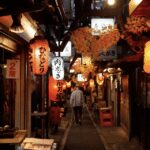
Your day begins and ends at Fukagawa Fudōson (Naritasan Tokyo branch temple). That matters more than you might think. When the tour comes back to the same place, you avoid the usual last-hour scramble and you keep your Tokyo day from unraveling.
It’s also close to public transportation. The meeting point is about a 4-minute walk from Monzen-Nakachō Station, so you can arrive without building a complicated route in your head. The address is in Tomioka (Koto City), which puts you in a residential-feeling pocket of the city rather than the heavy-tourist zone.
If you’re the type who gets stressed when timing gets weird, this setup is a relief. You’ll see the same temple again at the end, so you know exactly where you are even if the rest of Tokyo is chaos.
Stop 1: Sumida River Walk, iron bridge views, and the slow start (35 minutes)
The first stretch is a true warm-up. It’s only about 35 minutes, but it sets the tone: calm walking, city history you can actually see, and a route that keeps you moving without feeling like a workout.
As you go along the river, you’ll pass a historic iron bridge and you’ll also move through a landscape of long-anchored places. Kiyosumi Garden is described as over 100 years old, and Fukagawa Fudōson’s history goes back more than 300 years—so even early on, you’re getting the sense that Tokyo here is grounded.
A small drawback: since the stop is short, you won’t have time for a deep detour into every photo angle you’ll spot along the way. Treat this segment as the opening scene. You’re here to connect the river, the garden, and the temple into one story.
Stop 2: Fukagawa Fudōson and the everyday meaning of omikuji (1 hour)

Then the tour shifts from outside to inside the temple’s world, where the focus is not fireworks—it’s everyday faith. Fukagawa Fudōson is presented as a place where people express spirituality through daily actions and quiet traditions, including omikuji.
This is where the guide adds the most value. A recurring highlight from this experience is how Hiroyuki/Hiro explains things in detail and helps you understand what you’re seeing rather than just ticking boxes. You’re not expected to know the terms ahead of time; you’re guided through the logic behind the rituals.
One guest-style highlight worth noting: there can be a fire ritual moment that people remember strongly. The exact timing of what you’ll see can vary by day, but if a fire ritual is part of the program when you go, it’s the kind of ritual that makes the temple feel alive rather than decorative.
A practical consideration: temples are quiet places. Even though your guide will keep things moving, you’ll want to watch your volume and your body language. If you’re used to loud group sightseeing, this stop asks for a slightly calmer mode.
Stop 3: Kiyosumi Teien Garden, stones, water, and a mini Mt. Fuji (40 minutes)

Next comes the garden—Kiyosumi Teien—and it’s the payoff for slowing down. You’ll have about 40 minutes, and the focus is on Japanese aesthetic values: harmony, balance, and respect for nature. The garden’s design is meant to be experienced at a walking pace, not a checklist speed.
This is where you may notice a signature visual detail mentioned in past experiences: a mini Mt. Fuji view within the garden. Whether you spot it right away or need the guide’s point-outs, the presence of that kind of framed mountain imagery helps explain how Japanese gardens can represent bigger landscapes in a controlled, calming way.
Admission is included for this stop, so you don’t have to handle tickets mid-walk. That alone makes it feel smoother—especially if you’d rather spend your attention on what the garden is saying instead of working out entry rules.
Possible drawback: you’ll still be on a timer. Forty minutes is enough to enjoy the main scenes, but it’s not enough to linger endlessly in one spot. If you’re the type who wants to sit and stare for an hour, you’ll enjoy it more if you’re open to moving with the flow.




Why the 3-hour format feels like good Tokyo value

At $48.86 per person for about three hours, you’re paying for three things: a guided narrative, access to the garden (admission is included for Kiyosumi Teien), and an itinerary that links river history with temple tradition. Stops tied to admission are handled in the tour flow—Sumida River Walk and Fukagawa Fudōson are ticket-free in this schedule, and the garden ticket is covered.
You’re also getting a format that matches how Tokyo works. The city is huge and the details are dense. A guide turns the time you spend outside into something you can carry home with you—how to read a temple, why a garden is shaped a certain way, and what those quiet rituals are doing in people’s daily lives.
The small group size (max 6 travelers) is part of the value, too. You’re not lost in a big crowd. You can hear answers, and you’re not standing behind other peoples’ heads while trying to understand why something matters.
Who this tour suits best (and who should pick something else)

This tour is a strong match if you want local Tokyo life, not only landmark photos. The temple-and-garden pairing works well because it gives you two different lenses: one for everyday spirituality and one for quiet design philosophy.
It’s also ideal for people who like learning but don’t want lecture-style travel. The pace is gentle, and the explanations are designed to help you see what’s in front of you. If you’ve traveled before and felt like you missed the meaning, this tour is built for that exact frustration.
You might want to choose another option if you prefer big, dramatic attractions or long open-ended exploration time. With only a few hours, you’re not going to cover every corner of Tokyo. This is about depth in a small radius, not speed across the city.
Tips to make the most of your morning

Wear comfortable walking shoes. This is a river walk plus temple and garden walking, and the experience works best when you can move easily and pause without feeling rushed.
Go with a calmer mindset than you’d use for a hectic sightseeing day. The temple stop is about subtle tradition, and the garden is about noticing small relationships—stone, water, placement, silence.
If you care about understanding the details, ask questions early. With only up to six people, your guide can slow down when needed. Past experiences also highlight that Hiroyuki/Hiro can point out cultural connections that make the sights feel more like a living system.
One last idea: since the tour ends right back at Fukagawa Fudōson, plan a follow-up that uses the momentum. Grab a snack nearby or keep wandering the area, rather than forcing another complicated transit plan immediately.
Should you book this Sumida River and temple ritual walk?
Book it if you want Tokyo in a quieter key—river calm, temple tradition, and a garden experience that’s designed to be understood, not just photographed. The included garden admission, the small group size, and the way the temple focus includes everyday practices like omikuji make it feel like good value for your time.
Skip it if your priority is high-energy sightseeing with lots of variety. This tour is intentionally small-radius and reflective. If you’re hungry for constant new scenes every ten minutes, you might feel a little too relaxed.
If you like meaningful mornings and you want a guide-led path through Tokyo that feels more local than touristy, this one fits well.
FAQ
What is the duration of the Sumida Riverside Walk: Garden & Temple Ritual tour?
The tour lasts about 3 hours.
Where is the meeting point for this tour?
The meeting point is Fukagawa Fudō-dō (Naritasan Tokyo branch temple) at 1-chōme-17-13 Tomioka, Koto City, Tokyo 135-0047.
Where does the tour end?
The tour ends at Fukagawa Fudōson Temple, the same meeting location.
How far is the meeting point from Monzen-Nakachō Station?
It’s about a 4-minute walk from Monzen-Nakachō Station.
What stops are included in the itinerary?
You’ll visit the Sumida River Walk, Fukagawa Fudōson, and Kiyosumi Teien (Kiyosumi Garden).
Is admission included for the places on the tour?
The Sumida River Walk is listed as free, Fukagawa Fudōson is listed as free, and Kiyosumi Teien includes admission.
What is the price per person?
The price is $48.86 per person.
What time does the tour start?
The start time is 8:30 am.
How large is the group?
The tour has a maximum of 6 travelers.
Is free cancellation available?
Yes. You can cancel up to 24 hours in advance for a full refund.