REVIEW · TOKYO
Snow monkeys from Tokyo: Full-Day Private trip with Local Guide
Book on Viator →Operated by Japan Experiences · Bookable on Viator
Watching snow monkeys is the kind of plan that feels simple until you see the logistics. This private Nagano day from Tokyo fixes the big pain points with an English-speaking driver-guide, WiFi on board, and a comfy ride that gets you into the right rhythm for Jigokudani.
I especially like how the day mixes the headline animal experience with real Nagano culture stops. You’ll hit Jigokudani Monkey Park as the main event, then roll through Zenko-ji and snack and craft-style sidetrips like soba making, katana craftsmanship, and quick sake tasting.
One consideration: it’s a long 12-hour day with an early start (6:00 am), so you need to be ready for winter conditions and a packed schedule, not a slow stroll.
In This Review
- Key points to know before you go
- Private Snow Monkeys from Tokyo: why this trip feels smarter than DIY
- The 6:00 am start and the Tokyo-to-Nagano drive
- Jigokudani Monkey Park: the reason you left Tokyo
- Zenko-ji and Nakamisedori: a calmer side of Nagano
- Hakuba Goryu and Shiga Kogen: winter scenery without overcommitting
- Togakushi soba at Tonkururin: the hands-on payoff
- Crafts and quick tastings: sword-making and sake in bite-size form
- Katana craftsmanship stop
- Endo Sake Brewery tasting stop
- Matsumoto Castle: end the day with a real structure you can go inside
- Price and value: what you’re really paying for
- Who this snow-monkey private tour suits best
- Practical packing tips for winter and snow days
- Should you book it? My straight take
- FAQ
- How long is the snow monkeys private trip from Tokyo?
- What time does the tour start?
- Is pickup included, and where does the tour end?
- Does the tour include WiFi in the vehicle?
- Are tickets for Jigokudani Snow Monkey Park included?
- Are other attraction tickets included?
- Do we get an English-speaking guide?
- What group size is this tour for?
- What if weather is poor?
Key points to know before you go
- WiFi on board helps you stay sane and share photos during the long Tokyo-to-Nagano drive
- Jigokudani Monkey Park entry is included, making the main event easy to plan
- A private car for your group means fewer waits and easier timing than trying to stitch buses and trains
- Winter-focused stops like Shiga Kogen gondola and Hakuba Goryu work well if you’re visiting in cold season
- Hands-on cultural moments at a soba museum and sword-maker stop add more than sightseeing photos
- Guide quality matters, and feedback highlights guides like Kye and Ryoka for fluent English and smart timing
Private Snow Monkeys from Tokyo: why this trip feels smarter than DIY
If snow monkeys are on your wish list, you’re probably already thinking about two things: timing and transportation. The monkeys are seasonal, the drive is long, and winter conditions can slow things down. This is where a private day trip earns its keep. You’re not trying to translate your way through transfers, and you’re not gambling on connections that might leave you stressed.
The tour also gives you a clean “day structure.” You depart early from Tokyo and you already know the backbone: Jigokudani first, then a set of Nagano culture and food stops. That matters because the best photos and calmest walking often come down to arriving when other groups are not fully settled into motion.
I also like that it’s not just a single-ticket zoo day. Even though the monkeys are the star, you get a chain of other stops that feel like Nagano, not a random collection of drive-by viewpoints.
You can also read our reviews of more guided tours in Tokyo
The 6:00 am start and the Tokyo-to-Nagano drive
Your day starts at 6:00 am in Tokyo, with the tour ending back at the meeting point. You’re in the car for a while, and the schedule is built around getting to Jigokudani efficiently.
Two practical perks help a lot on a long day like this:
- Air-conditioned private vehicle keeps you comfortable even if you’re dressing for cold outside.
- WiFi on board means you can plan photos, check messaging, and keep the ride from feeling like a time warp.
Because it’s private, you also get flexibility in how you pace within the stops. In plain terms: if your group needs a restroom break or moves more slowly, you’re not dragging an entire public-transport line behind you.
Jigokudani Monkey Park: the reason you left Tokyo
Jigokudani Snow Monkey Park is the main event, and the park visit is given 2 hours with the admission ticket included. This is where you’ll see the Japanese red-faced macaques in a winter setting that feels almost mythic: warm bodies in cold air.
The area is often described in a very memorable way. Jigokudani literally means hell valley, and the name fits the harsh conditions: it’s a sulfur-heavy environment where even plants have trouble growing. That contrast is part of the magic. You don’t just see animals. You see them in a landscape shaped by heat and chemistry.
Here’s how to think about your time at the park:
- Give yourself enough patience for monkeys to settle into visible areas.
- Plan to walk carefully on winter ground. A strong piece of advice from the experience is to bring warm layers and consider crampons if conditions are icy.
If you’re thinking about bucket-list photos, the timing is everything. Reviews praise guides like Kye for knowing the right rhythm, which tells me the best results come from arriving with a plan and not just showing up and hoping.
Zenko-ji and Nakamisedori: a calmer side of Nagano
After the monkeys, the day shifts into more traditional rhythm with Zenko-ji Temple and the nearby Nakamisedori shopping lane.
Zenko-ji is scheduled for about 2 hours. Compared with temple sites that can feel packed, this stop is positioned as a more grounded spiritual pause. You get time to look around without feeling like you’re trapped inside a photo queue.
Then you follow up with Nakamisedori for about 1 hour. It’s a classic approach to Nagano sightseeing: temple first, then the street that supports the temple’s everyday life. If you’re into snacks, small gifts, and browsing without overthinking it, this is the part of the day that often delivers the easiest fun.
Main drawback? Temple and shopping time can feel short if you’re the type who likes to read every sign. If you’re that person, use your guide and ask questions so your brief stop lands deeper.
Hakuba Goryu and Shiga Kogen: winter scenery without overcommitting
This tour includes winter-oriented stops that match the snow-monkey season. You may go to:
- Hakuba Goryu Ski Resort / Alpine Botanical Garden for about 1 hour
- Shiga Kogen Resort Gondola for about 1 hour
These aren’t marketed as a full ski day. They’re more like “winter flavor” stops that help you experience the region beyond the monkeys. If you’re visiting in cold months and want a sense of where powder-hunters go, Hakuba and Shiga Kogen make sense.
The gondola stop is a good example of why this package is valuable. You don’t have to research how to get from Nagano to the right winter area, and you don’t have to guess how long a transit plan might take. You just show up, ride, and take photos.
One note: tickets for gondolas and other activities are not included. The tour lists admission as not included for these segments, so plan a bit of extra cash for any ride fees.
You can also read our reviews of more private tours in Tokyo

Togakushi soba at Tonkururin: the hands-on payoff
Nagano is famously connected to soba, and this itinerary gives you a practical way to taste that heritage rather than just buying a bowl and moving on.
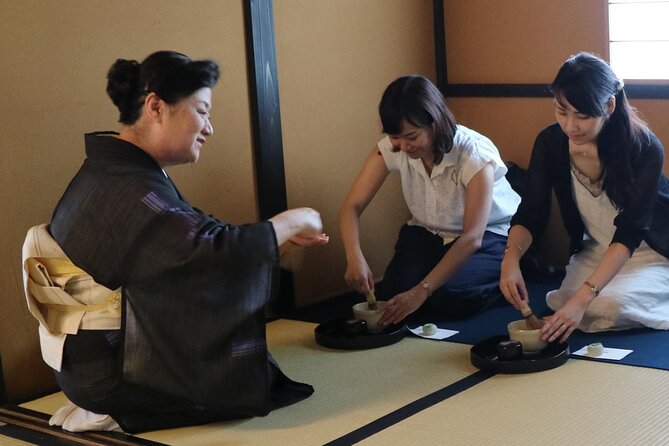
The stop is the Togakushi Soba Museum Tonkururin, scheduled for about 2 hours. The big draw here is the chance to make traditional soba from scratch. That turns your trip from sightseeing into an actual skill and a story you’ll remember.
If you’re traveling with food lovers, this is the kind of stop that keeps everyone engaged. It’s also a relief after a couple of hours in cold air. You get a warm indoor reset before heading into the final stretches of the day.
What you should expect: this is more workshop-style than museum-style. So if you want passive viewing only, you might feel like your time is more hands-on than you planned. But if you enjoy doing, not just watching, it’s a standout.
Crafts and quick tastings: sword-making and sake in bite-size form
Two of the later stops are short by design, but they’re chosen for variety.
Katana craftsmanship stop
There’s a brief stop at 2-339 Yaehara with traditional sword-making by a katana maker. It’s listed as 1 minute and admission free. That tells you this isn’t a full demonstration session. It’s more like a quick encounter—enough to see what the craft world looks like and move on while your day is still moving.
Endo Sake Brewery tasting stop
Then you get a quick stop at Endo Sake Brewery for about 1 minute, with sake tasting mentioned. Admission is not included here, so treat it as a “taste and learn” stop, not a full tasting tour.
If you like culture but don’t want the day to become a checklist of long indoor visits, these micro-stops work. The caution is obvious: with such short time blocks, don’t expect deep, long explanations. Ask your guide what’s worth noticing, and let the guide steer you.
Matsumoto Castle: end the day with a real structure you can go inside
The final big sight is Matsumoto Castle, one of Japan’s treasured castles and a highlight for architecture lovers. The description emphasizes the five-tiered, six-story main tower, built in the late 16th century, and notes it as the oldest surviving castle tower in the nation.
The stop time is shown as very short in the itinerary outline, and the entry ticket is not included. So what does that mean for you?
- Plan for a fast exterior-to-interior experience if you buy the ticket.
- If you want extra time inside, you may need to prioritize it carefully within the stop.
Why this works on a snow-monkey day: castles and temples are both “anchor” experiences. After a day full of seasonal winter nature and food culture, Matsumoto gives you a strong, grounded final image.
Price and value: what you’re really paying for
The price is listed as $5,863.76 per group (up to 9), for about 12 hours. That sounds high if you’re thinking per person. But private tours don’t price like group tours. They price like a whole logistics solution.
Here’s the value logic that makes this feel reasonable:
- Private transportation with fuel and highway tolls included
- English and Japanese-speaking driver-guide
- WiFi on board
- Air-conditioned vehicle
- Snow monkey admission included
If you split cost among a full group, the price per person drops. If you’re traveling as a couple or solo, it can feel heavy. In that case, ask yourself what you’d spend on trains, buses, and a private guide to manage timing anyway. A lot of the cost is paying for the “don’t-worry” factor on a day that’s hard to manage by yourself.
Also, because this is a private format, your group can keep the energy level you want. That matters on a long, early start day.
Who this snow-monkey private tour suits best
This tour fits best if you:
- Want snow monkeys from Tokyo without juggling transit
- Care about having an English-speaking guide to explain what you’re seeing
- Like a mixed day: animals, temples, food, and one big cultural landmark like Matsumoto Castle
- Travel with family or a small group and want your own pacing
It may be less ideal if you:
- Prefer slow travel with lots of independent wandering
- Hate early mornings and packed schedules
- Don’t want to pay extra for additional attraction tickets (several are not included)
Practical packing tips for winter and snow days
Winter days need more than a warm jacket. The experience feedback includes a key suggestion: bring warm clothing and consider crampons if the ground is icy. That kind of traction can keep you moving safely around outdoor stops.
Also plan for cold waiting time at outdoor viewpoints. Even if the monkeys are the big moment, your best enjoyment comes from being comfortable during the waiting.
Should you book it? My straight take
I’d book this if you want a smooth, guided snow-monkey day with real cultural additions and zero hassle about transit. The big win is that Jigokudani is handled for you, and the rest of Nagano is arranged into a coherent winter day instead of scattered stopovers.
I’d think twice if your group is extremely budget-sensitive, because ticket add-ons exist and the private pricing favors shared costs. And if you hate long days, this is still a 12-hour push.
If you can handle the early start and want a guide-driven plan, this is a smart way to make snow monkeys happen without turning the trip into a logistics project.
FAQ
How long is the snow monkeys private trip from Tokyo?
It runs for about 12 hours.
What time does the tour start?
Pickup and departure are scheduled for 6:00 am.
Is pickup included, and where does the tour end?
Pickup is offered, and the tour ends back at the meeting point in Tokyo.
Does the tour include WiFi in the vehicle?
Yes, WiFi is provided on board.
Are tickets for Jigokudani Snow Monkey Park included?
Yes. The snow monkey entry fee is included.
Are other attraction tickets included?
No. Tickets for activities like ropeways or cruises are not included, and several listed stops show admission tickets as not included.
Do we get an English-speaking guide?
Yes. An English and Japanese-speaking driver is included.
What group size is this tour for?
It’s private, with only your group participating, and the group size can be up to 9.
What if weather is poor?
This experience requires good weather. If it’s canceled due to poor weather, you’ll be offered a different date or a full refund.
If you want, tell me your travel dates and group size, and I’ll help you think through whether the Hakuba/Shiga Kogen winter stops make sense for your exact season.