REVIEW · TOKYO
Shibuya and Shinjuku Photography Experience
Book on Viator →Operated by Kenji · Bookable on Viator
Tokyo at night looks different through a lens. This Shibuya and Shinjuku photography experience turns neon-famous spots into a guided shooting route, led by Kenji. I like the promise of 25–50 color-graded photos, because it saves you from sorting through blurry maybes later, and I also like how the guide helps you relax so you can actually get pictures of yourself as a solo visitor.
One thing to consider: it’s a tight 2-hour window that starts sharply at 8:00 pm, and you need good weather. Also, you’ll pay a separate train fare from Shibuya to Shinjuku (¥170 per person).
In This Review
- Quick hits for your Tokyo night camera roll
- Price and logistics you should actually plan around
- Why the 8:00 pm start is perfect for these streets
- Kenji’s approach: confidence for solo shooters
- Stop-by-stop: neon variety from Hachiko to Kabukicho
- Hachiko Statue: loyalty you can frame fast
- Shibuya Scramble Crossing: freeze the green-light chaos
- Shibuya Center-gai: shop glow and arcade energy
- Miyashita Park: a modern break in the city’s glare
- An izakaya alley by Shibuya Station: tiny bars, old-school feeling
- Omoide Yokocho (Memory Lane): yakitori haze and narrow light
- Godzilla Road and Kabukicho: neon on a larger scale
- What 25–50 color-graded photos means for your time
- Getting the most out of a small-group night walk
- Weather and late arrival: the two things that can ruin the plan
- Who this tour suits best (and who should skip it)
- Should you book this Shibuya and Shinjuku night photography experience?
- FAQ
- How much does the Shibuya and Shinjuku photography experience cost?
- How long is the tour?
- What time does the tour start?
- Where do I meet the guide?
- Where does the tour end?
- Is the Shibuya to Shinjuku train fee included?
- What’s included in the photo package?
- What happens if the weather is poor?
Quick hits for your Tokyo night camera roll
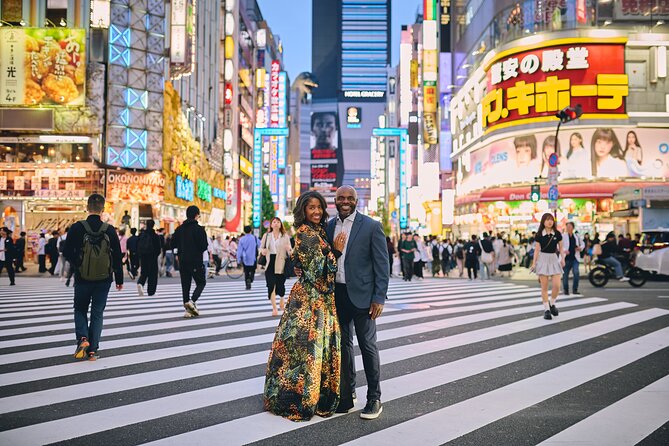
- Kenji’s English guidance makes posing and first-time navigation feel easier
- 25–50 color-graded photos per person means you’re not doing all the editing work
- Shibuya Scramble + Center-gai + Miyashita Park + Memory Lane + Kabukicho is a lot of mood in one walk
- Small group size (max 4) helps you spend time where the light and angles work best
- Bottled water included, plus help if you want to find drinks along the way
- Good-weather requirement keeps the streets and lighting usable at night
Price and logistics you should actually plan around
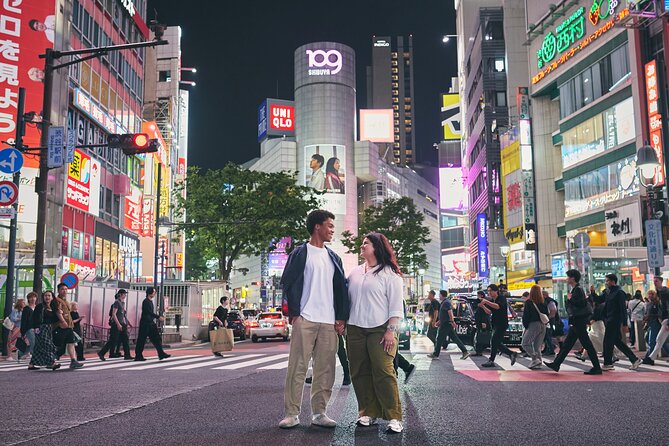
This tour costs $62.13 per person for about 2 hours. What makes it feel reasonable is that you’re paying for a guided night route and the payoff is not just memories but 25–50 color-graded photos. In plain terms: you’re outsourcing both the “where do I stand?” and the “how do I make this look good?” parts.
The one extra cost to remember is the train ride from Shibuya to Shinjuku: ¥170 per person, and it’s not included. If you’re budgeting tightly, that’s the only line item that can surprise you.
One more practical note: it’s commonly booked about 36 days in advance on average. If you’re traveling in peak season or have only one night you can do this, don’t wait until the last minute.
You can also read our reviews of more photography tours in Tokyo

Why the 8:00 pm start is perfect for these streets
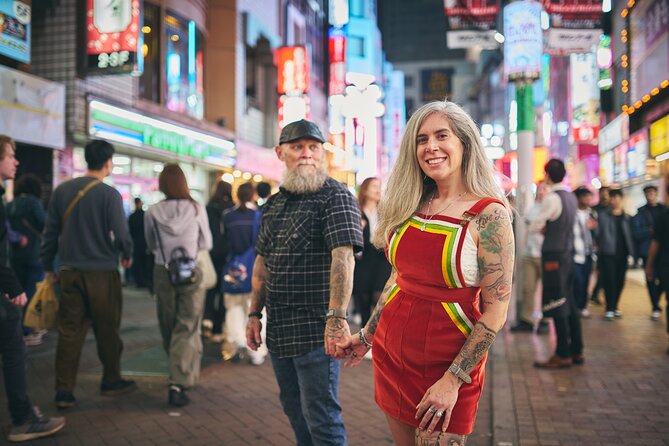
This experience begins at 8:00 pm, which is a smart choice for Shibuya and Shinjuku. By then, you get enough darkness for neon and sign light to show up, but you’re still within a comfortable “night walk” window. You also avoid some of the early-day rush energy and focus on the after-dark look that makes these areas famous.
The trade-off is timing discipline. The tour starts on time, and if you’re more than 5 minutes late, you won’t be able to join, and refunds or rescheduling aren’t available. I’d treat the meet point like a show time, not a suggestion—build in buffer time.
Kenji’s approach: confidence for solo shooters
If you’re traveling solo, nighttime street photography can be annoying fast. You want shots, but you also don’t want to stand there like an awkward tripod for the next 30 minutes. That’s where Kenji makes a real difference.
From what’s reflected in firsthand experiences, Kenji puts first-time visitors at ease and keeps the walk fun, not stiff. The guide also helps with poses and gives hands-on direction on where to stand for cleaner compositions. That matters because your best night photos usually come from small adjustments—angle, distance, and timing—not just luck.
Kenji’s city knowledge is also part of the value. You’re not only shooting landmarks; you’re learning what they mean and how they fit into the neighborhoods you’re walking through.
Stop-by-stop: neon variety from Hachiko to Kabukicho
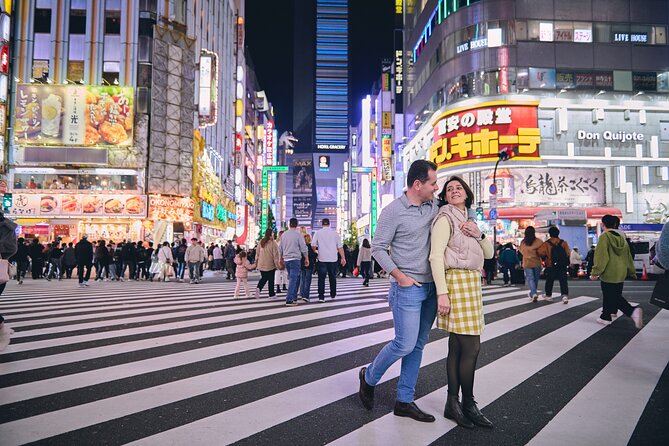
You’ll move through classic Shibuya and Shinjuku scenes in short, focused segments. Each stop is designed to let you shoot, reset, and then move to the next lighting style without losing the flow of the night.
Hachiko Statue: loyalty you can frame fast
You start at the Hachiko Statue for about 5 minutes. It’s a quick hit, but it’s worth it because Hachiko is one of Shibuya’s most recognizable symbols. The time is short on purpose—you’re grabbing a meaningful anchor photo early, then heading out for bigger street scenes.
Admission is free, so you’re not burning budget or time on entry. This is a great spot to test how your camera or phone handles night lighting before the walk gets noisier.






Shibuya Scramble Crossing: freeze the green-light chaos
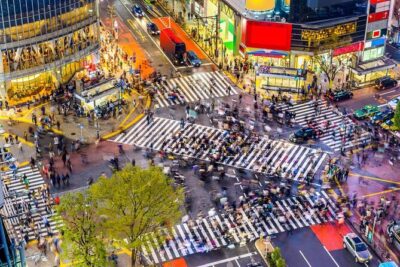
Next is Shibuya Scramble Crossing for around 20 minutes. This is the world-famous multi-direction crossing where people pour across the street when the light changes. The goal here isn’t just “get a picture of the crossing”—it’s capturing motion and density in a way that feels like Tokyo, not like a generic city intersection.
You’ll likely get better results if you aim for a few different styles: a tighter view for lines and signage, then a wider frame for the crowd pattern. Having a guide helps you choose angles quickly instead of spending your whole time hunting.
Admission is free, and the location is perfect for practicing night contrast—bright signs against dark gaps between people.
Shibuya Center-gai: shop glow and arcade energy
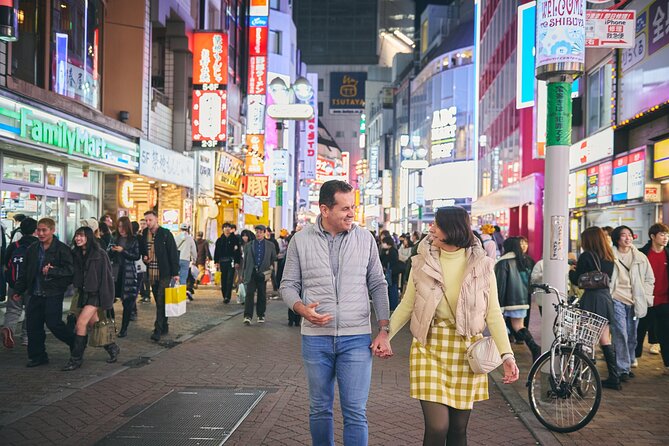
Then you’ll head to Shibuya Center-gai for about 20 minutes. This is a narrow, lively stretch packed with shops, restaurants, arcades, and bars. The photography payoff is the texture: layers of signage, storefront light, and the tight “Tokyo street” proportions that make photos feel close and cinematic.
One drawback: it can feel visually busy, which is exactly why planning helps. If you try to shoot everything at once, your photos may blur into sameness. Use the guide’s positioning direction to pick a single subject per frame—one sign, one person, one doorway—then let the rest support the mood.
Miyashita Park: a modern break in the city’s glare
You’ll stop at Miyashita Park for about 20 minutes. This area gives you something different: green space mixed with urban design, plus things like a skate park and places to sit. For photos, it’s a welcome contrast break from the densest neon streets. You can shift your style here from crowd/action shots to calmer compositions with lines, edges, and softer light.
Admission is free, and that also makes it a low-risk place to experiment with framing and focus. If your night photos start to look too chaotic, this is where you can reset.
An izakaya alley by Shibuya Station: tiny bars, old-school feeling
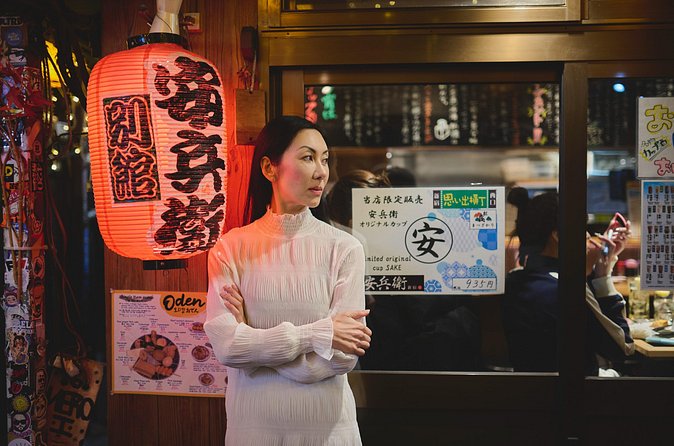
Between the big-name areas, you’ll also pass through a narrower alley tucked beside Shibuya Station, lined with small, old-fashioned bars and izakayas. This kind of street is great for “in-between” photos—shots that tell a story even if they’re not famous icons.
Expect cramped detail and intimate lighting. It’s the type of scene that can look magical on camera, but it rewards a steady approach: one or two clear subjects, then a couple of wider frames to show the narrow corridor.
Omoide Yokocho (Memory Lane): yakitori haze and narrow light
Next is Omoide Yokocho, also known as Memory Lane, for about 20 minutes. This is a gritty, nostalgic alley of smoky yakitori stalls and tight bars. Even if you don’t stop for food, it’s one of the most atmospheric photography settings on the route: warm stall light, dark corners, and the feeling of old Tokyo nightlife.
The data you have here also matters: the alley is described as safe and atmospheric, and that’s important when you’re out at night trying to focus on photography instead of worry.
Short advice for shooting here: keep your frames simple. The alley can create a “too many lights” problem. A clean composition usually beats a complicated one.
Godzilla Road and Kabukicho: neon on a larger scale
Finally, you end at Godzilla Road in Kabukicho (the Shinjuku entertainment district). It’s about 20 minutes, and the tour finishes right at the entrance area of Kabukicho. This is where Tokyo’s night energy goes big: neon signs, entertainment density, and that sleepless-town feel that many people come to photograph.
If your photos from earlier stops feel like they’re about texture, this ending pushes you toward bold signage and high-contrast night street shots. It also gives you an easy transition after the tour—since you finish in the thick of the action, you can continue exploring if you still have energy.
Admission is free at each stop you’re visiting, so the value here is time on location, not gate fees.
What 25–50 color-graded photos means for your time
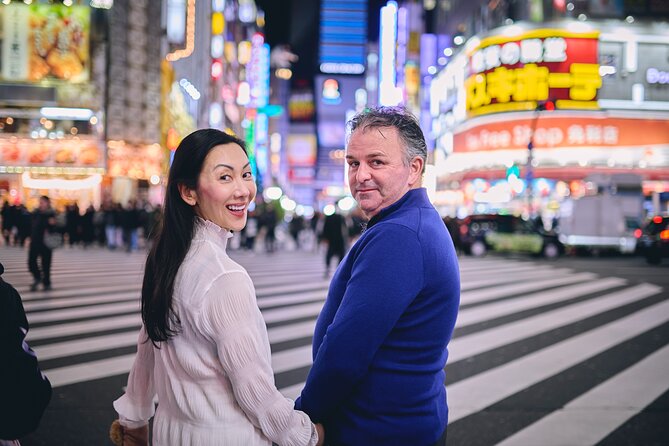
The included photo package is one of the biggest reasons this tour feels worth it. 25–50 color-graded photos per person is a lot for a short walk, and color grading matters because it makes night scenes look intentional instead of random.
If you’ve ever done street photography on your own, you know the pain: you take 200 shots, keep 15, and then spend hours trying to fix noise and color. Having a guide shoot with a consistent plan—and then output a color-graded set—means you’re left with an edited memory you can actually use.
Also, you’re not just getting “a couple of proofs.” The range (25–50) suggests you should end up with options: a few crowd shots, a few alley shots, and some landmark anchors.
Getting the most out of a small-group night walk
With a maximum of 4 travelers, the experience feels less like herding and more like focused attention. That small size helps you move quickly between spots without losing time.
Here’s how to make the most of it:
- Wear shoes you trust. You’re walking Tokyo at night, and you’ll want stability.
- Bring your own camera or phone (whatever you plan to use). The tour doesn’t mention provided gear, so plan on using what you already have.
- Be ready to follow direction fast. Night photography often rewards quick adjustments.
The guide also provides bottled water. That’s small, but it helps if you’re shooting nonstop and your energy dips. If you want beverages, you can ask the guide to lead you toward options.
Weather and late arrival: the two things that can ruin the plan
This experience requires good weather. If conditions aren’t good enough for a proper night photo session, the tour is offered on a different date or you get a full refund.
Late arrival is the other risk. If you show up late by more than 5 minutes, you can’t join and it’s not eligible for refunds or rescheduling. The lesson is simple: aim to arrive early enough that you’re not stressed about finding the exact spot.
Who this tour suits best (and who should skip it)
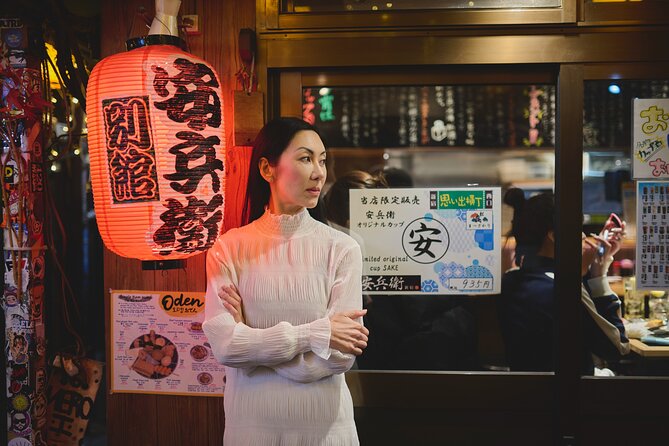
This is a great fit if you want Tokyo night photos but you don’t want to manage all the logistics yourself. I’d especially recommend it if you’re:
- A solo traveler who wants pictures of yourself without awkward gaps
- A street photography fan who likes mixing famous landmarks with smaller alleys
- Someone who enjoys learning what you’re photographing, not only snapping it
You might want to skip it if you hate structured timing. The tour is short, and you’ll follow a planned route and pace. Also, if you’re allergic to the idea of being on your feet for a couple of hours at night, this probably won’t feel relaxed.
Should you book this Shibuya and Shinjuku night photography experience?
Yes, if you want a guided night route with clear photo payoff. The price makes sense because you’re not just paying for a walk—you’re getting a guided plan plus 25–50 color-graded photos from a photographer who helps with posing and keeps solo visitors comfortable.
I’d book it sooner rather than later if your dates are fixed, since it’s often scheduled about a month ahead. And plan your night around the weather and the start time so you don’t miss the chance to shoot Tokyo after dark.
If you’re the type who loves neon streets, alley atmospheres like Memory Lane, and the iconic Shibuya crossing energy, this tour gives you exactly that—without forcing you to figure it out alone.
FAQ
How much does the Shibuya and Shinjuku photography experience cost?
It costs $62.13 per person.
How long is the tour?
The duration is about 2 hours.
What time does the tour start?
It starts at 8:00 pm.
Where do I meet the guide?
The meeting point is at the Hachiko Statue, at 2 Chome-1 Dogenzaka, Shibuya, Tokyo 150-0043, Japan.
Where does the tour end?
You end at Godzilla Road in Shinjuku, specifically at Kabukichō, 1-chōme 17 セントラルロード.
Is the Shibuya to Shinjuku train fee included?
No. The train fee from Shibuya to Shinjuku is ¥170 per person and is not included.
What’s included in the photo package?
You’ll receive 25–50 color-graded photos per person, plus bottled water during the tour.
What happens if the weather is poor?
This experience requires good weather. If it’s canceled due to poor weather, you’ll be offered a different date or a full refund.