REVIEW · TOKYO
Nikko private tour with English speaking guide
Book on Viator →Operated by Azu International Tours · Bookable on Viator
Nikko feels bigger than Tokyo in a day. This private outing strings together Japan’s top shrine stops with real nature time in Nikkō National Park. You’ll see Toshogu, cross at the famous Shinkyo Bridge, then end up with waterfall and lake views that feel worlds away from the city.
I especially like that the tour is set up for an English-speaking experience, and guide Sikander is one example of how smoothly that can work. You’ll also get air-conditioned transport plus WiFi on board, which matters when you’re spending a long stretch on the road.
One consideration: the day can feel heavy on highway driving, with traffic eating into sightseeing time. Also, double-check that you’re truly getting an English-speaking guide, not just a driver who handles the vehicle.
In This Review
- Key things I’d watch for (before you go)
- Why Nikko feels like a real escape from Tokyo
- Tokyo pickup and the 10-hour rhythm (comfort beats stress)
- Stop 1: Nikko Tosho-gu (UNESCO) and what to look for
- Stop 2: Shinkyo Bridge photo walk over the Daiya River
- Stop 3: Kegon Falls (97 meters) and the Lake Chūzenji viewpoint
- Stop 4: Lake Chūzenji at 1,269 meters (how to use your time)
- What you’re paying for: value beyond the big sights
- English guide reality check (and why it matters)
- Who this Nikko private tour fits best
- Tips to make your day run smoothly
- Should you book this Nikko private tour?
- FAQ
- How long is the Nikko private tour?
- How many people are included in the private group?
- Is pickup offered?
- Does the tour include an English-speaking guide?
- Are the entrance tickets included?
- Is Shinkyo Bridge free to visit?
- Is food included?
- Is cancellation allowed if weather is not good?
Key things I’d watch for (before you go)
- Private transport for up to 3 means less stress finding meeting points and more control over the pace.
- Toshogu (UNESCO) gives you two hours in a shrine complex packed with early 17th-century Buddhist and Shinto artistry.
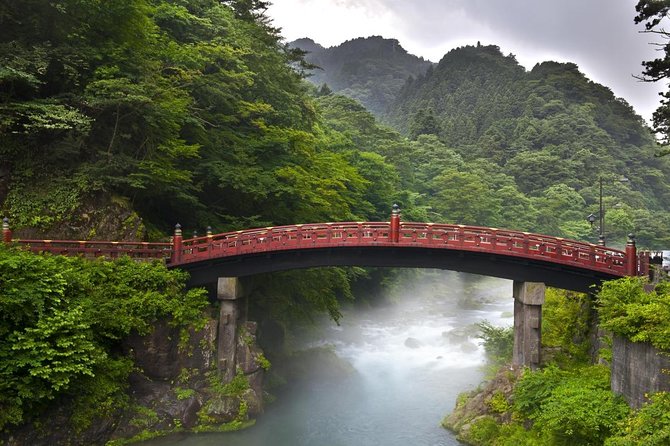
- Shinkyo Bridge is a quick, scenic win: 17th-century timber bridge crossing over the Daiya River and a classic photo moment.
- Kegon Falls at 97 meters delivers a proper wow-factor at Lake Chūzenji in Nikkō National Park.
- Lake Chūzenji’s altitude (1,269 m) puts you above the city feel, with mountain views and free time to breathe.
- Comfort helps on a long day: air-conditioned car, parking fees, highway/tolls, and WiFi are included.
Why Nikko feels like a real escape from Tokyo
Nikko is one of those places where you can’t really compress it into a quick stop. This tour treats it like a full-day visit, so you get both sacred sights and nature that’s actually different from urban Japan.
What makes this setup work is the mix of stops. You’re not just doing temples. You’re also getting Kegon Falls and Lake Chūzenji—plus the little “in-between” moments like the forest walk leading to Shinkyo Bridge.
You can also read our reviews of more guided tours in Tokyo
Tokyo pickup and the 10-hour rhythm (comfort beats stress)
You’re looking at about 10 hours total, and most of that includes the drive out and back. That can be fine if you start prepared: this is the kind of day where the car is a feature, not a compromise.
The ride is in an air-conditioned vehicle, and WiFi on board can help pass time if you’re traveling with teens, or if you just want to map your next photo angle. Parking fees, gas/petrol, and highway/tolls are covered, so you’re not stuck doing small payments during a busy day.
The trade-off is time on major roads. If traffic spikes, you’ll feel it. The good news is the tour keeps the key attractions close enough together to make that drive time worthwhile.
Tip I’d follow: pack your day like you’re doing a road trip. Bring water and a snack, even though food isn’t included. When the schedule is tight, having your own backup keeps you relaxed.
Stop 1: Nikko Tosho-gu (UNESCO) and what to look for
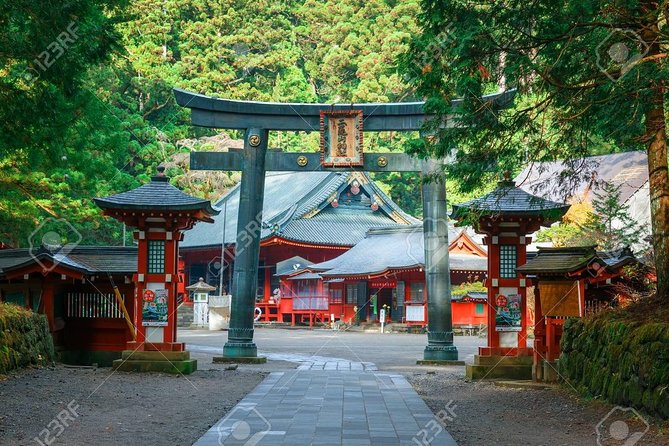
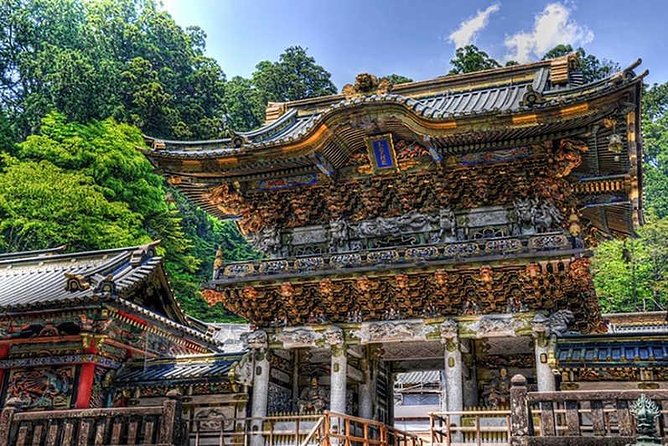
Nikko Tosho-gu is the anchor of the day. This UNESCO World Heritage site brings together Buddhist temples and Shinto shrines, built in the early 17th century. It’s set in a forested area that changes the mood fast—one minute you’re in the city’s orbit, the next you’re walking into a different tempo.
You’ll have about 2 hours here. That’s long enough to see the main sights without sprinting, especially if your guide explains what you’re looking at as you go. Entrance tickets are not included, so budget for that before you arrive.
What I think makes Tosho-gu worth it is the way it connects religion, art, and place. The complex is not just “one building.” It’s a whole shrine environment, where details matter—so slow down whenever something catches your eye.
If you want to get the most value from your guide, this is where it pays off. Ask questions about the mix of Buddhist and Shinto elements. Even short answers can make the whole site click.
Stop 2: Shinkyo Bridge photo walk over the Daiya River
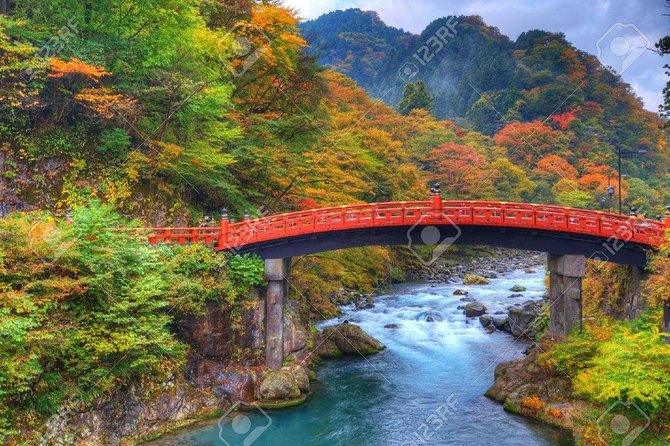
After Tosho-gu, you’ll head to Shinkyo Bridge, one of Nikko’s most recognizable views. This bridge opened in the 17th century and is made of timber wood, crossing over the Daiya River.
You’ll spend about 30 minutes here. It’s free to visit, which is a nice break in a day where some entrance costs do apply. The bridge also leads to the main entrance of Rinno-ji temples and shrines, so it’s more than a photo postcard—it’s part of the route people historically used.
If you care about photos, this is the moment to slow down. Look for the angle that includes the bridge structure and the river line, and give yourself a minute to re-check your shot. The forest setting can create a cool light shift as you move a few steps.
Practical note: keep your camera ready. This stop can feel short, and you’ll want at least a couple of angles before you move on.
Stop 3: Kegon Falls (97 meters) and the Lake Chūzenji viewpoint
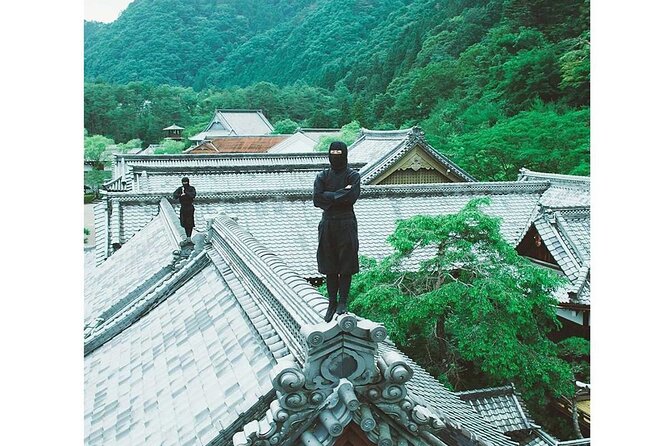
Then comes the nature highlight: Kegon Falls at Lake Chūzenji in Nikkō National Park. The falls drop about 97 meters, and the view from the elevated area is what pulls you in.
You’ll have about 1 hour here, and entrance tickets are not included. This is also one of the three highest waterfall sites in Japan, so it’s not just a scenic stop—it’s a serious waterfall.
One cool detail to know while you’re there: the falls were formed when the Daiya River was rerouted by lava flows. That makes the scene feel less random. It’s nature with a clear story behind it.
In 1927, Kegon Falls was recognized as one of the Eight Views that best showed Japan and its culture in the Shōwa period. You’ll see why once you’re standing there. It’s the kind of view that historically drew people in, not just modern tourists.
If the weather is gray or rainy, your experience still has value, but visibility can change fast. This is one spot where you’ll be glad the tour requires good weather. When it’s clear, you get sharper sightlines and more “wow” per minute.
You can also read our reviews of more private tours in Tokyo

Stop 4: Lake Chūzenji at 1,269 meters (how to use your time)
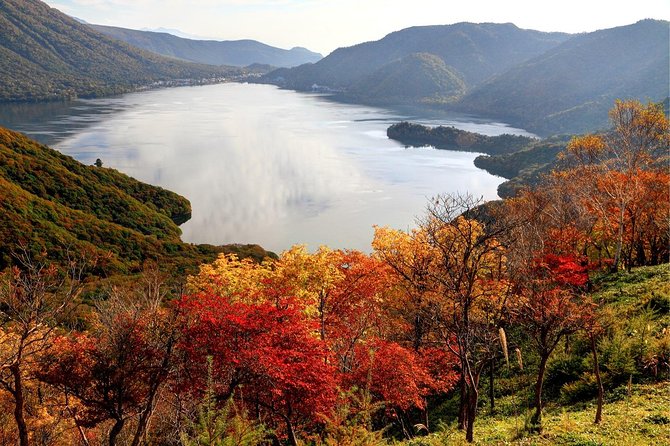
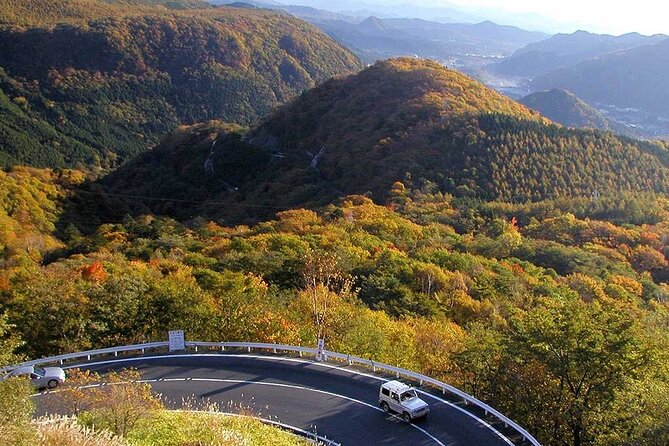
Lake Chūzenji is a scenic lake sitting at 1,269 meters above sea level, surrounded by mountains. It was created about 20,000 years ago after Mount Nantai erupted and blocked the river, which is a neat reminder that this place has deep-time drama.
You’ll get about 1 hour 30 minutes here, and it’s free to visit. That extra time matters because lakes are slow. You don’t rush water views the way you rush shrine corridors.
If you want to make the time feel more active, boats or cruise options exist as another way to explore the area. The tour itself doesn’t require that, but it helps to know alternatives are available if you’re interested.
For your hour and a half, I’d plan for two modes:
- A short walk to get your first overview view.
- A slower pause where you actually look at the mountain shapes and shoreline.
This is also a good chance to regroup after Kegon Falls. Your eyes need a reset from intense scenery.
What you’re paying for: value beyond the big sights
At $599 per group (up to 3), this isn’t the cheapest way to do Nikko. But it’s also not pretending to be. You’re paying for a private day with transport, timing, and interpretation support.
What’s included is practical and helpful:
- Air-conditioned vehicle and private transportation
- Parking fees
- WiFi on board
- Gas/petrol and highway/tolls
What you’ll usually handle on your own:
- Food and beverage
- Entrance tickets where required
That split is common for day trips, but it matters for budgeting. If you’re aiming to keep costs predictable, plan meals yourself and expect tickets at some sights.
Here’s the value angle I like: with a private setup, you’re not juggling trains, transfers, schedules, and walking distances between different transport hubs. If you’re traveling with kids, older relatives, or just want a calmer day, that convenience can outweigh the higher price.
If you’re traveling as a party of 2 or 3, the per-person value improves a lot. If it’s just one person, it’s still workable if you value time and comfort more than saving money.
English guide reality check (and why it matters)
The headline feature is an English-speaking guide. That’s the difference between seeing statues and understanding why they’re there.
I’ve seen how that plays out with real names. For example, guide Sikander was described as accommodating and flexible, giving freedom to explore at your own pace while interpreting along the way. That’s the kind of guide experience you want for Tosho-gu, where meaning isn’t obvious on first glance.
Now, for your planning sanity: confirm what you’re getting. A driver can be helpful for navigation, but you’ll miss the cultural context if you don’t have true guiding support. Before the day starts, verify that the guide role is part of the service, not just the vehicle.
Who this Nikko private tour fits best
This tour is built for people who want a smooth, full-day experience without language friction. Most travelers can participate, and service animals are allowed, which is a good sign for day-trip flexibility.
It’s also a smart match if any of these apply:
- You want English interpretation, especially at Toshogu
- Your group prefers private timing over public transit schedules
- You care about comfort during a long drive
- You want a reliable way to hit waterfall + shrine + lake in one day
If you’re the type who loves to wander completely on your own with zero structure, you might find the day still feels “guided,” even if there’s flexibility. But for most people, that structure is what keeps the day enjoyable instead of exhausting.
Tips to make your day run smoothly
This is a good-weather dependent experience. That doesn’t mean you can’t go if it’s unsettled, but it does mean conditions affect what you’ll see clearly. Have a little patience and be ready to adjust expectations if visibility is poor.
Since food isn’t included, plan simple meals. Bring snacks that won’t melt in a hot car. If you’re sensitive to timing, eat early enough so you’re not starving during transitions.
Wear shoes you can walk in. You’ll move around at shrines and viewpoint areas, and while most walking sounds light on paper, the day adds up fast.
Finally, bring a charging cable or portable battery. WiFi is on board, but it’s not the same as having power for your phone, and photo heavy days drain batteries.
Should you book this Nikko private tour?
Book it if you want an efficient, comfortable Nikko day with a private group vibe and English interpretation that helps the sights make sense. The combination of UNESCO Tosho-gu, Shinkyo Bridge, and Kegon Falls plus Lake Chūzenji is exactly the kind of pairing that works well when you’re not spending your energy on transit logistics.
Skip or rethink it if you’re highly sensitive to long highway time. You’ll spend a lot of your day on the road, and traffic can stretch things out. Also, if English guiding is a must-have for you, do a quick confirmation before departure so you don’t get stuck with explanations that never quite land.
If you can handle the commute and you’re excited about both sacred sites and nature views, this is a strong way to do Nikko in one full day.
FAQ
How long is the Nikko private tour?
It runs for about 10 hours (approx.).
How many people are included in the private group?
The price is per group and the group size is up to 3 people.
Is pickup offered?
Yes, pickup is offered.
Does the tour include an English-speaking guide?
The experience is described as having an English-speaking driver/guide setup, and you’ll want to confirm the English-speaking guidance is provided as part of the service.
Are the entrance tickets included?
No. Entrance passes are not included where required.
Is Shinkyo Bridge free to visit?
Yes. Admission is free for Shinkyo Bridge.
Is food included?
No. Food and beverage are not included.
Is cancellation allowed if weather is not good?
Yes. The experience requires good weather, and if it’s canceled due to poor weather you’ll be offered a different date or a full refund. Free cancellation is also available up to 24 hours in advance.