REVIEW · TOKYO
Matcha Experience with of Japanese Tea Tasting in Tokyo
Book on Viator →Operated by matcha trip · Bookable on Viator
Tea nerds, this one is for you. In Tokyo, you get a small-group tea class where I love that you taste multiple Japanese teas side-by-side and I love that you actually make matcha (ousucha) with a bamboo whisk. One possible drawback: 1.5 hours moves fast, so you’ll want to focus and keep up while your host explains each step.
What makes this class special is the people behind it. Chisei, a former tea farmer who grew tea for 6 years in Kyoto and also practices as a pharmacist, breaks down the differences you taste. Rina supports the experience with homemade sweets and helps make the whole session feel warm, not stiff.
In This Review
- Key Things That Make This Tokyo Matcha Tasting Worth It
- Matcha Trip in Tokyo: A 90-Minute Class That Feels Personal
- Chisei and Rina: The Duo Behind the Tea Farming Details
- Step 1: Welcome Drink and a Tea Culture Starter Lesson
- Step 2: The Side-by-Side Comparison Tasting (Where It Clicks)
- Step 3: Japanese Black Tea Plus Homemade Sweets
- Step 4: Make Ousucha Matcha With a Bamboo Whisk
- Step 5: Matcha Latte and Hojicha Latte Tasting
- What You’ll Walk Away With: More Than a Full Stomach
- Price and Value: Is $57.98 a Fair Deal?
- Logistics That Help: Mobile Ticket and Easy Location
- Who Should Book This Matcha Ceremony and Tea Tasting?
- Should You Book This Tokyo Matcha Experience?
- FAQ
- How long does the matcha experience last?
- What is the group size?
- What teas and drinks are included?
- Are snacks included?
- Do I get to make matcha myself?
- Where is the meeting point?
- Is there free cancellation?
- Are service animals allowed?
Key Things That Make This Tokyo Matcha Tasting Worth It
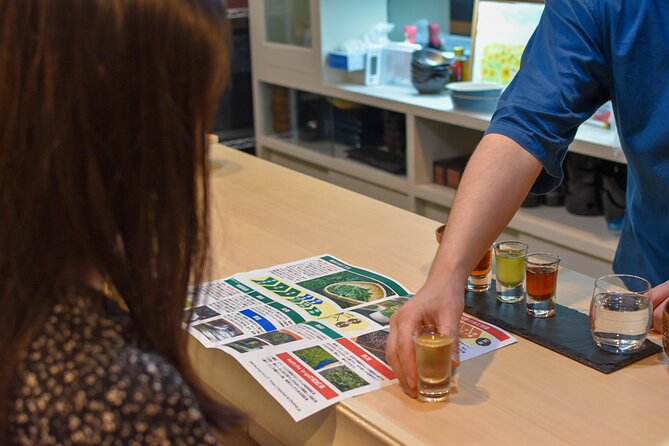
- Max group size of five means you’re not shouting over each other and you can ask questions
- Former Kyoto tea farmer Chisei explains tea cultivation and processing with clear diagrams and patience
- Seven Japanese tea tastings, plus matcha in multiple styles and both matcha latte and hojicha latte
- See-first, taste-next comparisons where you check leaf shape and color before sipping
- Homemade sweets paired to your tea, including a chance to try tea leaves with ponzu
- Hands-on matcha making so you leave with a repeatable at-home method
Matcha Trip in Tokyo: A 90-Minute Class That Feels Personal
This isn’t a grab-a-cup-and-move-on Tokyo stop. It’s a guided, hands-on tea session designed for general guests, and the format matters: the group limit is five travelers, so you get attention instead of a lecture delivered at full speed.
You’re also not boxed into just one style. The experience is built around comparisons—so you taste and learn in the same moment. And yes, you get to make matcha yourself at the end, using a bamboo whisk. That’s the difference between reading about tea and actually understanding why people care.
Duration is about 1 hour 30 minutes, so expect a packed schedule with multiple tastings and a short practical lesson. If you prefer very slow, meandering experiences, this may feel like sprinting. If you like your activities structured and satisfying, you’ll likely enjoy it.
You can also read our reviews of more food & drink experiences in Tokyo



Chisei and Rina: The Duo Behind the Tea Farming Details
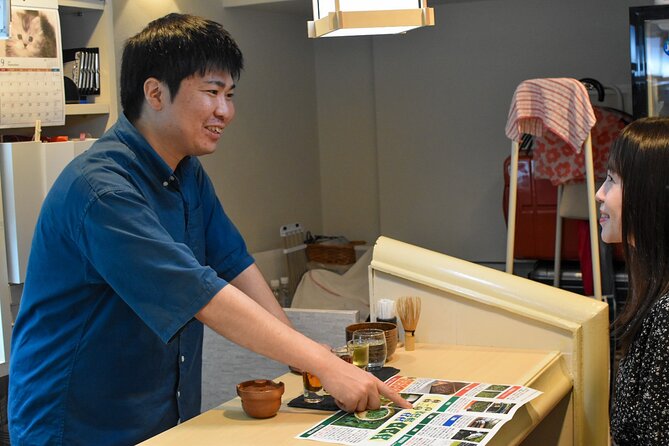
The best part of the class is how it’s taught. Chisei has real-world tea-farming experience from Kyoto, and he pairs that with a methodical teaching style. In several accounts, guests highlighted how clear his explanations are and how freely he answers questions.
Rina is the other half of the formula: she handles the sweet side of the session and helps keep things comfortable. She also supports matcha and tea eating moments. One standout detail from the experience: you may even taste the tea leaves themselves with ponzu, which is not something you’ll get by simply ordering tea at a café.
Language is another practical upside. Multiple guests noted their English is very good, which matters a lot in a class like this where small details (aroma, leaf appearance, brewing method) make or break the learning.
Step 1: Welcome Drink and a Tea Culture Starter Lesson
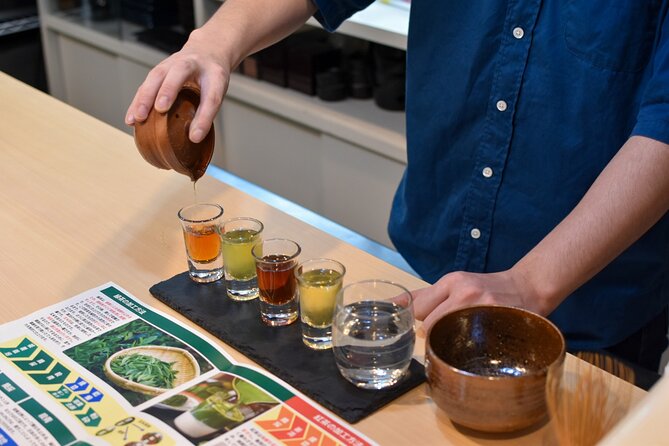
You begin with a seasonal welcome drink, served while Chisei explains what you’ll be tasting. It’s a smart warm-up, because your brain is already in tea mode before the comparisons start.
This stage is also where context gets set: the basics of Japanese tea culture, how tea is processed, and how the day’s tasting is organized. Some guests noted the welcome drink felt refreshing on hot days, which makes sense—tea culture includes comfort, not just formality.
Practical tip: if you have allergies, bring them up early. In accounts of the experience, Chisei proactively asks about allergy conditions, so you’re not left guessing about snacks.
Step 2: The Side-by-Side Comparison Tasting (Where It Clicks)
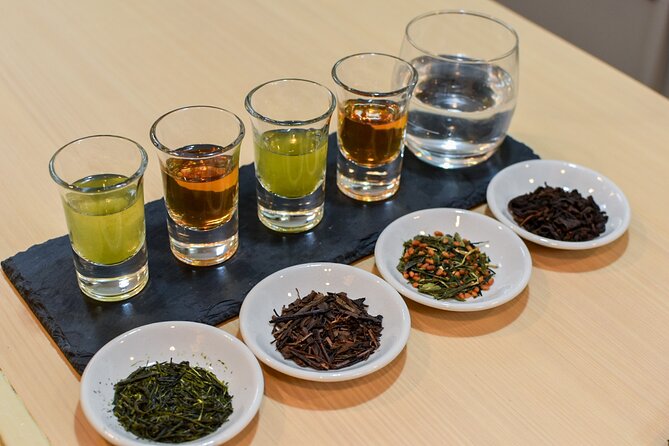
This is the heart of the class: you’ll compare multiple Japanese green teas through both visual checks and taste tests. The approach is simple and effective. You look at the color and shape of the tea leaves, then the tea gets prepared the right way for that variety, and you evaluate fragrance and flavor.
Included in the tasting are green tea styles such as sencha, kabuse-cha, gyokuro, and deep steamed sencha. You’ll also try hoji-cha, and you’ll include a toasted/brown rice style like genmaicha (brown rice tea). Then there’s a Japanese black tea tasting as well later.
Why this matters: if you’ve only ever had one green tea in a restaurant, it’s easy to think they all taste similar. The class is built to break that assumption quickly. You get immediate feedback as you go from one tea type to the next, and you learn how cultivation and processing methods change what ends up in your cup.
One caution: because you’re moving through several varieties, take short notes if you care about remembering what you liked. You’ll likely have at least one surprise favorite by the end.
Step 3: Japanese Black Tea Plus Homemade Sweets
After the green tea comparisons, the class shifts to a pairing. You try Japanese black tea along with homemade sweets chosen to work well together.
This part is less about ceremony and more about balance. Black tea can handle sweetness differently than green tea, and pairing it thoughtfully helps you notice how your palate changes from cup to cup. The sweets are made by Rina, and this is one place where the experience is consistently praised. People call them some of the best snacks they had in Japan, and that kind of feedback doesn’t happen for average biscuits.
Also, it’s a nice break from the tasting intensity. You get to slow down just enough to reset and enjoy the flavors as a combination, not just as a single tea analysis.




Step 4: Make Ousucha Matcha With a Bamboo Whisk
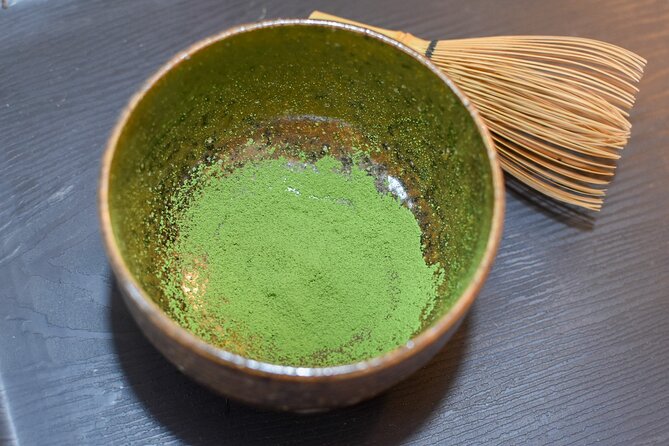
Then you get the hands-on matcha moment: you make ousucha (matcha) using a bamboo tea whisk.
This is where the class earns its value. Watching someone whisk matcha is one thing. Doing it yourself is where you learn what texture and thickness should feel like. And you’re not just making matcha once—you’re learning how to do it so you can make it at home later.
A good sign here is that the class is designed for general guests. That means you’re guided through the steps rather than handed a ritual and left to figure it out.
If you’re new to matcha: don’t worry about getting it perfect. The point is understanding the method and learning how small differences change the cup.
Step 5: Matcha Latte and Hojicha Latte Tasting
If you think matcha is only for thick, traditional bowls of powder, this class nudges you out of that box. You get to enjoy both matcha latte and hojicha latte.
This matters for two reasons. First, it shows you how matcha can be enjoyed in a more accessible, milk-friendly form. Second, it gives you a second way to recognize flavors beyond bitterness or sweetness—because the latte format changes what you perceive.
It’s also useful if you’re deciding whether to buy matcha later. Trying matcha as a latte helps you choose a style that fits your taste and lifestyle.
What You’ll Walk Away With: More Than a Full Stomach
By the end of the session, you should have a practical understanding of Japanese tea beyond a single drink. The class focuses on how teas differ through cultivation/processing and how to enjoy them properly.
Here’s what I think you’ll actually take home:
- A way to compare teas by sight, smell, and taste in a structured order
- A matcha-making method you can repeat at home with a whisk
- A short list of what you personally like, because you’ll taste multiple varieties instead of guessing
- Better instincts for pairing, since you experience sweets with black tea and milk versions of matcha and hojicha
In several accounts, guests also mentioned the host’s explanations made tea feel more approachable, even for people who started out as total beginners. That’s important in a city full of tea spots where you can spend a lot of money and still come away with only one impression.
Price and Value: Is $57.98 a Fair Deal?
At $57.98 per person for about 90 minutes, you’re paying for three things that most café experiences don’t deliver:
- A guided tasting across multiple tea types, with explanation built in
- Hands-on matcha making with tools and step-by-step help
- Homemade sweets that are part of the pairing, not an afterthought
A single good matcha drink in Tokyo can easily cost enough that it feels like you’re buying a beverage, not an experience. Here, you’re paying for education, tastings, and the chance to make something yourself.
Also, the small group size (max five) is a value multiplier. If you’ve ever been in a class where the instructor can’t reach half the table, you’ll appreciate being close enough to ask questions and get real responses.
Logistics That Help: Mobile Ticket and Easy Location
The experience uses a mobile ticket, and it runs from the same meeting point to the same meeting point. That’s handy when you’re pairing this with other Tokyo plans.
The meeting location is at matcha tripJapan, 111-0042 Tokyo, Taito City, Kotobuki 3-chōme 19-8, Henn Na Hotel 2F Sports Bar Leaf. It’s also noted as being near public transportation, which matters because you don’t want tea day to turn into a transit scavenger hunt.
One small thing to note: since it ends where it starts, you won’t need to plan a cross-town connection at the exact end time.
Who Should Book This Matcha Ceremony and Tea Tasting?
You should strongly consider this if:
- you’re a tea lover or want to become one quickly
- you like small classes and Q&A more than big group tours
- you want something more meaningful than ordering tea once
- you want to learn how to make matcha at home, not just taste it
You might skip it if:
- you hate structured activities and would rather wander
- you prefer tasting fewer items more slowly
- you’re only interested in tea cocktails or a quick caffeine hit
If you’re unsure, I’d still give it a shot. The format makes it easy to follow even if you’re new. And if you’re already a matcha drinker, the comparisons can sharpen your palate fast.
Should You Book This Tokyo Matcha Experience?
Yes, if you want a calm, focused, small-group tea class with real instruction. The biggest reasons I’d book it are simple: you get multiple tea tastings, you make ousucha matcha yourself, and the snacks are homemade and specifically paired. Add the Kyoto tea-farming background of Chisei and the supportive role of Rina, and it becomes more than a novelty activity.
My advice: go hungry enough to enjoy the sweets, and bring curiosity. If you do that, you’ll leave with matcha confidence and a short list of teas you’ll remember.
FAQ
How long does the matcha experience last?
The session is about 1 hour 30 minutes.
What is the group size?
It has a maximum of five travelers.
What teas and drinks are included?
You’ll taste seven varieties of Japanese tea (including items such as hojicha, sencha, kabusecha, gyokuro, deep steamed tea, genmaicha, and Japanese black tea). The class also includes two types of matcha and matcha latte options, plus hojicha latte.
Are snacks included?
Yes. You’ll be served homemade sweets that go well with the tea.
Do I get to make matcha myself?
Yes. You’ll make ousucha matcha using a bamboo tea whisk.
Where is the meeting point?
You meet at matcha tripJapan, Henn Na Hotel 2F Sports Bar Leaf, Taito City, Kotobuki 3-chōme 19-8, Tokyo, and the experience ends back at the meeting point.
Is there free cancellation?
Yes. Free cancellation is available up to 24 hours in advance of the experience start time for a full refund.
Are service animals allowed?
Yes, service animals are allowed.
If you tell me your travel dates and whether you’re new to matcha or already a fan, I can help you decide if this timing fits best with your other Tokyo plans.