REVIEW · TOKYO
Japanese Traditional Sweets making
Book on GetYourGuide →Operated by 日本文化体験 庵an東京 AN TOKYO · Bookable on GetYourGuide
This is Japanese sweets craft in one short sitting. You shape two seasonal Nerikiri treats, plate them like little artworks, then get to taste your work right away. I especially like the use of Kyoto-made red/white bean paste and the fact you leave with two finished sweets, not just a demo. If you hate feeling rushed, this class may be a heads-down, on-the-clock type of experience.
At AN TOKYO Japanese Culture Experience, the format is designed to move smoothly through explanation, shaping, and eating within about an hour. I also like that it works well for solo visitors, since the activity naturally puts you with other learners in the same step-by-step process. The main drawback to consider is pacing and room comfort: it can feel fast, and the classroom setup may not be ideal if you’re toward the back or you’re relying on a clear spot for bags/coats.
In This Review
- Key things to know before you go
- Nerikiri in plain terms: seasonal sweetness you shape by hand
- Kyoto bean paste plus two finished treats: what you make
- The schedule: 65 minutes that move from shaping to plating to eating
- Inside AN TOKYO Japanese Culture Experience: room, language, and pacing
- Flower-shaped Nerikiri: where the art skills start
- Kinton Nerikiri: second sweet, second set of steps
- Plating and photos: edible art you can actually take home as memories
- Taste on the spot: why eating matters here
- Takeaway and extras
- Price and value: $11 for hands-on Nerikiri in Tokyo
- Who this Nerikiri class fits best (and who should think twice)
- Should you book this Nerikiri workshop at AN TOKYO?
- FAQ
- FAQ
- How long is the Nerikiri making experience?
- What sweets will I make during the class?
- Are ingredients included in the price?
- Can I eat the sweets during the class?
- Is there an option to take the sweets home?
- Are English instructions available?
- Can I get a completion certificate?
- What time is the workshop available?
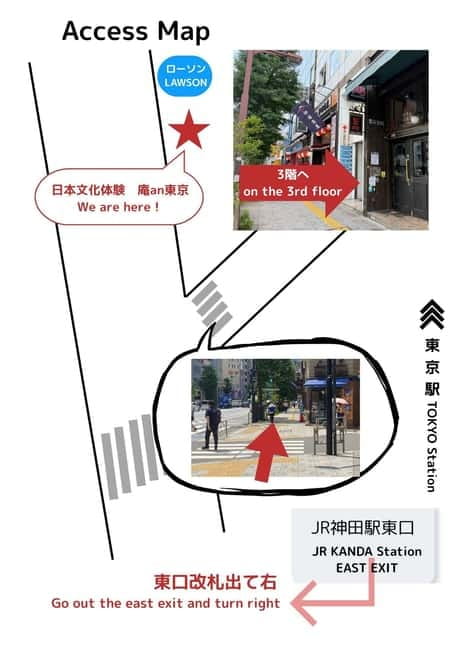
- Where is the meeting point?
- What is the cancellation policy window?
Key things to know before you go
- Kyoto long-established bean paste: you use white and red bean paste made by shops in Kyoto.
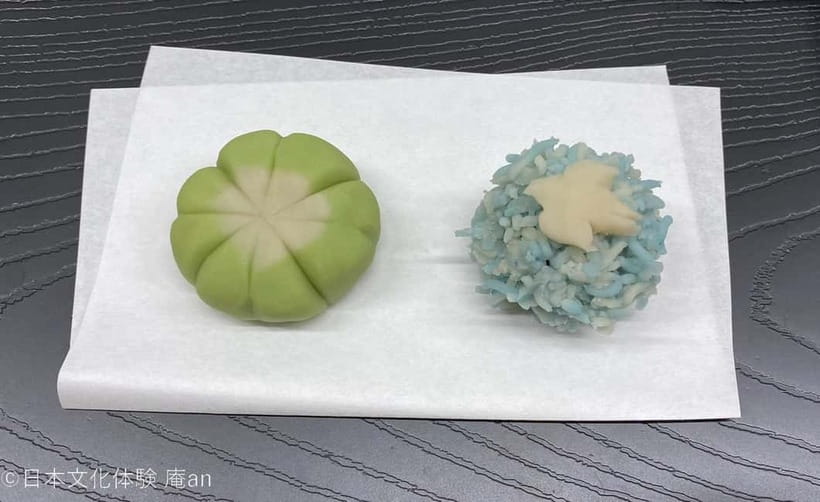
- Two seasonal sweets: you’ll make one flower-shaped Nerikiri and another Nerikiri called Kinton Nerikiri.
- You eat what you make: there’s eating time at the end, on the spot.
- Fast, structured schedule: the class runs on a tight clock from shaping to photos to departure.
- English support is limited but offered: instruction is mainly Japanese, with translation provided as much as possible.
- Optional add-ons: takeaway boxes cost extra, and completion certificates cost extra.
Nerikiri in plain terms: seasonal sweetness you shape by hand
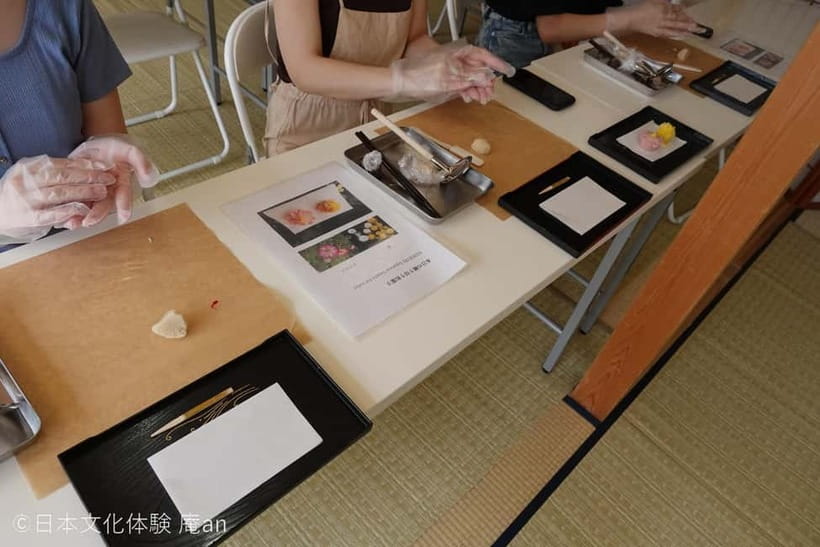
If you’ve only had Japanese sweets as a store-bought dessert, Nerikiri is a different animal. This workshop treats it like edible art: you don’t just assemble ingredients, you shape paste into a specific design that changes with the season. You’ll be working with real sweet-making materials—white/red bean paste—and you’ll finish with two sweets that match what you were taught to make for the time of year.
That matters because Nerikiri has a strong “seasonal message” in Japanese food culture. Here, you’ll feel that directly. The design is the point, and the season is built into the class from the start, so you’re not just learning a technique—you’re making something that fits the moment.
You can also read our reviews of more tours and experiences in Tokyo


Kyoto bean paste plus two finished treats: what you make
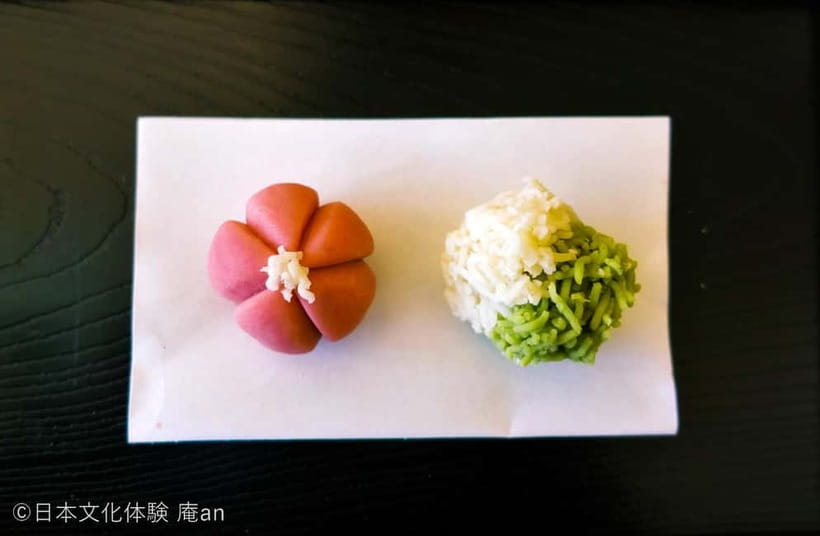
The core ingredient story is a good one: the paste you work with is produced by long-established shops in Kyoto. In practice, that means you’re not learning on mystery ingredients. You’re handling something meant to represent the real flavor and texture of traditional bean-based sweets.
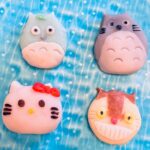
You’ll make two seasonal Nerikiri. The first is a flower-shaped Nerikiri (designed around petals and form). The second is Kinton Nerikiri (another shaped sweet using paste, with its own step-by-step process).
By the end, you’re not leaving with a single sample. You’ll have two sweets you can eat yourself. That turns the workshop into a full experience: you do the work, you see the result in front of you, then you taste it.
The schedule: 65 minutes that move from shaping to plating to eating
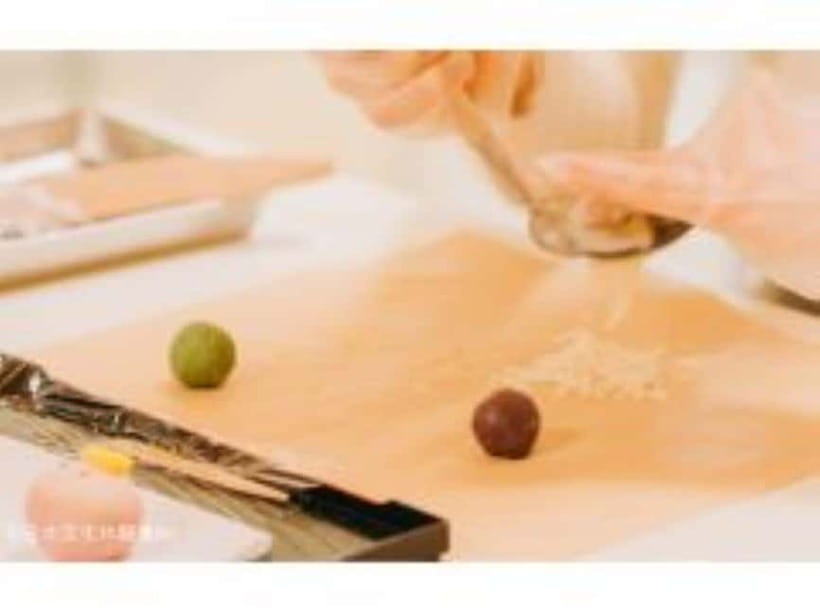
The class is built around a tight timeline, roughly 65 minutes total. You start with a short introduction to Japanese traditional sweets, then it’s hands-on shaping in two rounds, then photos, then eating.
Here’s the flow you should expect:
- You begin with an explanation of Japanese traditional sweets and what you’ll be making.
- Next comes flower-shaped Nerikiri making, where the design and shaping steps are the focus.
- Then you move on to Kinton Nerikiri making, with its own set of shaping steps.
- At the later part of the session, there’s picture time, so you can document your finished sweets.
- Then you have eating time—the best part, since you get to taste what you made.
- Finally, the session ends and you depart.
One important reality check: because the workshop is designed to fit everyone into the same clock, you should expect quick transitions between steps. If you learn slowly, or you like to stare at instructions before touching anything, mentally prepare for a more guided-and-speedy pace than a casual craft class.
Inside AN TOKYO Japanese Culture Experience: room, language, and pacing
You’ll meet at AN TOKYO Japanese Culture Experience, in Tokyo (coordinates: 35.6916541, 139.7715022). The setting is a classroom-style workshop environment. The instructor is Japanese, and English translation is provided as much as possible, but it’s not guaranteed to be fully detailed for every moment.
The upside is that the activities are mostly visual and hands-on. Even if translation varies, you can usually follow what to do by watching and copying the shaping steps.
The downside is comfort and visibility. The room can hold a sizable group, so if you’re seated far back, you might not see every hand movement clearly. Also, don’t count on lots of personal-space storage: there isn’t a clearly stated coat-check setup, so you’ll want to plan with that in mind and keep your bag where you can manage it.
Finally, pacing: this class is structured to keep the line moving. Some visitors may find the speed a bit intense, especially during the short instruction windows between steps. If you’re the type who needs time to get comfortable with your hands before you move on, you might feel a little pressure.
Flower-shaped Nerikiri: where the art skills start
The flower-shaped portion is where the workshop feels most like craft.
You’ll shape a sweet so it reads as a flower. That means you’ll likely focus on form, edges, and how pieces sit together. The idea is not just to make it “good enough,” but to make it look like something you could imagine on a seasonal Japanese sweets plate.
This is also the stage where your confidence grows fast. The technique is physical and immediate: once you understand what the teacher is asking for—shape direction, placement, and how to refine the look—you’ll see your work change in front of you.
Tip: keep your hands calm. Nerikiri work rewards steady motion. If you rush your grip or squeeze too hard, the shape can lose its intended look. Slow down just a bit inside the overall pace of the class.





Kinton Nerikiri: second sweet, second set of steps
The second sweet, Kinton Nerikiri, gives you a different shaping challenge. Even though both are Nerikiri, you’re switching to a separate process and a separate final look. That makes the class feel fuller than “repeat the same technique twice.”
This part is a good moment to use your first sweet as a practice run. You already learned how the paste behaves and how the teacher’s instructions translate into hand movements. Now you can apply that experience instead of starting from zero.
And because you’ll plate and photograph both sweets, this stage is also where you want to aim for a clear final silhouette. It’s not only about taste—it’s about seeing the result that ends up on your plate.
Plating and photos: edible art you can actually take home as memories
When you finish shaping, you’ll place your handmade sweets on a plate. That’s not just a procedural step—it’s the “reveal.” Your sweets go from “a blob of paste you shaped” to something that looks like a real Japanese confections display.
Then comes picture time. This is when your session shifts from workshop mode to keepsake mode. You’ll likely want photos from angles that show the shape clearly, especially for the flower design.
If you’re traveling solo, this is also a social comfort moment. You’re surrounded by people doing the same kind of craft, so you can naturally compare results without needing to talk much. People tend to smile, point, and share small tips—exactly what makes this kind of class feel welcoming.
Taste on the spot: why eating matters here
The class is set up so you can eat your sweets right away. That’s a big deal. Many food experiences stop after the making part. Here, you get to experience the payoff while everything is fresh and the session is still fresh in your head.
There’s also a practical reason eating on-site helps: you don’t have to worry about transport while you’re learning. If you want to take anything away, you can, but takeaway is extra.
Takeaway and extras
- A sweets take-out box costs 100 JPY.
- A completion certificate costs 300 JPY. If you want a name on it, you need to tell them in advance; otherwise, they’ll leave a blank space.
Price and value: $11 for hands-on Nerikiri in Tokyo
At around $11 per person for a 65-minute class, the value is solid—especially because the price covers the experience itself, not just observation. You’re paying for ingredient use, instruction, and the materials needed to create two seasonal sweets.
What makes it feel like good value is the full loop:
1) you get guided shaping,
2) you finish two sweets,
3) you eat them on-site,
4) you leave with a photo-worthy result.
That’s hard to replicate by just buying one snack at a shop, because you’d still miss the “how it’s made” understanding. Food shops can teach you taste. This workshop teaches you the hands, the pace, and the form.
The only extra costs to watch for are optional: takeout boxes and certificates. If you’re thinking of those, factor them in so you’re not surprised later.
Who this Nerikiri class fits best (and who should think twice)
This workshop is a great match if:
- you like hands-on cultural activities, not just passive sightseeing
- you want a short, focused Tokyo experience (about 65 minutes)
- you enjoy photographing your results and sharing the story later
- you’re okay with a structured, instructor-led pace
It may be less ideal if:
- you prefer very unhurried crafting and lots of repeated practice
- you’re sensitive to tight timing between steps
- you want lots of classroom seating comfort or a guaranteed good view from the back
Also, the instruction is in Japanese, with English translation provided as much as possible. If you’re comfortable following visual instructions and you don’t need every detail translated, you’ll likely enjoy it more.
Based on the overall rating of 4.1 from 19 reviews, the majority experience seems positive—especially for value, fun, and the chance to socialize as a solo traveler.
Should you book this Nerikiri workshop at AN TOKYO?
If you want a short, memorable Tokyo activity that ends with edible art, I’d book it. The Kyoto bean paste, the fact you make two seasonal Nerikiri, and the no-stress payoff of eating on-site are strong reasons to go.
Just go in with the right expectations: this is structured and time-bound, and the room setup may not feel perfect if you’re at the back or you’re very concerned about space for coats/bags. If that sounds acceptable, this class is an efficient, hands-on way to connect with Japanese sweets culture.
FAQ
FAQ
How long is the Nerikiri making experience?
The experience lasts about 65 minutes.
What sweets will I make during the class?
You’ll make two seasonal Japanese traditional sweets called Nerikiri: a flower-shaped Nerikiri and Kinton Nerikiri.
Are ingredients included in the price?
Yes. The Nerikiri making set is included.
Can I eat the sweets during the class?
Yes. There is eating time at the end, and you can eat the sweets on the spot.
Is there an option to take the sweets home?
Yes. A sweets take-out box costs 100 JPY.
Are English instructions available?
English translation is provided as much as possible, but the language of instruction is Japanese.
Can I get a completion certificate?
Yes. A completion certificate costs 300 JPY. If you want it with your name, you need to provide your names in advance.
What time is the workshop available?
Operation hours are from 10:00 to 17:00.
Where is the meeting point?
The meeting point is AN TOKYO Japanese Culture Experience, with coordinates 35.6916541, 139.7715022.
What is the cancellation policy window?
You can cancel up to 24 hours in advance for a full refund.