REVIEW · TOKYO
Japanese Garden & Western Architecture: Akasaka exploration tour
Book on Viator →Operated by OTOMO Travel Guide · Bookable on Viator
Tokyo has a secret Edo-side. This Akasaka tour pairs a 400-year-old Japanese garden with Akasaka Palace stories and architecture, and it moves at a comfy walking pace. One thing to plan for: you’ll likely need cash for entrance fees, especially the Akasaka Palace admission (¥2,000).
What makes it work so well is the mix: Tokugawa shogunate/Edo-period themes, a chance to stop at places like Inari Shrine and Shimizudani Park (weather and closures can shift details), and then a Meiji-era stop that brings in Western-looking design through the Meiji Memorial Picture Gallery. In the guide staff, names like Ayako-san, Sayaka, Mutsuko Takano, and Ume show up in feedback, with praise for calm guidance and helpful English—plus one guide reportedly helped arrange a reservation for an authentic tea shop.
In This Review
- Key Points Worth Marking On Your Map
- Akasaka’s Garden-and-Palace Mix: Why This Walk Feels Different
- Hotel New Otani Japanese Garden: A 400-Year Reset From Skyscrapers
- Akasaka Palace: VIP-Grade Architecture With a State-Guestbackstory
- Meiji Memorial Picture Gallery: The Edo-to-Meiji Story in a Dome Museum
- Jingu Gaien Ginkgo Street: Seasonal Tokyo, Designed by Nature
- Edo-Era Targets Like Inari Shrine and Shimizudani Park
- Price and What You’ll Actually Spend During the Day
- Logistics That Matter: Meeting Points, Walking, and Where the Tour Ends
- Who Should Book This Akasaka Tour (and Who Might Not)
- Should You Book? My Practical Take
- FAQ
- How long is the Akasaka exploration tour?
- What’s the meeting point and where does the tour end?
- Is this tour private?
- Is the tour price all-inclusive?
- Do I need cash?
- Are meals included?
- What should I wear?
- Is there free cancellation?
Key Points Worth Marking On Your Map
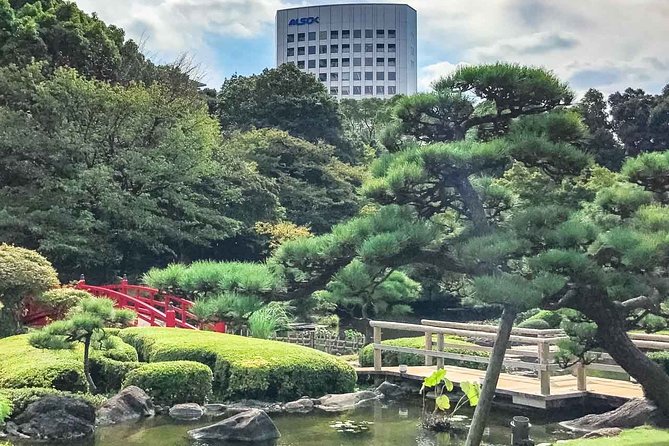
- 400 years of garden design in the Hotel New Otani Japanese Garden, with waterfalls and seasonal plants
- Akasaka Palace access that feels VIP-level because it’s tied to state guest receptions
- Meiji-era change, shown visually in a dome museum focused on the Meiji period
- Seasonal Tokyo scenery along a ginkgo-lined street that shifts with the four seasons
- Private tour pacing with time for questions and a guide who can adjust on the fly
- Cash matters since some places don’t accept credit cards
Akasaka’s Garden-and-Palace Mix: Why This Walk Feels Different
Most Tokyo sightseeing feels like a sprint between big landmarks. This one slows down on purpose. You’re in Akasaka, a district that can look like another layer of office buildings from street level—then the tour quietly steers you toward pockets of older Japan: gardens, parks, and shrine culture linked to Edo life.
The theme is Tokugawa shogunate and the Edo period. That matters because Akasaka isn’t just pretty greenery. It’s the kind of place where you can connect the dots: how governance and culture shaped city life, and how later eras (Meiji, modern Japan) changed the look of things around you.
Also, the title calls out Japanese garden and Western architecture, and the day actually delivers that feeling. The garden gives you traditional planning, water, and seasonal planting. Then the Meiji stop brings in a different vibe—dome form, museum presentation, and the visual language of a period that leaned into Western influence.
If you like guided context—why things are placed where they are—this tour is built for that. You won’t just look at sights; you’ll connect them.
You can also read our reviews of more tours and experiences in Tokyo.



Hotel New Otani Japanese Garden: A 400-Year Reset From Skyscrapers
This is where the day turns from city noise to slow footsteps.
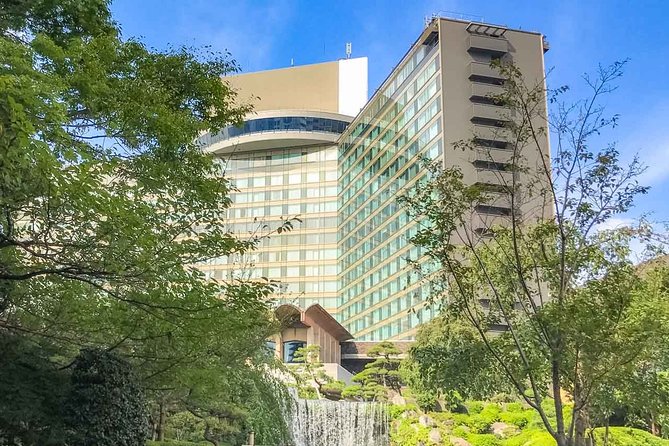
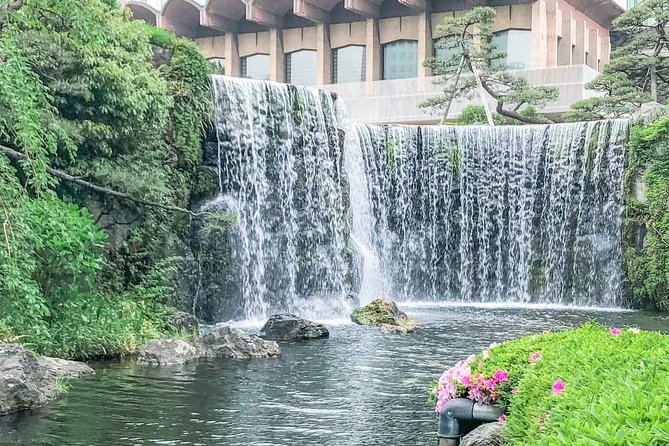
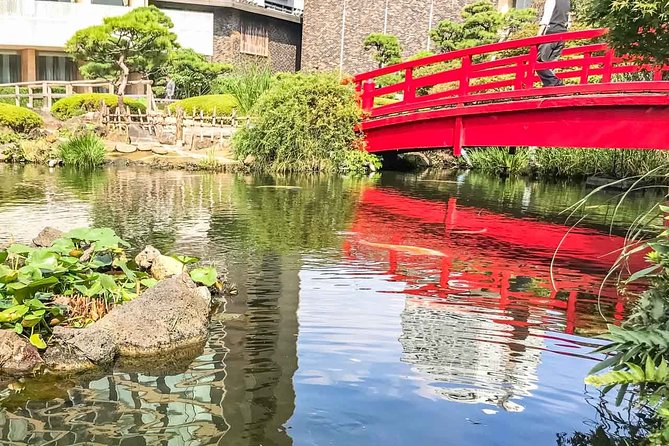
You start at the Hotel New Otani Japanese Garden, and the big draw is time depth. The garden is described as having a 400-year history, and you’re given a chance to actually take it in rather than just passing through. Expect waterfalls and seasonal plants, plus the kind of garden “movement” you only notice when you walk it: sightlines that open gradually, water sounds that make the space feel larger than it is, and planting that changes the mood depending on the season.
The tour also includes the feeling of a break—there’s time set aside for a relaxing pause, with the plan mentioning tea near a pond setting. Even if you only manage a quick sip, it’s the right kind of reset for Tokyo: a small pause that helps you absorb what you’re seeing.
A practical note: you’ll be walking, so comfortable shoes are not optional. Gardens can look tame until you realize you’re crossing paths and taking detours to follow viewpoints.
Why I think this stop is a high-value anchor of the whole tour: it makes the rest easier to understand. When the guide talks about Edo culture and later shifts, you can anchor those ideas to something physical—water engineering, planting styles, and the careful choreographing of space.
Akasaka Palace: VIP-Grade Architecture With a State-Guestbackstory
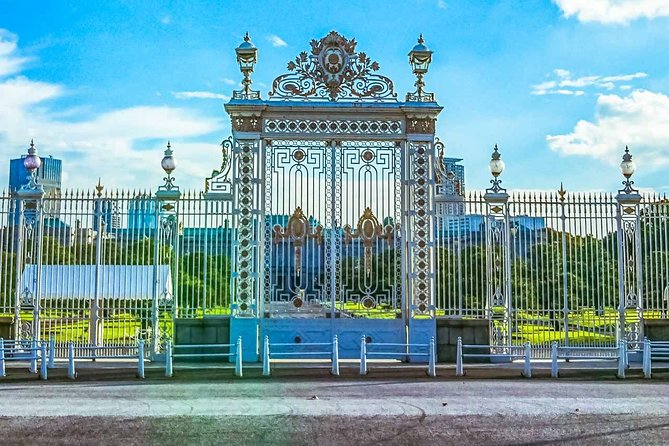
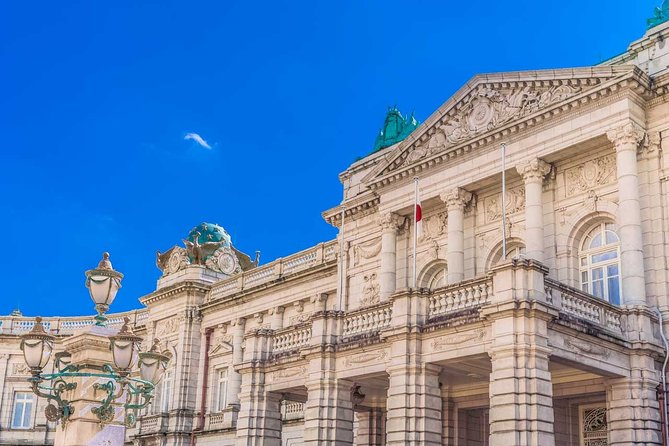
Then you move to the stop that tends to land hardest in people’s memory: Akasaka Palace (State Guesthouse).
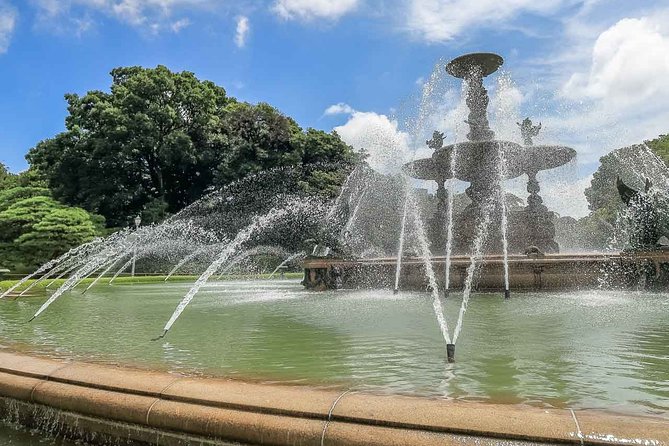
This isn’t a museum where you wander and forget details. It’s described as a guest reception facility for world leaders—kings and presidents—and the exterior vibe is described as luxurious, almost castle-like. The “why” is the key here: this place exists to host diplomacy, so it represents Japan’s modern state identity, not just old Japan.
That contrast is useful. One minute you’re in a quiet garden with seasonal plants tuned to centuries. The next minute you’re thinking about how a country projects itself globally through architecture and ceremony.
The one drawback is also clear: the Akasaka Palace entrance fee is not included and is listed at ¥2,000 per person. The tour price may sound fixed, but this is one of the few costs you’ll need to plan on for sure. Add cash to your day so there’s no stress at the gate.
Meiji Memorial Picture Gallery: The Edo-to-Meiji Story in a Dome Museum
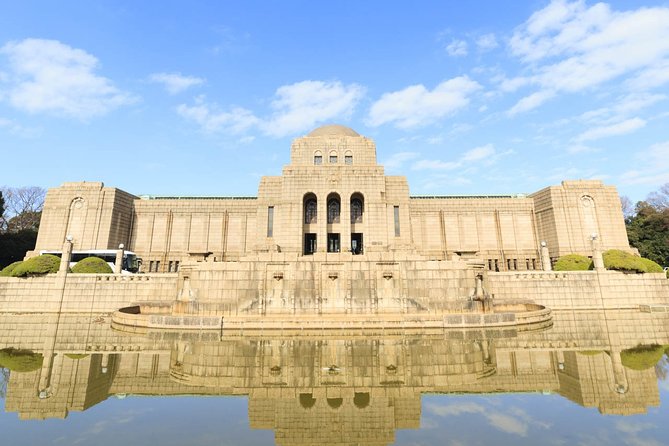
After the palace, the itinerary shifts to the Meiji Memorial Picture Gallery. The standout detail here is the setting: a dome-shaped museum that focuses on the Meiji era.
This stop helps connect eras. If Edo Japan is about Tokugawa governance and city culture, Meiji is about transformation—modernization and new ways of representing life. The museum is described as showing paintings and murals inside, with a building presence that frames views toward the outdoor area (and nearby street scenery is referenced in the description).
It’s a good match for people who like learning through images. Instead of only hearing facts, you see cultural and historical storytelling presented visually. Even if you don’t read every label, the guide can point out the meaning behind what you’re looking at.
One thing to watch: the gallery admission is listed as not included. So treat it like a likely paid entry. The tour does mention that some places don’t accept credit cards, so again, bring cash.
Jingu Gaien Ginkgo Street: Seasonal Tokyo, Designed by Nature
Next comes a Tokyo scene that feels almost like a movie set—Jingu Gaien Ginkgo Tree-lined Street.
You’re here for about 20 minutes, and the description focuses on ginkgo arches and how the scenery represents Tokyo across the year. That “four seasons” idea matters because ginkgo isn’t just a pretty tree. It creates a strong visual rhythm along a walkway, so the season you’re in changes the whole experience: light, color, and the way the street frames you as you walk.
This is also where the tour stays fun rather than heavy. After palace and museum time, a simple stroll with seasonal atmosphere gives your brain a breather. It’s the right balance for a 3–4 hour outing.
Also, this stop is listed as free (no admission ticket required), so it’s a low-cost way to enjoy a very Tokyo kind of scenery.




Edo-Era Targets Like Inari Shrine and Shimizudani Park
Even though the day includes named stops like the garden, palace, and museum, the overall theme is stronger than any one building.
The overview describes the tour as kicking out bad spirits at Inari Shrine and exploring Shimizudani Park, with additional Edo-period culture around Akasaka. That means the day isn’t only about architecture—it’s also about shrine culture and how people historically used sacred spaces as part of everyday life.
Now, here’s the practical truth: the additional info says weather and temporary closures can change destinations and routes, and some spots might swap to alternatives. So don’t fixate on one single shrine corner. Instead, treat the tour as a guided Edo-themed route that uses Akasaka’s real-world geography.
That flexibility is actually a benefit. Tokyo weather can be dramatic. If conditions change, a good guide helps you keep the theme and still get quality time at the planned highlights.
Price and What You’ll Actually Spend During the Day
The tour price is $82.42 per person for a 3 to 4 hour private experience.
Is that good value? For Tokyo, private guided time with multiple paid-in-practice stops can add up fast, especially when you’re paying for context and route planning, not just entry tickets. Here’s what you’re paying for:
- a guide (and guide expenses are included)
- a private format (only your group participates)
- a short, efficient route through garden, palace, and a Meiji-era museum-style stop
What’s not included is where you should budget. The tour description lists an estimated 2,000 JPY per person for tour costs, with admission fees included in that estimate. It also specifically calls out the Akasaka Palace fee of ¥2,000 as not included.
Meals aren’t included either. The tour doesn’t include a dining spot, so you’ll want to plan your snack timing around your schedule.
One more money-related tip that’s worth repeating: some places don’t accept credit cards. So yes, even on a modern Tokyo itinerary, bring cash for entrance fees.
Logistics That Matter: Meeting Points, Walking, and Where the Tour Ends
Start and end points are different. You meet at Akasaka-Mitsuke Station (3-chōme-1-6 Akasaka, Minato City) and the tour ends at Gaiemmae Station (2-chōme-7-16 Kitaaoyama, Minato City). That’s normal for good itineraries, but it affects your plans for dinner and how you return to your hotel.
Plan on walking “a lot.” The instruction is clear: wear comfortable clothing. In garden and shrine areas, your walking pace can slow down, but your steps still add up.
Also, this is a private tour/activity. That’s a big deal if you want to ask questions without crowd noise, or if your group moves at a slightly different pace than the average bus tour.
Who Should Book This Akasaka Tour (and Who Might Not)
This is a strong match if:
- you want real Tokyo variety in a short time—garden + palace + Meiji museum + seasonal street scenery
- you care about the story behind places, especially the Edo period and Tokugawa shogunate
- you like guided flexibility (and a calm, responsive guide style seems to show up in the guidance names mentioned in feedback)
- your group prefers a private format over packed group tours
You might skip it if:
- you hate entrance fees that show up during the day (Akasaka Palace is listed at ¥2,000 and other sites may require separate payment)
- you need a tour with included meals (this one doesn’t include a dining spot)
- you want a purely outdoors tour with no museum element (there is an indoor Meiji gallery stop)
Should You Book? My Practical Take
I’d book this tour if your Tokyo travel style is part history, part atmosphere. The garden stop gives you a genuine sensory break, and Akasaka Palace adds a modern-state contrast that makes the Edo theme feel real rather than abstract.
The biggest decision point is your comfort with cash and on-the-day admissions. If you’re good with that, this is one of those short Tokyo tours that leaves you with more than photos—it leaves you with a clearer mental map of how Japan’s eras sit on top of each other.
If you’re planning for a single guided outing that blends Japanese garden calm with palace drama and Meiji-era visual storytelling, this Akasaka route is a smart use of a half day.
FAQ
How long is the Akasaka exploration tour?
It’s about 3 to 4 hours.
What’s the meeting point and where does the tour end?
You meet at Akasaka-Mitsuke Station (3-chōme-1-6 Akasaka) and the tour ends at Gaiemmae Station (2-chōme-7-16 Kitaaoyama).
Is this tour private?
Yes. Only your group participates.
Is the tour price all-inclusive?
The guide and necessary guide expenses are included, but entrance fees are not. The Akasaka Palace entrance fee is listed as ¥2,000 per person and is not included.
Do I need cash?
Yes. The tour notes that some spots do not accept credit cards, so bringing cash is a good idea.
Are meals included?
No dining spot is included.
What should I wear?
Wear comfortable clothing since you’ll be walking a lot.
Is there free cancellation?
Yes, free cancellation is offered up to 24 hours in advance for a full refund.