REVIEW · TOKYO
Hakone Free Pass, 2-3 Days Travel Voucher Japan
Book on Viator →Operated by Trevopedia Wonders · Bookable on Viator
Hakone without counting fares is refreshing. The Hakone Free Pass turns the trip into a simple 2- or 3-day ride-and-sightsee rhythm across Hakone.
I especially like the straightforward value: an Odakyu Shinjuku–Odawara round-trip plus unlimited local rides in the Hakone area for 2 or 3 consecutive days. If you plan a real loop with multiple “must-see” stops, this pass can take the stress out of budgeting each leg.
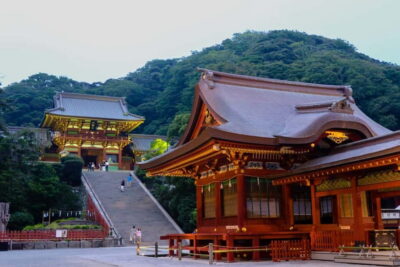
I also love the big-ticket views you can chase with the included options like the Hakone Ropeway and the Lake Ashi sightseeing cruise. Add in discounts at 70 facilities, including famous spots such as Hakone Open-Air Museum and Hakone Shrine, and you can build a day that actually feels like Hakone.
One drawback to keep in mind: this is still popular public transport, so you should expect queues and crowded connections on busy days, especially when you stack many rides into one afternoon.
In This Review
- Key highlights to know before you buy
- Hakone Free Pass coverage: what you really get
- Picking 2 days vs 3 days: when the math works
- Shinjuku to Odawara and the activation gotchas
- A smart Hakone route you can build with the included rides
- Day 1: Start with the altitude sights (Owakudani area)
- Day 1 evening or Day 2 morning: Lake Ashi boat time
- Add-on day (if you choose 3 days): museum and a calmer second loop
- Day 2 or 3: Shinjuku/Odawara return
- Discounts at 70+ sites: where savings can show up fast
- Crowds, queues, and the digital ticket reality check
- Extra costs like Romancecar and what to carry
- Who this pass suits best (and who should rethink it)
- Should you book this Hakone Free Pass voucher?
- FAQ
- How many days is the Hakone Free Pass valid?
- What transportation is included with the pass?
- Where do I redeem the voucher for the physical ticket?
- Can I redeem it at any time of day?
- If I redeem at Odakyu Station, is my train routing restricted?
- Does the pass cover the Romancecar?
- Are there discounts beyond transportation?
- Do children need tickets?
Key highlights to know before you buy
- Unlimited rides across 8 Hakone transport modes, including the ropeway and Lake Ashi sightseeing cruise
- Ordinary Odakyu rail round-trip from Shinjuku to Odawara is included
- Your time window starts when you activate the physical ticket at the counter
- Discounts at 70+ facilities, including Hakone Open-Air Museum and Hakone Shrine
- Romancecar is not covered unless you buy a limited express ticket on-site
- Expect crowds on the classic Hakone transit loop, since this pass encourages the same routes
Hakone Free Pass coverage: what you really get
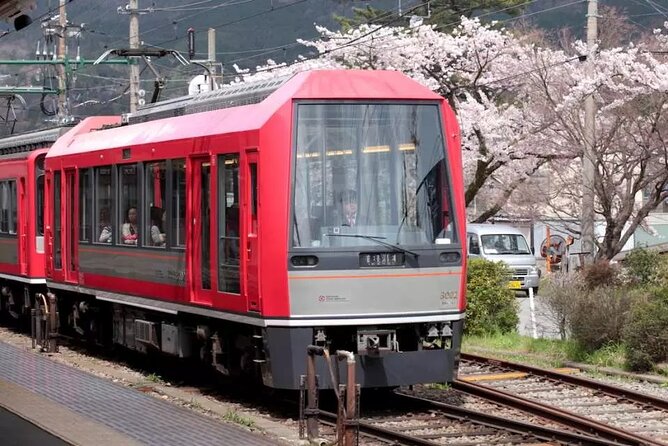
This voucher is built for the classic Hakone loop: get to Hakone fast from Tokyo, then move around the region using one ticket instead of paying for each train, bus, cable car, ropeway, and boat ride.
From Tokyo, you get an Odakyu Odawara Line ordinary train round-trip between Shinjuku Station and Odawara Station. Once you’re in the Hakone zone, the pass is designed around “vertical Japan” sightseeing—switching between rails, cable cars, ropeways, buses, and waterways.
The included transport modes listed for the Hakone area are:
- Hakone Tozan Railway
- Hakone Tozan Cable Car
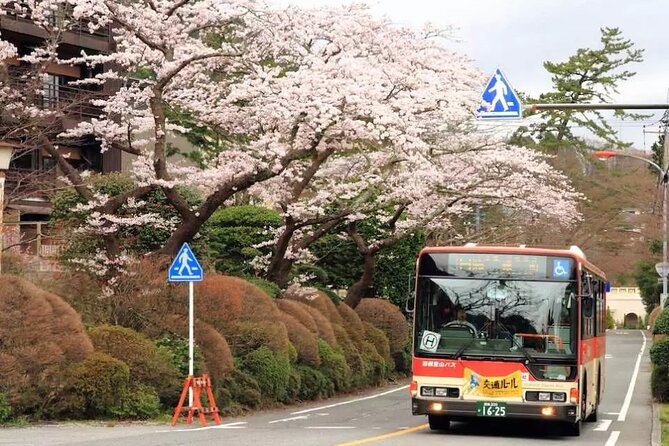
- Hakone Tozan Bus
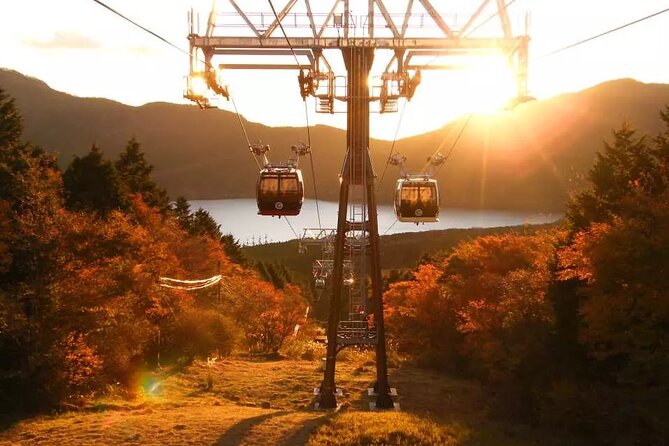
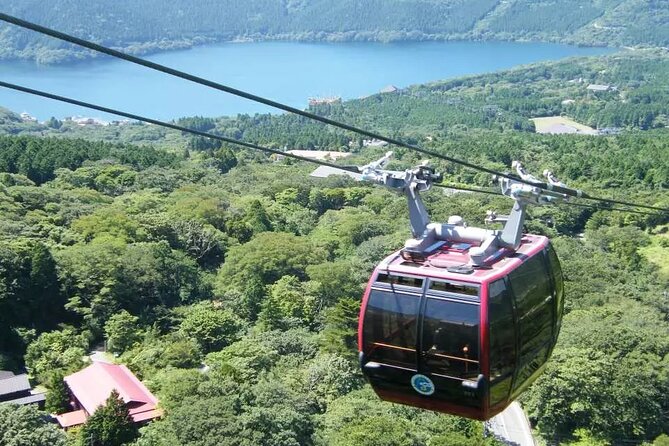
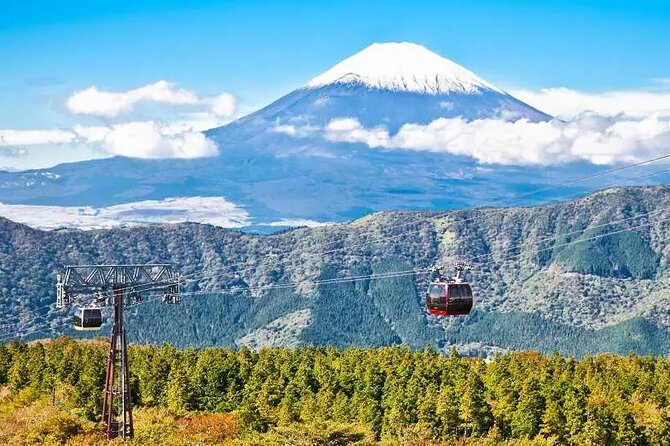
- Hakone Ropeway
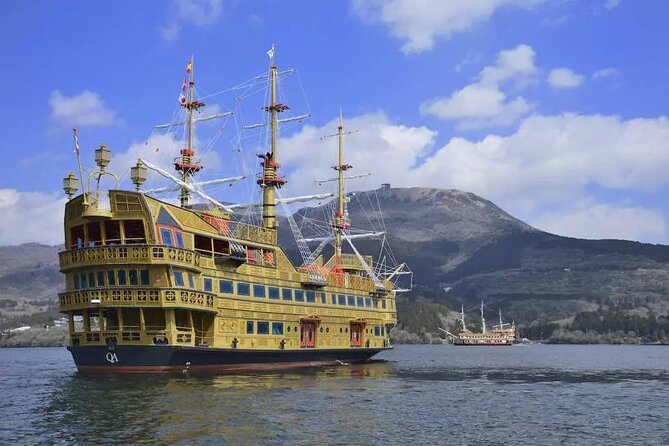
- Hakone Sightseeing Cruise
- Odakyu Hakone Highway Bus and Tokai Bus
In plain terms: the pass is trying to remove the “how do I connect these places?” headache. Instead of treating each leg like a separate mini-ticket purchase, you can string together several major viewpoints and attractions in a short window—especially useful if you’re on a tight Tokyo-to-Hakone schedule.
You can also read our reviews of more tours and experiences in Tokyo
Picking 2 days vs 3 days: when the math works
You choose either a 2-day or 3-day version, and it runs for 2 or 3 consecutive days from activation. If you’re only doing one or two “headline” stops, a shorter pass might be enough. But if you want the full Hakone day-trip feeling—views, a museum, a shrine area, and a boat ride—3 days gives you breathing room.
A helpful way to think about it: Hakone’s attractions are spread out, and the transport network is part of the fun. The more times you use ropeways, cable cars, and buses, the more likely you are to get your money back versus paying cash.
One review example cited a comparison in yen showing a big gap between paying individual transport and using the 3-day pass. I treat that as a best-case snapshot, not a promise. Still, it matches the logic of how these passes work: if your plan includes multiple rides per day, the pass usually wins.
If you’re the type who likes:
- swapping viewpoints each half-day
- doing Lake Ashi by boat
- reaching scenic areas like Owakudani
…then 3 days tends to feel smoother. If you’re okay with a more compact route and fewer transfers, 2 days can work.
Shinjuku to Odawara and the activation gotchas
This pass has one job: get you riding quickly. The part that can trip you up is where and when you redeem the voucher for the physical ticket.
You’ll pick up the physical pass at a designated location in or around Hakone, with Odawara Station being a common choice. Activation starts when you redeem and collect the ticket, and that’s when your 2- or 3-day validity begins. You can use it from the time of pickup.
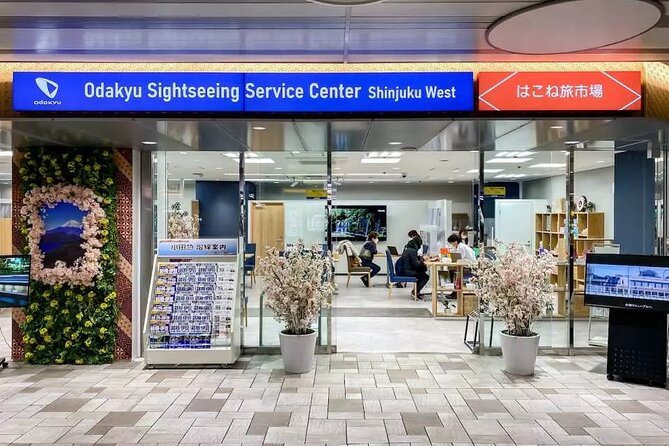
Here’s the important nuance: if you redeem at the Odakyu Sightseeing Service Center at Odakyu Station (Shinjuku West), you can only take trains departing from Odakyu Station. If you need to reach Odakyu Station from elsewhere, you must cover that one-way ride on your own.
A second gotcha: redeem within the operating hours of the counter. No redemption outside those hours, and unredeemed vouchers can’t be used as tickets. Also, voucher redemption is not available at Hakone-Yumoto.
If your schedule is tight, I’d plan backward from the day you want to start riding. Pick an activation point you can reliably reach during counter hours, then build your sightseeing around that start time.
A smart Hakone route you can build with the included rides
The pass is most satisfying when you treat Hakone as a loop, not a straight line. With the included transport types, you can assemble a classic route that mixes altitude views and lakeside scenery.
A practical 2-to-3 day plan (flexible, but built around the included modes and named sights you’ll actually care about):
Day 1: Start with the altitude sights (Owakudani area)
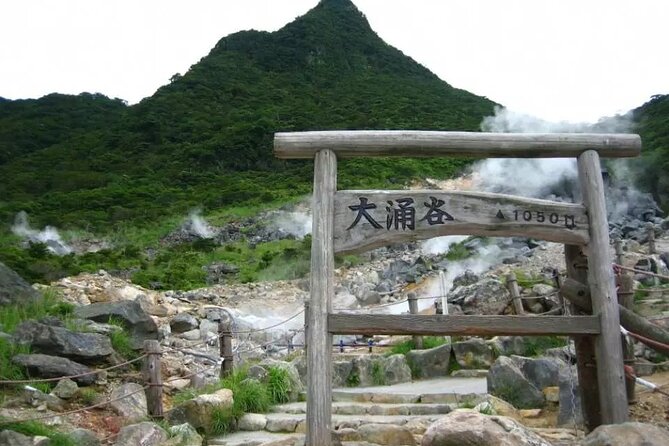
Aim for an early start and use the pass to reach Owakudani Valley, which is commonly paired with the ropeway/cable-car side of Hakone. This is the part of the loop where the change in elevation makes the scenery feel worth the transfers.
Then, continue toward the Lake Ashi area using the included cable/rail/ropeway connections and regional transport options. The goal is to end the day somewhere with good light for the next phase of the loop.






Day 1 evening or Day 2 morning: Lake Ashi boat time
The Hakone Sightseeing Cruise is one of the best “time feels worth it” rides on the pass. It’s also one of the easier pieces to build around because once you’re on the lake, the experience is pretty self-contained.
Many people connect the cruise with Hakone’s shrine area—especially Hakone Shrine (often linked with the lakeside setting).
Add-on day (if you choose 3 days): museum and a calmer second loop
With extra time, you can add something like the Hakone Open-Air Museum without rushing. This is a good choice if you want at least one more relaxed block in your itinerary.
Day 2 or 3: Shinjuku/Odawara return
Since the Shinjuku–Odawara portion is included as an ordinary round trip, your return planning is usually straightforward. The pass is designed so you aren’t forced to make your entire Hakone route conform to one single departure time—use your days, not the clock.
Important realism note: Hakone’s “loop” pattern is popular. If you want a quieter feel, spread your big rides across different times of day instead of stacking everything at once.
Discounts at 70+ sites: where savings can show up fast
Your pass includes discounts at over 70 facilities and attractions, not just transport. The specific named examples given include:
- Hakone Open-Air Museum
- Hakone Shrine
- Hakone Pirate Ship (linked to Lake Ashi area sightseeing)
That matters because transport passes often cover the “hard part” (getting around) while the real value comes from pairing those rides with admissions and activity tickets. If you’re the type who skips museums and buys only what you see for free, you may not unlock the full value.
But if you’re planning at least:
- one paid museum-like attraction (Open-Air Museum is an example)
- one shrine visit you wouldn’t skip
- one Lake Ashi water-based experience
…then discounts can turn the pass from good value into strong value.
One more smart move: don’t treat the discounts like a checklist. Pick the attractions that fit your vibe, then see where the pass discounts reduce the cost of those choices. That way you’re not spending time on stops that don’t really matter to you.
Crowds, queues, and the digital ticket reality check
This pass is popular for a reason, and that reason is also the downside: Hakone’s core transport route can be busy enough to feel like an organized squeeze.
Some feedback highlights the experience can involve:
- long lines
- tightly packed train/bus/cable car moments
- frustration when connections pile up
I’d treat that as a planning alert. If your travel style hates lines, build in buffer time, and avoid the “everyone rides at the same time” window when you can.
Also, the voucher-to-ticket process is sometimes described as easier on paper than in practice with apps. In at least one case, digital ticket handling was a hassle, and access depended on having active mobile connectivity. Even if your redemption works smoothly, it’s smart to arrive with:
- your confirmation info ready
- your phone charged
- enough time to handle any step you can’t do on the spot
This isn’t a private guide situation. It’s a shared infrastructure situation, and it runs on public rhythm. Your best defense is timing and patience.
Extra costs like Romancecar and what to carry
Even when a pass covers a lot, Japan still keeps a few “separate-ticket” layers. Here’s the one called out clearly:
- If you want to ride the Romancecar (a limited express), you must buy a limited express ticket on-site at your own expense.
So if speed matters to you, plan the trade-off:
- Use the pass-covered ordinary train options when you can
- Add the Romancecar ticket only if it helps you protect your sightseeing time
What to carry is simple: you’ll need the physical ticket after voucher redemption. And since redemption is tied to counter hours, I’d avoid assuming you can fix problems late in the day.
Also note the group scale: this activity has a maximum of 100 travelers. That doesn’t mean you’ll be with a tour group the whole time, but it does signal it’s a high-demand product.
Who this pass suits best (and who should rethink it)
This Hakone Free Pass is a strong fit if you:
- want multiple rides across rails, buses, ropeway, and a boat in a short window
- care about the classic Hakone loop sights like Owakudani and Lake Ashi
- plan to visit at least one or two paid attractions where the pass offers discounts
It may not be your best choice if:
- you strongly dislike crowds and long lines
- you’re hoping for a stress-free, low-transfer itinerary
- your plan is so minimal that you might only use a couple of segments
If you’re traveling as a family, also double-check the exact ticket rules for children, since the data specifies age-based requirements.
Should you book this Hakone Free Pass voucher?
Book it if your Hakone plan matches the pass design: you’re using public transport to string together major scenic rides and at least a couple paid sights where discounts apply. The included Shinjuku–Odawara ordinary train round trip plus unlimited Hakone transport is exactly the kind of structure that can save money and reduce daily decision fatigue.
Skip or reconsider if your ideal Hakone day is quiet and slow, with minimal transfers. In that case, the value might not outweigh the crowd and queue reality.
My practical call: if you’re doing Hakone for real (not just a quick look), the 2- or 3-day Free Pass is one of the cleanest ways to experience the region by transit—just give yourself time for lines, and keep Romancecar as an optional upgrade rather than a requirement.
FAQ
How many days is the Hakone Free Pass valid?
The voucher is valid for either 2 or 3 consecutive days starting from the moment you redeem and collect the physical pass.
What transportation is included with the pass?
It includes the Odakyu Shinjuku–Odawara ordinary train round-trip, plus unlimited rides on Hakone’s transport options such as Hakone Tozan Railway, Cable Car, Ropeway, buses, and the Hakone Sightseeing Cruise, within the designated Hakone areas.
Where do I redeem the voucher for the physical ticket?
You redeem at a designated location around Hakone. Odawara Station is a common redemption point. Redemption is not available at Hakone-Yumoto.
Can I redeem it at any time of day?
No. You must redeem during the operating hours of the Odakyu Sightseeing Service Center counter. Redeeming outside operating hours is not available, and unredeemed vouchers can’t be used as tickets.
If I redeem at Odakyu Station, is my train routing restricted?
Yes. Redeeming at the Odakyu Station (Shinjuku West Gate) center means you can only take trains departing from Odakyu Station. You’ll need to pay your own one-way ride to get to Odakyu Station.
Does the pass cover the Romancecar?
No. If you want to ride the Romancecar limited express, you’ll need to buy a limited express ticket on-site at your own expense.
Are there discounts beyond transportation?
Yes. The pass includes discounts at over 70 facilities, with examples listed such as Hakone Open-Air Museum and Hakone Shrine, plus discount/free admission options tied to Hakone sightseeing like the pirate ship.
Do children need tickets?
Children under age 6 can enter for free (no ticket required) as long as they do not occupy a seat. Children age 6 and over require a child ticket, and children under 6 must be accompanied by an adult.
![[Seasonal Limited] Mt. Fuji 5th Station &Hot Spring Day Tour - Your day on the road: pickup, drive time, and what to expect from the guide](https://e.thetokyoexplorer.com/wp-content/uploads/seasonal-limited-mt-fuji-5th-station-hot-spring-day-tour-400x225.jpg)