REVIEW · TOKYO
Hakone Private One Day Tour From Tokyo: Mt Fuji, Lake Ashi, Hakone National Park
Book on Viator →Operated by Japan Awaits · Bookable on Viator
One Hakone day can wipe out planning headaches. I love the private, just-your-party setup and the chance for Mt. Fuji views around Ōwakudani and Lake Ashi, guided by an English-speaking pro like Izumi Aizawa. The main catch is that fog or rain can change what you can do with the ropeway and cruise, so your day needs a little give.
This trip runs from 7:30 am out of Shinjuku and comes back to the same meeting point before dinner—so you get a full Hakone fix without turning your vacation into a transportation puzzle. You’ll ride express trains, use Hakone buses/mountain transport, and do a modest walk along the historic Old Tokaido by Lake Ashi, all at a pace that your guide can adjust.
In This Review
- Key highlights at a glance
- Private Hakone day: what makes this setup feel worth it
- Price and logistics: why $238.45 can make sense
- Getting from Shinjuku to Hakone without turning it into a project
- Ōwakudani volcanic valley: the active sulfur stop you can’t fake
- The Hakone Ropeway and funitel ride
- Lake Ashi and Hakone Shrine: the classic Fuji-friendly lakeside
- Hakone Open-Air Museum: art that behaves like a walk
- Gora Park and the tea-house gardens: a breather between bigger sights
- Narukawa Art Museum: Nihonga style with city views
- Mount Hakone context: understanding what you’re looking at
- The second shrine moment on Lake Ashi: dragon-god luck
- Optional upgrades: pick based on your energy and Fuji chances
- Weather can be the tour’s main character: how to plan around it
- Who this one-day private tour is best for
- Practical tips before you go
- Should you book this Hakone Private One Day Tour?
- FAQ
- What time does the Hakone private tour start from Tokyo?
- Where is the meeting point in Tokyo?
- How long is the tour?
- Is pickup offered?
- What’s included for transportation in Hakone?
- Are the Ōwakudani Ropeway and Lake Ashi cruise always included?
- Does the tour include meals?
- What optional activities cost extra?
- Do I need a passport?
- Is this experience refundable?
Key highlights at a glance
- Just-your-party private tour from Tokyo, with flexibility to shift priorities
- Ōwakudani volcanic valley and the Hakone Ropeway experience over the active sulfur zone
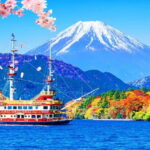
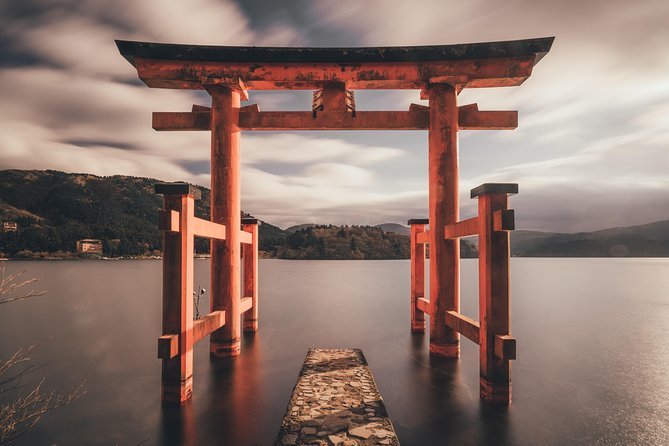
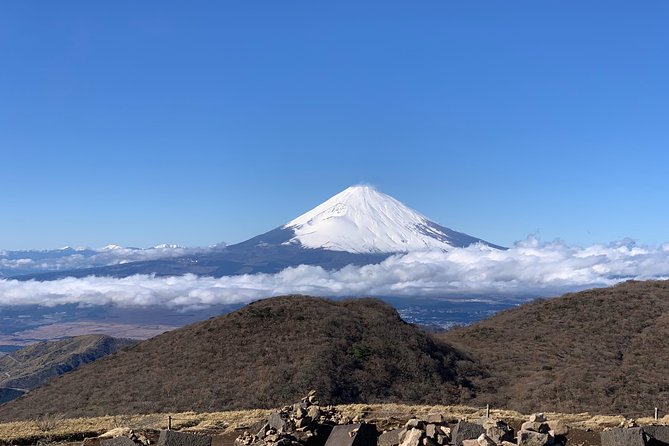
- Lake Ashi moments at the Hakone Shrine area, built for Mt Fuji viewing when skies cooperate
- Hakone Open-Air Museum with major international names like Picasso and Henry Moore
- Gora Park and tea-house gardens plus an art museum stop designed for scenic breaks
Private Hakone day: what makes this setup feel worth it
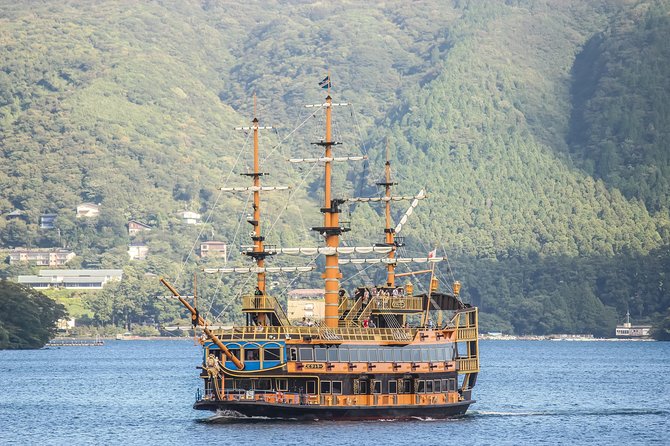
Hakone is famous for a reason, but the logistics are what usually stress people out. This is built to solve that problem: you’re not stitching together trains, buses, ropeways, and ticket lines on your own. Instead, you’re with an English-speaking guide and a plan that’s set up for a one-day hit across the key sights.
The private angle matters more than it sounds. With a small group (your party only), you can spend a little longer at the places you care about most—whether that’s volcano views, art, or lakeside shrines—without being herded.
The value also comes from the “transport + admission” bundle feeling. You get a lot of moving parts included, like Hakone buses and the mountain transport system inside Hakone, plus key entrance fees and discounted admissions.
You can also read our reviews of more private tours in Tokyo

Price and logistics: why $238.45 can make sense
At $238.45 per person, this isn’t the cheapest way to do Hakone. But think about what you’re paying for: fewer decision points and less time lost on figuring out connections.
You’re also paying for two big time savers:
- A guide who manages the day (so you’re not hunting for ticket offices and timing ropeways)
- Transportation choices (public transit or a private car option you pick at checkout)
And because it’s time-sensitive in peak season, that matters. Hakone can get seriously slow in busy months like autumn foliage season, Golden Week, Obon, and the New Year holidays. When traffic hits, the difference between “we can’t keep up” and “the plan is already built” becomes obvious.
Getting from Shinjuku to Hakone without turning it into a project
Your day starts at Shinjuku West Exit, Halc1-chōme-5-1, Nishishinjuku, with pickup offered as an option. The scheduled start time is 7:30 am, and you’re taking an express train to Hakone.
This is one of the underrated strengths of the tour: it gets you out of Tokyo early enough to enjoy the Hakone rhythm rather than just arriving for crowds and closing times. You’re back at the meeting point in Tokyo before dinner, which also helps you plan the rest of your evening.
One practical note: the tour requests a passport for transportation verification. It’s also wise to arrive about 10 minutes early so your start doesn’t get delayed—this kind of schedule runs on rail-and-bus timing.
Ōwakudani volcanic valley: the active sulfur stop you can’t fake
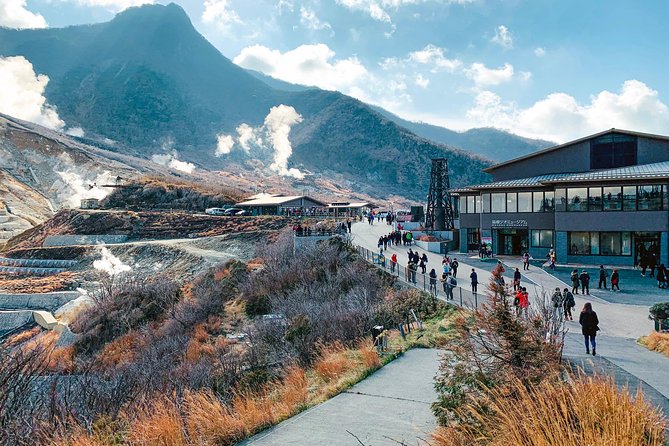
Ōwakudani is the volcanic heart of Hakone. Expect an atmospheric valley of active sulfur vents and hot springs, shaped by volcanic activity that dates back thousands of years. This isn’t a quiet “photo spot.” It’s a smell-and-sensation place where the geology is doing the talking.
This stop fits the day well because it’s dramatic early. If the sky clears, you may also catch Mt Fuji views from viewpoints connected to the route later in the morning. Even when Fuji hides behind clouds, Ōwakudani still delivers the “Hakone is different” effect.
The pace here can vary with conditions, but the tour is structured around getting you onto the right transport connections—especially the Hakone Ropeway.
The Hakone Ropeway and funitel ride
You’ll take the Hakone Ropeway experience over the volcanic area via the funitel line linking Sōunzan and Tōgendai, passing over Ōwakudani. The system became funitel in 2002, and the point for you is simple: it’s an efficient way to cross steep terrain and get the big views without a long scramble.
If you’re sensitive to heights or want predictability, just know ropeway lines and timing can be weather-dependent in this region. Dress for cool wind and bring a layer.
You can also read our reviews of more tours and experiences in Tokyo




Lake Ashi and Hakone Shrine: the classic Fuji-friendly lakeside
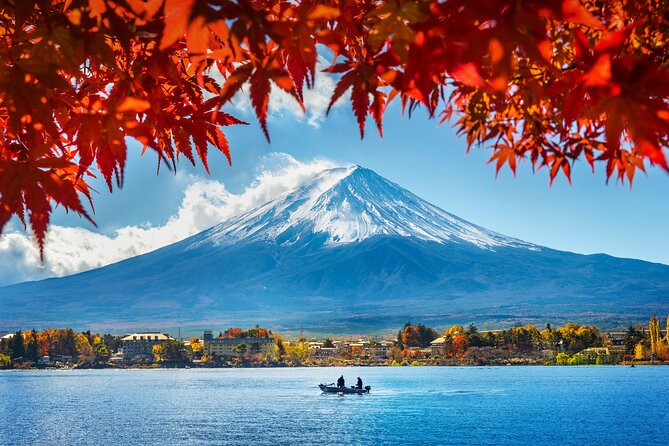
Lake Ashi is where Hakone turns picturesque in a very old-school way. Your route brings you to Hakone Shrine, a Shinto shrine on the shore of Lake Ashi, also known as Hakone Gongen.
This is a great stop for two reasons:
- It anchors the day in something lived-in and religious, not only scenic
- It’s built for the classic composition of water + shrine + possible Mt Fuji
If you’re lucky with visibility, you get that iconic “Fuji in the background” effect. If not, you still get lakeside calm and a sense of why artists and photographers have loved this angle for generations.
The itinerary also includes an Old Tokaido walking segment along Lake Ashi (about a 30-minute walk). It’s not a strenuous trek, but it’s long enough to change your perspective from view-cycling to actually moving through the area.
Hakone Open-Air Museum: art that behaves like a walk
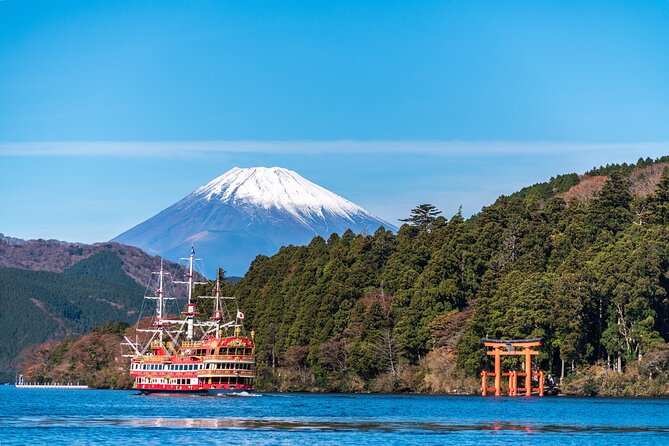
Hakone Open-Air Museum is Japan’s first open-air museum, opened in 1969. What I like about it for a one-day plan is that it doesn’t feel like a box you sit in. You move through sculptures and installations in a setting where the environment is part of the experience.
You’ll see work by internationally famous names like Picasso and Henry Moore, plus artists such as Taro Oka. If you love modern and modern-classical art, this stop gives you a strong payoff without requiring museum fatigue.
There’s also an optional layer available for the Picasso Gallery (extra cost). If you’re an art fan, I’d consider it. If you’re more “I want a few standout moments,” stick with the main included entry and spend your energy elsewhere.
Gora Park and the tea-house gardens: a breather between bigger sights
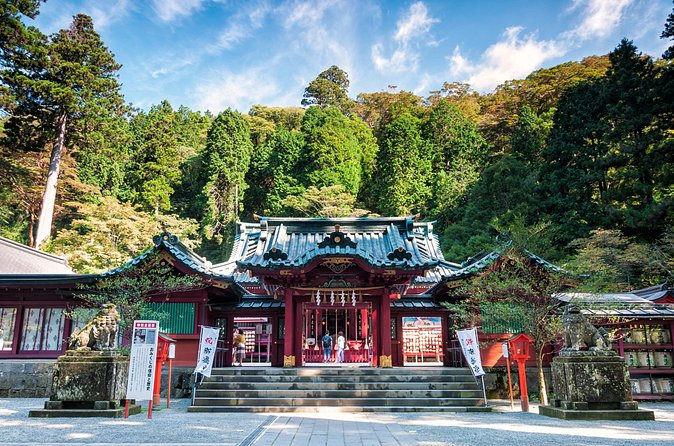
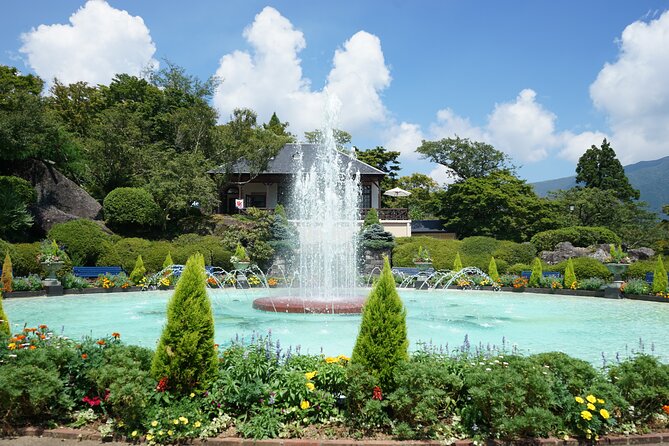
Gora Park is a Western-style hillside botanical garden area, with a tea house, greenhouses, and a central fountain. This is one of those stops that works even if you’re not a “gardens person,” because it’s built for pauses—shade, strolling, and a calmer tempo between ropeways, shrines, and museums.
In a day like this, you need a reset. Gora Park gives you that without eating up too much time, and it helps balance the intensity of Ōwakudani.
If you’re interested in cultural extras, there’s an optional tea ceremony in the Japanese garden area with a listed fee. It’s not included, so you’ll decide based on your interest level and how the morning schedule feels.
Narukawa Art Museum: Nihonga style with city views
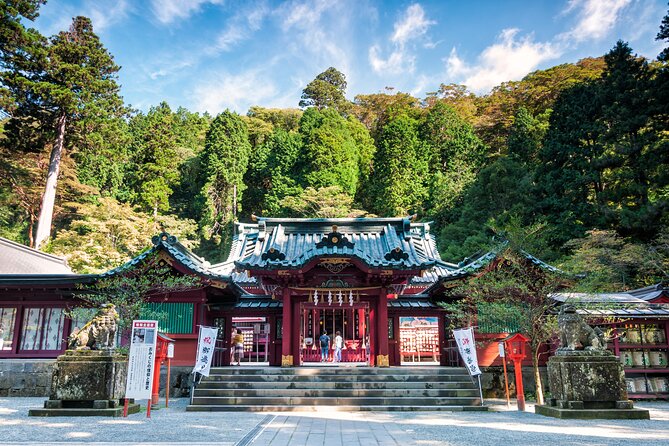
Narukawa Art Museum (often called Narukawa in tour context) opened in 1988. It features Nihonga-style paintings—Japanese-style painting—plus city views, a cafe, and gardens.
Even if you’re not deep into Nihonga, the museum is a useful pivot point because it’s indoor-and-outdoor. You can get art without committing to a long museum day, and the listed views help keep the stop tied to the Hakone scenery.
As with other art options, there’s a paid add-on option tied to Mt Fuji viewing and Japanese paintings. If Fuji is already visible earlier, you may not need the extra ticket. If Fuji is hiding so far, the upgrade might feel more tempting.
Mount Hakone context: understanding what you’re looking at
Mount Hakone isn’t just one peak—it’s a volcanic system with overlapping calderas. The tour route includes background on Mount Hakone as a complex volcano truncated by two overlapping calderas, with the larger one measuring about 10 × 11 km.
You don’t need to remember the measurements. The practical benefit is this: it helps you “read” why Ōwakudani exists, why the ropeway crosses this terrain, and why so much of the region’s culture is tied to volcanic power and religious meaning.
Think of it as the tour’s connective tissue. Without it, you might see volcano and think, cool views. With it, you understand the area as one system.
The second shrine moment on Lake Ashi: dragon-god luck
On the east bank of Lake Ashi, the route also stops at a shrine dedicated to a dragon god believed to bring luck with money and business prosperity. This is a nice contrast to the Hakone Shrine stop because it emphasizes a different piece of how locals interpret the lake and the region.
If you like Shinto details and want to see more than one shrine without going off-script, this works well. If you’re not that interested in shrine hopping, you’ll still get a scenic moment and a break from more transport-heavy sections.
Optional upgrades: pick based on your energy and Fuji chances
The tour includes key transport and admissions, but it also offers optional add-ons. Here are the ones listed, with the reality check that they cost extra and your guide will help you decide day-of:
- Mt. Komagatake Ropeway overlooking Hakone National Park: 1,300 JPY
- Gora Park tea ceremony: 500 JPY
- Hakone Open Air Museum: Picasso Gallery: 1,600 JPY
- Lake Ashi cruise + Mt. Koma ropeway (combo described as two-body modern ship plus ropeway to top): 2,220 JPY
- Narukawa Art Museum extra with Mt Fuji view + Japanese paintings: 1,200 JPY
- Hakone Yumoto public hot bath (onsen): 1,800 JPY
- Private indoor bath option: +1,000 JPY
My advice: choose extras only if (1) you care about that specific theme and (2) your timing still looks relaxed. In busy autumn weeks, you may lose freedom because of transport delays, so don’t overbook.
Weather can be the tour’s main character: how to plan around it
This day is explicitly tied to weather for some highlights. In good weather, you’ll do the Ōwakudani Ropeway and a Lake Ashi cruise with Mt Fuji views.
That means you should plan for two versions of the day:
- A Fuji-friendly version, where the views line up nicely
- A softer-visibility version, where you focus more on museums, shrines, and volcanic scenery
I’d also pack for temperature swings. Ropeways and lakeside stops can feel colder than you expect, and you’ll be outside at least part of the time.
Who this one-day private tour is best for
This fits well if you want:
- A private feel without spending hours building your own route
- A guided day that covers major Hakone anchors in one go
- English support plus cultural context as you move between stops
You should also have moderate physical fitness. The Old Tokaido segment is about 30 minutes walking, and the rest is mainly stairs-and-platform style movement with plenty of rides.
This is also a good option for people who want a smoother experience with a guide who can handle timing changes without you having to be the dispatcher.
Practical tips before you go
- Bring a layer. Weather on the ropeway and by the lake can shift fast.
- Plan for light snacks, since meals aren’t included. You’ll need energy for a long day.
- If Fuji is a priority, understand that visibility is not guaranteed. I’d treat Fuji as a bonus, not the whole goal.
- Your guide will provide a phone number, which is useful if you’re delayed.
Should you book this Hakone Private One Day Tour?
If your goal is to see the best of Hakone—Ōwakudani, Lake Ashi, and major art stops—without doing Tokyo-to-Hakone logistics by spreadsheet, I think this tour is an easy yes. The private-party setup plus included transport and key admissions lowers the stress-to-fun ratio a lot.
Book it especially if you’re visiting in busy seasons and want your day to stay on track even when crowds and traffic spike. If you’re on a tight budget or you already enjoy route-planning and self-guided travel, you might save money by going independently.
But for most people—especially first-timers—this hits the sweet spot: big sights, manageable pacing, and a guide to make the day feel coherent.
FAQ
What time does the Hakone private tour start from Tokyo?
The tour starts at 7:30 am from Shinjuku West Exit (Halc1-chōme-5-1 Nishishinjuku).
Where is the meeting point in Tokyo?
You meet at Shinjuku West Exit, Halc1-chōme-5-1 Nishishinjuku, Shinjuku City, Tokyo 160-0023, Japan.
How long is the tour?
The duration is about 8 to 10 hours.
Is pickup offered?
Yes, pickup is offered.
What’s included for transportation in Hakone?
You get transportation within Hakone, including Hakone bus fares and mountain train and cable cars, and you can choose between public transportation or private car at checkout.
Are the Ōwakudani Ropeway and Lake Ashi cruise always included?
They’re included in good weather. If weather isn’t good, those parts may not run as planned.
Does the tour include meals?
No. Meals, snacks, and drinks are not included.
What optional activities cost extra?
Optional items listed include the Mt. Komagatake Ropeway (1,300 JPY), Gora Park tea ceremony (500 JPY), Hakone Open Air Museum Picasso Gallery (1,600 JPY), a Lake Ashi cruise + Mt. Koma ropeway combo (2,220 JPY), Narukawa Art Museum extra (1,200 JPY), and onsen at Hakone Yumoto (1,800 JPY, with a private indoor bath option +1,000 JPY).
Do I need a passport?
The tour notes that a passport will be required for transportation on tour day.
Is this experience refundable?
No. It is non-refundable and cannot be changed for any reason.