REVIEW · TOKYO
Guided Private Nikko Tour GREEN NUMBER PLATES
Book on Viator →Operated by Xplor Japan · Bookable on Viator
Nikko is one of Japan’s calmer big-name day trips. I love the private pace here—your driver keeps things moving without turning the day into a race—so the UNESCO Nikkō Tōshogū visit feels like something you can actually take in. I also like the way the route strings together iconic nature and shrine sights, from Akechidaira’s sweeping overlooks to the falls and lake. One thing to consider: most entry tickets (and lunch) are not included, so you’ll want to budget extra and plan for weather, since this experience depends on good conditions.
This is built for groups of up to 5, with pickup offered and a set 8:00 am start that helps you get going before the day gets loud. You’ll be in an air-conditioned vehicle with an English-speaking driver, and the plan can be customized around your interests. If you’re expecting everything to be fully ticketed and effortless, you may find the add-on admission fees a little annoying—but the time and convenience are the point.
In This Review
- Key things that make this Nikko tour work
- Akechidaira Observation Area: your big Nikko warm-up view
- Lake Chuzenji: calm water, mountain views, and an easy stroll
- Kegon Falls: one of Japan’s top waterfalls, with strong autumn energy
- Nikkō Tōshogū and Tokugawa Ieyasu: UNESCO power in walking form
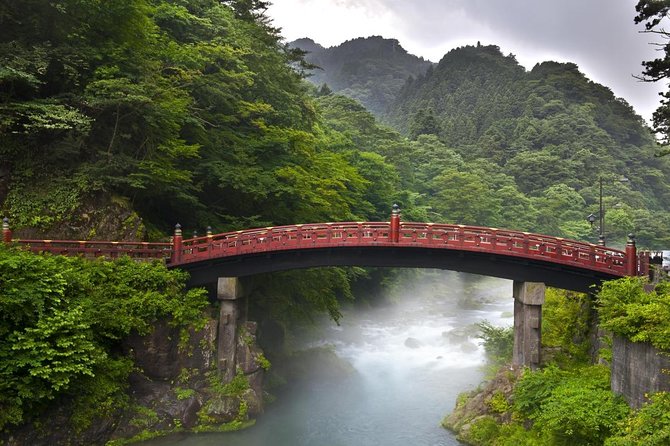
- Shinkyo Bridge: a short stop with a big myth
- Why the private pace helps (and where it doesn’t)
- English-speaking driver Ryu: the value of human guidance
- Price and value: $497 per group up to 5
- Tickets, lunch, and the little planning details that matter
- Who should book this Nikko private tour?
- FAQ
- FAQ
- Is this a private tour?
- How many people are included in one booking?
- What time does the tour start?
- How long is the Nikko tour?
- Do I get picked up?
- Is an English-speaking driver included?
- Are entrance fees and tickets included?
- Is lunch included?
- What happens if the weather is bad?
Key things that make this Nikko tour work
- Early-start sightseeing logic to see Lake Chuzenji and Kegon Falls while the day is still fresh
- Nikkō Tōshogū with real context focused on Tokugawa Ieyasu and the site’s UNESCO significance
- Akechidaira Observation Area viewpoints with wide views toward Lake Chuzenji, Kegon Falls, and Mount Nantai
- Kegon Falls timing for photo moments, especially strong in autumn season
- A private, English-speaking driver who helps shape the day around what you care about
Akechidaira Observation Area: your big Nikko warm-up view
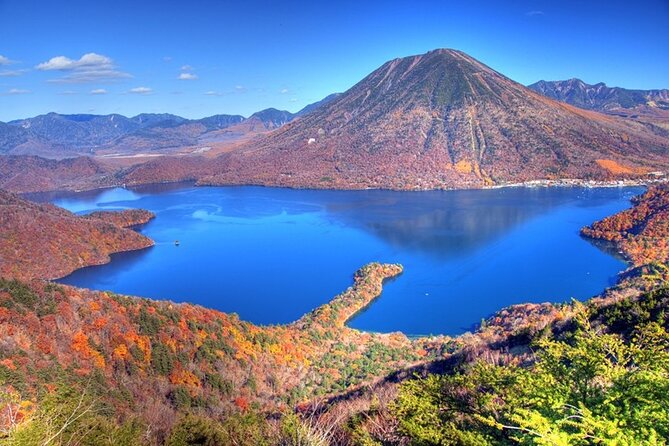
The day starts with a viewpoint instead of a long museum-style wait. At Akechidaira Observation Area, you get one of those “okay, now I get it” Nikko panoramas. On a clear day, you can see across toward Lake Chuzenji, Kegon Falls, and Mount Nantai—not just one landmark, but a whole linked set of scenery.
This stop is short by design (about 1 hour), but that’s enough to do the useful things: take a few photos from different spots, scan the view for the falls/lake you’ll hit next, and reset your eyes after the drive. If you’re the type who likes to know where you’re going before you arrive, this viewpoint is a smart move.
What I like here is that it sets expectations. You can look at the terrain and then later recognize it when you’re standing closer to the water and the shrine complex. It turns “sightseeing” into a route you actually understand.
One practical note: admission for Akechidaira isn’t included. Bring cash or be ready to buy tickets on-site, and keep an eye on the weather. If visibility is poor, you’ll still get a nice overlook, but the “see across to everything” payoff is best when conditions are cooperative.
You can also read our reviews of more guided tours in Tokyo
Lake Chuzenji: calm water, mountain views, and an easy stroll
Next comes Lake Chuzenji, with about 1 hour here. This is the kind of stop that feels simple, but it’s not a waste of time. The lake sits in a mountain setting with lots of green around it, and the views can be especially striking in fall when the foliage turns vivid.
Because your time is limited, don’t try to sprint through. Instead, use the hour to do two things well: (1) look for the best angles for photos, and (2) take a slow walk and soak up the quieter rhythm. On a private day, you can pause longer if the light is good without worrying about holding up a huge group.
This is also a good “breather stop” in the middle of the big sights. By the time you leave, you’ll be ready for Kegon Falls—loud, dramatic, and more physically demanding if the weather is wet.
Like Akechidaira, entrance for Lake Chuzenji isn’t listed as included here. You’ll want to plan for that so you don’t get hit with surprise costs at the gate.
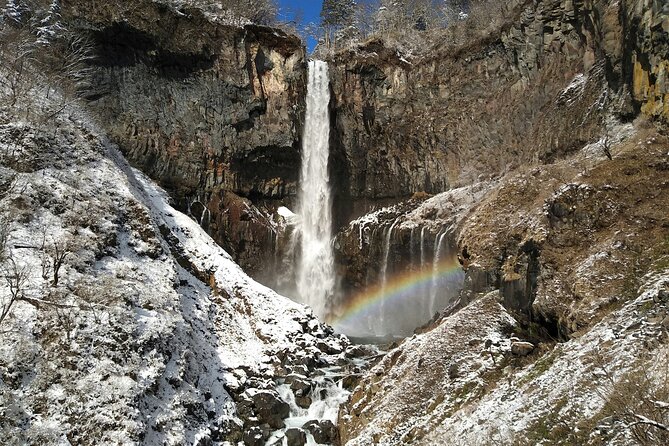
Kegon Falls: one of Japan’s top waterfalls, with strong autumn energy
Then you go to Kegon Falls. This is described as one of the highest waterfalls in Japan and one of Japan’s three most beautiful. Even if you’re not a waterfall superfan, you’ll feel why it gets attention.
You’ll have about 1 hour. That hour is ideal for standing back first, then moving closer for different photo angles. If the falls are running well and the air is clear, you’ll notice how quickly the scene changes as you shift positions. It’s the kind of place where a guide’s timing helps—knowing when to be at the best viewpoint before the flow of people thickens.
The seasonal highlight is autumn. The falls are especially breathtaking during the autumn months, when the surrounding colors add drama to the mist and rock. If your dates line up with fall, prioritize Kegon Falls on a day when the weather is stable.
Entrance fees for Kegon Falls are not included, so budget for ticket costs ahead of time. Also consider footwear. If it’s rainy, the area can be slippery around viewing areas and paths.
Nikkō Tōshogū and Tokugawa Ieyasu: UNESCO power in walking form
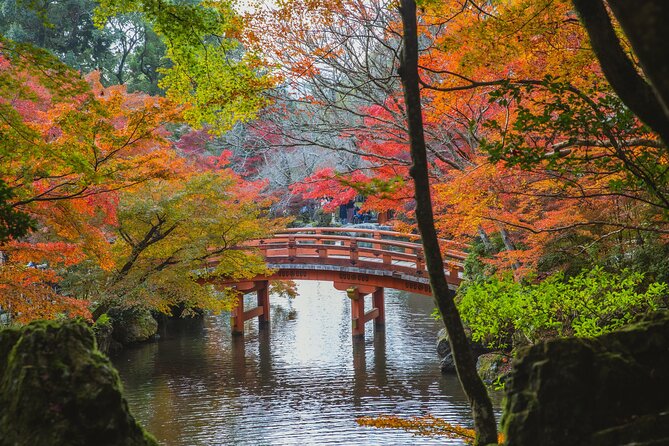
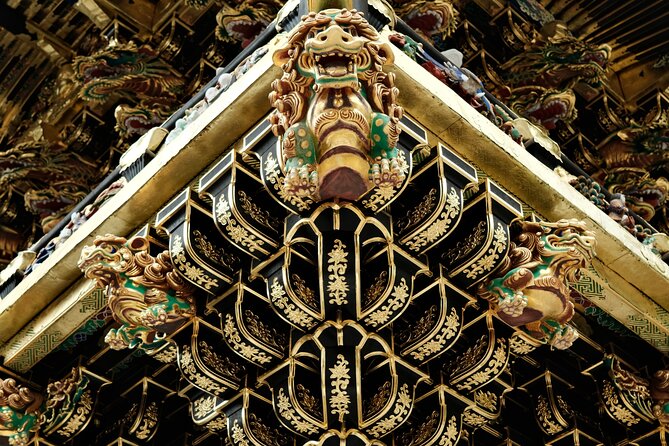
The biggest cultural stop is Nikkō Tōshogū. You’ll spend about 1 hour here. This shrine enshrines Tokugawa Ieyasu, and its ornate buildings are part of the Shrines and Temples of Nikkō World Heritage in Nikko.
If you’re trying to understand why this place matters, you don’t want a generic walkthrough. You want someone who can point out what you’re looking at: the symbolism, the structure, and the link to the Tokugawa legacy. A private format makes that easier because you can slow down for the details you care about and skip what doesn’t land for you.
One more reason this stop feels like a win: your day flows naturally from nature into cultural spectacle. After the lake and falls, the shrine complex hits differently. It’s not just pretty architecture; it’s a statement of power and belief, built into one of Japan’s most famous shrine settings.
Admission to Nikkō Tōshogū isn’t included. Plan for it and try not to overthink it—just keep the budget ready. Also, go in with realistic expectations about time. One hour can be enough if you focus. If you’re someone who likes to read every carved detail, you’ll want to spend extra time later, outside the structured visit time. This tour is designed to fit a full Nikko day, not to freeze you in the shrine forever.
Shinkyo Bridge: a short stop with a big myth
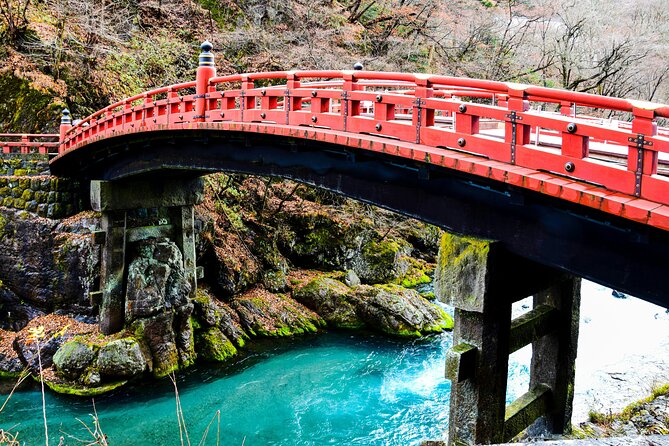
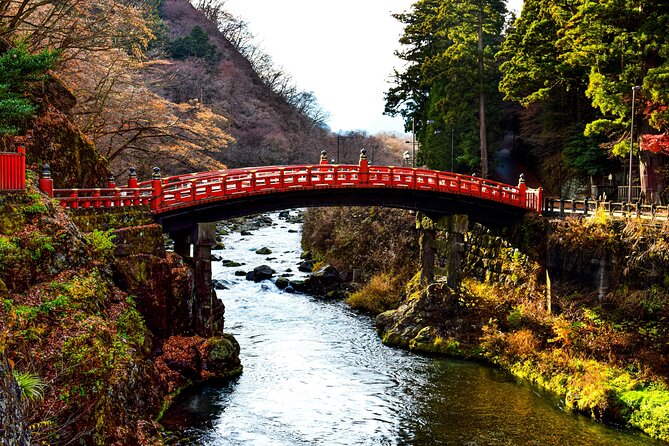
The last sightseeing stop is Shinkyo Bridge, with about 45 minutes here. This is one of Japan’s three finest bridges, and it’s famous for a romantic myth: crossing the bridge is said to bring good fortune to lovers.
It also has an old story tied to protection deities. The bridge is said to have formed in ancient times when a Buddhist protective deity released two serpents. The sedge that grew from their backs turned into the foundations of the bridge.
You don’t need a long explanation to enjoy Shinkyo Bridge. It’s short, but it’s memorable because it’s photogenic and because the legend gives you something to look for as you walk.
As with the other major stops, the admission fee is not included here. And because this is a finishing point in the tour flow, use the time like this: take a few photos, cross if you want the myth connection, then linger just long enough to enjoy the setting before the drive back.
You can also read our reviews of more private tours in Tokyo

Why the private pace helps (and where it doesn’t)
A private tour sounds like a luxury label. In practice, it’s about less friction and better timing. The biggest advantage here is that you’re not stuck waiting for a group schedule. You can spend your time where it’s actually valuable to you—views, photos, or the shrine details.
The route also has a natural rhythm. A viewpoint first helps you orient yourself. Lake Chuzenji gives you a slower moment. Then the falls bring the drama. After that, the shrine is the big cultural payoff, and Shinkyo Bridge finishes the day with something quick and meaningful.
If you’re coming from Tokyo and want Nikko without the hassle of sorting trains, buses, and day passes, this format makes the day feel manageable. You’re in an air-conditioned vehicle, you have parking and tolls handled, and your driver does the heavy lifting.
Where private pacing can feel less ideal: you still have a 10-hour cap. That means you can’t treat this as an unlimited wander day. It’s a focused highlights program. If you want to go off-script for long hikes, you’ll need extra time and a different plan—or customization that adds time where you want it most.
English-speaking driver Ryu: the value of human guidance
One of the strongest signals from real-world feedback is the guide experience. In past bookings, the English-speaking driver Ryu is mentioned as friendly and customer-focused, with planning that includes photo timing, lunch timing, and visits to key places without wasting motion.
That matters more than it sounds. With Nikko’s big names, the temptation is to treat it like a checklist. A good guide turns it into a story. They help you understand what you’re seeing—like why Nikkō Tōshogū is more than an ornate building set—and they can help you avoid the common mistake of spending too long at one stop and rushing the rest.
Also, if your group includes people with different interests, customization helps. The tour is described as adjustable for preferences, which is exactly what you want when one person’s obsessed with views and another wants shrine details.
If you get Ryu (or a similarly strong English-speaking driver), you’ll likely feel more confident moving through the sites. You’ll know what to prioritize and when to be where the light is best.
Price and value: $497 per group up to 5
Let’s talk money like adults. The price is $497.00 per group, up to 5 people, for about 10 hours. That’s not cheap if you’re traveling solo. But it’s often reasonable when you spread it across a small group, especially once you factor in a private vehicle, English-speaking driver support, parking, tolls, and gas.
Think of what you’re paying for: convenience plus time efficiency. You’re not stitching together transportation plans. You’re not paying for a bunch of separate taxis. You’re getting one day where all the logistics are handled, and you can focus on sightseeing.
What’s not included is your biggest on-the-ground spending categories: lunch and drinks, and multiple admissions (Akechidaira, Kegon Falls, Nikkō Tōshogū, and Shinkyo Bridge). So the true total cost will be more than $497 by the time you’re done buying tickets and meals.
Still, value tends to be strong if you fit the sweet spot:
- small group of up to 5
- you want a guided, private day from Tokyo
- you want to hit major Nikko sights without transit stress
If you’re traveling as two or three people, it often feels like a smart way to buy comfort and clarity. If you’re solo, you might want to compare against cheaper group buses, because the private cost is largely for the group flexibility.
Tickets, lunch, and the little planning details that matter
Here’s where I’d keep it practical. This tour does include:
- an air-conditioned vehicle
- private transportation
- an English-speaking driver
- gas, tolls, and parking
This tour does not include:
- lunch, drinks, snacks
- entrance/admissions for Akechidaira Observation Area
- entrance fees for Kegon Falls
- Nikkō Tōshogū entrance fees
- Shinkyo Bridge admission fee
That means you should do two things before your day starts. First, set aside time and money for food. Even if the driver helps with timing, you’ll need to purchase and eat. Second, plan for tickets at each stop. The tour is set up so you’re not stuck figuring out where to buy everything in the moment, but you’re still the one paying for admissions.
Also: this experience requires good weather. If conditions are poor, you’ll be offered a different date or a full refund. That’s a big deal for outdoor-heavy sightseeing, so check forecasts seriously and keep a little flexibility in your schedule.
Who should book this Nikko private tour?
Book it if you want Nikko with less stress, more control, and a guide who can explain what you’re seeing. The private format is ideal for couples, small families, or friends who want to move at a comfortable pace across both nature and shrine sites.
Skip it, or at least think twice, if:
- you’re traveling solo and don’t want to pay for private transport
- you’re hoping for fully included admissions and meals
- your schedule is too tight for possible weather-related changes
For the sweet-spot travelers, this feels like a smart way to get a top Nikko sampler without turning the day into a transportation puzzle.
If you’re weighing it, a simple rule helps: if you’d rather pay for a smooth day than spend your energy managing trains, tickets, and timing, this tour is likely the better buy.
FAQ
FAQ
Is this a private tour?
Yes. It’s a private tour/activity, so only your group participates.
How many people are included in one booking?
The group size is up to 5 people per group.
What time does the tour start?
The start time is 8:00 am.
How long is the Nikko tour?
It’s about 10 hours.
Do I get picked up?
Pickup is offered.
Is an English-speaking driver included?
Yes, the tour includes an English-speaking driver.
Are entrance fees and tickets included?
No. Tickets and entrance fees are not included for Akechidaira Observation Area, Kegon Falls, Nikkō Tōshogū, and Shinkyo Bridge.
Is lunch included?
No. Lunch, drinks, and snacks are not included.
What happens if the weather is bad?
This experience requires good weather. If it’s canceled due to poor weather, you’ll be offered a different date or a full refund.