REVIEW · TOKYO
Exclusive Pearl Jewelry Making Activity in Tokyo
Book on Viator →Operated by PICOLABO · Bookable on Viator
A pearl in a shell is a small miracle. This private Tokyo workshop lets you learn how to turn a real Akoya pearl into a custom ring or necklace with close, one-to-one help. You get a calm, welcoming setting and a souvenir that feels personal because you made it.
I especially like the way the experience starts with real pearls in their shells, sourced in southern Japan. I also like that you can flex your choice—pick the type of jewelry you want, not just a preset kit. One thing to consider: the class price includes the pearl with shell, but the jewelry parts you fit to it cost extra (up to $50).
In This Review
- Quick Hits: The Best Parts of This Pearl Workshop
- What This “Pearl Jewelry Making” Class Actually Feels Like in Tokyo
- Starting at PICOLABO in Ueno: Location, Timing, and Flow
- The Pearl Moment: Akoya in Shell, Sourced in Southern Japan
- Choosing Your Jewelry: Ring or Necklace, Your Rules
- One-to-One Guidance: Why Private Craft Classes Feel Easier
- Included vs Extra: What You Pay for (and What You Don’t)
- The Workshop Setup: Assembly at a Tokyo Factory
- What Makes It a Good Souvenir (Beyond the Pearl)
- Value Check: Is $19.55 a Deal?
- Who This Private Class Suits Best
- Practical Tips to Get the Most Out of Your Hour
- A Note on Reviews: What People Seem to Remember
- Should You Book This Akoya Pearl Workshop in Tokyo?
- FAQ
- How long is the pearl jewelry making activity?
- What is the price per person?
- Is this a private experience?
- What is included in the price?
- Are jewelry parts included, or do I pay extra?
- What kind of jewelry can I make?
- Where do I meet for the activity?
- How does check-in work?
- Is it suitable for most travelers?
- Can I change or get a refund after booking?
Quick Hits: The Best Parts of This Pearl Workshop
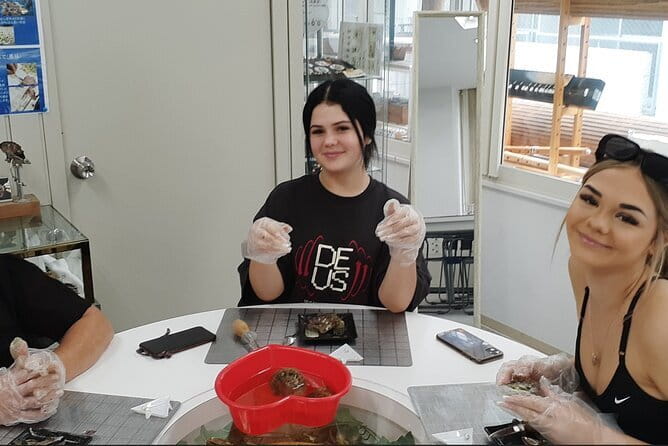
- One-to-one private guidance in a calm, hands-on setting
- Akoya pearl with shell included, sourced in southern Japan
- You choose the type of jewelry you make (like ring or necklace)
- A true souvenir: a bespoke, personal piece made from the pearl you select
- Workshop ends back at the same meeting point near public transport
- A mobile ticket keeps check-in simple
What This “Pearl Jewelry Making” Class Actually Feels Like in Tokyo
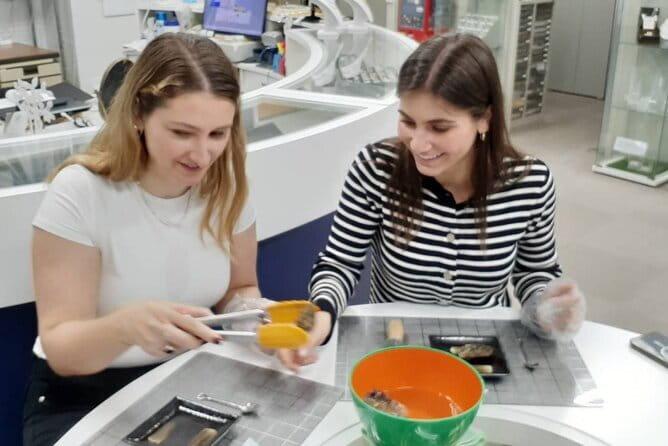
This is not a rushed shopping stop where you watch someone else work. You’re there for the process: handling the pearl-in-shell and learning how to assemble a wearable keepsake.
The whole experience is designed around personalization. You’re guided through selecting what you want to make (for example, ring or necklace), then fitting parts to your Akoya pearl. That “you choose” part matters because it turns the outcome from a generic souvenir into something that looks like it belongs to you—or to the person you’re gifting it to.
Timing is also a practical plus. It runs about an hour, which is long enough to learn and finish, but not so long you lose half your day to a craft you might not end up loving.
You can also read our reviews of more tours and experiences in Tokyo.



Starting at PICOLABO in Ueno: Location, Timing, and Flow
You meet at PICOLABO, 5-chōme-4-1 Ueno, Taito City, Tokyo 110-0005. The activity ends back at the same meeting point. That round-trip convenience is underrated in Tokyo, where trains and walk times can add up fast.
It’s also described as near public transportation. So you can slot it into a day that already includes Ueno-area sights, shopping, or a museum visit, without needing a complex route plan.
Check-in is handled with a mobile ticket, and you receive confirmation at booking. The experience is private, so only your group participates, rather than mixing with strangers.
The Pearl Moment: Akoya in Shell, Sourced in Southern Japan
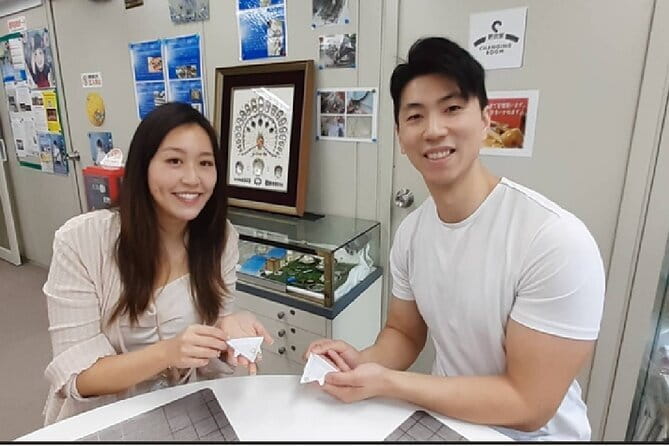
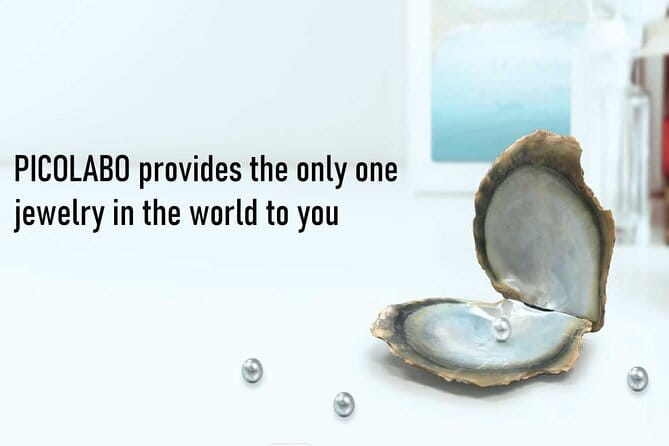
One of the strongest reasons to do this class is the opening act: you get the rare chance to see real pearls in their shells. That changes your understanding of pearls right away. A pearl isn’t just a polished bead. It’s a living-looking object when it’s still in its shell.
The pearls are Akoya, and they’re sourced in southern Japan. Even if you’ve only seen pearls as jewelry store displays, this format gives you a direct, tactile connection to where they come from.
In the experience, you pick an Akoya pearl from the shell, then fit jewelry components around it. The value here is not just the craft. It’s the context: you learn to associate a specific pearl with a specific finished piece.
Choosing Your Jewelry: Ring or Necklace, Your Rules
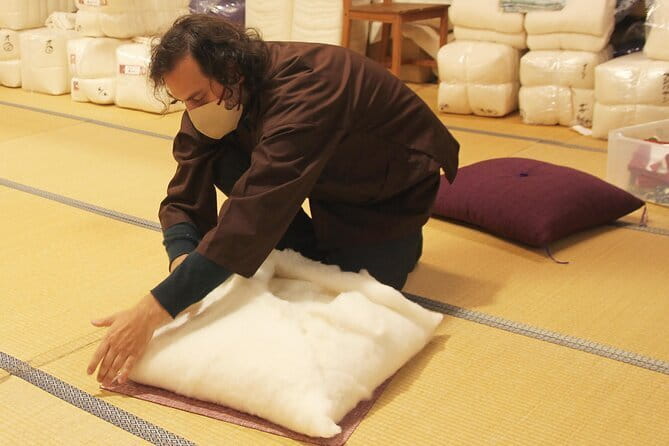
This is one of those workshops that respects your preferences. You get flexibility to choose what type of jewelry you want to make—such as a ring or a necklace.
That choice is important for two reasons:
First, it changes how the final souvenir fits your daily life. A ring is easy to wear when you want a subtle Tokyo memory. A necklace is a great option if you want something that travels well and layers with outfits.
Second, it makes the piece feel more like your design. You’re not just assembling a predetermined product. You’re selecting the outcome you’ll keep.
And because it’s private with one-to-one guidance, you’re more likely to get quick help if something doesn’t line up the way you expected.
One-to-One Guidance: Why Private Craft Classes Feel Easier
The experience is private, and that matters more than it sounds. When you’re making jewelry by hand, questions pop up quickly—how the parts fit, what to adjust, how to handle the pearl carefully.
Here, you get direct coaching instead of guessing or waiting your turn. The reviews describe a calm, welcoming environment with professional, kind hosts and one-to-one attention throughout. That kind of support helps if you’re new to crafts, too. You don’t need special skills beforehand, and it’s stated that most travelers can participate.
Practical tip: treat this like a short lesson, not a test. The goal is to walk out with a piece you’re proud to wear, and the guidance is there to help you get there.




Included vs Extra: What You Pay for (and What You Don’t)
The price is $19.55 per person, and it includes the Akoya pearl with shell.
What’s not included: fitting parts/accessories for the pearl, costing not more than $50 USD.
So what’s the real cost picture? Think of your booking fee as getting the pearl-in-shell experience and the core class. Then you add the jewelry parts to create the ring or necklace. Because the extra parts are capped at $50, you can plan without worrying about a surprise total.
If you’re budgeting, it helps to set a “max” in your head: $19.55 plus up to $50 for accessories. That puts the top end at about $69.55 per person, depending on what you choose.
The Workshop Setup: Assembly at a Tokyo Factory
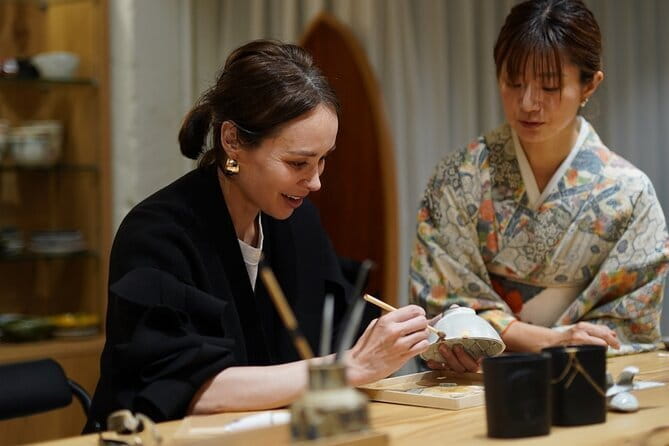
After you select your pearl, you fit parts accessory to the Akoya pearl. The information says the fitting parts come from a Tokyo factory.
Even without getting too technical, you can think of this as the difference between a craft tutorial and a finished-souvenir workshop. You’re not just learning theory. You’re assembling the practical components that make the pearl wearable.
That’s what turns this into a meaningful souvenir. A pearl is pretty. But a pearl with the right fitted setting is personal—and it’s the part that lets you wear the memory instead of packing it away.
What Makes It a Good Souvenir (Beyond the Pearl)
Plenty of Tokyo souvenirs are pretty photos, not objects you use. This one has a few advantages built in:
- It’s a specific pearl that you selected at the start.
- The finished jewelry is designed to be made by you, not mass assembled for display.
- The class format aims to produce a unique, custom result—your piece is treated as one-of-a-kind.
If you’ve ever bought a pearl necklace and later felt, I didn’t really connect with the pearl itself, this kind of workshop is a better match for you. It gives you a story you can explain later, in a sentence or two, without sounding like a brochure.
Value Check: Is $19.55 a Deal?
For Tokyo, $19.55 is a low entry point—especially because the pearl with shell is included. The accessory parts are extra, but that’s typical for jewelry results: the pearl is the core material, and the setting/components are what turn it into ring or necklace.
This is also a strong value if you like experiences where your time turns into something tangible. At 1 hour, you’re not paying for a half-day or full-day commitment.
Where the value is best:
- Couples or friends who want a private, hands-on activity in a short window
- Travelers who want an authentic Japanese pearl experience instead of a generic craft kit
- People who like gifts that are personal and wearable
Where it might not fit:
- If you only want a low-cost souvenir and don’t want to budget for accessory parts
- If you prefer to observe from a distance and you dislike hands-on work
Who This Private Class Suits Best
Based on what’s described, this workshop fits well for:
- First-time jewelry makers. The experience is guided and private.
- Families who want a calm activity with one-to-one attention. The reviews specifically mention families enjoying the process.
- Souvenir buyers who want a pearl you can point to and say, I picked that one, then made it into jewelry.
If you’re traveling solo, it can also be great—private attention means you won’t feel rushed or ignored in a group setting.
Practical Tips to Get the Most Out of Your Hour
You have about an hour, so plan like this:
- Be ready to choose your jewelry type early. Ring vs necklace affects what you’ll do.
- Ask questions as they come up. One-to-one guidance is there for a reason.
- Handle the pearl carefully and slow down when the guide suggests it.
Also, since it’s near public transportation and returns to the same meeting point, dress for comfortable walking beforehand. You’ll likely move a bit to get to PICOLABO and then you’ll concentrate once you’re seated.
If you’re thinking about gifting: decide at the workshop what look you want. The more intentional you are about the jewelry type and parts, the more satisfied you’ll be later.
A Note on Reviews: What People Seem to Remember
The feedback is consistent about the vibe. People describe it as calm and welcoming, with professional hosts who explain the process clearly. They also mention the fun of finding the pearl and matching it to the jewelry they want.
One review includes a sweet detail about a daughter connected to a world jump rope event, and another mentions someone finding a big shiny pearl. That tells me the experience includes real attention to the pearl selection moment, not just assembly.
That pearl-selection focus is what you should look for if you care about authenticity. It’s the difference between buying a finished item and making a piece from something real you handled yourself.
Should You Book This Akoya Pearl Workshop in Tokyo?
Yes—if you want a short, private, hands-on experience with a real-material souvenir. This class makes the pearl part personal by starting with Akoya pearls in their shells and giving you one-to-one help while you turn it into a ring or necklace.
Book it when:
- You’re in Tokyo for a few days and want one memorable activity you can wear later
- You value guided craft work over watching a demo
- You’re okay paying the base fee plus accessory parts (up to $50)
Skip it if:
- You want a souvenir without any extra costs beyond the listed price
- You dislike hands-on making, even if the guidance is there
If you’re the kind of traveler who likes objects with a story attached, this is one of those workshops that gives you both the object and the reason it exists.
FAQ
How long is the pearl jewelry making activity?
It runs for about 1 hour.
What is the price per person?
The price is $19.55 per person.
Is this a private experience?
Yes. It’s private, so only your group participates.
What is included in the price?
You receive an AkOYA pearl with shell.
Are jewelry parts included, or do I pay extra?
Jewelry parts/accessories are not included. The fitting parts/accessories cost not more than $50 USD.
What kind of jewelry can I make?
You can choose what type of jewelry you make, such as a ring or necklace.
Where do I meet for the activity?
You start at PICOLABO, 5-chōme-4-1 Ueno, Taito City, Tokyo 110-0005, Japan.
How does check-in work?
You’ll have a mobile ticket, and you receive confirmation at the time of booking.
Is it suitable for most travelers?
Most travelers can participate.
Can I change or get a refund after booking?
No. The experience is non-refundable and cannot be changed for any reason.