REVIEW · TOKYO
Dive into Tsukiji Fish Market Walking Friendly Food Tour
Book on GetYourGuide →Operated by Washoku club city and food tours · Bookable on GetYourGuide
Tsukiji can feel like sensory overload—until someone explains it. This 4-hour small-group walk turns the outer market into a story you can taste, with food stops plus major sights like Tsukiji Hongwanji Temple. I like that you get a guided flow (not just wandering) and a serious mix of seafood, from sushi to sashimi. One heads-up: it’s still a market walk with lots of standing, so comfortable shoes matter.
I also like that the guide doesn’t treat Tsukiji like a theme park. You’ll get practical context for what you’re seeing and why it matters to Tokyo’s food culture and the market’s history. Guides here can be English- or Japanese-speaking, and I’ve heard especially strong feedback on how flexible and thoughtful they can be—names like Amber and Akira come up for good reason.
In This Review
- Quick hits before you go
- Meeting at Hongwanji Temple: get your bearings fast
- Tsukiji Hongan-ji: temple context before the seafood
- The Outer Tsukiji Market: guided food sense + real shopping time
- What you’ll be watching for
- Kachidoki Bridge: a useful change of pace
- Namiyoke Inari Jinja: food tradition meets shrine culture
- What you eat: sushi, grilled seafood, tamagoyaki, oysters, sashimi
- How to get the most out of the tastings
- Small-group walking tour: why the max 10 matters
- Price and value: is $173 fair for Tsukiji?
- Who should book this Tsukiji walk (and who might skip it)
- Should you book this Tsukiji Fish Market walking tour?
- FAQ
- How long is the Tsukiji Fish Market walking food tour?
- Where does the tour start?
- What food is included?
- Are drinks included?
- How big is the group?
- What languages are the guides?
Quick hits before you go
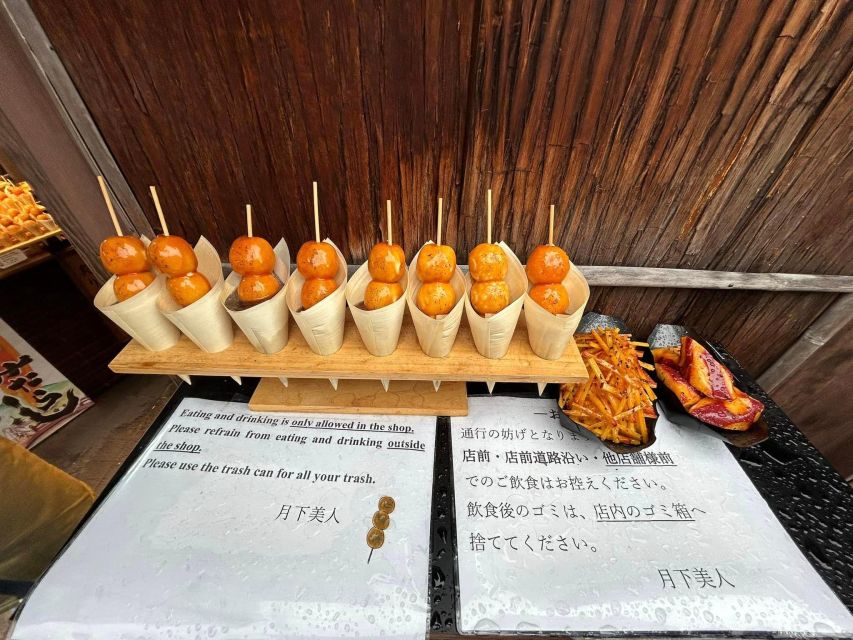
- Max 10 people keeps it personal, especially when you’re asking food questions mid-walk
- Hongan-ji temple stop gives you a calmer start before you hit the seafood crush
- Outer market time for both learning and shopping (guided look + extra browsing)
- Kachidoki Bridge and Namiyoke Inari Jinja add variety beyond food counters
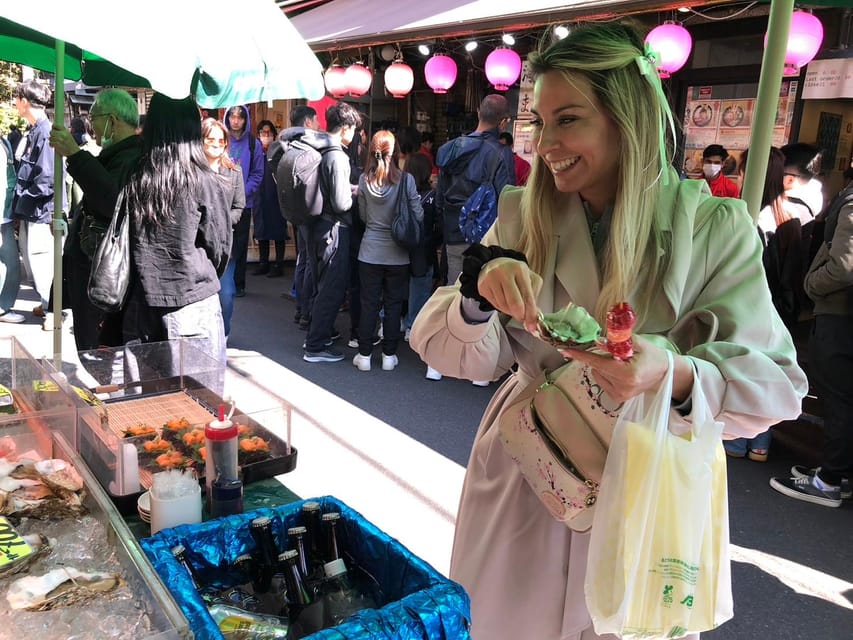
- A real seafood spread: sushi, grilled tuna and salmon, tamagoyaki, grilled oysters, fresh sashimi
Meeting at Hongwanji Temple: get your bearings fast
Your day starts at Tsukiji Hongwanji Temple, right in the center of the action. If you’re coming from Tsukiji Station (Hibiya Line), take Exit A1, turn left, and walk about 50 meters to the temple entrance.
Why I like this start: it’s not tucked away. You arrive at a clear landmark, then the tour naturally moves from a cultural sight into the food world. That makes the whole market experience less confusing, especially on your first visit to Tsukiji.
You’ll meet your guide at the front of the temple and get quick orientation before you begin walking toward the outer market area. Expect a steady pace and frequent chances to stop, look, and ask questions.
You can also read our reviews of more walking tours in Tokyo


Tsukiji Hongan-ji: temple context before the seafood
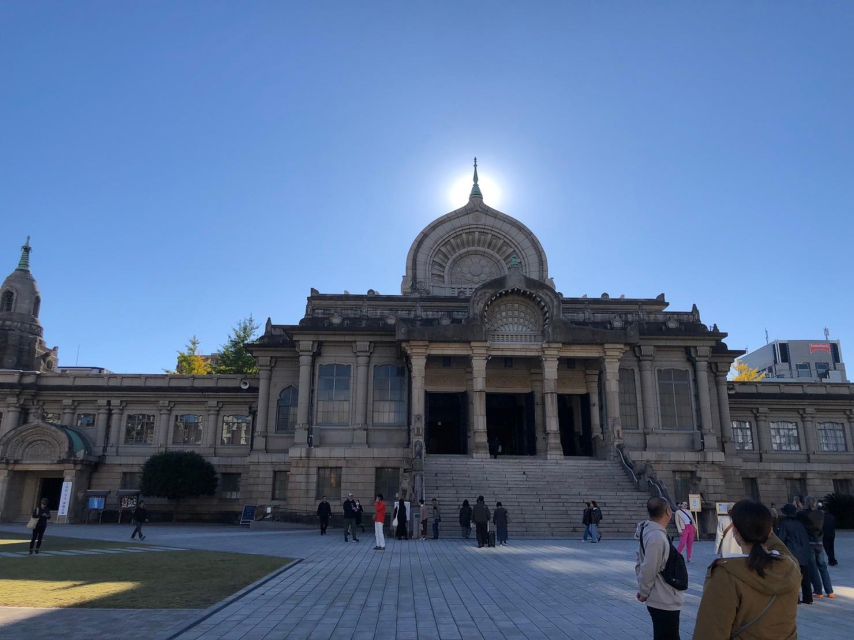
The first guided stop is Tsukiji Hongan-ji, with about 30 minutes here. This isn’t just a photo break. It sets the tone for Tsukiji as more than a food strip—it’s part of Tokyo’s public culture, where religious sites and daily commerce can share the same neighborhood energy.
During the guided portion, you’ll learn what the temple represents and how it fits into the broader history around Tsukiji. Even if temples aren’t your main interest, this stop helps you understand why the area has meaning beyond fish sales.
Practical note: wear something comfortable for standing. Temples are usually calmer than the market, but you’ll still be on your feet for the explanation.
The Outer Tsukiji Market: guided food sense + real shopping time
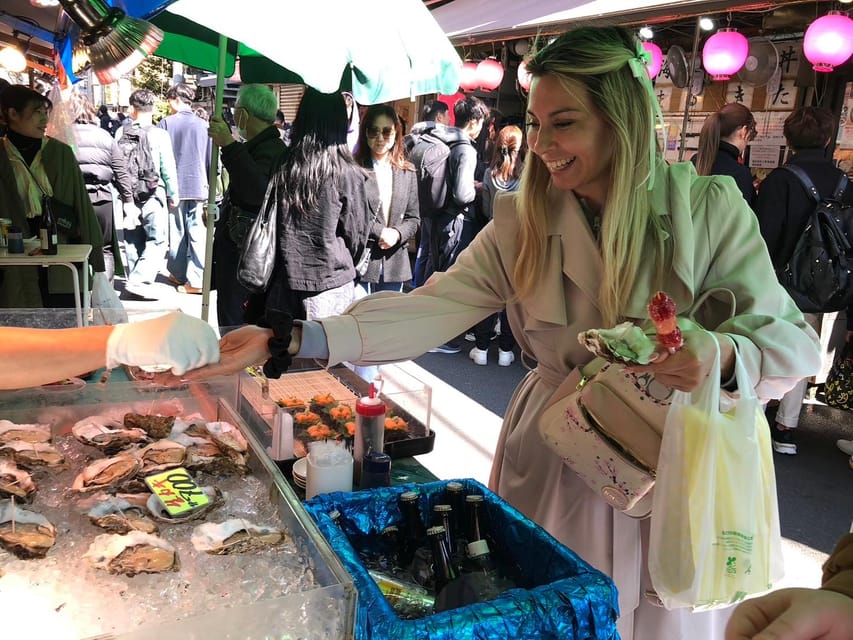
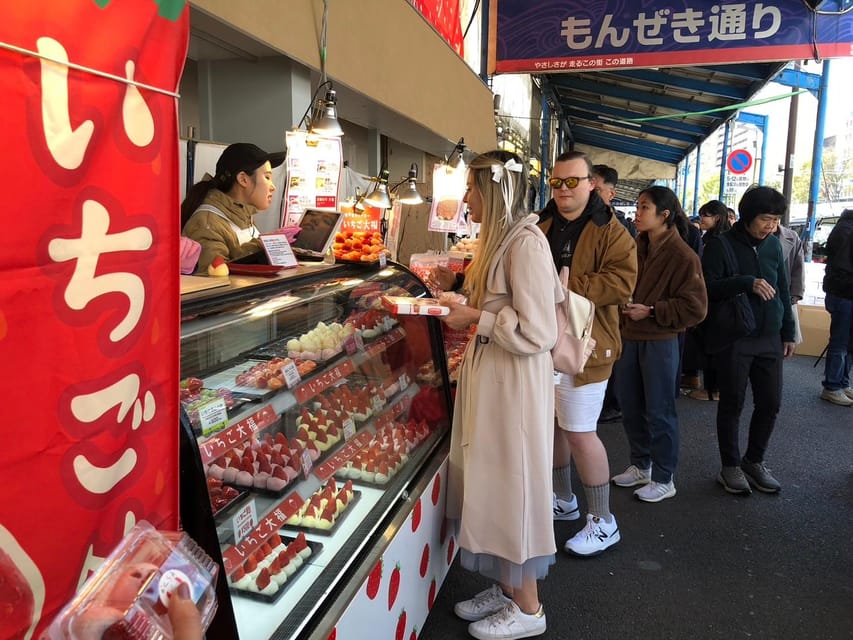
Next you’ll move into the outer Tsukiji fish market area, where the streets line up with shops selling seafood-related foods and kitchen goods. You’ll spend 30 minutes on a guided tour here, then you’ll get another 30 minutes for shopping and browsing on your own.
That structure matters. In the guided segment, your guide can point out what to look for and what’s worth your attention—ingredients, shop types, and the general food culture behind the counters. Then in the second half, you’re not overwhelmed. You already have context, so you shop with purpose.
What you’ll be watching for
- The difference between snack-style tastings and ingredients that feel more like take-home buys
- How stalls and shops operate in a tight space (you’ll notice why certain items are easy to sample and others aren’t)
- Food culture details your guide will explain as you pass counters
Also, this is where the tour’s “food” part starts getting serious. You’re not just getting one bite—you’re working your way through a lineup that reflects Japanese seafood preferences, from classic textures to grilled preparations.
Kachidoki Bridge: a useful change of pace
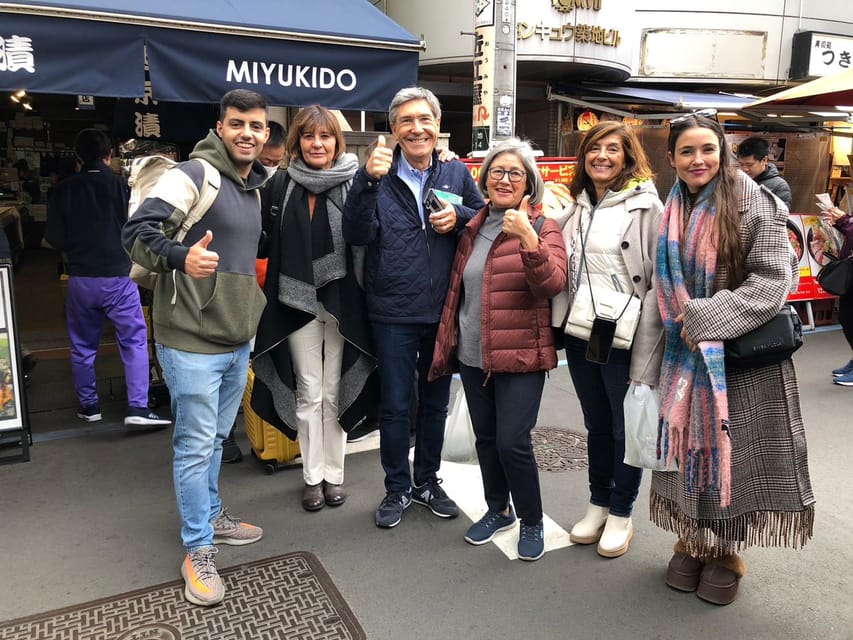
After the market walk, the tour heads to Kachidoki Bridge for another 30 minutes of guided sightseeing.
Why this stop is smart: it breaks up the intensity of the market streets. You shift from close-up counter viewing to a more open view area, which helps your brain reset. It also gives you a different angle on the area’s seafood identity, because Tsukiji’s waterfront role isn’t only about shops—it’s about how the whole system connects.
Even if you’re not a “photo first” person, this kind of viewpoint stop helps you feel like you understand the layout, not just the food.
You can also read our reviews of more food & drink experiences in Tokyo

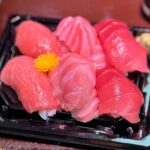


Namiyoke Inari Jinja: food tradition meets shrine culture
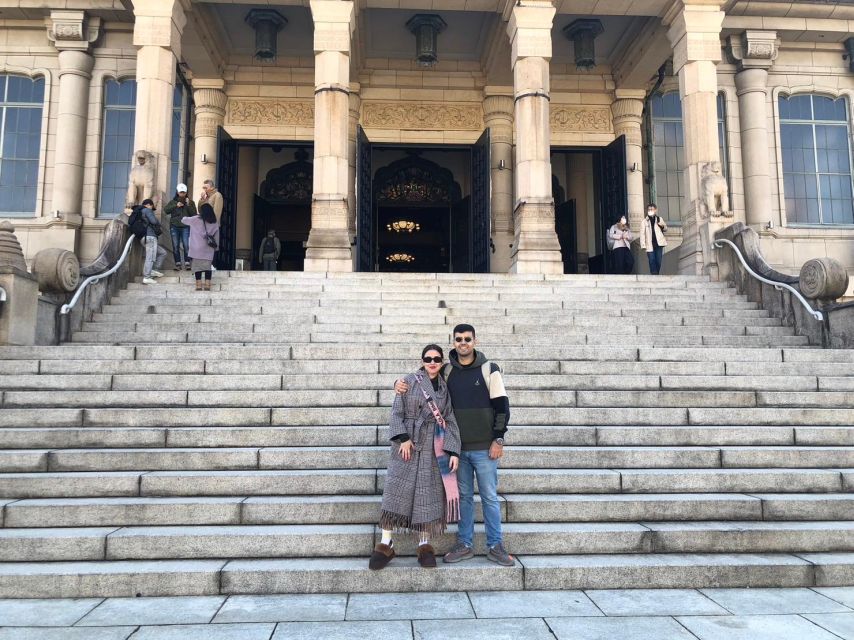
Then comes Namiyoke Inari Jinja for about 30 minutes guided. Inari shrines are common in Japan, but here the meaning is tied to local daily life and the kind of luck people want around work, trade, and food.
This stop adds a second cultural layer after the temple earlier in the day. If you’ve ever wondered why food districts often include shrine visits, this is the kind of moment that makes the pattern click.
You’ll have time to slow down, take in the setting, and get explanations that connect shrine culture to the working neighborhood around it.
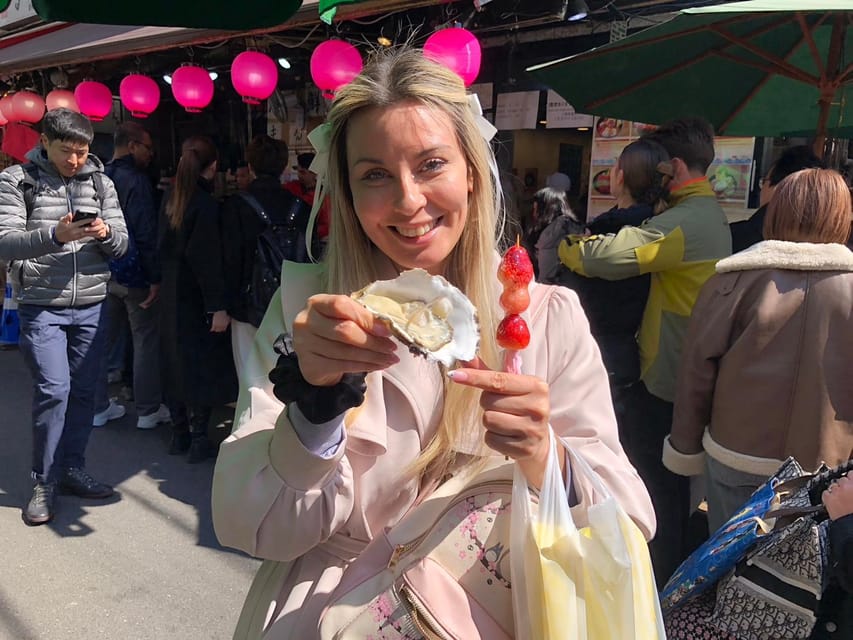
What you eat: sushi, grilled seafood, tamagoyaki, oysters, sashimi
One reason this tour earns strong marks is the lineup. The included food isn’t random. It covers several major styles of seafood eating so you get variety in a single morning-style window.
Here’s what’s included:
- Sushi
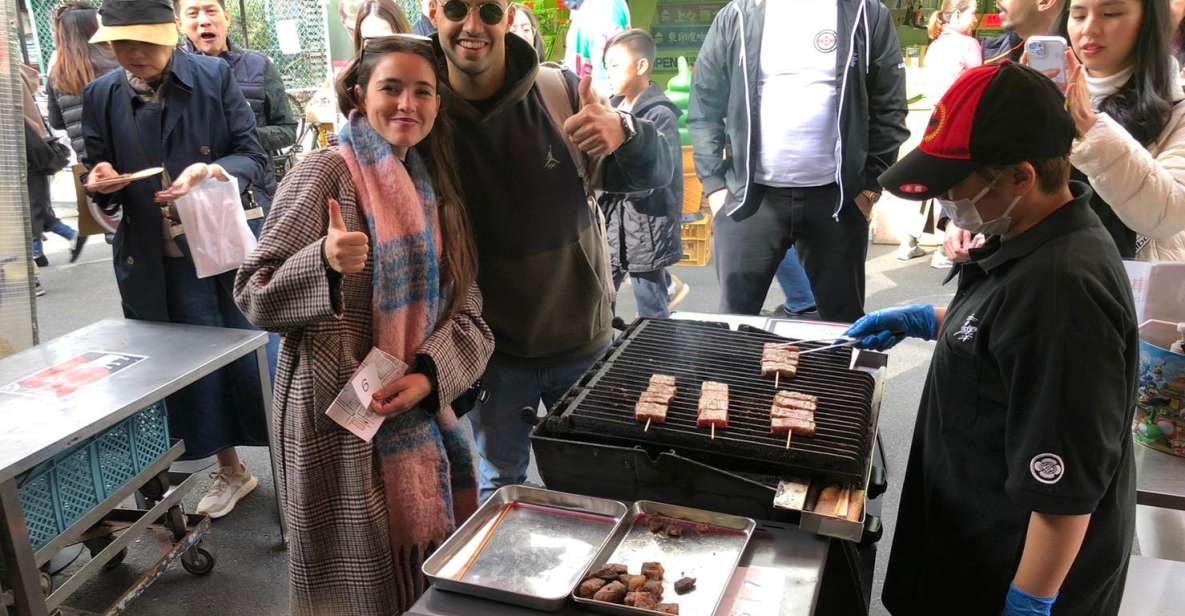
- Grilled tuna and salmon
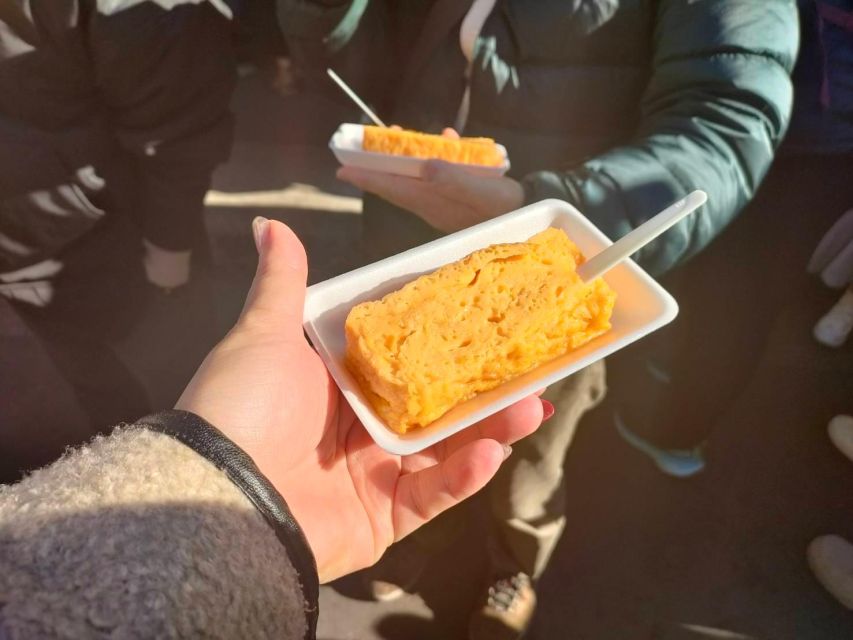
- Tamagoyaki (Japanese rolled egg)
- Grilled oysters
- Fresh sashimi
- Desserts and snacks
- 2 soft drinks and water
Also, the tour explicitly notes that alcoholic drinks are not included (you can purchase them separately). That’s a good setup for most people because it keeps the tasting focused and helps you stay comfortable while walking.
How to get the most out of the tastings
If you’re the type who likes to learn while you eat, you’ll be in your element. I like that the guide can connect what you’re tasting to what you’re seeing—so the food feels less like a checklist and more like a lesson you can actually taste.
If you’re sensitive to seafood textures or certain preparations, tell your guide early. The tour is small, so your questions can actually matter during the walk. Feedback on guides like Amber highlights how thoughtfully they can adjust to real people, including teenagers who needed extra patience and flexibility.
Small-group walking tour: why the max 10 matters
At up to 10 participants, this tour avoids the “herd around a counter” vibe. It’s easier for the guide to manage questions, check in with the group, and keep a smooth pace through crowded areas.
This group size also makes a practical difference for tasting. You’re more likely to get attention when you need help choosing, asking what something is, or understanding how a dish is prepared. And if you’re bringing a teen or someone who gets impatient in busy settings, that smaller dynamic helps.
You’ll walk a lot, but it stays organized. For many people, that’s the difference between having a fun day and feeling like you paid to stand in line.
Price and value: is $173 fair for Tsukiji?
This tour costs $173 per person for about 4 hours. That price can feel high at first glance—until you break down what’s actually included.
You’re paying for:
- A professional guide for the full 4-hour period
- Multiple food categories (not just one snack) like sushi, sashimi, grilled tuna and salmon, tamagoyaki, and grilled oysters
- Desserts and snacks, plus 2 soft drinks and water
- Access to key stops including Tsukiji Hongwanji / Hongan-ji, Kachidoki Bridge, and Namiyoke Inari Jinja
For me, the value hinges on this: you’re not just eating—you’re also getting explanations while you’re walking through a market area that can be confusing on your own. In Tsukiji, context matters. Without it, it’s easy to miss what makes certain counters special.
And the strong feedback on guides—especially for explanation quality and flexibility—suggests you’re not paying for a basic tour script. You’re paying for a real guide who can connect the sights to the food culture.
Who should book this Tsukiji walk (and who might skip it)
This tour is a great fit if:
- You want to taste a range of seafood styles in one go
- You like markets but prefer a guide to help you understand what you’re seeing
- You’d enjoy a mix of food stops and cultural sights
- You’re traveling with a teen or mixed group and want the pacing to stay manageable
It might not be the best fit if:
- You hate walking and standing for several hours
- You only want to shop and don’t care about guided explanation
- You’re looking for a fully independent self-guided market day
There’s also a simple reality: Tsukiji can be intense. This tour helps, but it won’t turn market crowding into a calm stroll.
Should you book this Tsukiji Fish Market walking tour?
Yes—if you want the Tsukiji experience in a form that’s easy to manage and genuinely worth your time. The combination of small-group size, a strong guide, and a serious included seafood lineup makes this feel like a guided food education, not just a tasting tour.
I’d book it especially if it’s your first time in Tsukiji and you’d rather walk in with a plan than guess your way from stall to stall. If you’re the kind of person who likes learning why a place works as much as sampling what it sells, this is the better choice.
FAQ
How long is the Tsukiji Fish Market walking food tour?
It’s a 4-hour walking tour.
Where does the tour start?
Meet in front of Tsukiji Hongwanji Temple. From Tsukiji Station (Hibiya Line), take Exit A1 and turn left; the temple entrance is about 50 meters away.
What food is included?
Included meals and tastings include sushi, grilled tuna and salmon, tamagoyaki, grilled oysters, and fresh sashimi, plus desserts and snacks.
Are drinks included?
Yes. The tour includes 2 soft drinks and water. Alcoholic drinks are not included (they can be purchased).
How big is the group?
It’s a small group with a maximum of 10 participants.
What languages are the guides?
The live guide is available in English and Japanese.