REVIEW · TOKYO
3-Row Luxury Bus Tour to Mt. Fuji, Lake Kawaguchi from Tokyo
Book on GetYourGuide →Operated by VIP Japan Tour · Bookable on GetYourGuide
Mt. Fuji in one day sounds unreal. This Tokyo to Lake Kawaguchi trip is built around classic viewpoints, plus a food stop centered on Kobe beef. I like that the day is paced with multiple chances for Fuji views, and that the English guide experience is a real part of the value—especially when the guide is operating like Omar, clear and upbeat.
I also like the mix of the big postcard moments and the calmer village-and-lake feel. One consideration: the operator describes a true luxury-style bus with about 27 seats and an onboard toilet, but not every booking experience matches that promise, so it’s smart to confirm what you’re getting.
In This Review
- Quick hits: What makes this Mt. Fuji day trip tick
- Tokyo to Kawaguchiko: 10 hours of comfort and practical reality
- Arakurayama Sengen Park: The stairs, the shrine, and the pagoda frames
- Lake Kawaguchi Craft Park: lunch, shopping, and easy Fuji views
- Lake Kawaguchi: multiple lookouts so you’re not stuck with one weather outcome
- Oishi Park: seasonal flower fields and Fuji over the water
- Saiko Iyashi no Sato Nenba: thatched roofs by Lake Saiko
- Rain, schedule changes, and the Fuji-visibility reality check
- Price and comfort: where the $125 feels fair—and where to double-check
- Who this tour suits best (and who should choose another plan)
- Should you book this Mt. Fuji day trip?
- FAQ
- How long is the Mt. Fuji and Lake Kawaguchi day trip?
- What is the price per person?
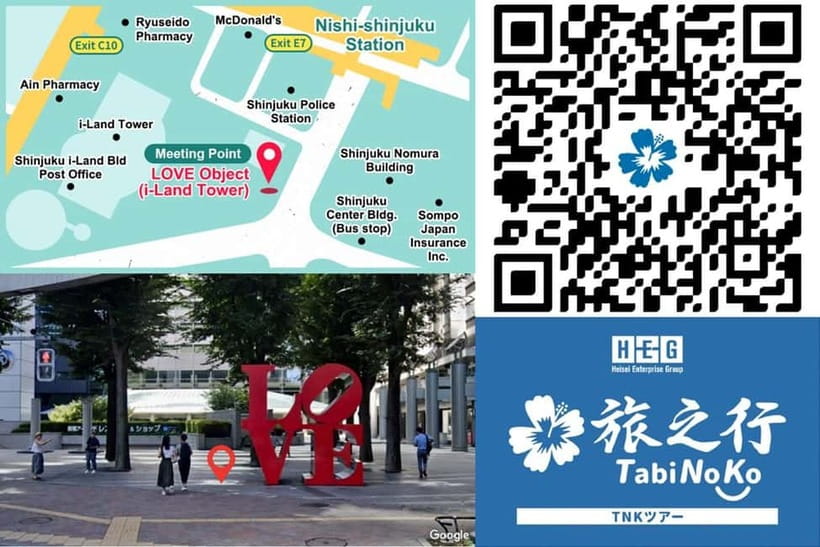
- Where do I start and where do I end?
- Is there an English-speaking guide?
- What food is included?
- What attractions or entry tickets are included?
- Will the tour run in rain, and what if Mount Fuji can’t be seen?
Quick hits: What makes this Mt. Fuji day trip tick
- Arakurayama Sengen Park + Chureito Pagoda for the Fuji-and-pagoda photo combo (and the stairs are part of the payoff).
- Lake Kawaguchi viewpoints broken into several stops, so you’re not gambling on one single look.
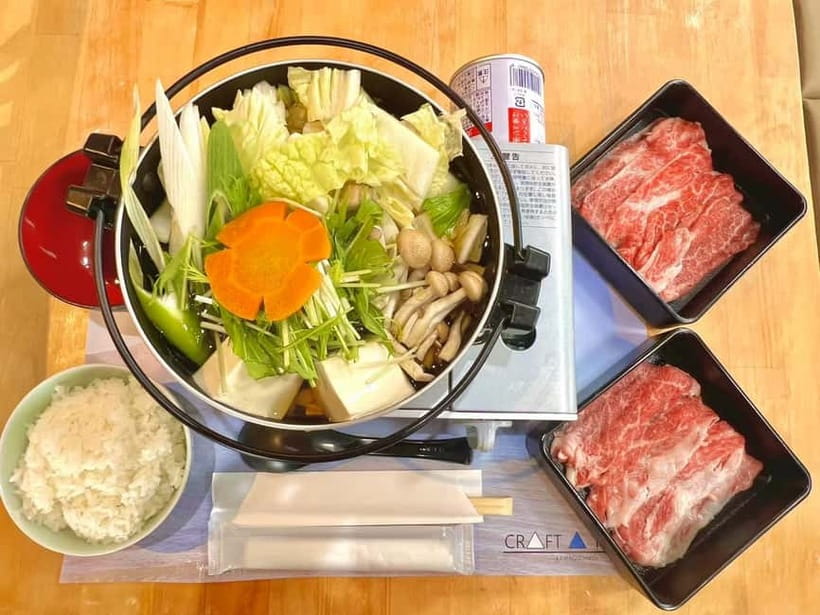
- Kobe beef shabu-shabu for lunch with Japanese Wagyu quality as the main event.
- Oishi Park seasonal flower areas near the lake, including lavender-scented walks when in season.
- Saiko Iyashi no Sato Nenba for thatched-roof houses preserved by Lake Saiko.
- English guide on board, with pacing that tries to keep the day moving without rushing the photos.
Tokyo to Kawaguchiko: 10 hours of comfort and practical reality
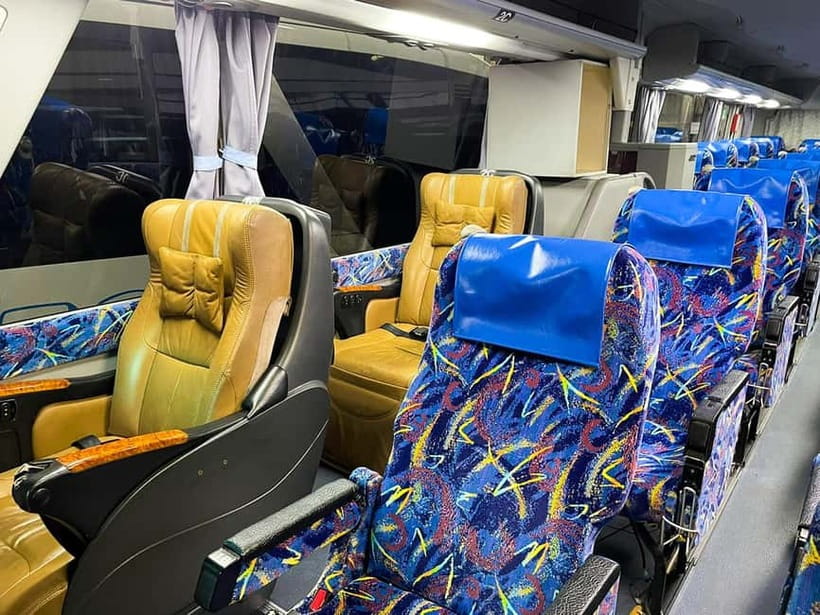
This is a long day—about 10 hours—starting from the Tokyo area and ending in Shinjuku. If you want Fuji without planning trains, transfers, and timed parking, the bus format makes sense. At $125 per person, you’re paying for transport, guide time, scheduled stops, and included admissions and lunch.
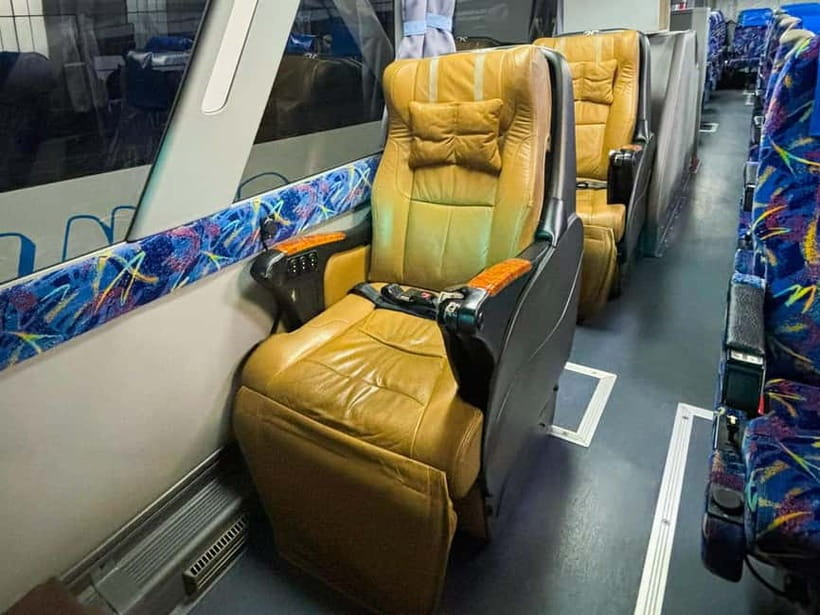
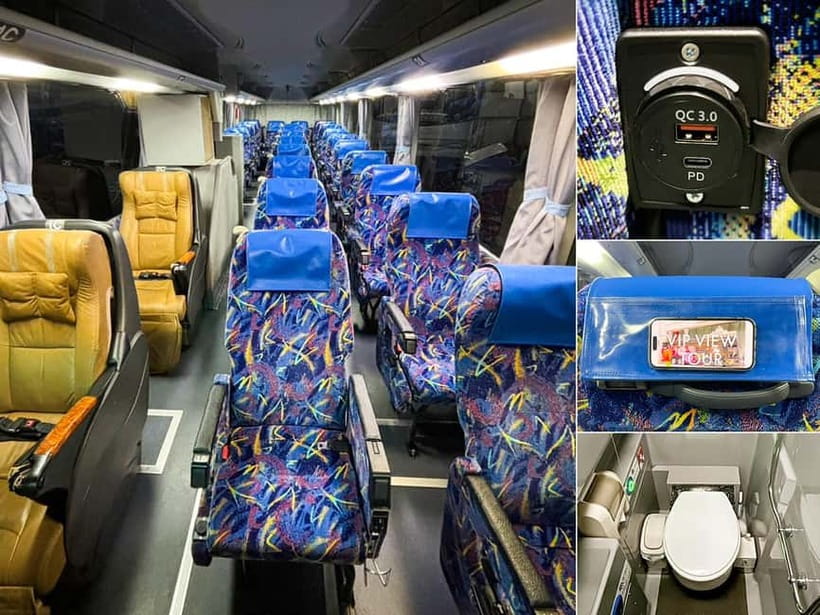
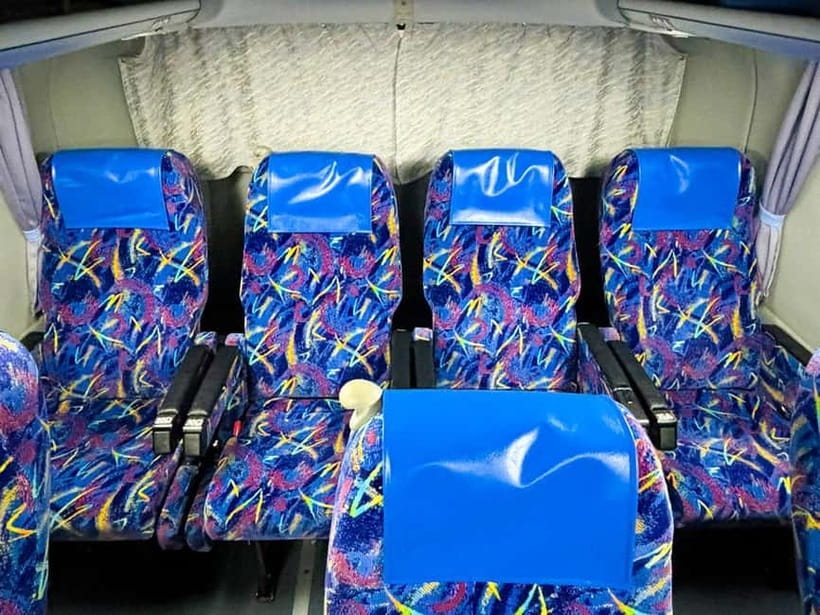
The bus ride is described as “business class” style comfort, using a 3-row luxury layout and independent seats, with an onboard toilet mentioned in the description. One recent booking experience noted that the bus did not match the luxury setup and that there was no toilet onboard. If you’re relying on the restroom during the trip, treat “toilet onboard” as a detail to verify before you go, not just a hope.
Group size matters here. The experience is marketed as having only 27 seats, which usually helps with comfort and makes it easier for the guide to manage timing. Still, it’s a shared day trip, so you’ll want realistic expectations about when you can linger at each photo spot.
You can also read our reviews of more tours and experiences in Tokyo


Arakurayama Sengen Park: The stairs, the shrine, and the pagoda frames
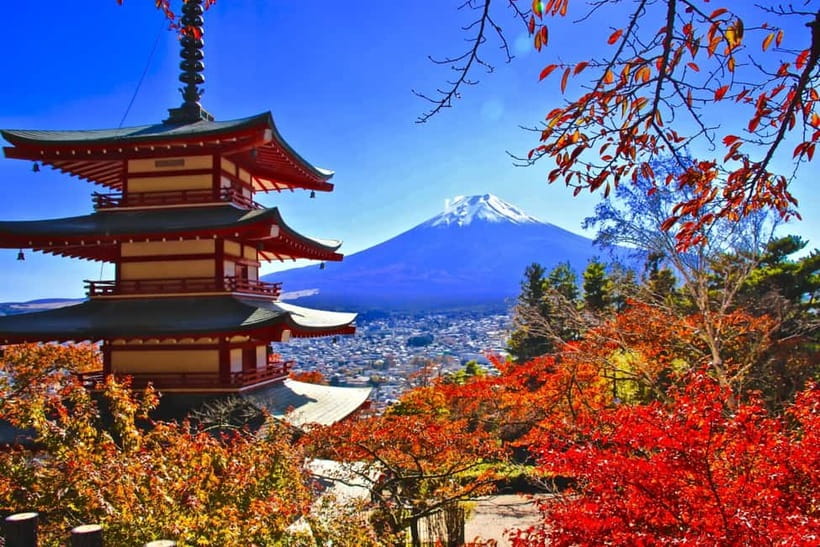
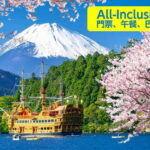
The morning sets you up for one of Japan’s most famous Fuji images: the view from Arakurayama Sengen Park leading toward the pagoda and Mount Fuji. You’ll spend about 70 minutes here, with a photo stop and sightseeing time built around that vantage point.
Here’s why this stop matters. The best Fuji pictures at this location usually come from being positioned at the right height. That means stairs and a bit of walking, not just standing on level ground. If you wear comfortable shoes, you’ll enjoy the climb more because you can focus on framing the shot—Fuji with the five-tiered pagoda in the same view.
Expect a second photo/sightseeing moment at Arakura Fuji Sengen Shrine and then a dedicated stop at the Chureito Pagoda area. This is essentially a Fuji photo pipeline: multiple small stops that keep you moving between angles so you can work with the light and the crowd flow.
If you’re traveling in busy season, arrive with patience. You don’t need to rush through this one to get a good photo; just plan to take your time at the viewpoint and don’t overthink which second is perfect.
Lake Kawaguchi Craft Park: lunch, shopping, and easy Fuji views
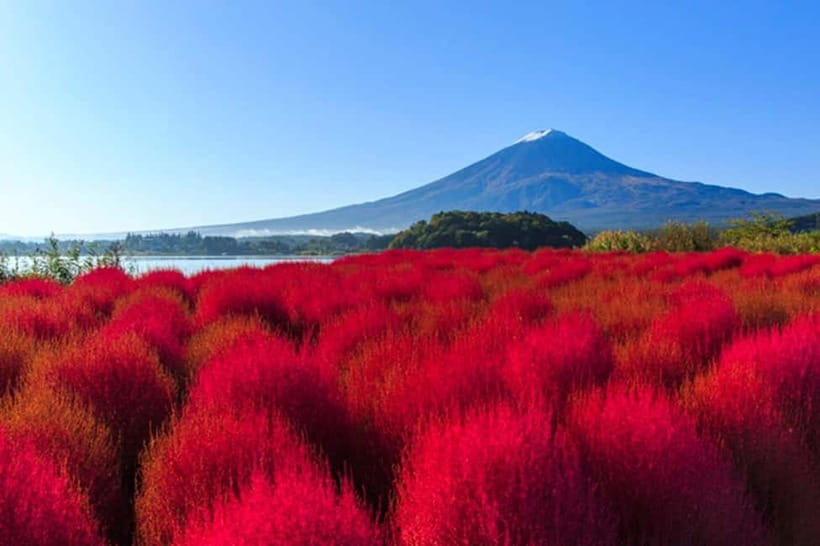
Next comes Kawaguchiko Craft Park, with about 1 hour for lunch, shopping, and a workshop-style option. This is a practical stop because you get fed here, then you can keep your energy for the lake walks and flower areas later.
The included meal is the standout: Kobe beef shabu-shabu, described as made with top Japanese Wagyu. If you care about food, this is one reason the day trip feels like more than just a drive-and-photo routine. Shabu-shabu also works well for groups because it’s a warm, satisfying sit-down meal that doesn’t take forever.
You’ll also be near the water, and the surrounding area is known for Fuji views and reflections. The big win here is variety: you get a meal that feels like a destination stop, then you shift back into scenery without having to hunt for your next viewpoint.
For the shopping side, keep it simple. If you want small souvenirs, this is an easy place to grab them without losing time to detours. If you don’t care about crafts, you can still treat it as a “reset” stop—eat well, stretch your legs, then head back out.
Lake Kawaguchi: multiple lookouts so you’re not stuck with one weather outcome
You’ll get a photo stop along the Lake Kawaguchi Maple Corridor area, then a more active Lake Kawaguchi stop that includes photos and about 1 hour of walking.
This is a key planning idea behind the whole tour. Fuji visibility is never 100% guaranteed, and clouds happen. The itinerary doesn’t rely on one magic moment. Instead, it gives you several chances across the day—morning viewpoint, lake corridor photo, then an extended lake walk—so you can still enjoy the region even if Fuji looks shy at one stop.
When you’re near the lake, focus on what you can actually control:
- wear shoes that handle uneven ground
- keep your jacket ready if it turns windy
- take a wide shot first, then zoom in with your feet by walking to a better angle
If the mountain is visible, the water can create that classic mirrored look. If it’s not fully visible, you can still enjoy the lake promenade energy and the sense of place. Either way, this portion is where the day starts to feel less like a checklist and more like a real scenic outing.
Oishi Park: seasonal flower fields and Fuji over the water
After the lake walk, you head to Oishi Park for about 30 minutes. This is a shorter stop, so use the time like a photographer would: decide quickly where you want to stand, take your shots, and then walk a few steps to check if the angle improves.
Oishi Park is known for seasonal flowers, and when lavender is in bloom, the area is especially memorable. Even if you aren’t a plant person, flowers here matter because they help create color layers in photos—Fuji in the background, lake tones below, and the flower hues breaking up the frame.
One practical tip: bring something small to cover up wind. The lake area can feel chilly even on mild days, and lavender season tends to come with breezes.
Also, don’t let the 30-minute window stress you out. You’re not expected to “see everything.” You’re expected to get a few strong views and move on.





Saiko Iyashi no Sato Nenba: thatched roofs by Lake Saiko
The day ends at Saiko Iyashi no Sato Nenba, a preserved village with traditional thatched-roof houses. You’ll get about 50 minutes, including a photo stop and sightseeing time.
This is the cultural counterweight to all the Fuji photos. Instead of chasing mountain angles, you shift to how rural Japan looked historically—small homes, preserved building styles, and a village layout that makes you slow down. It’s also by Lake Saiko, one of the Fuji Five Lakes, so the scenery supports the village feel instead of competing with it.
If you like souvenirs, the village also has specialty products you can browse from the eaves and shop fronts. But don’t treat it like a rush market. Walk through at an easy pace. The value here is watching how the setting changes from street to courtyard, and how the thatched roofs read against the sky.
When you’re done, the bus takes you back to the Shinjuku area. It’s a good finish point because you end with train access and normal city life.
Rain, schedule changes, and the Fuji-visibility reality check
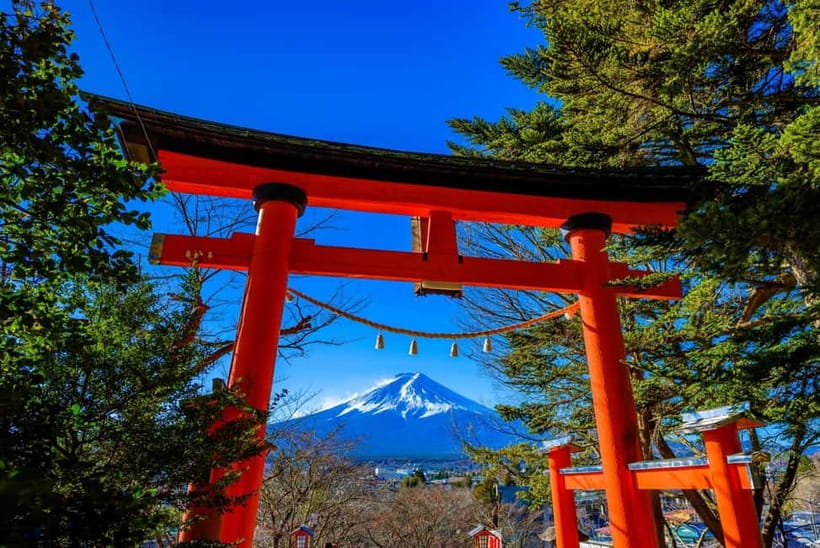
This tour runs rain or shine. Cancellations typically only happen in extreme conditions such as typhoons. That means you should pack for comfort in weather that could shift fast—especially if you’re visiting outside peak seasons.
You also need to accept a basic Fuji rule: visibility isn’t guaranteed. Fog and cloud cover can soften the mountain, and in those moments the day still has worth, but your photos may not look postcard-perfect. The tour helps with this by giving multiple stops rather than relying on one single view.
Road traffic can also squeeze time. The schedule may adjust because of road conditions, weather, or unforeseen events, and some planned attractions could be shortened or omitted without refunds if the day runs into delays. The best mindset is to treat this as a flexible sightseeing day. You’ll still see key areas, but you shouldn’t assume every minute will go exactly as posted.
If Fuji is the only thing you care about, plan for disappointment risk. If you care about the lake area, the food stop, and the rural village atmosphere, you’ll likely feel good even with imperfect views.
Price and comfort: where the $125 feels fair—and where to double-check
At $125 per person for a 10-hour day trip, this is not a bargain bus tour. You’re paying for:
- a guided day with English commentary
- transport that’s described as business class with an onboard toilet
- entry tickets to Saiko Iyashi no Sato Nenba
- lunch, including Kobe beef shabu-shabu
- highway tolls, parking fees, and fuel, plus consumption tax
For a Tokyo-to-Fuji Lakes day, the included lunch alone can make the total feel more reasonable than you’d expect. When food is part of the value, I’m usually more willing to accept a long bus day.
Still, the bus “luxury” details are where you should pay attention. The experience is advertised with limited seats and amenities. Yet one booking experience reported that it was not nearly as advertised and that there was no toilet onboard. Since this is exactly the type of detail that affects comfort during a long day, I’d recommend you confirm the onboard toilet and seat setup before you pay extra attention to that feature.
Also note the guide language setup. If the group has many people, commentary may be both English and Chinese on the same bus. That’s not a problem, but it can affect how much you hear at any one moment.
Who this tour suits best (and who should choose another plan)
This tour works best if you:
- want a guided Mt. Fuji day trip without DIY logistics
- care about hitting multiple Fuji-like viewpoints in one day
- want an included food experience with Kobe beef shabu-shabu
- like a mix of big views and a real cultural stop at a preserved village
It may not fit if you:
- need wheelchair access (it isn’t suitable for wheelchair users per the tour info)
- hate long bus rides with scheduled time windows
- need guaranteed Fuji visibility no matter what
If you’re the type who gets annoyed when plans change, remember the day can shorten or reshuffle due to traffic and weather. If you travel with patience and a backup mindset, this day can be a very solid introduction to the Fuji Five Lakes area.
Should you book this Mt. Fuji day trip?
If your priority is an easy, guided Fuji Lakes day from Tokyo with a food highlight and a cultural finish, this is a good pick. The best reason to book is the structure: multiple Fuji-relevant stops plus enough time to actually look, not just snap and move.
Before you commit, do one smart check. If onboard comfort and toilet access are important to you, confirm the bus setup directly—because the description promises amenities that don’t always match every booking experience.
If you pack comfortable shoes, dress for changing weather, and accept that Fuji can hide, you’ll likely come away happy. You’ll have the pagoda-and-Fuji moment, lake walking time, a real sit-down Wagyu lunch, and a thatched-roof village to close out the day. That’s a lot for a single long outing.
FAQ
How long is the Mt. Fuji and Lake Kawaguchi day trip?
The tour lasts about 10 hours, starting in the Tokyo area and ending in the Shinjuku area.
What is the price per person?
The price is listed as $125 per person.
Where do I start and where do I end?
The starting point can vary by the option booked, with listed options including Shinagawa/Shinagawa area. The only drop-off location is the Shinjuku area.
Is there an English-speaking guide?
Yes. The tour includes a live English guide, and depending on the number of participants, commentary may also be provided in Chinese on the same bus.
What food is included?
Lunch is included, and the meal described is Kobe beef shabu-shabu.
What attractions or entry tickets are included?
Entry tickets to Saiko Iyashi no Sato Nenba are included, along with stops at places like Arakurayama Sengen Park, Oishi Park, and Lake Kawaguchi.
Will the tour run in rain, and what if Mount Fuji can’t be seen?
The tour operates rain or shine, with cancellations only in extreme weather like typhoons. Mount Fuji visibility is not guaranteed depending on weather conditions.