REVIEW · TOKYO
3 Days Tokyo, Mt. Fuji and Hakone Private Tour from Tokyo
Book on Viator →Operated by Xplor Japan · Bookable on Viator
Three days. Zero map stress. What makes this tour work is the door-to-door private setup that connects Tokyo icons to Mount Fuji and Hakone without you wrestling trains all day. I love the fact that you set your own pace in a small group, and I also like that the guide on this tour, often noted as Ryu, keeps things punctual and easy to follow.
The main thing to consider is cost creep: some of the standout experiences come with extra admission fees, and the whole plan depends on good weather for Fuji views.
In This Review
- Key highlights at a glance
- Door-to-door privacy makes Tokyo-to-Fuji logistics painless
- Price and value: what $1,265 per group really buys you
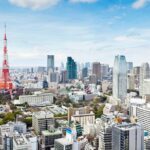
- Day 1: Tsukiji, Imperial Palace gardens, Asakusa, and Tokyo Skytree
- Tsukiji Fish Market (1 hour)
- East Gardens of the Imperial Palace – Edo Castle Ruin (1 hour)
- Senso-ji Temple (1 hour)
- Tokyo Skytree (1 hour, admission not included)
- Takeshita Street (1 hour)
- Day 2: Chureito Pagoda, Oshino Hakkai, and the Fuji Five Lakes rhythm
- Chureito Pagoda (1 hour)
- Oshino Hakkai (1 hour)
- Kitaguchi Hongu Fuji Sengen Jinja Shrine (30 minutes)
- Lake Kawaguchiko (1 hour)
- Oishi Park (1 hour)
- Saiko Lake (30 minutes)
- Day 3: Lake Ashi, Hakone shrine, Owakudani, ropeway costs, and Open-Air Museum art
- Lake Ashinoko (Lake Ashi) (1 hour)
- Hakone sightseeing cruise from Motohakone-Ko Pier (30 minutes, fees not included)
- Hakone Ropeway (30 minutes, fees not included)
- Owaku-dani Valley (30 minutes, fees not included)
- Hakone Shrine (1 hour)
- Hakone Open-Air Museum (1 hour, admission not included)
- Gotemba Premium Outlets (2 hours)
- Meals, timing, and how to keep the day from feeling rushed
- Who this private Tokyo–Fuji–Hakone tour fits best
- Should you book this 3-day private tour?
- FAQ
- How many people are in each group?
- What time does the tour start?
- Is pickup included?
- Are meals and lodging included?
- What admission fees are not included?
- What happens if weather is poor?
Key highlights at a glance
- Door-to-door transportation so you spend less time figuring out transit and more time seeing the places
- Small-group privacy for a calmer pace across three packed day trips
- Tokyo-to-Fuji sequencing that adds variety fast, from Tsukiji and Asakusa to the Fuji Five Lakes
- Hakone options with extra fees, like the ropeway and lake transport, so you can choose what you use
- Guide Ryu is described as punctual, professional, and genuinely helpful for first-timers
Door-to-door privacy makes Tokyo-to-Fuji logistics painless
Tokyo can be exciting and stressful at the same time. It’s easy to spend your limited vacation energy on stations, transfers, and figuring out which line gets you closest. This private tour takes that job off your plate with an air-conditioned vehicle and pickup that’s designed to be as easy as possible. You’re not staring at transit maps while everyone else stands around waiting for the one wrong train.
What you really gain is time with structure. You still get freedom to handle your own meals and accommodations, but the hard part—moving between major areas across three days—is handled. That matters because Mt. Fuji and Hakone aren’t quick side trips. They’re day-trip territory, and DIY planning can get messy fast if you don’t know the local rhythm.
One more practical win: this is built for a group of up to five. That means you’re not fighting with a big bus crowd for attention, timing, or photo spots. On tours like this, the difference between crowded chaos and a smooth day is often the guide’s pacing and timing, and Ryu is repeatedly mentioned for being punctual and professional.
You can also read our reviews of more private tours in Tokyo

Price and value: what $1,265 per group really buys you
The price is $1,265 per group (up to 5 people). That’s not cheap if you’re traveling solo, but it can be a good value if you’re splitting costs with a small group. The math gets more reasonable when you compare it to private vehicles plus admission fees plus the time you’d spend planning and moving on your own.
Here’s what the tour includes:
- Air-conditioned vehicle
- Private transportation
- Fuel surcharge
- Parking fees
- Pickup offered and mobile ticket
And here’s what you should budget separately:
- Meals, drinks, and snacks
- Activity fees (notably ropeway and lake transport options in Hakone)
- Tokyo Skytree admission (listed as not included)
Also note the guide-led nature of the plan. You’re not just buying transport; you’re buying a set of connections between sights that are far apart. That’s usually where private tours earn their keep—especially on a tight 3-day window.
A small timing clue: the tour is often booked about 119 days in advance on average. That suggests you’ll want to plan early if your dates matter.
Day 1: Tsukiji, Imperial Palace gardens, Asakusa, and Tokyo Skytree
Day one is a classic hit parade, but it’s not random. It’s designed to help you get your bearings fast—market life, Edo-era remnants, a major temple, then a big skyline moment.
Tsukiji Fish Market (1 hour)
Start at Tsukiji for the sensory overload of seafood culture. Even if you’re not a hardcore foodie, the energy is the point: fresh seafood displays, produce, and the overall feeling that you’re watching a working market. Plan to come with an appetite and comfortable walking shoes. The admission is listed as free here, but food is on you.
Tip: If you want photos without turning it into a long line problem, go with a quick scan first, then decide what you want to taste.
East Gardens of the Imperial Palace – Edo Castle Ruin (1 hour)
Then you shift to calmer ground. The East Gardens sit where part of Edo Castle once stood. You get a break from market intensity, with landscaped grounds and remnants that connect Tokyo to its older past.
This stop is useful early in the trip because it teaches your eye how Tokyo layers different eras. One minute you’re surrounded by modern commerce; the next you’re walking in a space that feels like a pause button.
Admission is listed as free, so your time here is mostly about walking, photos, and atmosphere.
You can also read our reviews of more tours and experiences in Tokyo
Senso-ji Temple (1 hour)
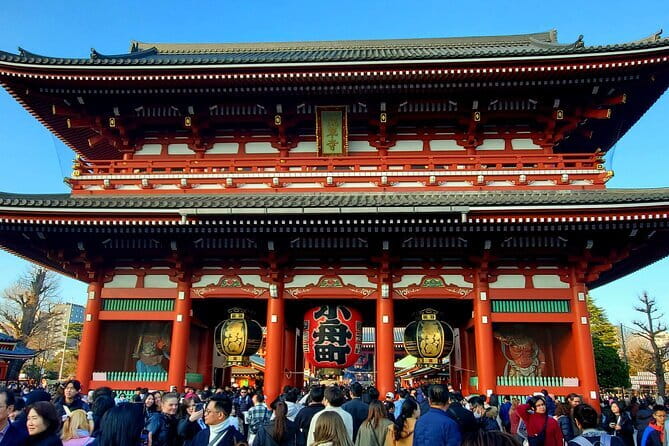
Next is Asakusa’s Senso-ji, one of Tokyo’s most famous Buddhist temples. It’s the kind of place where you understand why people keep returning: old temple traditions right next to neighborhood life, and a lot to notice without needing to know every detail in advance.
This is a great moment to slow down. Don’t rush your photos. Look at the temple entrance area, then step back and watch the flow of people.
Tokyo Skytree (1 hour, admission not included)
Skytree is the modern counterpoint. It dominates the skyline and delivers panoramic views if the weather cooperates. The tower admission is listed as not included, with a fee shown as 3,800 yen per person, so you should expect to pay extra if you want to go up.
This stop is worth it when visibility is good. If it’s hazy, you can still enjoy the scale and city views, but your money decision is still tied to conditions.
Takeshita Street (1 hour)
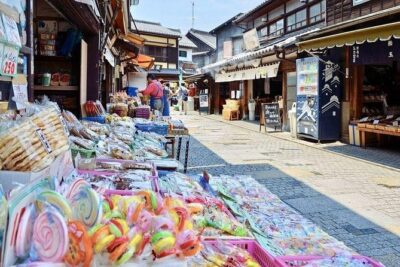
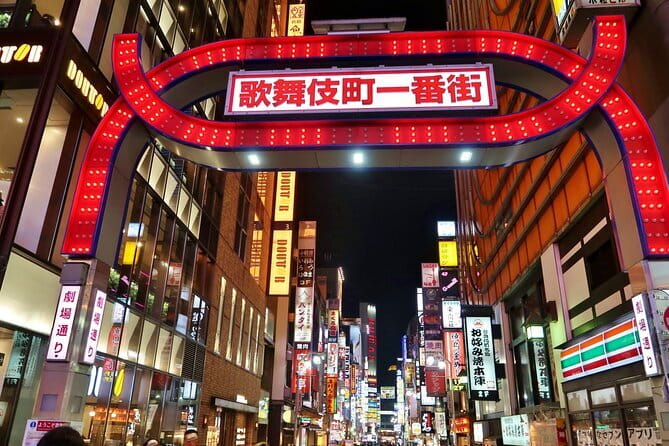
Close day one in Harajuku for Takeshita Street. This is where youth fashion and sweet snacks crowd together on a pedestrian-friendly strip. It’s fun, it’s loud, and it’s not where you go for peace and quiet—but it is where you see a slice of modern Tokyo culture.
Admission is listed as free. You’ll mainly be spending on snacks and shopping.
Day 2: Chureito Pagoda, Oshino Hakkai, and the Fuji Five Lakes rhythm
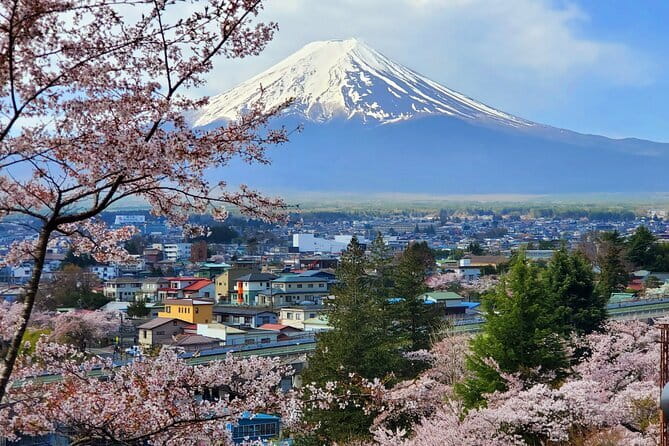
Day two is your Mount Fuji day in more ways than one. You move through the famous Fuji-area viewpoints, with multiple stops that let you compare sightlines and angles. That’s a big deal, because Fuji visibility can vary. Having several lookouts increases your odds of getting those classic views.
Chureito Pagoda (1 hour)
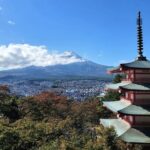
Chureito Pagoda is one of the most recognizable Fuji-photo scenes. The pagoda sits on a hill, giving you that layered composition with Fuji in the background when conditions are right. This stop is free, but you’ll want to arrive ready to take photos quickly and then enjoy the surrounding walking paths.
Practical mindset: think of it as a photo location plus a viewpoint, not as a long hang-out.
Oshino Hakkai (1 hour)
Oshino Hakkai is eight ponds supplied by Mount Fuji’s pure water. The feeling is quieter and more natural than Tsukiji or Asakusa. The ponds create a different kind of “Fuji connection,” one that’s about water and place rather than scenery.
This is a good mid-day reset. You can wander, photograph, and cool down a little if the day gets warm.
Admission is listed as free.
Kitaguchi Hongu Fuji Sengen Jinja Shrine (30 minutes)
Next is a Shinto shrine at the base of Mount Fuji. It’s dedicated to Konohanasakuya-time, associated with Mount Fuji, and it’s an important stop if you want the spiritual side of the mountain rather than just the skyline shot.
This is shorter by design, and that’s fine. Treat it as a pause to shift gears.
Free admission is listed.
Lake Kawaguchiko (1 hour)
Now you’re into the Fuji Five Lakes area proper. Lake Kawaguchiko is often the easiest lake to understand: big views, a lot of activity around the water, and classic photo opportunities.
Free admission is listed. Your time here is mostly about walking viewpoints and getting your first real sense of the lake scale.
Oishi Park (1 hour)
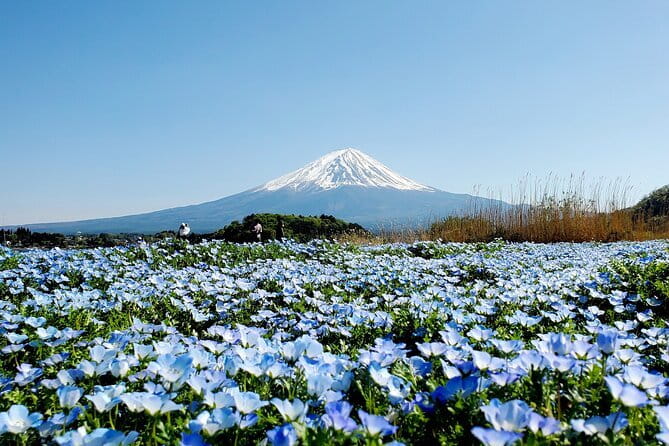
Oishi Park is another viewpoint on Lake Kawaguchiko’s north side, known for seasonal flowers. Even if you’re not chasing flower seasons specifically, the park gives you strong open sightlines toward Fuji.
This is one of the better chances for a “standing and looking” stop. You can pace yourself without feeling like you must keep moving.
Free admission listed.
Saiko Lake (30 minutes)
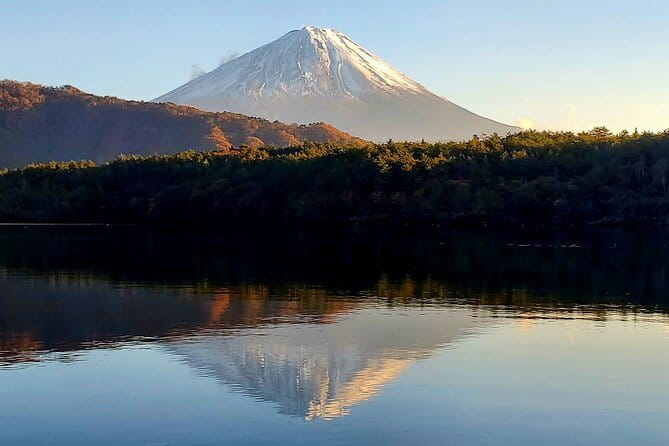
Then you end with Saiko Lake, described as quieter and less crowded than some nearby spots. You’re getting a more relaxed final note after the main lakeshore viewpoints.
Again, the admission is listed as free.
Day 3: Lake Ashi, Hakone shrine, Owakudani, ropeway costs, and Open-Air Museum art
Day three is where the scenery turns volcanic and the pace turns more scenic than city. Hakone is built around crater views, lakeside sights, and a hot-spring-town vibe. Your stops here are designed to show off that variety.
Lake Ashinoko (Lake Ashi) (1 hour)
Lake Ashinoko is the centerpiece. It’s a crater lake in the Hakone area, and it connects the day’s transportation and viewpoints. This is often the best moment to settle in and enjoy the surroundings without needing to chase the next photo point.
Admission is listed as free.
Hakone sightseeing cruise from Motohakone-Ko Pier (30 minutes, fees not included)
From Motohakone-Ko Pier, you get a cruise option on the lake. The tour lists activity fees here, including cruise ships (listed as 1,200 yen per person) and also mentions speed boat (2,000 yen per person). These are not included in the base price, so you’ll need to choose what you want to pay for.
If you want an easy way to see Hakone’s lake views from water, this is one of the best uses of time on the itinerary. Just remember you’re paying for the movement and the experience, not just the view.
Hakone Ropeway (30 minutes, fees not included)
Next is the Hakone Ropeway. This aerial lift is a fast way to change elevation and see the area from above. It’s listed as not included, with ropeway fees shown as 1,500 yen per person.
This stop is worth considering when you like scenic transportation. It can also be the kind of thing you skip if you’d rather spend money on other choices, but on a 3-day tour, it’s often one of the more memorable transitions.
Owaku-dani Valley (30 minutes, fees not included)
Owakudani is the volcanic valley. It’s described as dramatic and otherworldly, formed by past volcanic activity. You’re going there for atmosphere: sulfurous, surreal-feeling terrain that makes Hakone feel fundamentally different from Tokyo or the Fuji Five Lakes lakes.
Admission is listed as free, which is a nice bonus.
Hakone Shrine (1 hour)
Hakone Shrine sits on Lake Ashi’s shores and is famous for its red torii gate standing in the water. This is one of those places where you can’t help but take the photo, because the composition is so specific.
Admission is listed as free. You’ll get time to walk around and appreciate the lake setting.
Hakone Open-Air Museum (1 hour, admission not included)
Then comes art in the open. The Hakone Open-Air Museum is listed as not included. Even if art isn’t your top priority, the setting matters here: outdoor sculpture and museum-style walking can be a great change from viewing-only stops.
Because it’s not included, make sure you’re comfortable paying the extra admission before you get your heart set on it.
Gotemba Premium Outlets (2 hours)
Finally, you swing back toward convenience and shopping at Gotemba Premium Outlets, described as Japan’s largest outlet mall. It’s at the base of Mount Fuji area and gives you a less scenic but very practical ending: you can pick up gifts, snacks, and clothing without planning another afternoon.
Admission is listed as free here. This is one of those stops that’s perfect for travelers who want some downtime at the end.
Meals, timing, and how to keep the day from feeling rushed
Even with private transport, a 3-day plan with many stops can feel long. The difference is you get a smoother rhythm. You’ll handle meals and snacks on your own, so you can choose what fits your tastes and your budget.
Here are a few ways to keep your energy up:
- Eat something earlier rather than waiting for the perfect restaurant. You’ll have limited gaps.
- Carry water and light snacks. The tour lists meals as not included.
- For paid attractions like Skytree, ropeway, and lake transport, decide early in the day what you’ll say yes to so you’re not negotiating at the last second.
- When Fuji is the goal, be ready for conditions to change. Having multiple Fuji-related viewpoints across day two increases your odds.
The best part of a private tour like this is that you’re not stuck in someone else’s rigid group timetable. If you want a quick break or you’re moving slower that day, you’re usually in a better position to manage it.
Who this private Tokyo–Fuji–Hakone tour fits best
This tour is a strong choice for:
- First-time visitors who want major sights without learning a rail system
- Small groups who want to split the cost of private transport
- People who prefer a guided route with built-in logistics, but still want control over meals and lodging
- Travelers who like seeing both city icons and nature viewpoints over a short window
It might be less ideal if:
- You’re traveling solo and don’t want to pay per group for private vehicle time
- You want a fully flexible itinerary with no fixed sequencing
- You don’t want to pay extra admission fees for several key experiences
One reassuring note from the experience style: Ryu is highlighted as punctual and professional, and that kind of guide quality matters more than most people expect when your days start at 8:00 am and keep moving.
Should you book this 3-day private tour?
I’d book it if you want less stress and more seeing, especially if you’re new to Japan or you don’t want to build a route that links Tokyo to Fuji and Hakone by yourself. The door-to-door private transport plus the small-group pace makes the itinerary feel doable.
I’d hesitate if you’re strictly budget-first and you hate the idea of adding extra fees for Skytree, ropeway, and lake transport. Also, keep your expectations flexible: the tour requires good weather, since Fuji views are the whole point.
If your group can handle the added admissions and you’re aiming for a smooth first trip, this is the kind of tour that can save you time, reduce headaches, and still deliver Tokyo, Mount Fuji, and Hakone in one connected plan.
FAQ
How many people are in each group?
The tour is private, with pricing listed per group of up to 5 people.
What time does the tour start?
The meeting point start time is 8:00 am.
Is pickup included?
Pickup is offered, and door-to-door transportation is included.
Are meals and lodging included?
No. Meals, drinks, and snacks are not included, and accommodation is arranged on your own.
What admission fees are not included?
Tokyo Skytree admission is not included (listed as 3,800 yen per person). In Hakone, the tour lists activity fees for items like speed boat (2,000 yen per person), cruise ships (1,200 yen), and the ropeway (1,500 yen).
What happens if weather is poor?
The experience requires good weather. If it’s canceled due to poor weather, you’ll be offered a different date or a full refund.