REVIEW · TOKYO
Explore Akihabara with Local Cosplayer Guide(s)!
Book on Viator →Operated by Cosplay9 · Bookable on Viator
Cosplay turns Akihabara from maze to story. You’ll walk with local cosplayer guides who connect what you see—anime, games, and otaku culture—with the real customs and everyday vibe of this Tokyo district.
I love how the stops mix eras: Radio Kaikan for mainstream merch, then arcade-style fun at GiGO, plus retro gaming at Super Potato. I also like the human side—guides such as Mune and Ann get chatty, and you get a short window for casual photos with personal cameras.
One consideration: this is a pop-culture-focused walk, so if you’re chasing long temple time or heavy “Japanese tradition only” sightseeing, the shrine stop is brief.
In This Review
- Key highlights to look for
- Why a cosplayer guide makes Akihabara click
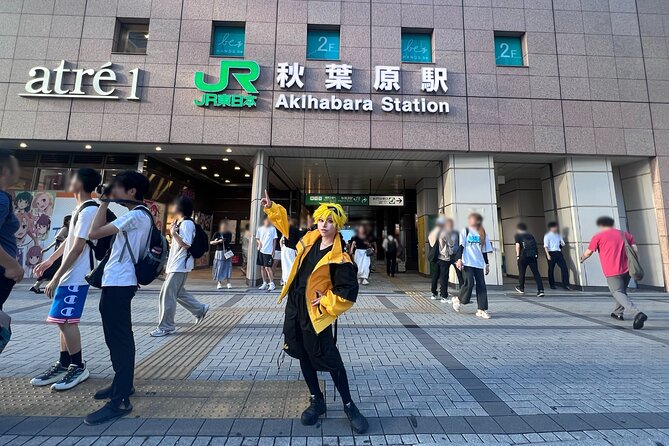
- Meeting at Akihabara Station Electric Town West Plaza (and why it matters)
- Radio Kaikan: anime merchandise shopping with fewer dead ends
- GiGO game center: arcade culture that feels learnable
- Super Potato: the retro gaming nostalgia stop
- Kanda Shrine: an otaku-friendly break where you learn how to pray
- Cost and value: what you pay for at $97.73
- What you’ll likely enjoy most (based on real feedback)
- Practical tips so you get the best experience
- Who this Akihabara walk suits best
- Should you book this Akihabara cosplayer guide tour?
- FAQ
- How long is the Akihabara cosplayer guide tour?
- Where does the tour start and end?
- Is this tour private?
- Are the admission tickets included?
- Do I get time for photos with the guide?
- Is food included in the price?
- Can the tour be customized?
- Is the tour refundable?
- What if I can’t speak Japanese?
Key highlights to look for

- Cosplayer-guides with real conversation energy: friendly, patient, and happy to talk life in Tokyo.
- Anime shopping you can actually enjoy: lots of merch browsing without getting overwhelmed.
- Arcade time with clear play guidance: especially helpful if you’ve never used Japanese game centers.
- Retro-gaming trip to Super Potato: a fast look at older consoles and classic arcade culture.
- Kanda Shrine with proper-prayer guidance: a respectful break from the screens and shopping bags.
- Small-tour feel: it’s private, so your pace and questions matter more than a big-group script.
Why a cosplayer guide makes Akihabara click
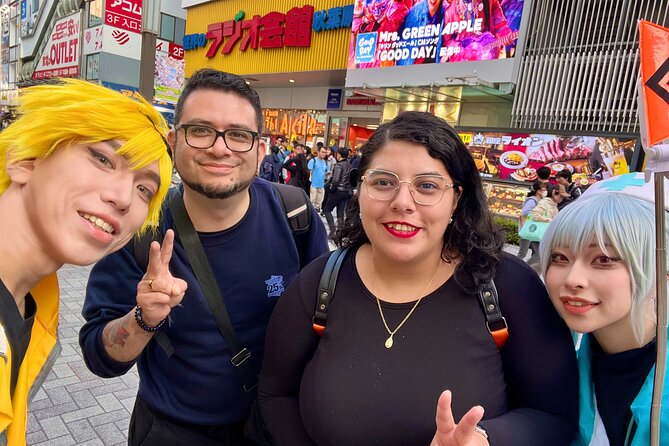
Akihabara can feel like sensory overload. Bright signs, dense store fronts, and walls of character goods make it easy to wander without really understanding what you’re looking at.
This tour solves that with a simple formula: you’re not just walking past things. You’re learning why they matter, from anime and games to the social rules people follow when they’re into this culture. The cosplayer element also adds a friendly, low-pressure vibe, so asking questions feels natural.
You can also read our reviews of more guided tours in Tokyo


Meeting at Akihabara Station Electric Town West Plaza (and why it matters)
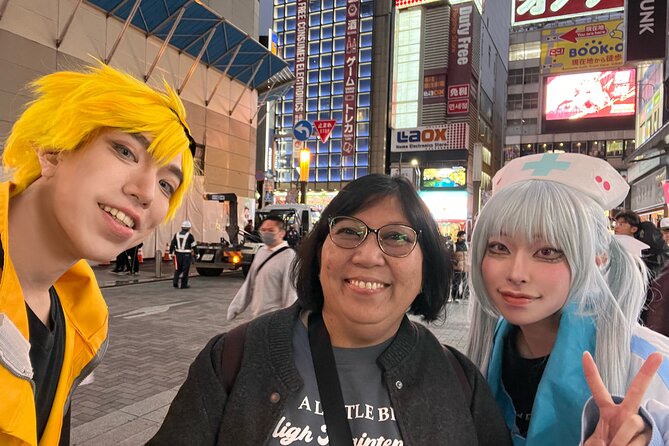
You start at Akihabara Station Electric Town West Plaza, then the walk loops back to the same area. That matters because Akihabara has multiple “centers,” and finishing near where you began helps you avoid the end-of-tour scramble.
The tour runs about 1.5–2 hours on foot, with stop time that keeps things moving. It’s also private, so it’s just your group. If you like asking questions as you go, this format makes it easier than joining a crowded shuffle.
You’ll get a mobile ticket, and confirmation is sent within 48 hours of booking, depending on availability.
Radio Kaikan: anime merchandise shopping with fewer dead ends
Your first stop is Akihabara Radio Kaikan, one of the district’s best-known landmarks. It’s the kind of place that shows up in anime itself, and the floors are packed with shops for anime goods and related collectibles.
What I like about this stop is that it teaches you the “map in your head.” Instead of randomly bouncing between stores, you’re shown where the main categories cluster—so you can browse with less guesswork. Even if you’re not buying, it’s a fast way to understand what Akihabara sells and how seriously people take it.
A practical note: you’ll spend about 40 minutes here. That’s enough time to browse and get oriented, but it’s not long enough to thoroughly hunt for a specific out-of-print item. If you’re chasing one particular figure or series, plan to keep your expectations realistic and ask your guide what’s easiest to find in this area.
GiGO game center: arcade culture that feels learnable
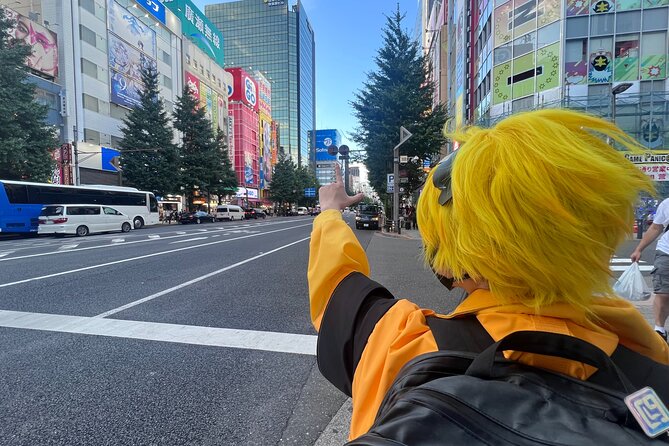
Next up is GiGO, a popular game center in Akihabara. This is where the tour shifts from shopping to play, and it’s often the most fun part because you can interact right away.
Expect a mix of games. Some people focus on claw machines, others on rhythm games or fighting games. What helps is that your guide can explain how things work at a Japanese arcade—especially useful if you’re not fluent in the local rhythm of these venues.
I also like the pacing: about 30 minutes at GiGO keeps it from turning into a “sit and watch” stop. If you want to try a game, you get that chance without the tour eating your whole afternoon.
Super Potato: the retro gaming nostalgia stop
Then you’ll head to Super Potato, where the focus turns to older hardware and classic games. This is the kind of store that makes you look twice, because it feels different from the shiny-new merchandise most people expect from Akihabara.
You’ll spend around 20 minutes here, which works as a “taste” of the retro world rather than a full collectible search. If you love older consoles or want to see how vintage arcade culture looked in practice, it’s a satisfying checkpoint.
If you’re a serious collector, you might want extra time elsewhere after the tour. But as an intro, Super Potato gives you a clear snapshot: Akihabara doesn’t only do current trends—it preserves fandom’s past, too.






Kanda Shrine: an otaku-friendly break where you learn how to pray
After the game energy, you slow down at Kanda Shrine (Kanda Myojin). This shrine is known for having an otaku-friendly angle, and it even appears in popular anime, which makes it feel less like a sudden culture shock.
Your guide also helps with the proper way to pray. That’s the important part. You’re not just taking a photo and moving on—you learn the respectful steps so you don’t feel awkward in front of the rituals.
You’ll have about 20 minutes here. It’s enough time to understand what’s going on and catch your bearings. Just don’t expect this to replace a longer shrine visit. Think of it as a reset button between the merch and the arcades.
Cost and value: what you pay for at $97.73

At $97.73 per person for a 1–2 hour walking tour, the big value isn’t the entrance fees. Most of the stops have free admission, and you’re not paying for a museum ticket type of experience.
The real cost goes to three things you can’t DIY easily:
- A local cosplayer guide who explains what you’re seeing and answers questions.
- Time management. You’re guaranteed a set route and pacing instead of trying to “figure it out” for yourself in the busiest shopping zone in Tokyo.
- A social layer. The tour is private, and guides can be personable—some conversations can run long in a good way, like when you discuss topics beyond anime and games.
Is it worth it if you’re only casually interested? Maybe not. If you want slow strolling, you might prefer a self-guided afternoon with a map. But if you want to understand Akihabara quickly and have someone translate the culture into plain talk, this price starts to look fair fast.
What you’ll likely enjoy most (based on real feedback)
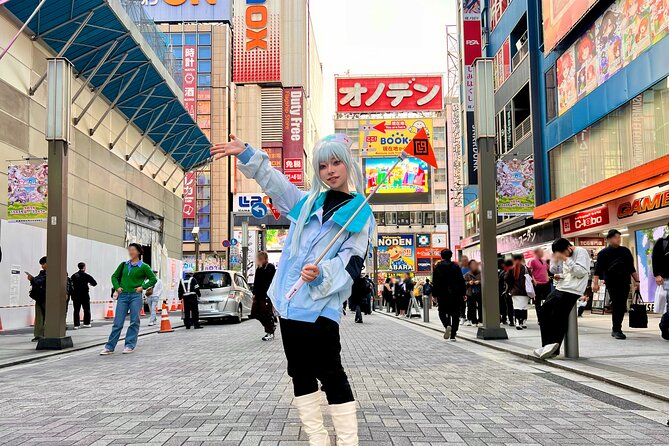
The strongest praise clusters around a few patterns: friendliness, fun conversation, and guides who actively help you navigate.
People highlighted that guides take time to chat, not just “deliver a script.” In one case, after the tour ended, the guide offered a recommendation for food that fit the group’s taste. Another strong point was how guides supported visitors who can’t speak Japanese, helping them walk through stores and find a figure they were looking for.
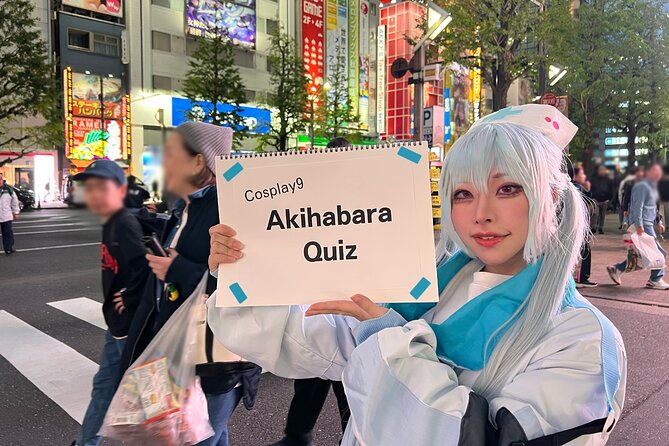
There’s also a hint of playful extras in the form of activities like quizzes. It doesn’t sound like a guarantee for every run, but it does suggest the guides sometimes add low-key games to keep things lively.
Finally, several comments emphasized the cosplayer side—focus on detail and presentation. That matters here because it makes the whole “guide + theme” concept feel intentional, not random.
Practical tips so you get the best experience
Wear comfortable shoes. Akihabara is compact, but the route still asks you to move constantly between stops.
Bring your camera (or phone). You’ll have short photo time with the guide, and personal cameras are welcome. If you’re hoping for specific photo styles, keep your expectations flexible and go with what feels comfortable for both you and the guide.
If you want customization, ask early. The tour is described as customizable, but some requests may not be unavailable. That’s a fair heads-up: Akihabara changes quickly, and shop availability can be tight.
For shopping, remember personal expenses aren’t included. You can browse freely, but buying anything means budgeting like you would anywhere else in Tokyo.
Who this Akihabara walk suits best
This tour is a great fit if you:
- Love anime and games and want someone to connect the dots fast.
- Feel overwhelmed in large shopping districts and want structure.
- Want a fun photo moment that still feels respectful.
- Prefer a smaller, private experience with room to ask questions.
It may be less ideal if you:
- Want a long, quiet cultural itinerary focused only on temples and traditional practices.
- Don’t care about arcade culture or retro gaming at all.
- Prefer total freedom to wander for hours without any scheduled stops.
Should you book this Akihabara cosplayer guide tour?
If your goal is to understand Akihabara in one good slice of time, I’d say yes. You get a smart mix of merch browsing, arcade play, retro gaming nostalgia, and a shrine stop where you learn how to pray. The guide presence is the difference-maker—especially for first-timers who want answers, not just photos.
I’d book it when you want fun plus clarity. I’d skip it if your interests are mainly food, shopping only, or slow museum-style time. For many people, though, this is exactly the right first step in Tokyo’s pop-culture capital.
FAQ
How long is the Akihabara cosplayer guide tour?
It’s listed as about 1 to 2 hours (walking tour time is described as roughly 1.5–2 hours).
Where does the tour start and end?
It starts at Akihabara Station Electric Town West Plaza (1-chōme-17-18 Sotokanda, Chiyoda City, Tokyo) and ends back at the same meeting point.
Is this tour private?
Yes. It’s a private tour/activity, so it’s only your group.
Are the admission tickets included?
The tour includes stops with free admission noted for the listed locations.
Do I get time for photos with the guide?
Yes. The tour includes short photo time with the guide, and your personal camera is welcome.
Is food included in the price?
No. Food and drinks are not included.
Can the tour be customized?
The tour is described as customizable, and you can ask for changes, but some requests may not be available.
Is the tour refundable?
No. This experience is non-refundable and cannot be changed for any reason.
What if I can’t speak Japanese?
There are reviews indicating the guide helps actively even for visitors who can’t speak Japanese, including helping find a specific figure in stores.