REVIEW · TOKYO
Tokyo Asakusa: Food Sample Making Workshop
Book on GetYourGuide →Operated by Food Sample Making Cafe Inc. · Bookable on GetYourGuide
Tokyo’s food culture has always been visual. This workshop turns that obsession into something you can hold, tweak, and take home. You’ll build a realistic food sample from your chosen dish (omelette rice, spaghetti, crepe, or jelly parfait), then you can add personal touches like writing your name on the omelet with ketchup. The best part is the optional dining add-on, where you enjoy a real meal that matches what you made, letting you compare side-by-side with photos. One possible drawback: it’s hands-on and focused, so if you want passive sightseeing only, this won’t feel like that.
Plan for about 1 hour without the meal, or about 1.5 hours with it. Staff guide you through the process, and the experience runs in English and Japanese; one thing I’d keep in mind is that instruction may be lighter in English, though the steps are generally straightforward once you’re shown what to do. If you’re traveling with kids, it’s not suitable for children under 5.
In This Review
- Key points to know before you go
- Turning Tokyo food into something you can make and keep
- How the workshop timing works: about 1 hour or about 1.5 with dining
- Choose your favorite dish: omelette rice, spaghetti, crepe, jelly parfait
- Omelette rice
- Spaghetti with meat sauce
- Crepe
- Jelly parfait
- Making your replica: where the real satisfaction comes from
- The dining option: eat the matching meal and compare everything
- What you take home: a souvenir with actual work behind it
- Finding the place in Asakusa: the noren curtain on the main street
- Language and instruction: English support, easy steps, and staff help
- Price and value: is $39 worth it?
- Who should book this workshop, and who should skip it
- Should you book Food Sample Making Cafe in Asakusa?
- FAQ
- How long does the Tokyo Asakusa food sample making workshop take?
- What dishes can I choose to make?
- What is included in the price?
- Is the workshop offered in English?
- Where do I meet for the workshop?
- Is this suitable for young children?
Key points to know before you go
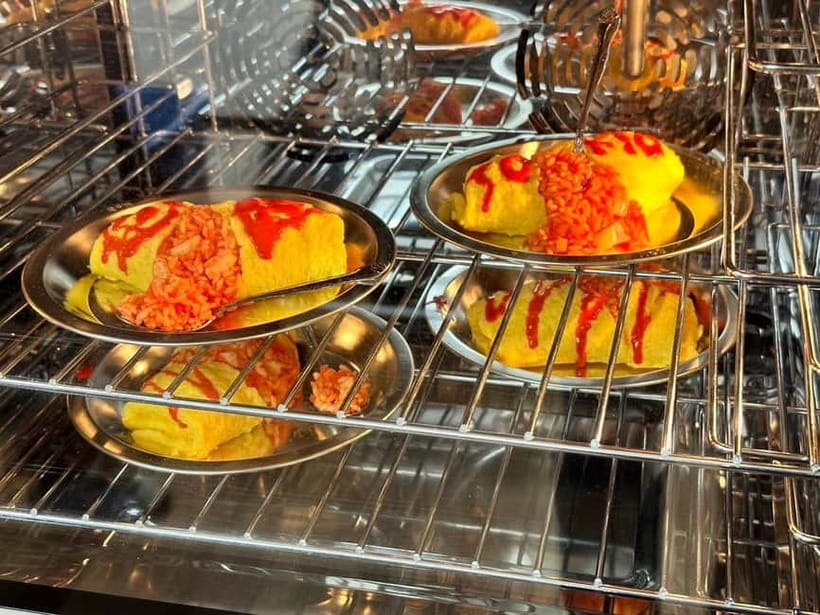
- Pick your dish first, then build a detailed food replica from scratch
- Personalize with playful details like ketchup writing and custom shapes
- Optional meal matching your sample for a satisfying compare-and-take-photos moment
- You take home your creation, so it’s a souvenir with actual hands-on work
- Guidance is provided in English and Japanese, with easy-to-follow instructions
- Asakusa location is straightforward once you spot the Food Sample Making Cafe noren curtain
Turning Tokyo food into something you can make and keep
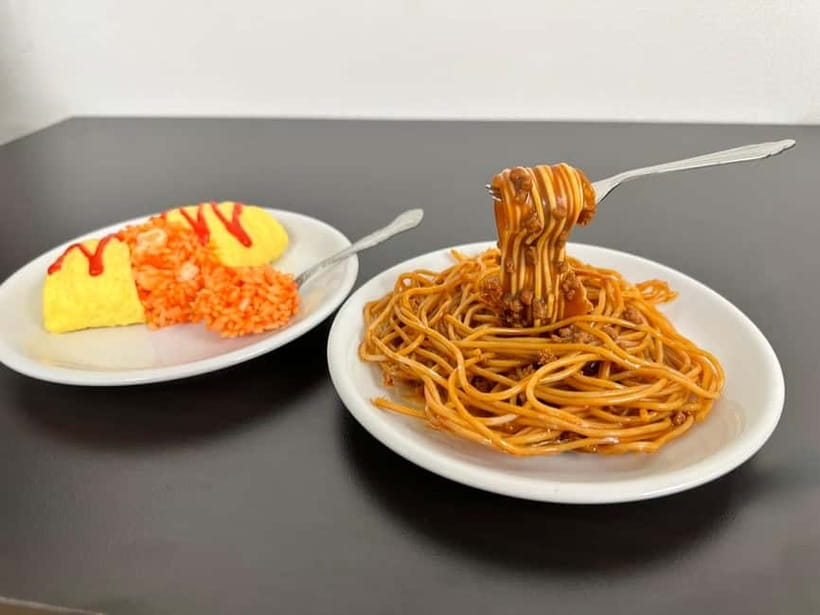
In Tokyo, food samples aren’t just decoration. They’re practical, bright, and weirdly satisfying. This workshop takes that idea and hands it to you. You don’t just look at replicas behind glass—you create one with your own hands, using real-looking components arranged into a dish that could fool your camera.
What I love about this format is the balance: it’s creative, but not confusing. You choose from a few specific styles, and the staff set you up so you’re not guessing. I also like the payoff. Even if you’re not a crafty person, your finished replica looks like the kind of thing you’d see in a shop window in Japan—and you get to keep it.
The optional meal adds a smart twist. Instead of ending with a product photo, you get a comparison moment: you eat what resembles your sample, so your brain can connect the craft with the real dish.
You can also read our reviews of more food & drink experiences in Tokyo


How the workshop timing works: about 1 hour or about 1.5 with dining
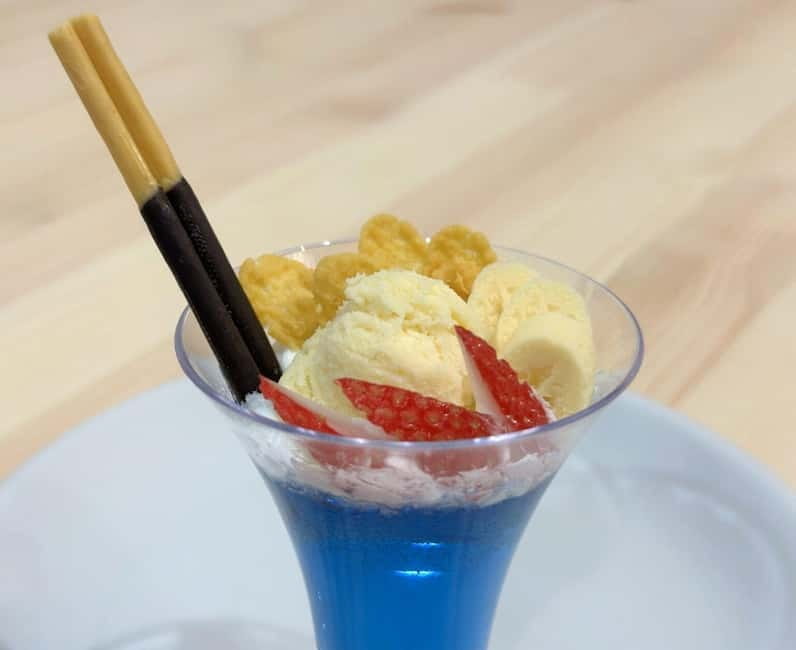
This experience is designed to move at a comfortable pace. Most people should expect roughly 90 minutes with the meal option, and about 1 hour without. That matters because it helps you plan your day in Asakusa: you can fit it between temple wandering and dinner, or treat it as a relaxed anchor activity.
The basic flow goes like this:
- Choose your dish from the available options.
- Craft the food replica with staff guidance and prepared materials.
- If you selected the dining option, eat the matching meal so you can copy the eating pose and compare visuals.
- Take your finished food sample home as a souvenir.
Because the time window is short, you won’t get stuck watching others. You’ll spend most of your visit doing the making and then enjoying the fun comparison.
Choose your favorite dish: omelette rice, spaghetti, crepe, jelly parfait
Your choice matters because each food type feels like a different craft project. You’re not picking just a flavor; you’re picking a style of making, shaping, and presentation.
Omelette rice
Omelette rice is a popular option because the final look is easy to recognize. This is also a great choice if you like the idea of adding personal details—like writing your name in ketchup on the omelet. It’s playful, and it turns your replica into a souvenir that feels more like yours.
Spaghetti with meat sauce
Spaghetti is more involved. You’ll assemble and lift noodles, and that makes it fun in a tactile, photo-ready way. The workshop includes practical instruction on how to handle the noodles and present them convincingly. If you want a craft challenge without needing advanced skills, this one often delivers.
You can also read our reviews of more tours and experiences in Tokyo
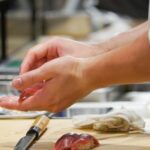


Crepe
Crepe offers a different vibe: it’s about shaping layers and getting the final presentation right. It’s a good pick if you want something that looks charming and clean for photos, without the same noodle-lift choreography.
Jelly parfait
Jelly parfait is likely your choice if you want something colorful and dessert-like. The process focuses on building the look of the parfait style, so you can personalize the final presentation in a way that feels light and creative.
Making your replica: where the real satisfaction comes from
This workshop isn’t about speed. It’s about precision with freedom. Staff provide guidance and materials, then you get creative with how your dish looks. That’s the part that turns the activity from a simple demo into a keepsake.
You’ll get practical moments where you can imitate the presentation, like arranging pieces to match the style. Then comes your signature: adding small touches that make it feel less like a generic replica and more like a custom creation. People often go for details such as:
- using ketchup to add a personal name or mark
- recreating the way food is held or presented
- designing your own shape and layout within the dish style
Even if your hands shake or you’re not “crafty,” you’re working within a guide-driven process. You’re not starting from a blank table.
The dining option: eat the matching meal and compare everything
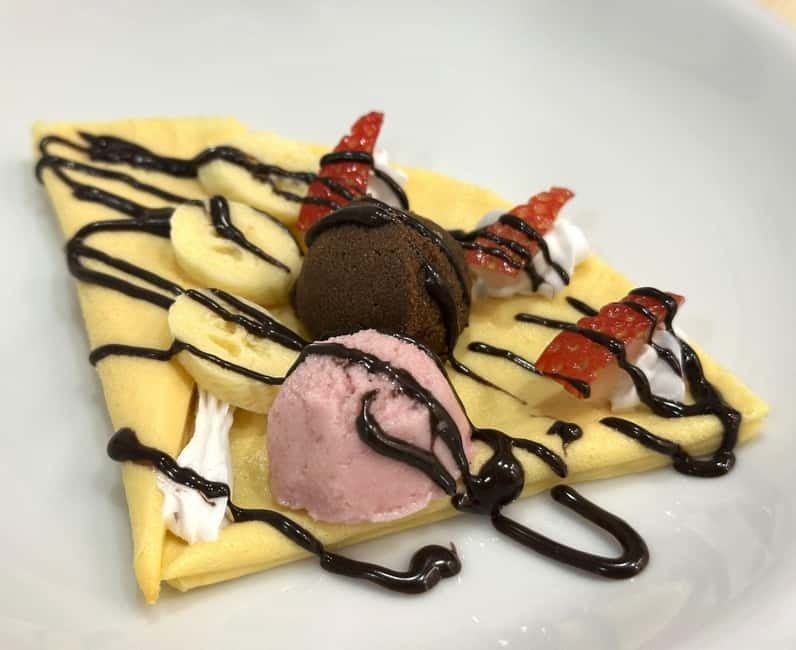
If you choose the meal add-on, you get a bonus experience layer that I really think justifies the extra time. You’ll be served a real dish that looks identical to the food sample you made. Then you can do the fun part: match your eating style to your replica.
Here’s why that’s valuable. Most souvenirs are a moment in a photo and then they’re done. This is different. You get to compare the craft and the reality in one session. You can pour ketchup in the same way, lift noodles the same way, and then take side-by-side photos that make the whole thing feel like a mini performance.
If you love food photography, this is your sweet spot. You also get a real meal out of it, which turns the workshop from purely a craft ticket into a full experience: make, eat, compare, and keep.
What you take home: a souvenir with actual work behind it
Your finished food sample isn’t just something you carry. It’s something you helped assemble, shape, and customize. That matters because it becomes a story you can tell later.
Expect to take home a handmade realistic food replica that you can display at home. It’s the kind of souvenir that looks like it belongs in a Tokyo shop, but with a personal twist—especially if you added your name or an original design.
Practical tip: pack it like you’d pack a delicate souvenir. You’ll want it secure enough for the trip back to your hotel or next stop.
Finding the place in Asakusa: the noren curtain on the main street
Meeting up is simple if you know what to look for. The entrance faces the main street, so you’re not hunting around side alleys forever.
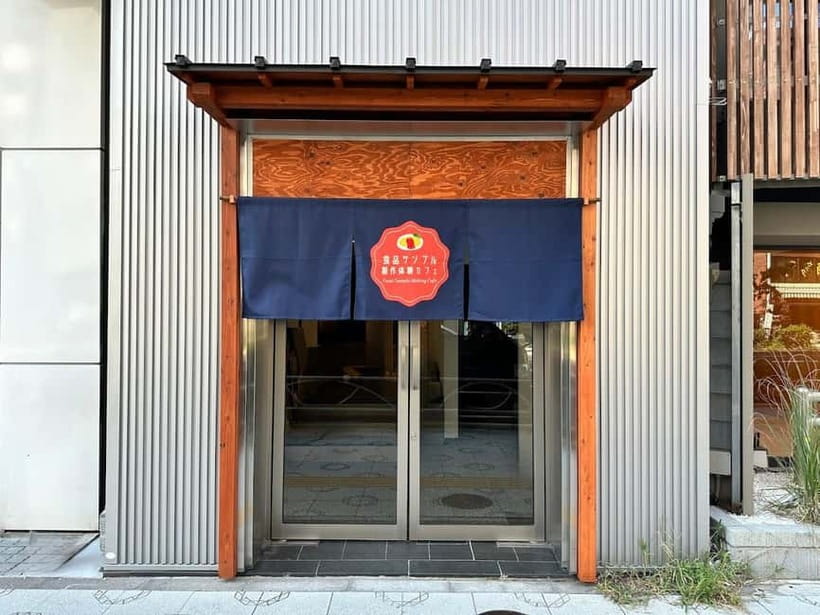
Go to the shop and look for the curtain (noren) that says Food Sample Making Cafe, then enter. If you can’t spot it right away, check the street frontage first—this activity is meant to be found by walking up and seeing the signage.
Asakusa is easy to get turned around in on foot, so treat this like a “go directly, don’t wander first” moment. Once you’re there, you’re set.
Language and instruction: English support, easy steps, and staff help
This workshop runs with instructors speaking English and Japanese. In real life, language support can vary by day, but the structure is designed for visitors who don’t speak Japanese.
One detail I’d plan around: you might find the instructor’s spoken English limited. Still, the steps are set up so you can follow along. Staff guidance plus visible materials tends to do most of the work. You won’t need to understand complicated vocabulary to succeed.
Group vibe is also part of the value. You get to work at your station while staff handle the guidance, so you’re not stuck waiting for long lectures. It’s active, not passive.
Price and value: is $39 worth it?
At $39 per person, this workshop sits in the “worth it if you’ll use it” category. Here’s the value math I’d use:
- You pay for a realistic food sample you make, not just a photo opportunity.
- You pay for materials and staff guidance, which lowers the learning curve.
- If you add dining, you also pay for a real matching meal, which turns the craft into a full experience.
If you’re the type of traveler who likes interactive activities, $39 is a reasonable trade for a souvenir that looks great and takes effort to create. If you’re only interested in watching, skip the workshop and just observe Tokyo’s food sample culture on the street.
Also, the workshop’s time is manageable. You’re not buying a half-day or full-day slot. That makes it easier to justify, because you’re not sacrificing your whole day’s plans.
Who should book this workshop, and who should skip it
This works best if you enjoy:
- food culture and Japanese visual details
- hands-on activities you can actually take home
- photo moments with a twist (make it, then eat it)
It’s also a good option if you want something different from temples and shopping, without needing high physical effort.
It’s not suitable for children under 5, so plan accordingly for younger kids. If you’re traveling with toddlers, you’ll likely need to choose another activity.
If you hate crafts or you’re short on patience for step-by-step tasks, this might feel too structured. But if you can handle assembling something from provided materials, you’ll probably have fun.
Should you book Food Sample Making Cafe in Asakusa?
I’d book this if you want a Tokyo memory you can bring home that doesn’t fade after a single photo. The combo of making your own replica plus the option to eat the matching meal is what makes it more than a novelty workshop.
You should also consider booking if you’re traveling with someone who loves food visuals, photography, or quirky Tokyo experiences. The process gives you enough freedom to be creative, and the final result looks like the real thing.
Skip it if you want mostly sightseeing with minimal involvement, or if your travel style is “sit down, then move on” with no hands-on tasks.
If you’re on the fence, the best tiebreaker is simple: ask yourself whether you want a souvenir you made or just another item you bought. This is the first kind.
FAQ
How long does the Tokyo Asakusa food sample making workshop take?
The experience is about 1 hour without the meal option, and about 1.5 hours with the meal option.
What dishes can I choose to make?
You can choose from omelette rice, spaghetti with meat sauce, crepe, or jelly parfait.
What is included in the price?
Your booking includes the food sample making experience, materials, staff guidance, and—if you choose the dining option—a real meal that matches your food sample.
Is the workshop offered in English?
Yes. Instruction is available in English and Japanese.
Where do I meet for the workshop?
Meet at the shop entrance and look for the noren curtain that says Food Sample Making Cafe. The entrance faces the main street.
Is this suitable for young children?
No. It is not suitable for children under 5 years old.
![[Seasonal Limited] Mt. Fuji 5th Station &Hot Spring Day Tour - Your day on the road: pickup, drive time, and what to expect from the guide](https://e.thetokyoexplorer.com/wp-content/uploads/seasonal-limited-mt-fuji-5th-station-hot-spring-day-tour-400x225.jpg)