Retro vending machines aren’t usually in tire shops. This private route turns Sagamihara and Machida into a fun, food-first Tokyo detour. I love the way the day mixes old-school street snack culture with a real creative workshop, then finishes with ordering help for a satisfying dinner.
Two things I’d highlight are the Showa-era vending machine corner at the Used Tire Market and the chance to make your own realistic fake food at Atelier Stella with English support. One thing to consider: this experience needs good weather, so you’ll want flexibility if plans change.
In This Review
- Key highlights you’ll actually use
- Step Into Sagamihara’s Used Tire Market Vending Maze
- Atelier Stella Fake Food Workshop: From Prop to Art
- Machida Dinner With a Guide Who Helps You Order
- Why the Private Car Format Makes This Day Easier
- Price Breakdown: What $82 Really Covers
- Who This Experience Fits Best
- Should You Book Fake It Then Taste It?
- FAQ
- How long is the tour?
- Where does the experience take place?
- Is transportation included?
- Is it suitable for children?
- What can I make in the fake food workshop?
- What’s included with dinner?
- What is included besides dinner?
- Is parking included?
Key highlights you’ll actually use
- Retro vending machines from the Showa era in a used tire market setting, with photo tips from your guide
- Ultra-realistic fake food making at Atelier Stella, with options like sushi, takoyaki, rice crackers, and the toast-shaped bread clock
- English help from a licensed guide interpreter, so you’re not guessing your way through menus or the workshop
- A guided Machida dinner where you choose your style, from izakaya and washoku to monjayaki
- A private, air-conditioned car so the route feels smooth instead of rushed
Step Into Sagamihara’s Used Tire Market Vending Maze
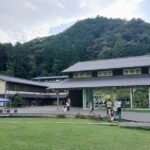
Your day starts in Sagamihara at the Used Tire Market, a place that sounds wrong on paper and perfect in real life. Think rows of retro vending machines, including ones fans specifically seek out, still operating in a space that feels like a time capsule. The vibe is playful and a little surreal, and you’ll have a guide to help you spot what’s special and set up good photos.
I like the pace here: plan on about 30–60 minutes to an hour. That’s enough time to wander slowly, zoom in on machine details, and compare what different buttons and labels do without feeling trapped in a single spot.
One practical tip: go in with curiosity, not expectations. Some machines dispense snacks or drinks you’d expect; others are rarer, and the fun comes from noticing how Japan’s vending culture evolved. Based on how the guides handle things, you’ll get context as you walk—why certain designs exist, how older machines differ, and what to watch for when you buy or try items from the machines.
It’s also an easy stop to enjoy solo. If you tend to hesitate stepping into unfamiliar local places, the guided presence makes it feel comfortable instead of awkward. You’re not just observing; you’re learning how to read the scene fast.
You can also read our reviews of more tours and experiences in Tokyo Prefecture.
Atelier Stella Fake Food Workshop: From Prop to Art
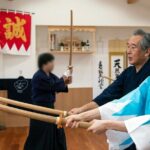
Next comes the hands-on part at Atelier Stella: food sample making, Japanese style. The whole premise is simple—Japan uses fake food displays outside restaurants—and the workshop turns that behind-the-scenes idea into something you can physically make. You’ll craft realistic replicas you’d normally see in restaurant windows, and the best part is that it’s designed for beginners.
Your session includes guided instruction in a way that works well even if you’re doing this for the first time. English support is part of the experience, and the activity is age-friendly starting at 6+. The tour also notes you can choose a 1-hour or 2-hour workshop length, and the day’s flow typically fits the longer session.
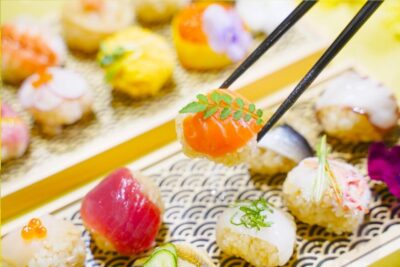
You can choose from several famous display items: sushi, takoyaki, rice crackers, and the popular toast-shaped bread clock. That toast clock is a crowd favorite for a reason—it’s recognizable, it photographs well, and it captures the quirky humor behind Japanese food displays. You’ll build your piece step by step, with an artisan guiding your hands so you don’t feel lost.
Here’s the value of doing it this way (not just watching): fake food looks easy from across the street. Up close, you start noticing how colors are balanced, how textures are made to look edible, and how the final product is meant to read instantly from a distance. You’ll leave with a souvenir that feels personal because you made the choices.
Some sessions may include extra keepsakes—people talk about small add-ons like a senbei magnet, depending on the class. Even if you choose a simpler item like takoyaki or rice crackers, you still get the core reward: a skill you can explain back home, plus a really Japan-specific object to show for it.
Machida Dinner With a Guide Who Helps You Order
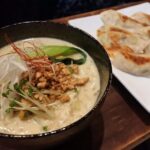
After your workshop, you finish in Machida for dinner with your guide. This is where the day stops being a quirky side quest and becomes a full, satisfying meal plan. The tour is flexible on style: you can go toward izakaya, traditional washoku, or monjayaki, based on what you prefer.
Timing here is about 1 hour 30 minutes, which is long enough for a real meal, not a rushed grab-and-go. The guide helps you choose and order, and the experience includes a dinner budget of up to 5,000 yen per person. On top of that, the tour includes a snack food-and-drink charge of 1,000 yen, so you’re not arriving hungry and empty-handed.
This guided dinner piece is more useful than it sounds. In Japan, ordering smoothly can be the difference between enjoying a meal and spending energy translating everything at speed. With a guide interpreting, you get to focus on taste, not logistics.
Also, monjayaki is a great option if you want something more interactive. If you’d rather slow down with washoku or settle into an izakaya vibe, you can. You’re not locked into one single restaurant type, which makes the meal feel tailored instead of generic.
Why the Private Car Format Makes This Day Easier
This tour is private, so you’ll ride in an air-conditioned vehicle with pickup offered. That matters because the route is a bit off the usual central Tokyo grid. You’re moving between distinct stops—Sagamihara for retro machines, then Machida for dinner—so the car reduces friction and keeps the day feeling relaxed.
It’s also only your group in the vehicle, which helps if you’re traveling with family, friends, or just yourself. You won’t feel like you’re waiting on a big crowd to finish a photo or ask a question.
A nice detail: it’s near public transportation, so even if you’re comfortable moving around on your own, you won’t feel stranded if plans shift. Most people can participate, and the structure is straightforward: a vending machine walk, a workshop session, then dinner with ordering help.
One more thing to note: confirmation happens within 48 hours of booking (when availability allows). If you’re planning tightly, that buffer is helpful. The experience also uses a mobile ticket, which keeps things simple on the day.
Price Breakdown: What $82 Really Covers
At $82.03 per person for about a 5-hour day, the real question is what you get for the money. This is not just a sightseeing drive. You’re paying for transportation, a licensed guide interpreter, and the core workshop experience.
Here’s what’s clearly included:
- Food sample making experience fee
- A national government licensed guide interpreter
- Snacks with a 1,000 yen food and drink charge
- Dinner in Machida with up to 5,000 yen per person included
- Admission ticket free for the Used Tire Market stop
- Air-conditioned vehicle with a private group
Parking fees aren’t included, so if you’re driving yourself to anything, plan on handling that. But for a guided private route, parking is usually the least important cost compared to the meal and workshop.
When you total it up, the dinner budget alone is a meaningful chunk of the price. Add the fake food workshop, plus a guide who can translate and help you order without stress, and the value starts to look sensible—not cheap, but fair for a very hands-on, structured experience.
Who This Experience Fits Best
This tour is ideal if you enjoy Japanese food culture in a way that goes beyond just eating. It’s for people who like small, strange, specific places—the kind that don’t show up as generic “must-sees.” The vending machine start feels like an orientation into Japan’s everyday design, then the workshop turns that design knowledge into a personal souvenir.
It’s also a strong pick for families. The workshop is listed as suitable for kids age 6+, and the guidance is meant to work for beginners. If your kids can sit through a craft activity, they’ll probably love choosing their items and seeing their final fake food take shape.
Solo travelers should feel okay here too. A theme in the experience style is that the guide helps you step into places that might feel unfamiliar at first. You’re not walking in cold; you’re going with someone who knows how to explain what you’re seeing.
If you only want quiet sightseeing and don’t care about hands-on making, this might feel like more work than you want. But if you like doing things with your hands and ending with a good meal you didn’t have to decode alone, it’s a great match.
Should You Book Fake It Then Taste It?
Book it if you want a Tokyo-area day with real participation: retro vending machines, a fake food workshop souvenir, and a guided Machida dinner where ordering doesn’t become a chore. The private car format also makes the day feel smoother than stitching together separate stops on your own.
Skip it only if you hate crafts or you’re traveling during a period where you can’t risk a weather change. Since the experience requires good weather, you’ll want backup flexibility.
If your ideal Japan day includes quirky details, a little guided creativity, and food you can actually enjoy without translation headaches, this is the kind of tour that turns into a story you’ll still be telling later.
FAQ
How long is the tour?
The tour runs for about 5 hours.
Where does the experience take place?
It takes place in the Tokyo Prefecture area, with stops in Sagamihara and Machida.
Is transportation included?
Yes. You’ll travel in an air-conditioned vehicle, and pickup is offered. It’s a private tour, so only your group is in the car.
Is it suitable for children?
Yes. The food sample making experience is listed as suitable for kids age 6+.
What can I make in the fake food workshop?
You can choose items such as sushi, takoyaki, rice crackers, or the popular toast-shaped bread clock.
What’s included with dinner?
A Machida dinner is included, with a maximum of 5,000 yen per person included in the tour fee. Your guide helps you choose and order.
What is included besides dinner?
The tour includes the licensed guide interpreter, the food sample making experience fee, and a 1,000 yen food and drink charge. Admission to the first stop is free.
Is parking included?
No. Parking fees are not included.