REVIEW · TOKYO
Tokyo: Mount Fuji Day Trip with Scenic & Local Stops
Book on GetYourGuide →Operated by Clover Travel Co., Ltd. · Bookable on GetYourGuide
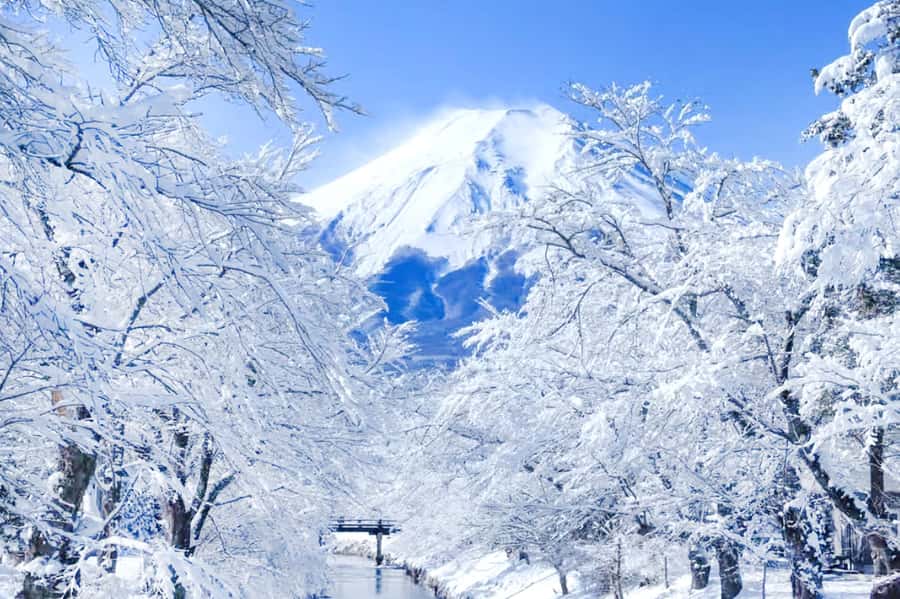
Mount Fuji looks good in every direction, but this day trip is built for photos. You’ll hit six iconic viewpoints with a bilingual guide who shares cultural context and practical composition tips. The pace is fast, and like all Fuji trips, the mountain can hide behind clouds or weather.
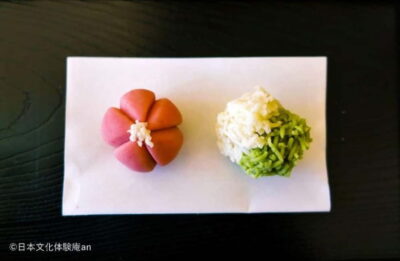
I like that the day feels organized without turning into a shopping mission. You get round-trip transport from Tokyo, a set of well-chosen stops (from hilltop parks to Fuji lakes), and even an included Fuji spring mochi snack to keep energy up between viewpoints. It’s also reported to run about 10 hours total, so it’s long enough to matter, not a vague half-day.
One thing to consider before you book: this isn’t for everyone. It’s not suitable for pregnant women, wheelchair users, people with mobility impairments, or anyone over 70, and some parts involve mountain paths—so you’ll want non-slip shoes and patience for crowds.
In This Review
- Quick take: what you’ll remember most
- Why this Mount Fuji day trip is such good value at $44
- Getting from Tokyo without turning the day into a logistics project
- Niikurayama Asama Park: where Fuji becomes a postcard
- Hikawa Clock Shop: the retro facade + the classic Fuji shot
- Oshino Hakkai: traditional village, clear spring ponds, koi nearby
- Lake Kawaguchi: the most photogenic Fuji lake stop
- Fuji Lawson Store: quick photo ops that feel very Japan
- Lake Yamanaka: swans, calm water, and an easy ending
- Photo tips that make this day trip actually pay off
- What the included snack and guide coaching really do for you
- Who this tour suits best
- Quick logistics to plan around (without the stress)
- Should you book this Mount Fuji day trip?
- FAQ
- How much does this Tokyo to Mount Fuji day trip cost?
- What’s included in the tour price?
- Are meals included?
- What language options do you get on this tour?
- Do I need a telephoto lens?
- Is the tour suitable for people with mobility issues?
- Is swan feeding included, and is it family-friendly?
- Is smoking or food allowed in the vehicle?
- Is personal travel or accident insurance included?
- What’s the cancellation policy?
Quick take: what you’ll remember most
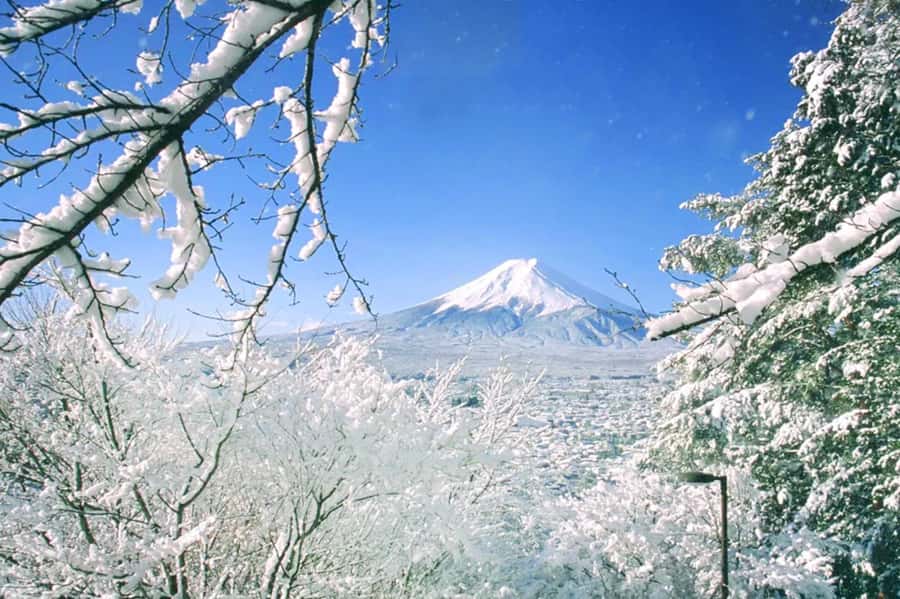
- Hilltop views at Niikurayama Asama Park with seasonal backdrops and photo coaching
- Hikawa Clock Shop for the classic retro facade framing Mount Fuji
- Oshino Hakkai for clear spring water and koi-filled ponds in a traditional village setting
- Lake Kawaguchi + Lake Yamanaka for Fuji reflections and a peaceful swan-feeding moment
- Bilingual photo help in English-Chinese, plus composition tricks at key stops
- A structured day with no mandatory shopping stops or forced extras
Why this Mount Fuji day trip is such good value at $44
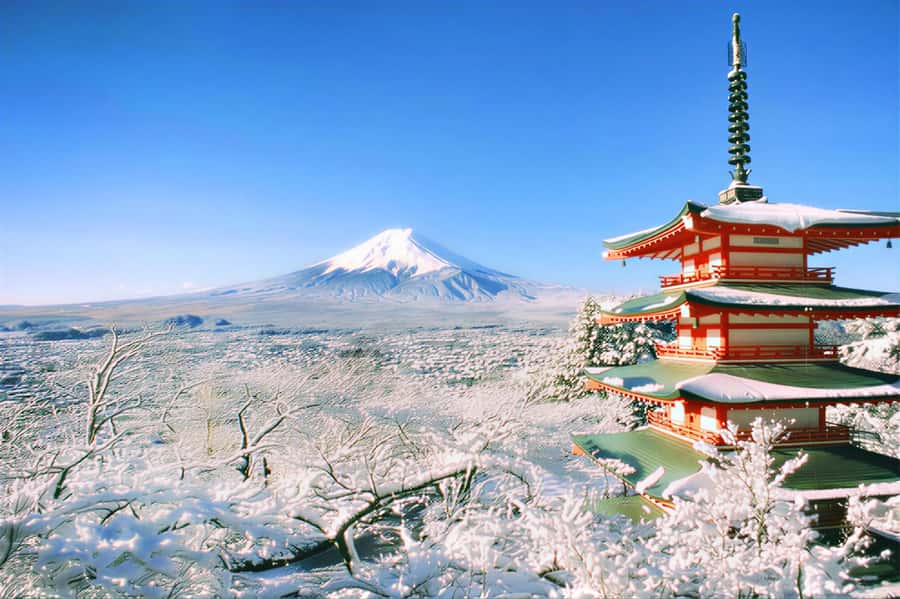
At $44 per person, this tour is basically paying for three big things you usually spend time and money figuring out on your own: getting out of Tokyo, hitting multiple Fuji photo stops in one go, and having someone help you take better pictures. You’re not just being transported—you’re being guided through where to stand, how to frame shots, and what to pay attention to.
The included items help too. You get round-trip transport from Tokyo and a Fuji spring mochi snack, which sounds small until you realize how often you’ll be moving between viewpoints without a built-in meal plan. And because the day is planned around photography, the stops are timed for visibility and angles rather than random checkboxes.
This is also a value play if you’re traveling light. The tour asks you to bring cash, a camera, and comfy shoes, and it keeps the day focused on the Fuji areas rather than adding extra activities.
You can also read our reviews of more tours and experiences in Tokyo



Getting from Tokyo without turning the day into a logistics project
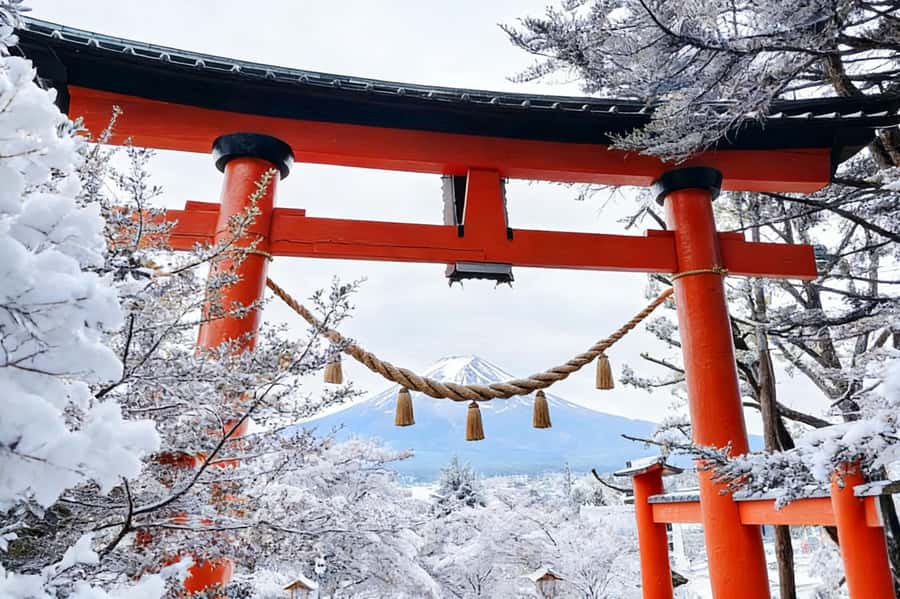
You’ll meet your guide at a meeting point that may vary depending on the option booked, then you’ll return back to the same meeting point at the end. Expect a full-day run—one review cited about a 10-hour trip total—so plan your energy like it’s a real day out, not a quick outing.
A practical detail: the driver may double as the guide. That can mean limited English commentary while the bus is moving, and you’ll get more narration when you’re stopped. The upside is that small-group days can feel flexible, and the guide can adjust timing when roads are busy.
Speaking of timing: weekends and holidays can mean delays or early closures, and the itinerary can shift based on crowd levels and weather. The tour is built for adjustment—if facilities close due to weather, time may be moved to other spots.
Niikurayama Asama Park: where Fuji becomes a postcard
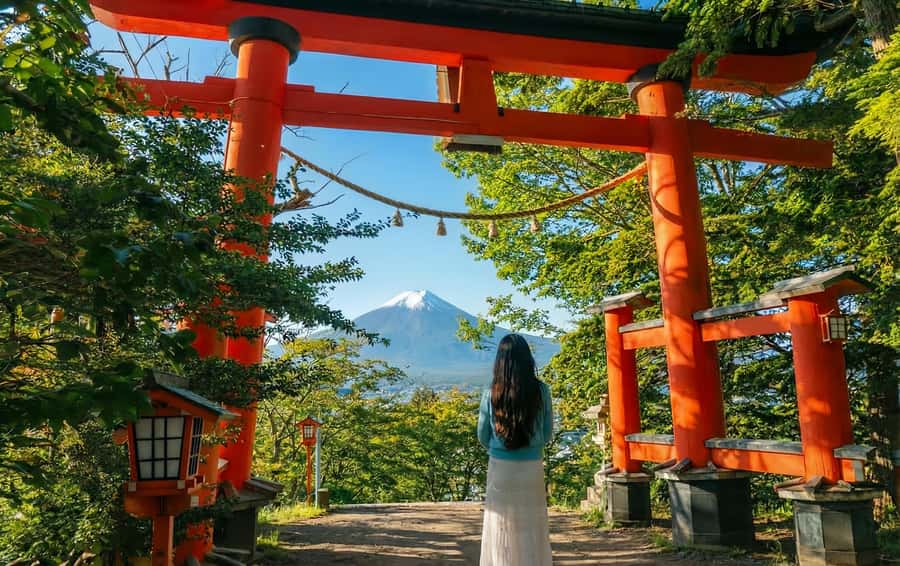
Niikurayama Asama Park is the first real Fuji moment of the day. You’ll head to a hilltop observatory where you can take in panoramic views of snow-capped Mount Fuji when conditions are clear. This is where telephoto zooms start to earn their keep.
If you’re serious about photos, this is a stop you’ll want to treat like a mini photo lesson. The guide provides composition tips designed for the way Fuji photographs work—how to control framing, where the mountain sits in your view, and how to use seasonal elements as a foreground or backdrop. Expect seasonal variation: cherry blossoms in spring, and autumn foliage in fall.
Practical notes:
- Non-slip shoes matter here. Mountain paths can be slippery.
- A telephoto lens is specifically recommended for this stop.
- Bring a camera and cash so you can handle the small extras that pop up around viewpoints.
Hikawa Clock Shop: the retro facade + the classic Fuji shot
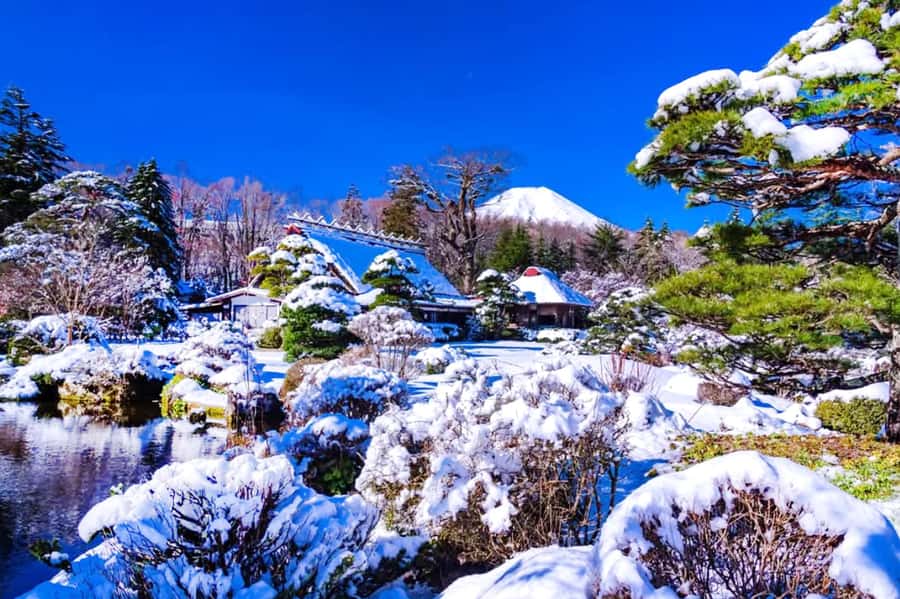
Next up is Hikawa Clock Shop, famous for that Instagram-friendly retro streetscape. The big photo payoff is the classic composition: a clock-tower-style facade framing Mount Fuji in the background.
This stop is fun because it’s not just scenery—you’ll get a hands-on tutorial for the shot. That matters. Fuji photography often fails because people focus on the mountain but miss the foreground structure that makes the photo feel intentional. Here, the guide helps you line up the elements so the photo looks like it was planned, even if it’s your first time doing it.
Expect it to be popular. This is the kind of place that draws photographers from everywhere, so arrive ready to work the angle quickly. If the weather cooperates, this is one of the day’s most visually distinctive stops.
Oshino Hakkai: traditional village, clear spring ponds, koi nearby
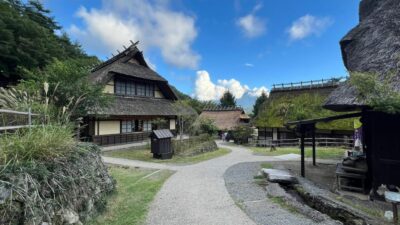
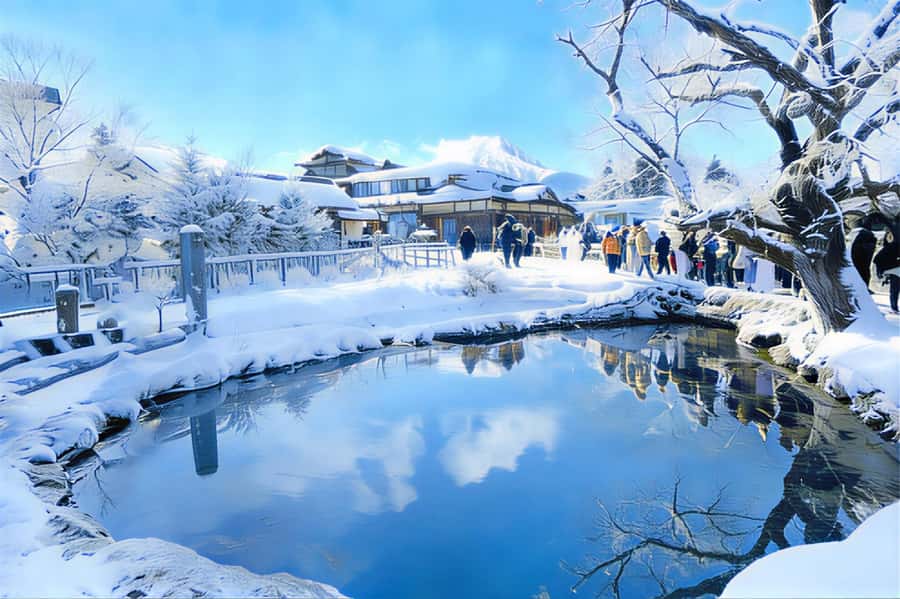
Oshino Hakkai is a UNESCO-listed area known for natural springs and crystal-clear water. It’s a change of pace from the higher viewpoints because you slow down and look at water, stones, and village details instead of chasing the biggest skyline angle.
You’ll stroll a traditional setting where springs feed koi-filled ponds. It’s a great spot to reset after the photo-heavy points earlier in the day. Instead of focusing only on Fuji, you can capture reflections, the texture of the area, and small moments that feel more local than postcard.
Photo tip for this stop: don’t only aim for Fuji. If you keep your camera low and focus on the water and surrounding village details, you’ll come home with more variety.



Lake Kawaguchi: the most photogenic Fuji lake stop
Lake Kawaguchi is widely treated as one of the most photogenic places around Fuji’s five lakes, and this tour leans into that. On clear days, you’ll get the best chance at mirror-like reflections—when Fuji shows up straight across the water.
The guide also supports more dynamic shots with an optional seasonal element. The key idea is simple: if conditions are right, you can move beyond the safe reflection photo and try angles that add energy.
This is also a good reality check stop. Mount Fuji visibility can vary fast. If it’s cloudy, you may still catch partial views depending on the break in clouds and where you’re standing, so it’s worth staying patient and using the guide’s positioning advice.
Fuji Lawson Store: quick photo ops that feel very Japan
Then you’ll stop at a Fuji Lawson Store—blue-white branding with a Fuji backdrop that makes for easy, recognizable photos. This is the kind of practical, small stop that works well when your day already includes big nature moments. You get a break from walking uphill, and you also get a mini taste of how Fuji culture shows up in everyday places.
There’s also a guide-recommended list of Fuji-limited snacks. The tour doesn’t include meals, so this is one of the better chances to pick up something you can snack on (just note the rule: no eating in the vehicle).
Even if you don’t buy snacks, the photo backdrop is quick. Think of this stop as a palate cleanser for your camera roll.
Lake Yamanaka: swans, calm water, and an easy ending
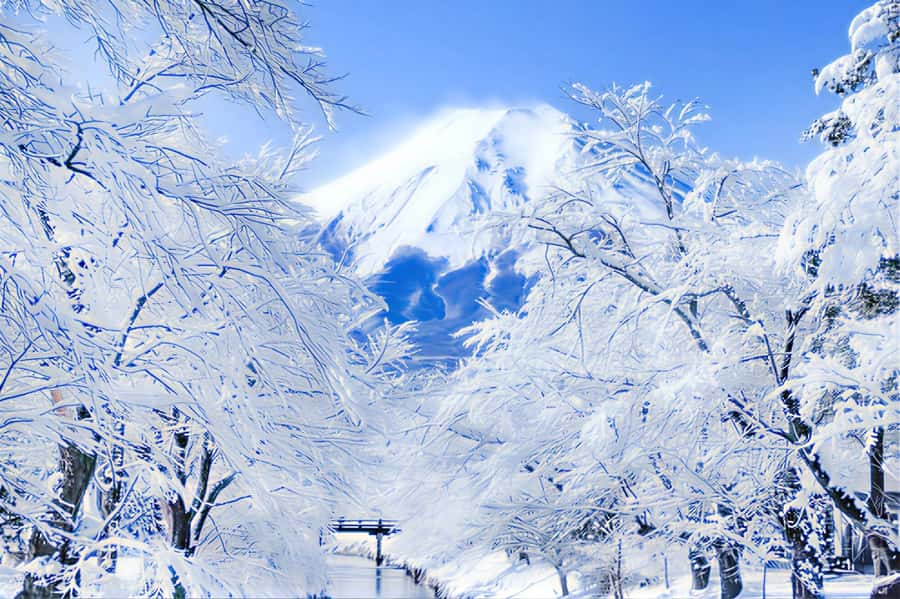
Lake Yamanaka is where the tour softens. You’ll arrive for a peaceful interaction with swans against a Fuji backdrop, which sounds like a simple moment—and it is—but it’s also a nice contrast to the busier photo corners earlier.
Swan feeding is suitable for all ages per the tour notes, so it’s a great family-friendly ending if you’re traveling with kids. You’ll still be in a Fuji area, but the mood is less about chasing the perfect angle and more about slowing down long enough to enjoy the moment.
Photo tips that make this day trip actually pay off
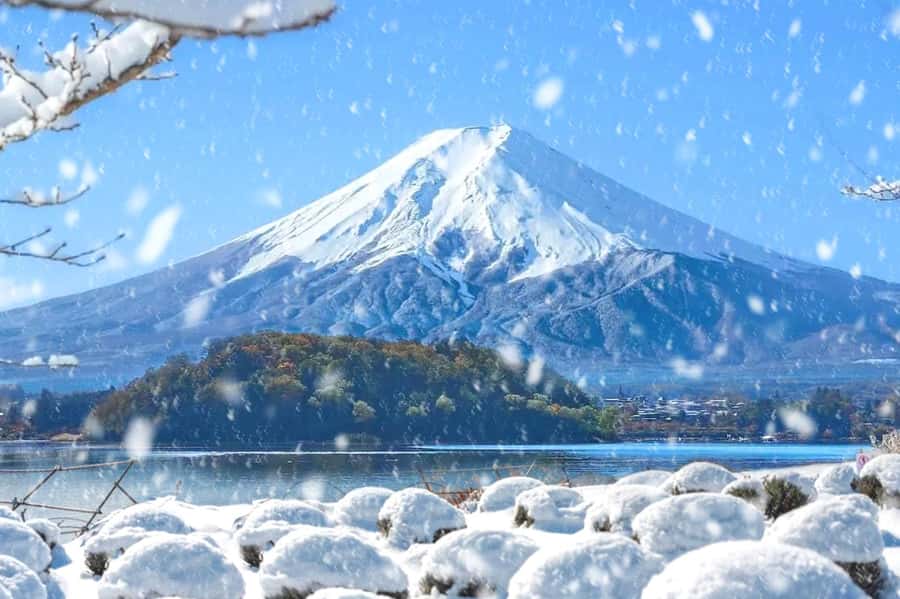
This tour is designed for photography, and you’ll get guidance at key points. What I found most useful to aim for is the combination of structured locations and human help on framing.
Here are the photo wins I’d plan around:
- Telephoto at Niikurayama Asama Park: Fuji often looks better with compression from a distance, not just wide shots.
- Use the foreground on purpose at Hikawa Clock Shop: the facade is part of the story, not just a background.
- Low angles at Oshino Hakkai: water reflections and pond detail can give you shots that work even when Fuji is faint.
- Be patient at Lake Kawaguchi: reflections depend on conditions. If it’s cloudy, shift your focus to partial views and the lake texture.
- Quick, repeatable shots at the Lawson Store: it’s a simple backdrop. Don’t overthink it.
One more practical point: the tour notes mention non-slip shoes and that some routes involve walking on paths. Comfortable footwear isn’t optional here—it’s how you keep your energy for photos instead of nursing sore feet.
What the included snack and guide coaching really do for you
A day trip like this can feel either inspiring or exhausting depending on how it’s managed. The included Fuji spring mochi snack seems small, but it fits the rhythm: you’ll likely want a break at some point, and having one planned snack helps you avoid the all-day energy dip.
The bilingual guide part is the bigger deal. The tour is English-Chinese, and multiple guides are reported as friendly, considerate, and great with cultural context. Names that show up include Yulina and Yuan, along with Will and Tim in guide feedback. Even when the commentary is limited while driving, the stops are where the value lands—because that’s when you can ask questions, get composition tips, and understand what you’re seeing.
Who this tour suits best
This is a strong match if you want:
- A photo-focused Fuji day without having to map out multiple transit connections
- A guide-led approach with composition tricks rather than solo trial and error
- A mix of big views and more traditional, local-feeling spots (clock shop, springs, lakes)
It’s less suitable if you:
- Need wheelchair access or have mobility limits (not recommended for wheelchair users and mobility impairments)
- Are pregnant (not suitable)
- Are older than the upper limit listed (not suitable for people over 70)
If you’re traveling solo, this can also work well because the day has clear structure. If you’re traveling as a couple or with family, the swan feeding at Lake Yamanaka adds a calmer, shared moment.
Quick logistics to plan around (without the stress)
A few rules matter for comfort:
- No smoking in the vehicle
- No food in the vehicle
- Bring comfortable shoes, your camera, and cash
- Luggage is allowed but you should inform the operator in advance because extra fees may apply
Weather and traffic are real factors. The tour may shift timing if facilities close due to weather, and weekend crowds can lead to delays or shortened stays. Force majeure disruptions aren’t refunded, so treat this as a day that’s managed well, not a guaranteed “see Fuji no matter what” promise.
Should you book this Mount Fuji day trip?
Yes, I think you should book it if you want a guided, photo-first Fuji day that’s good value and doesn’t drown you in extra stops. The best reason is simple: you’re paying to hit multiple iconic Fuji areas with coaching, transport, and a tight schedule that still includes quiet time at Lake Yamanaka.
You might pause before booking if:
- You know you need a slower pace or lots of accessibility support
- You’re very sensitive to long days, standing, or uneven paths
- You’re counting on a crystal-clear view as a non-negotiable
If your top goal is postcard Fuji shots plus a few genuinely local touches, this tour fits the bill.
FAQ
How much does this Tokyo to Mount Fuji day trip cost?
It’s listed at $44 per person.
What’s included in the tour price?
You get a bilingual English-Chinese guide, round-trip transport from Tokyo, and a Fuji spring mochi snack.
Are meals included?
No. Meals are not included.
What language options do you get on this tour?
The guide is listed as bilingual in Chinese and English.
Do I need a telephoto lens?
A telephoto lens is specifically recommended for Niikurayama Asama Park, where you’ll be capturing Fuji from a hilltop observatory.
Is the tour suitable for people with mobility issues?
No. The tour is not suitable for people with mobility impairments, wheelchair users, and people over 70.
Is swan feeding included, and is it family-friendly?
Yes, swan feeding is part of the Lake Yamanaka stop, and it’s noted as suitable for all ages.
Is smoking or food allowed in the vehicle?
No. Smoking is not allowed in the vehicle, and food is not allowed in the vehicle.
Is personal travel or accident insurance included?
No. Personal travel or accident insurance is not included, and you should purchase it on your own if needed.
What’s the cancellation policy?
You can cancel up to 24 hours in advance for a full refund.