REVIEW · TOKYO
Tokyo Made Easy | Private Chauffeur Day Adventure | Car and Guide
Book on Viator →Operated by JapanAventures · Bookable on Viator
Tokyo is a lot. This tour turns that chaos into a plan. You get a private chauffeur with a day built around big sights, not transit puzzles. I like that it mixes classic Tokyo (temples, palace grounds) with modern Tokyo (Akihabara, Odaiba, Shibuya Crossing) without making you sprint between train lines. Another plus is the flexibility—from one family-style booking I saw, the guide adjusted the pace and kept everyone comfortable. The main consideration: it’s a long day (about 9–10 hours) with many stops, so if you hate rushing, you’ll want to lean into the highlights rather than expecting time to wander for hours.
You also get the practical comforts that matter in a city like Tokyo: pickup is offered, and you’ll have a mobile ticket for smoother check-in. This is priced per group (up to 7), so it can feel reasonable when you’re traveling with friends or family—less so if you’re paying for a small group and want tons of downtime.
In short, this is a high-hit, low-stress Tokyo sampler—best when you want a driver and guide to handle the flow of the day, and you just focus on seeing.
In This Review
- Key things I’d actually plan around
- How the private chauffeur day works in real life
- Tsukiji Fish Market: morning energy without the headache
- Sensō-ji in Asakusa: Tokyo’s classic temple feel
- Tokyo Station: the red-brick landmark and modern hub in one stop
- Akihabara: electronics and otaku culture, timed right
- East Gardens of the Imperial Palace: a calm break in the middle
- Odaiba: futuristic Tokyo Bay views in about an hour
- Harajuku Station area: youth fashion energy, with a short window
- Meiji Jingu Shrine: Shinto serenity when the city noise turns down
- Tokyo Tower: the classic silhouette, with the ticket on you
- Tokyo Metropolitan Government Building: free panoramic views in Shinjuku
- Shibuya Crossing: end your day with Tokyo’s most famous pedestrian moment
- Price and value: what $349 per group really buys you
- Who this works best for (and who may want a different style)
- A real-world feel: the guide matters more than you think
- Should you book this Tokyo chauffeur day?
- FAQ
- How many people are in a group for this tour?
- How long is the private chauffeur day adventure?
- Is pickup offered?
- Is the mobile ticket included?
- Which stops are included?
- Are entry tickets included?
- Can I cancel and get a refund?
- Can a childseat or service animal be accommodated?
Key things I’d actually plan around
- Private chauffeur for a full sightseeing circuit so you’re not fighting trains and transfers all day
- Free-entry stops most of the time, with only Tokyo Tower’s ticket called out as not included
- A well-paced mix: Tsukiji morning energy, temples and shrine calm, then shopping districts and skyline moments
- Time limits that keep you moving (often 30–60 minutes per stop), which helps when you have limited days
- Guide-style support that feels personal, highlighted in bookings mentioning Daniel’s fun, punctual service
How the private chauffeur day works in real life
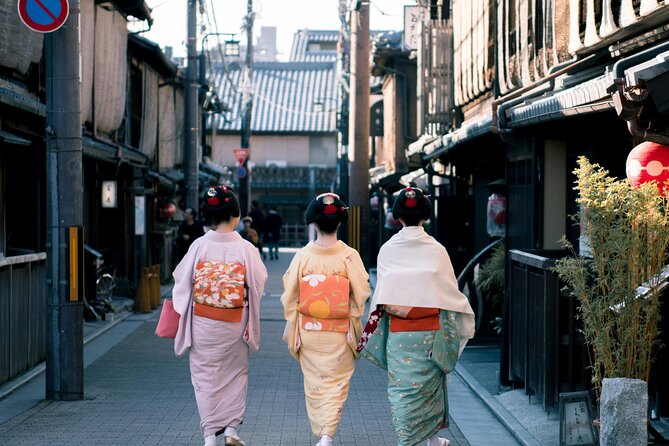
Think of this as getting a Tokyo “day plan” that travels with you. Instead of mapping routes, you’re watching the city outside the window while your driver and guide manage the order of sights. Because it’s a private experience for only your group, you’re not squeezed into the pace of strangers.
The itinerary also makes sense if you’re trying to cover a lot of Tokyo in one go. You start with iconic food culture at Tsukiji, swing into religious landmarks around Asakusa and Harajuku/Meiji Jingu areas, then hit tech-and-fashion zones (Akihabara, Harajuku) and end with skyline views and the famous Shibuya Crossing.
One practical detail: you’ll likely spend time riding between neighborhoods. A car helps a ton versus public transit, but you still shouldn’t schedule another big activity the same day unless your body is ready for a marathon.
You can also read our reviews of more guided tours in Tokyo
Tsukiji Fish Market: morning energy without the headache
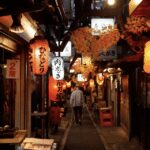
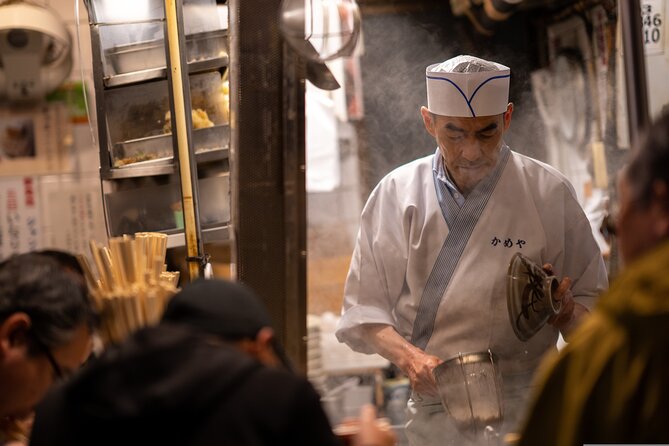
Tsukiji Fish Market is one of those Tokyo stops that people line up for—because it’s world-famous as a wholesale seafood hub and a centerpiece of Japanese food culture. It opened in 1935 on reclaimed land in central Tokyo, grew into the world’s largest wholesale seafood market, and became a global icon.
In this day, you get about 45 minutes. That’s not forever, but it’s plenty to see the area’s vibe and get photos and impressions without turning the market into your full day. The nice part is that the admission is free for this stop, so you’re not paying extra just to get your bearings.
If you’re the type who likes to linger, keep your expectations realistic: 45 minutes here means “high-impact visit,” not “deep investigation.”
Sensō-ji in Asakusa: Tokyo’s classic temple feel
After the market buzz, the day shifts to Sensō-ji in Asakusa. This is Tokyo’s oldest and most significant Buddhist temple, and the legend tied to it includes an origin in 645 AD connected to a golden statue of Kannon (the bodhisattva of compassion). Admission here is also free, and you’ll have about 1 hour.
An hour is a good match for Sensō-ji because you can do the core experience—walk through the area, take in the temple atmosphere, and still have time to breathe before moving on. With a private car and guide, you’re less likely to lose time because you can’t figure out which direction leads where.
The only drawback? This is a temple people come to for a long visit, so if you want serious quiet time, you’ll need to move a little slower and treat your 1 hour as your personal pace window.
Tokyo Station: the red-brick landmark and modern hub in one stop
Tokyo Station is a major railway hub in the Marunouchi business district, known for its historic red-brick facade and the modern Yaesu entrance. It opened in 1914, and it’s the kind of landmark that instantly makes Tokyo feel like Tokyo.
Your stop includes Tokyo Station, but the exact time isn’t specified in the details I was given. Still, I like including it on a day like this because it’s a quick, high-recognition photo moment and a great reminder that Tokyo’s history and modern transit live in the same place.
If you’re a train-nerd or just love architecture, you’ll enjoy this as a palate cleanser between neighborhoods.
Akihabara: electronics and otaku culture, timed right
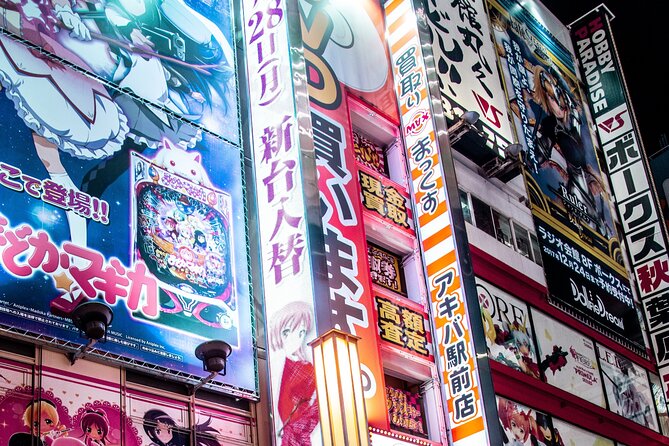
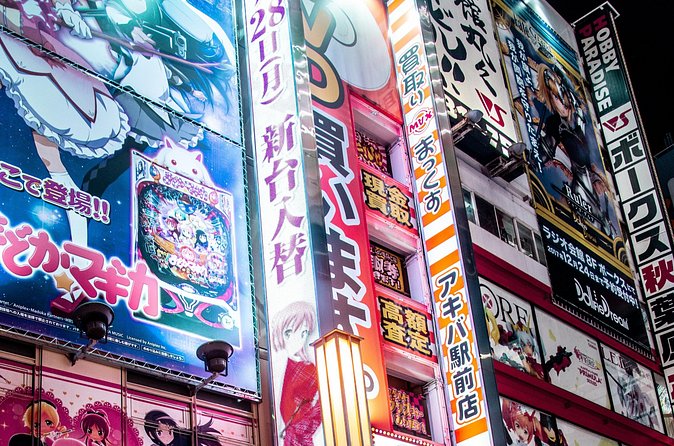
Akihabara—also called Akiba—is famous as the epicenter of Japan’s otaku culture and a shopping destination for electronics. It’s the kind of place where you can burn time fast, so having about 1 hour keeps the day moving while still giving you room to poke around.
Admission is free for the stop itself, so you’re free to shop (or just browse) without feeling like entry fees are driving the schedule.
The tradeoff is the usual one with Tokyo shopping districts: 1 hour can feel short once you find something you actually want to check out. If shopping is your priority, go in with a short wishlist so you can hit the spots that matter most.
You can also read our reviews of more private tours in Tokyo


East Gardens of the Imperial Palace: a calm break in the middle
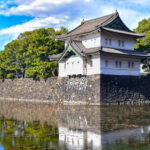
After the bright energy of Akihabara, you shift to quiet grounds. The East Gardens of the Imperial Palace are on the site of the former Edo Castle, which was the seat of the Tokugawa shogun ruling from 1603 to 1867. This is public park space within the inner palace area, and it’s a great mid-day reset.
You get about 45 minutes, and admission is free. I like this stop for two reasons: it adds a change of pace, and it helps balance the more crowded commercial districts earlier.
If you’re someone who loves green space and walking, you’ll appreciate the break. If you’re short on patience for “sit and stroll” moments, treat it like a “signature view + photos + move on” stop so you don’t feel stuck.
Odaiba: futuristic Tokyo Bay views in about an hour
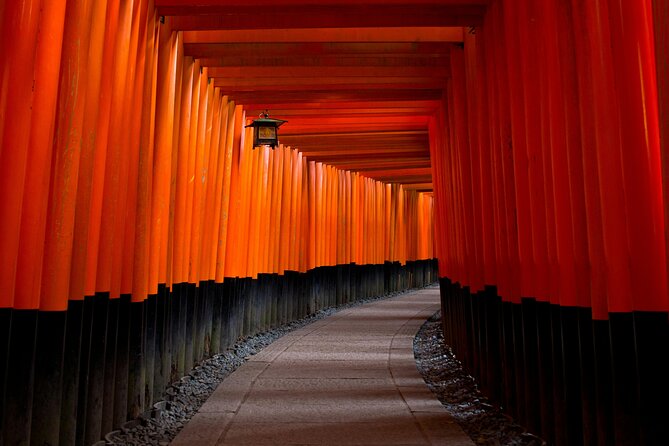
Odaiba is an artificial island in Tokyo Bay with a futuristic entertainment and shopping vibe. It started as defensive fortification work in the 1850s and was redeveloped in the 1990s. In the day plan, you get about 1 hour, and admission is free.
This is one of the parts that land well with first-time visitors because it feels different from central Tokyo. One booking specifically highlighted great views of the Rainbow Bridge and a replica of the Statue of Liberty during the Odaiba time.
That’s a good clue for what you should expect: lots of “look at that” sightseeing, good photo angles, and a change in scenery. If you’re hoping for a long, leisurely museum visit, this stop may feel too short. But for an overview and a few standout views, it fits perfectly.
Harajuku Station area: youth fashion energy, with a short window
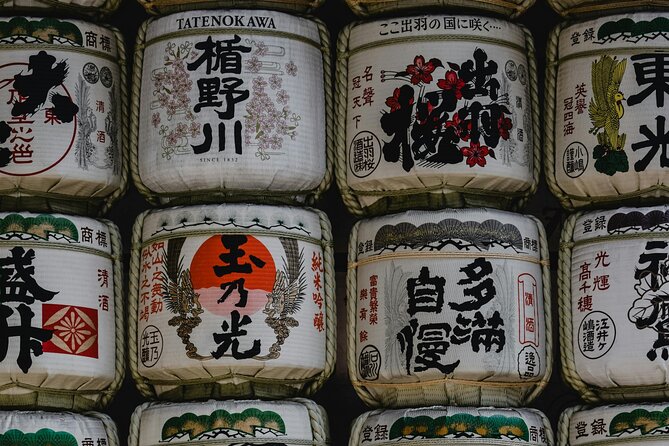
Harajuku—centered around Harajuku Station in Shibuya—is globally known for extreme fashion and youth culture, and it’s associated with kawaii (cute) culture. In this plan, you get about 45 minutes, with admission free.
I like Harajuku in short doses because it’s visually intense. Your eyes don’t know where to land first, and having a limited time helps you avoid wandering for too long in one pocket of the neighborhood.
If fashion and street style are your thing, use your 45 minutes to do a quick loop: observe, photograph if you like, and find one or two places that match your taste. Don’t plan to do every store.
Meiji Jingu Shrine: Shinto serenity when the city noise turns down
Meiji Jingu is a major Shinto shrine in Shibuya dedicated to the deified spirits of Emperor Meiji and Empress Shoken. It was established in 1920 to commemorate their role in what’s referred to as the Meiji Restoration.
You’ll get about 45 minutes here, also free. This makes the day feel balanced: you’ve done food culture, temples, shopping districts, and then you get a shrine area that’s calmer by nature.
If you want a little mental reset, this stop is a strong choice. The time limit is still real, though—so don’t count on a slow, hours-long spiritual visit. Use it for a meaningful walk and a few moments of quiet.
Tokyo Tower: the classic silhouette, with the ticket on you
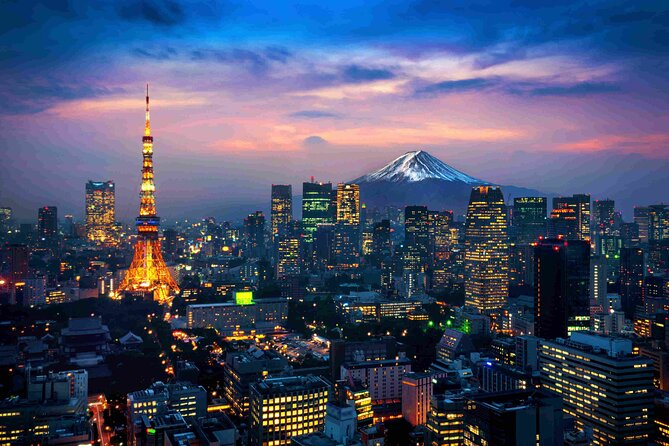
Tokyo Tower is a 333-meter red-and-white steel lattice landmark completed in 1958, modeled after the Eiffel Tower. It serves as a broadcast antenna too, so it’s both symbol and infrastructure.
In the plan, you get about 30 minutes, and the observation ticket is not included. That means you’ll want to decide in advance whether the paid climb/view is worth it for you.
For many people, 30 minutes is enough for a quick tower moment—either from outside or if you choose to pay for the observation. But if you dislike buying tickets at the last minute, you might treat this as a photo stop only.
Tokyo Metropolitan Government Building: free panoramic views in Shinjuku
If you want a skyline view without adding cost, the Tokyo Metropolitan Government Building observation decks are a smart move. Admission is free, and the decks are at 202 meters (663 feet). You’ll have about 45 minutes.
I like this stop because it gives you a big “Tokyo from above” feeling while keeping the day’s budget predictable. Plus, Shinjuku is a great place to end your sightseeing loop because the city is visibly all around you.
Given the time, you’re not doing a long observation-deck hangout. You’re getting the view, taking photos, and moving on.
Shibuya Crossing: end your day with Tokyo’s most famous pedestrian moment
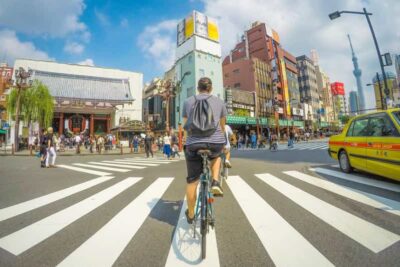
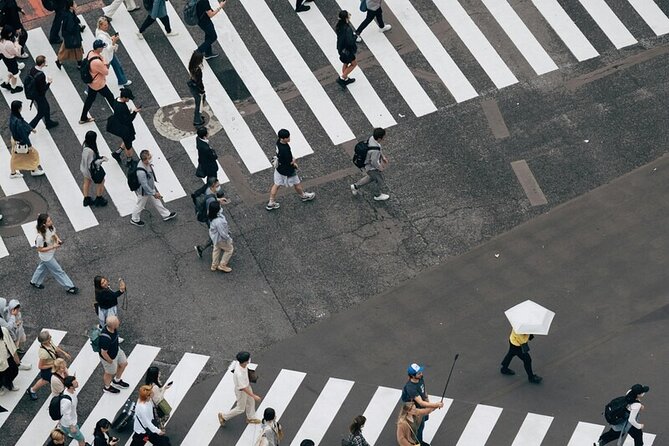
Shibuya Crossing sits outside Shibuya Station and is known as the world’s busiest pedestrian crossing. Peak times can include as many as 2,500 to 3,000 people.
In the schedule, you get about 30 minutes, and admission is free. This is a perfect last stop because it’s pure Tokyo energy—chaotic in a controlled way, loud in visuals, and instantly recognizable.
Practical note: this kind of crowd scene can be overwhelming if you don’t love dense people spaces. With a private guide, you have an easier path to choose where you stand and when you move away.
Price and value: what $349 per group really buys you
This experience costs $349 per group (up to 7) for about 9–10 hours. That pricing structure is the key to whether this feels like a deal.
If you’re traveling as a pair, the price per person is higher—so you should ask yourself: do you want a car and guide enough to justify skipping public transit stress? For many couples and families, the answer is yes because you’re paying for time savings and comfort.
If you’re splitting among 4–7 people, the value improves fast. You’re getting a full-day driver and guide for a circuit of major Tokyo landmarks, plus a structure that reduces planning. You also get mobile ticket convenience and pickup offered, which can matter a lot when you’re dealing with changing train lines and finding meeting points.
Also keep in mind: Tokyo Tower’s observation ticket is not included. The rest of the listed stops are marked free, so the extra cost might only be one decision, not ten.
Who this works best for (and who may want a different style)
This is a strong fit if you:
- want to cover a lot of Tokyo in one day without navigating trains
- travel with kids (a childseat can be provided on request)
- want someone to keep the day flowing and adapt to your pace
It also seems like a great match for multi-generation groups. One booking specifically called out support considering age, and another highlighted Daniel as professional, punctual, and soft-spoken while keeping the day fun for a family group.
Who might not love it? If you want a slow, artsy Tokyo day with long stays in just one or two neighborhoods, the short time per stop may feel limiting. This tour is built for highlights, not for lingering.
A real-world feel: the guide matters more than you think
The praise in the bookings I saw was consistent: the day felt fun, on time, and flexible. Daniel stood out in particular—mentioned as a great person to hang out with, professional, and good at explaining important points and history during the stops. One review also said the driver guided them around Tokyo while keeping everyone entertained, and another described the tour as going beyond expectations with excellent manners and careful pacing.
That combination matters. In a day that moves through Tsukiji, temples, shopping streets, and skyline views, your guide isn’t just a translator of facts. They’re the person preventing the day from turning into a checklist.
Should you book this Tokyo chauffeur day?
I’d book it if you’re in Tokyo for a short window and want the “greatest hits” with less stress. The private setup, the group cap of up to 7, the mostly free admission stops, and the solid guide feedback make this feel like a practical way to buy time.
I would pause if you know you’ll want long, slow stays—especially if your ideal day involves lots of unplanned wandering. Also think about Tokyo Tower: since the observation ticket isn’t included, decide if the view is important enough to plan for an extra purchase.
If you want a day where Tokyo feels understandable fast, this is one of the simplest ways to do it.
FAQ
How many people are in a group for this tour?
The price is per group up to 7 people, with only your group participating.
How long is the private chauffeur day adventure?
It runs about 9 to 10 hours.
Is pickup offered?
Yes, pickup is offered.
Is the mobile ticket included?
Yes, the experience includes a mobile ticket.
Which stops are included?
The day includes Tsukiji Fish Market, Sensō-ji, Tokyo Station, Akihabara, the East Gardens of the Imperial Palace, Odaiba, Harajuku Station, Meiji Jingu, Tokyo Tower, Tokyo Metropolitan Government Building observation decks, and Shibuya Crossing.
Are entry tickets included?
Most stops are listed as free admission, but Tokyo Tower’s admission ticket is not included.
Can I cancel and get a refund?
Yes. You can cancel for a full refund up to 24 hours before the experience starts.
Can a childseat or service animal be accommodated?
A childseat can be provided on request, and service animals are allowed.