REVIEW · TOKYO
Tokyo Traditional Geisha Show and Japanese Fine Dining Experience
Book on Viator →Operated by Grandhammer · Bookable on Viator
Geisha dinner turns Tokyo into theater. I love the Kyoto-style kaiseki course and how it’s paced around the performance at BENITSUYA, and I love the interactive geisha games where you’re invited to participate instead of just watch. Live geisha dance happens right in the room, in a modern, elegant setting on the 6th floor of Grand Hammer.
The main thing to watch is value: this is a premium, 1.5-hour dinner show, and the meal level and drink add-ons may not match what you expect for the price.
In This Review
- Key highlights to know before you go
- Entering BENITSUYA on Grand Hammer’s 6th floor
- Kyoto-style kaiseki: what the meal actually does for the evening
- The geisha performance: dance, precision, and what to watch for
- Geisha games and interaction: the part you can’t fake
- Price and value: is $144.96 worth it?
- Timing, getting there, and avoiding small frustrations
- Who should book this geisha dinner show
- Should you book Tokyo Traditional Geisha Show and Japanese Fine Dining at BENITSUYA?
- FAQ
- Is this experience at BENITSUYA in Grand Hammer?
- How long does the Tokyo geisha and dining experience last?
- What does the meal include?
- Is there live geisha entertainment?
- Is this experience suitable for all ages?
- How many people are in the group?
- Is it near public transportation?
- Can I cancel for a full refund?
Key highlights to know before you go
- Kyoto-style kaiseki served as a multi-course set, designed for an evening rhythm rather than a long lingering meal
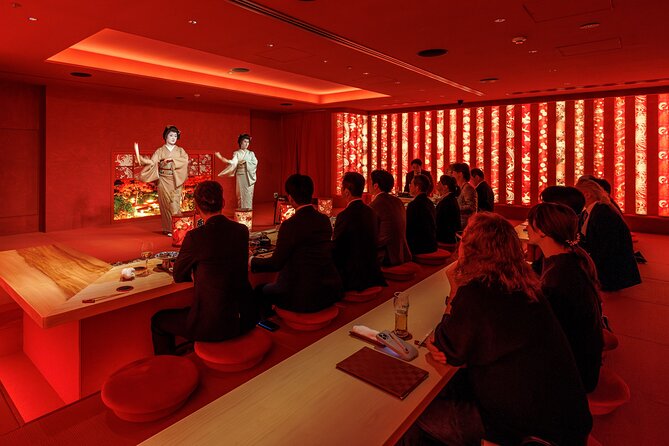
- Authentic live geisha dance performed in a modern Japanese dining space at BENITSUYA
- Real geisha games with hands-on participation, not a staged “look but don’t touch” moment
- Conversation with support thanks to translation devices used during the show
- Small-group feel possible since the experience caps at 30, and some seatings run quite intimate
Entering BENITSUYA on Grand Hammer’s 6th floor
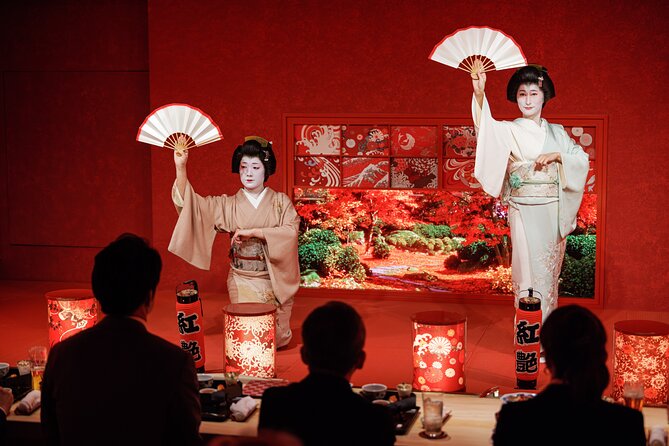
If you want a Tokyo night that feels like culture with costumes, this is one of the easier ways to do it. BENITSUYA (Geisha Ozashiki Dining) sits inside Grand Hammer, Tokyo’s newer food and entertainment complex in Shinbashi. It’s on the 6th floor, so you’re not battling a maze of alleyways. The room itself leans modern—rich crimson walls, clean lines, and that calm, ceremonial vibe that suits geisha performance.
What matters most here is that it’s not only a show. You’re getting a Kyoto-style kaiseki dinner paired with live entertainment by authentic Tokyo geishas. That combination is the whole point: you’re watching traditional dance while the meal unfolds in set courses, then switching gears into friendly interaction and games.
Another detail I like is the level of oversight. The kaiseki is supervised by Kyoto chef Naoki Okumura (linked to Gion Okumura), and the concept comes from Hamakura, the team behind places like Ebisu Yokocho, Shibuya Yokocho, and Kabuki Hall. Translation: this isn’t some random venue throwing on a performance. It’s built as a proper food-and-entertainment destination.
One note before you go: this experience is not available for guests under 20 years old. Also, it’s built as a short evening block—about 1 hour 30 minutes—so plan this as a focused night activity, not a slow-dinner marathon.
You can also read our reviews of more tours and experiences in Tokyo

Kyoto-style kaiseki: what the meal actually does for the evening
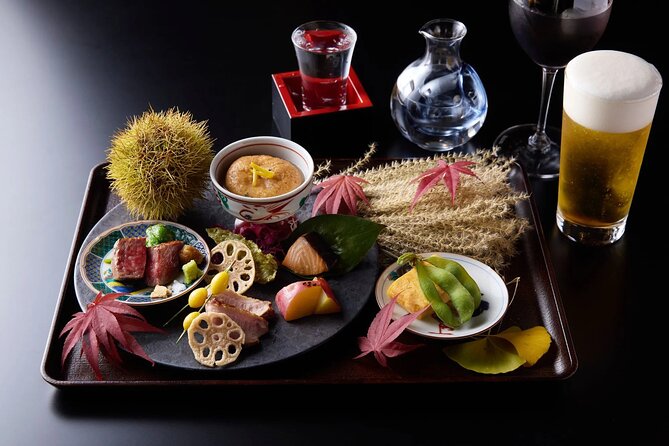
Kaiseki sounds fancy, and it is, but here’s the practical angle. The meal is a carefully timed multi-course experience that supports the entertainment schedule. You’re not ordering off a big menu and wandering around for an hour deciding what to eat. You’re committing to the set menu style.
Based on what you’re told, this is Kyoto-style kaiseki using seasonal ingredients, presented as a course-by-course dinner. Many people like this format because it makes the evening feel orchestrated, like everything belongs together—food, conversation, dance, then the games afterward.
That said, kaiseki value is personal. Some diners feel the food is genuinely delicious and well matched to the atmosphere. Others felt the meal was too basic or too average for what they paid, and a few said the portioning felt limited, especially if they expected more food or more variety.
So how do you set yourself up for success?
- If you love structured, traditional Japanese dining, you’ll likely enjoy how each course lands.
- If you come hungry for a heavy “main meal plus extras” vibe, you might find the kaiseki portion level underwhelming.
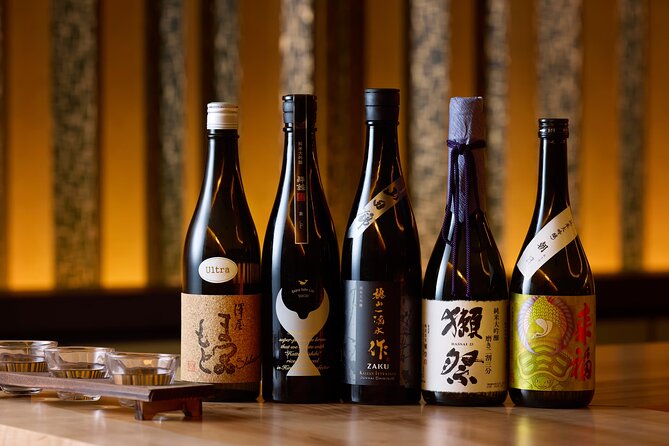
One review detail worth taking seriously: soft drinks were not treated as automatically included for at least one higher package, and that rubbed some people the wrong way. You don’t need to panic, but you should check what your booking includes—especially if you’re assuming drinks come with the package.
In other words, this dinner is more about pairing the culinary tradition with the performance than about leaving the table feeling like you ate a giant feast. If that matches your expectations, you’ll be happier.
The geisha performance: dance, precision, and what to watch for
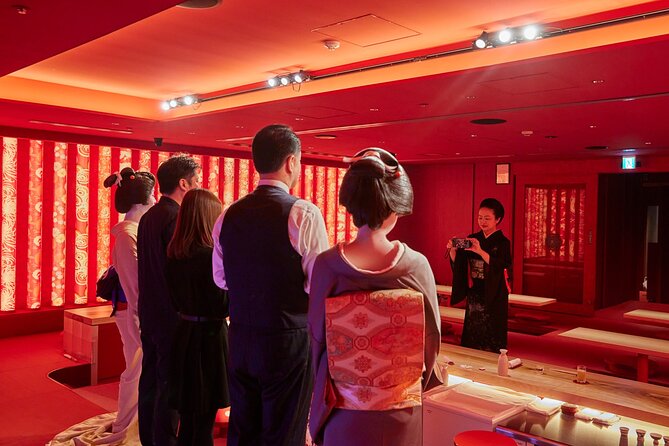
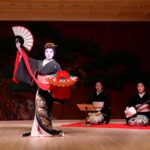
The geisha entertainment is the headliner. You’ll watch live traditional Japanese dance performances by trained geishas—known for artistry, grace, and conversation. The performances are not just a single dance and then you’re done. Reviews describe multiple dances and also include elements like fan-related demonstrations and a brief photo moment after the show.
Here’s the thing: geisha dance is precise. Even if you don’t catch every cultural reference, you can still appreciate control—timing, posture, and how the movement looks effortless even when it’s clearly practiced. If you care about details, you’ll probably love this. If you’re expecting a dramatic, loud production in the way some Western shows feel, you may need to adjust your mindset.
Another thing that can shape your experience is the interaction style. Many people loved how kind and accommodating the geishas were, and some appreciated the conversational bits—learning about their journey and answering questions. There’s also mention of a translation approach, including translation devices and pocket translators, which helps non-Japanese speakers communicate.
Still, it’s worth keeping expectations grounded. A couple of reports mention communication issues when language support didn’t feel smooth for their group. One person also felt the geisha attention was uneven due to language or group dynamics. None of that means the show is bad, but it does mean you should go in ready for a live, human interaction that doesn’t always follow a script.
And yes, the performance block is short. It’s about 90 minutes total, and some diners felt a strict schedule made it feel rushed. If you want time to linger, this isn’t that kind of evening.
Geisha games and interaction: the part you can’t fake
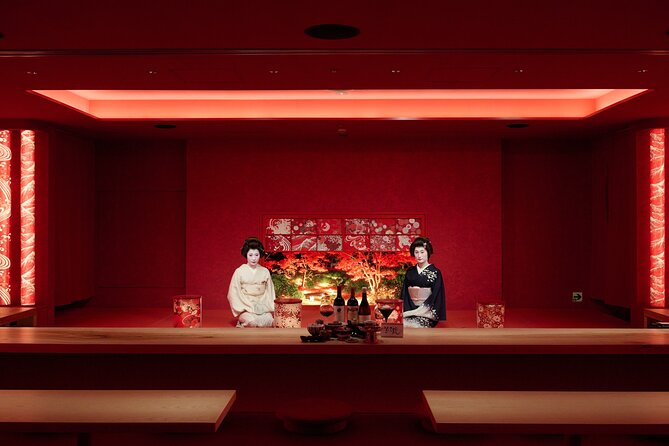
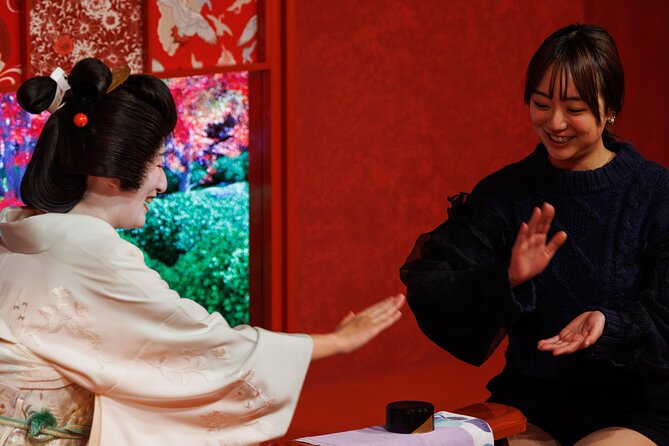
If you’re thinking, I want more than a seat-and-watch event, this is where the experience earns points. After the dance portion, you can participate in traditional geisha games. These are not just “audience participation” games. The point is to let you try the traditions in a friendly, guided way.
This is also where the evening becomes memorable. Reviews repeatedly mention that guests had fun learning the games, getting included, and laughing during interactive moments. One person specifically enjoyed learning chopstick use from their performer, which is exactly the kind of small cultural transfer that makes this feel real rather than staged.
You also get a bit of social warmth. Several accounts highlight geishas who were funny, kind, and attentive. People enjoyed asking questions and talking about culture, with translation devices helping bridge the gap.
My practical advice: come with a light attitude and a willingness to try. You don’t need to be fluent. Have a few simple questions ready, like how they trained or what they enjoy about geisha arts. If you freeze up, you’ll miss the best part of the evening.
One more reality check: your experience can vary based on group size and the moment’s energy. When there are only a few couples, conversation tends to feel more personal. When the group is larger, you may get less one-on-one time. Since the cap is 30, most seatings won’t be huge, but “not crowded” can still mean different things depending on your time slot.
Price and value: is $144.96 worth it?
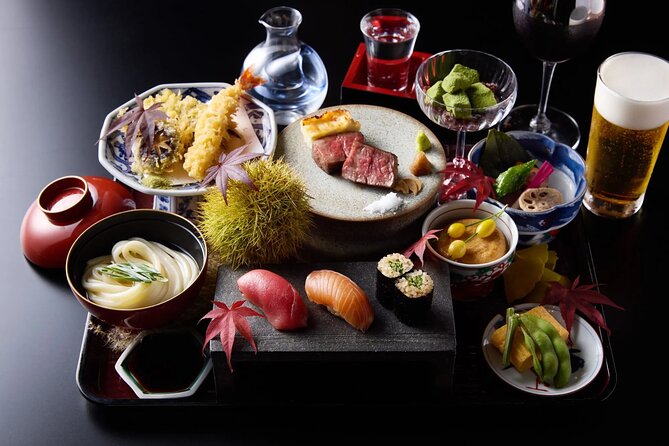
At $144.96 per person, you’re paying for a bundle: a Kyoto-style kaiseki dinner plus live geisha dance plus the interactive games. That bundle is what makes it different from a normal restaurant night.
The tricky part is that “value” depends on what you want out of the evening.
- If you’re chasing the performance and want the food to be part of the cultural package, you may feel it’s worth it.
- If you’re chasing a true fine-dining meal experience with big portions, you might feel disappointed.
Some reviews praised the food as delicious and well paired to the atmosphere. Others called it basic, average, or not worth the price. A few mentioned that the experience ended after the kaiseki courses in a way that felt like not enough food. One person said the meal included wasn’t what they ordered, which is an obvious red flag if it happens to you.
Here’s how to reduce the risk:
- Pick your package level carefully if options exist. One review references a highest-level package and then complains that drinks like coca cola were not included.
- Don’t assume that every beverage is included unless your booking clearly says so.
- Treat the kaiseki as a structured set, not as a buffet substitute.
So is it worth it? For me, it’s most worth booking if you’re excited about geisha performance as the main event and you like eating in a tradition-focused, paced way. If you’re mostly hungry and want a bigger dining payoff, look at your priorities first.
You can also read our reviews of more tours and experiences in Tokyo


Timing, getting there, and avoiding small frustrations
This is in Shinbashi, at Grand Hammer. The address is listed as BENITSUYA on the 6th floor, 2-chōme 8-5 Grand Hammer area in Minato City (Shimbashi). You’ll want to build in a few minutes because the 6th floor matters.
One practical tip from experience: some people reported that elevators or escalators can be a pain right around the start time. One review notes that the activity starts directly at the scheduled time, so showing up too late might leave you scrambling on the stairs or waiting on access. That’s not unique to this venue, but it matters here because your show clock starts on time.
Also, the building is described as relatively easy to find because of its storefront visibility. Still, if it’s your first evening in Tokyo, give yourself time for orientation and buffer.
What to bring:
- Your mobile ticket (this is offered as a mobile ticket experience).
- A patient attitude. This is a show with scheduled pacing.
- A simple mindset: you’re here to learn and participate, not to judge it like a Broadway review.
A final logistics note: the experience ends back at the meeting point, so you won’t be whisked away to another location. That makes it a good add-on if your itinerary already has dinner plans nearby.
Who should book this geisha dinner show
This works best for:
- First-time visitors who want one clear, authentic-style cultural evening
- People who enjoy traditional Japanese dining and don’t need a huge dining quantity to feel satisfied
- Travelers who like interaction, games, and conversation even with some language barriers
- Anyone who wants a guided, paced experience rather than researching etiquette on their own
It might be less ideal for:
- Folks who expect a long, late-night program
- Big eaters who want a heavy meal payoff
- People who only want entertainment and are not interested in the dinner course pacing
- Guests who can’t handle uneven attention in small-group live settings
If you’re the kind of traveler who likes to ask questions and learn small details, you’ll probably have a great time. One review even calls out geisha named Nana as especially memorable for warmth and inclusion. That kind of performer-to-performer difference is real in any live cultural show.
Should you book Tokyo Traditional Geisha Show and Japanese Fine Dining at BENITSUYA?
I’d book it if you want a single, well-packaged night that combines Kyoto-style kaiseki with live geisha dance and hands-on geisha games in a modern Shinbashi setting. The format makes it easy to experience something you can’t easily reproduce on your own.
I’d hesitate if you’re very focused on food value alone, expecting large portions, or assuming drinks are included without checking. Because the overall experience is short, it can feel underwhelming to people who wanted a longer show or a more extravagant production.
Here’s my decision rule for you:
- If you’re excited about geisha performance and you can treat the kaiseki as part of the cultural package, this is a strong choice.
- If your top priority is a big, fine-dining feast with lots of extras, you may end up comparing it to meals that cost less and give you more food.
FAQ
Is this experience at BENITSUYA in Grand Hammer?
Yes. The experience meeting point is BENITSUYA (Geisha Ozashiki Dining) on the 6th floor of Grand Hammer in Shinbashi.
How long does the Tokyo geisha and dining experience last?
It lasts about 1 hour 30 minutes.
What does the meal include?
You’ll be served Kyoto-style kaiseki, described as a carefully orchestrated multi-course meal using seasonal ingredients.
Is there live geisha entertainment?
Yes. You’ll watch live traditional geisha dance, and you’ll also participate in traditional geisha games after the performance.
Is this experience suitable for all ages?
No. It is not available for guests under 20 years old.
How many people are in the group?
The tour/activity has a maximum of 30 travelers.
Is it near public transportation?
Yes, it’s near public transportation.
Can I cancel for a full refund?
You can cancel for a full refund if you cancel at least 24 hours in advance of the experience start time.