REVIEW · TOKYO
Tokyo: Authentic Japanese Dance Show ticket by professionals
Book on GetYourGuide →Operated by YUKI YOSHIDA · Bookable on GetYourGuide
Shinjuku turns quiet for Japanese dance. This professional show brings traditional Japanese dance to life in a central Tokyo neighborhood, with award-winning performers and kimonos you can actually see in detail—like the stitching, patterns, and the careful way each sleeve moves. I especially like the close-up viewing and how the technique feels readable, even if you don’t know every dance term.
Two things I’d repeat to friends: the dancers’ expressions are front and center, and the event gives you context about the culture instead of tossing you into a mystery. The main drawback to plan around is simple: it’s Japanese-language (with English information between parts), and photography is prohibited during performances, so you’ll need to enjoy it with your own eyes.
In This Review
- Key points at a glance
- Where Shinjuku Fits Best for a Traditional Performance
- Professional Japanese Dance With a 400-Year Lineage
- What You’ll Notice Up Close: Expressions and Kimono Beauty
- The Flow of the Evening: Before, During, and After the Performance
- The Photography Rules (And Why They Make the Show Better)
- Ticket Price and Value: Is $54 Worth It?
- Languages and What to Do If You Don’t Speak Japanese
- Food, Pickup, and How to Plan Around the Show
- Is It Good for Seating? Yes, If You Care About Seeing Faces
- Family Time: Childcare Option During Your Program
- Who Should Book This Show in Tokyo?
- Should You Book It or Skip It?
- FAQ
- Where does the Japanese dance show take place?
- How much does the ticket cost?
- Is entrance included in the price?
- Is food or drink included?
- Is hotel pickup included?
- What language is used for the show?
- Can I take photos during the performance?
- Is there a time to take pictures after the show?
- Do they offer childcare for children?
- Can I book and pay later?
- What is the cancellation policy?
Key points at a glance
- Award-winning professionals: performed by Japanese dancers who’ve earned recognition in dance competitions
- Up-close perspective: you can see expressions and kimono details from near range
- 400 years of technique: the show frames dance as a tradition passed down for generations
- English support between parts: there’s cultural information shared while the program is happening
- Photo time at the end: photos are not allowed during the performance, but you’ll get a window afterward
- Yuki Yoshida associated with the provider: a named provider helps anchor the experience as a professional production
Where Shinjuku Fits Best for a Traditional Performance
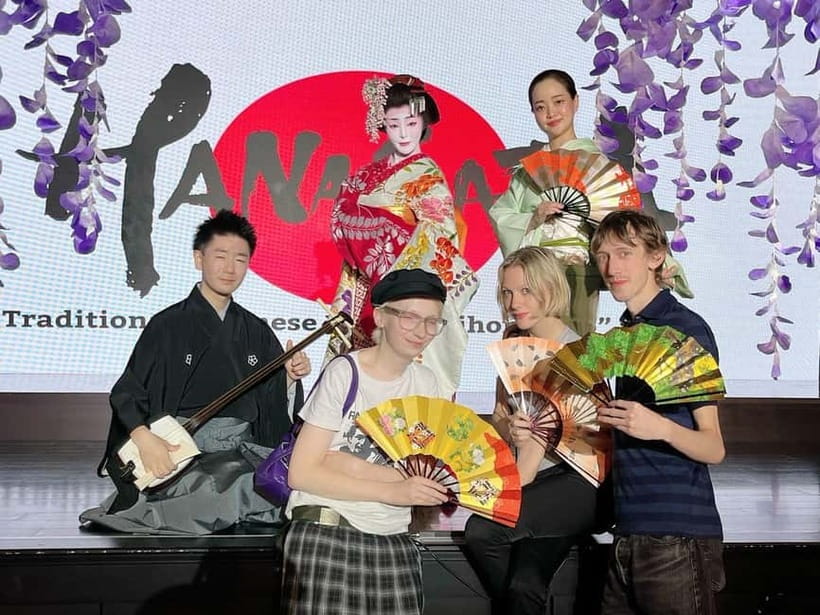
This show is located in Shinjuku, in Honshu, Japan. That matters because Shinjuku is easy to reach from many parts of Tokyo, so you don’t have to plan a whole day just to catch one cultural event. In practice, it’s the kind of ticket you can slot into an itinerary without turning it into a logistics puzzle.
I also like that the setting is modern Tokyo, yet the content is deeply traditional. You get to watch something that’s been shaped by Japanese aesthetics for centuries, while still standing in one of Tokyo’s most convenient areas. If you want traditional performing arts without trekking across the city, this is a smart match.
You can also read our reviews of more tours and experiences in Tokyo


Professional Japanese Dance With a 400-Year Lineage
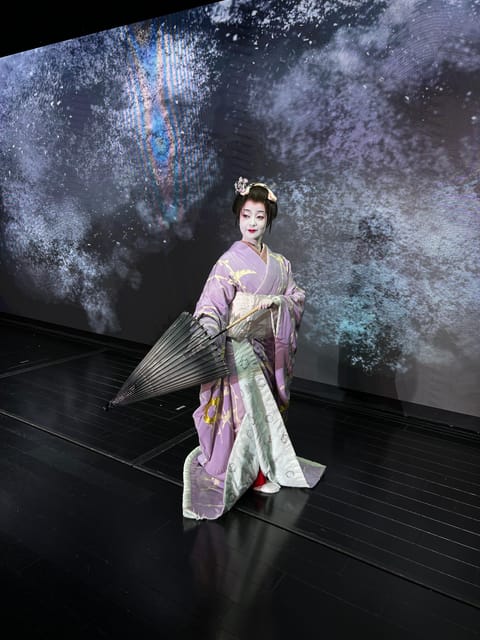
The heart of the experience is the dance itself, presented by Japanese dancers who’ve received awards at competitions. That professional training shows on stage. Movements look controlled, not flashy-for-flashy’s-sake, and the transitions don’t feel random. You can feel the discipline in the pacing and the way the dancers hold their positions.
The show also frames Japanese dance as something more than stage decoration. It’s treated like a mirror of history, culture, and emotion, passed down for over 400 years. That’s a big idea, but the program doesn’t leave you floating. You get cultural context during the performance, which helps you recognize what you’re seeing as a deliberate art form rather than a one-time spectacle.
One reason this matters for you: when dance has a long tradition behind it, your attention changes. Instead of just watching what’s happening, you start noticing how the body tells the story—through line, timing, and the emotional weight of stillness.
What You’ll Notice Up Close: Expressions and Kimono Beauty
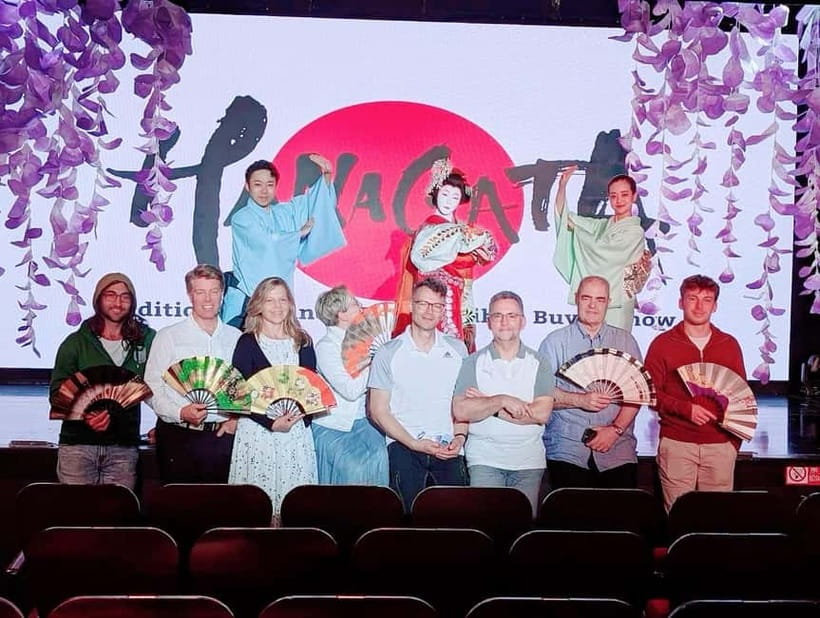
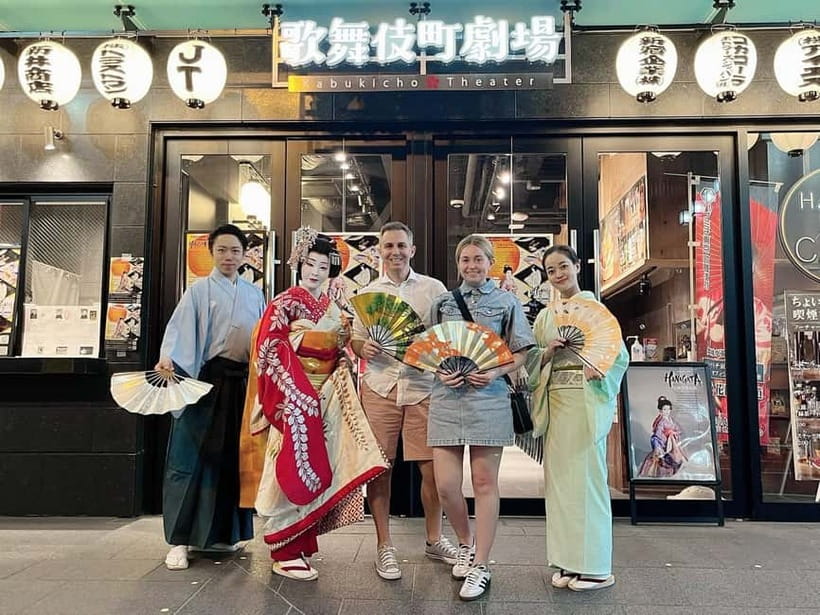
If you care about details, you’re in the right seat. The show is designed for close viewing, so you’re not stuck at a distance where everything turns into shapes and shadows. You can see the dancers’ expressions and the visual richness of their kimonos in a way that feels almost intimate.
Kimonos aren’t just wardrobe here; they’re part of the choreography. Notice how the fabric responds to each movement—how sleeves and layers carry motion, and how color and pattern stay visually balanced as the dancer turns. It’s the kind of thing that’s hard to appreciate in photos anyway (and photography is restricted during the show), so the value is in being there.
There’s also something surprisingly emotional about watching a performer’s face while they move through structured gestures. The artistry lands in a more personal way when the audience can actually read that calm intensity and controlled passion.
The Flow of the Evening: Before, During, and After the Performance
Here’s the practical rhythm you can expect.
Before the dance starts, you’ll be focused on getting settled and oriented. While specific arrival instructions aren’t listed in the information you have, it’s a good idea to show up with enough time to find your seat and settle your phone situation. (More on that in a minute.)
During the performance, you’ll watch Japanese dance unfold as a sequence of movements and music-driven phrasing. The program includes cultural information in English between parts, so you’re not totally locked out if you don’t read Japanese. You’ll get enough framing to understand what the dance is communicating and how it connects to tradition.
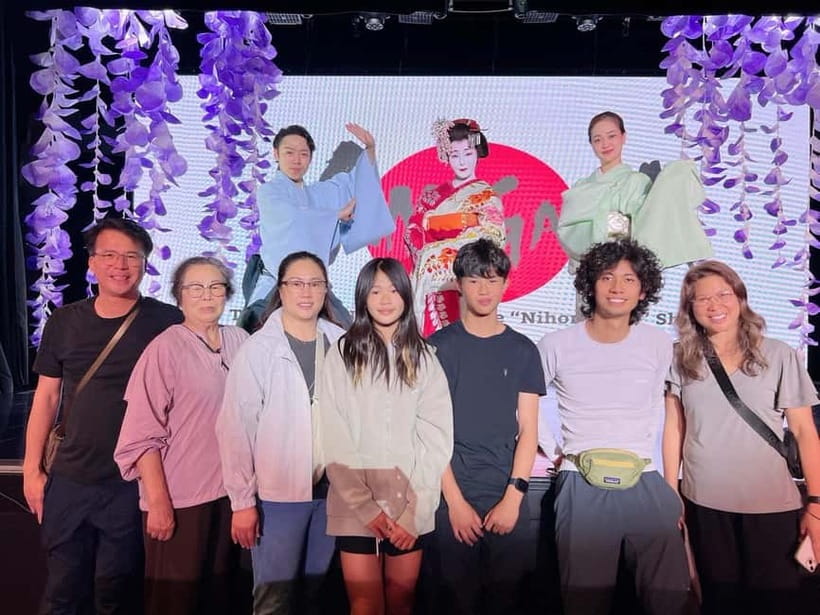
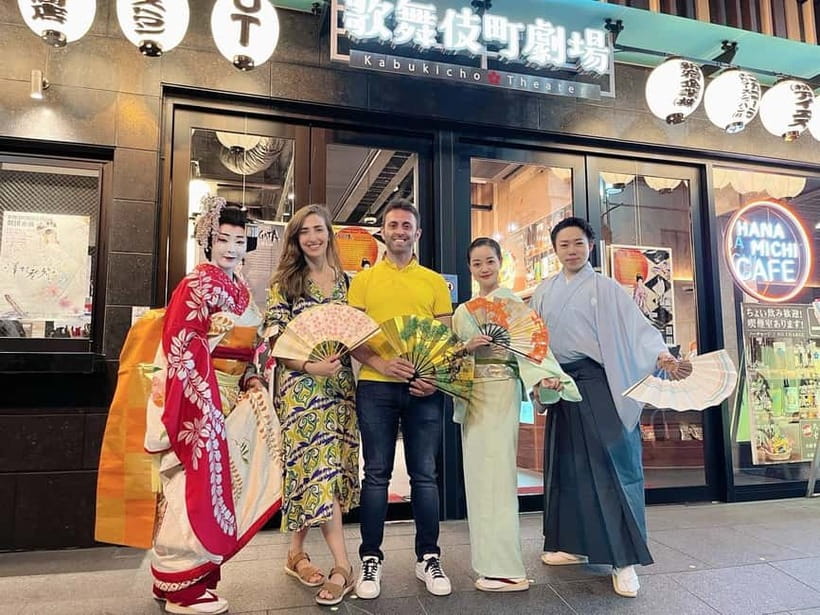
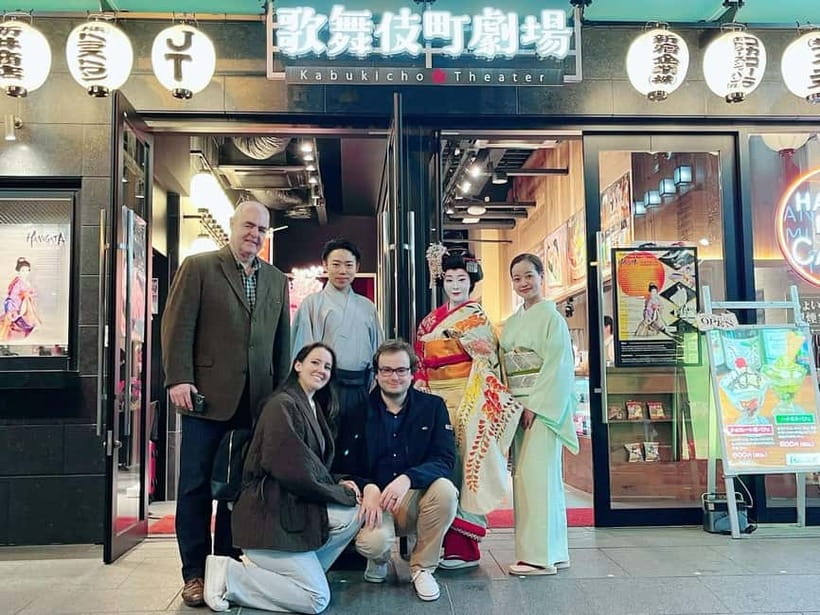
After the performance, the show includes a designated time for taking pictures. That’s helpful because you can enjoy the performance without screen-light distractions, then still leave with visual memories once the main moments are done.
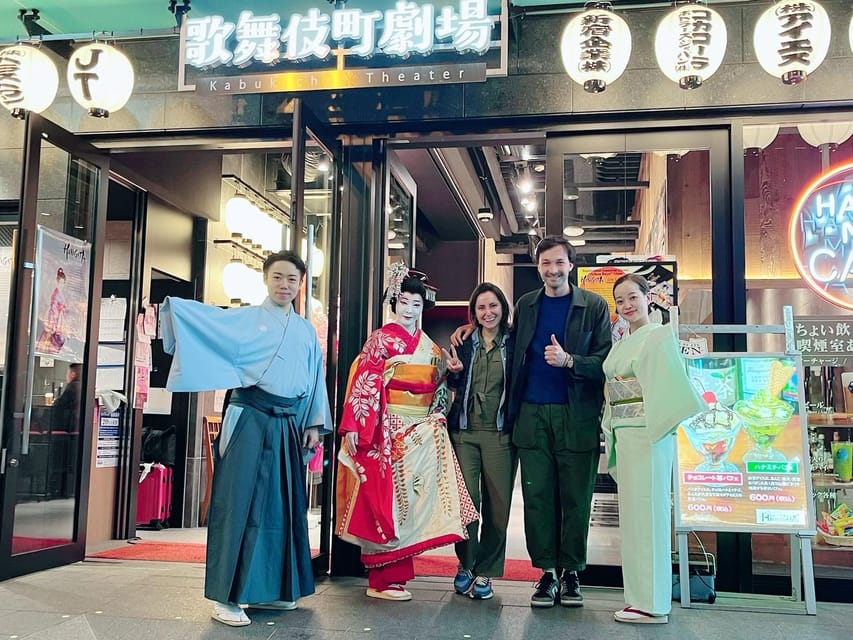
A nice extra: the staff and performers are friendly and welcoming, and many can communicate in English. That makes it easier to ask simple questions and connect the dots for yourself once the program ends.
The Photography Rules (And Why They Make the Show Better)
Photography is prohibited during performances. This is one of those rules that can sound annoying until you experience the room. During a dance performance, interruptions are distracting: phone screens glow, shutter clicks break concentration, and people stand up at exactly the wrong time.
So yes, your phone might feel itchy. But the payoff is that the audience can actually watch. You’ll notice the difference immediately because the viewing experience stays focused and respectful.
Then, at the end of the show, you’ll have time for taking pictures. That balance is smart: no distraction while the dancers are doing their work, and a chance for photos after, when the performance has finished its main storytelling.
You can also read our reviews of more tours and experiences in Tokyo



Ticket Price and Value: Is $54 Worth It?
The ticket price is $54 per person. That’s not cheap in the abstract, so the question is what you get for it: professional performers, award recognition, close-up viewing, and cultural context while you watch. For many short activities in Tokyo, you’re paying mostly for a venue or a “thing to do.” Here, you’re paying for skill, presentation, and a structured cultural experience.
You also get something intangible but important: a sense of understanding. The show doesn’t just ask you to stare at choreography; it helps you interpret it. That’s why people rate this highly. A 4.7 rating across 17 reviews is a useful clue that the experience lands well for different kinds of visitors.
If you enjoy the performing arts, kimono aesthetics, or anything traditional, this ticket is closer to value than expense. If you’re only interested in something casual with zero structure, you might find yourself wishing for more casual interaction during the program. Still, the core performance is the reason to be there.
Languages and What to Do If You Don’t Speak Japanese
The show’s language is listed as Japanese. That can sound like a blocker, but the program includes English information between performances. In other words, you’re not relying purely on your own guesswork.
Still, set expectations: you won’t be “watching an English play.” You’ll be watching dance. Your best strategy is to treat the English parts as signposts—use them to follow themes, gestures, and context, then let the movement carry you.
If you want the most from it, go in curious. You don’t need perfect language skills to appreciate the discipline of the dancers or the precision of traditional technique.
Food, Pickup, and How to Plan Around the Show
This ticket includes entrance only. That means food and beverage aren’t included, and there’s no hotel pickup.
So plan for yourself like you would for any evening activity:
- Eat beforehand or after, based on your schedule.
- Use your own transport to reach Shinjuku.
- Bring cashless payment if you want snacks nearby, since nothing is included with the ticket.
The lack of pickup can actually be a plus. You stay flexible and don’t get anchored to a hotel route. But it does mean you should check how you’ll get there before committing—Tokyo transport is great, yet you’ll enjoy the night more if you’re not rushing at the last minute.
Is It Good for Seating? Yes, If You Care About Seeing Faces
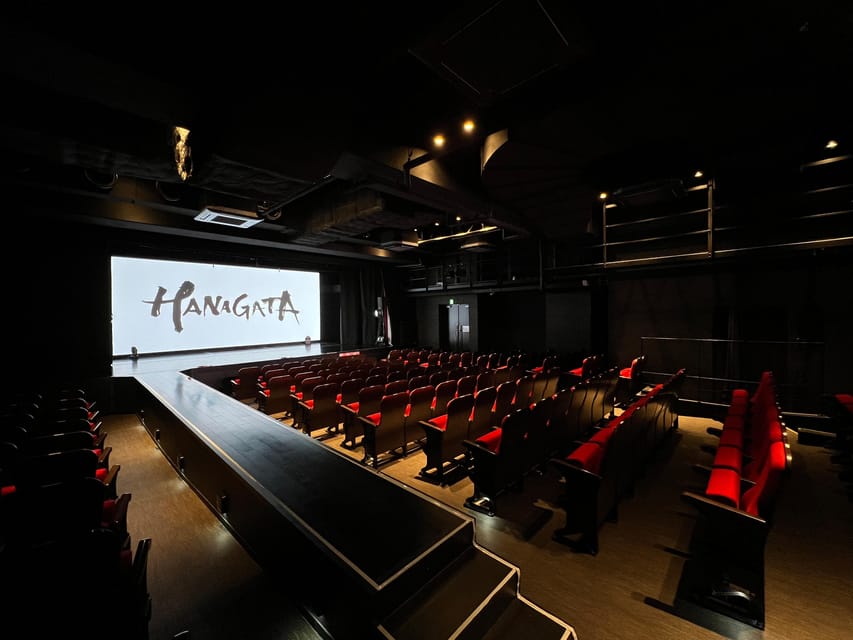
One of the best signs for this show is that it’s built for viewing, not just attendance. A highlight in the experience feedback is that there isn’t a bad seat in the house. For a dance performance, that’s huge, because you’re watching faces, hands, and the way fabric moves.
If you’re the type who likes details—kimonos, facial expression, posture—this is the kind of event where proximity and sightlines matter. Since photography is restricted during the performance, your eyes become your camera. Seats that let you use them well are worth paying attention to.
Family Time: Childcare Option During Your Program
If you’re traveling with kids, you’re not stuck with a choice between seeing the show and managing your schedule. The information you have says childcare is available, and you can reserve through:
https://biz.simplee.jp/kids-program/en
That’s a big deal in Tokyo, where adult-focused cultural nights can otherwise get complicated. If you want your kids cared for while you watch Japanese dance, this is one of the rare solutions that keeps the evening intact for everyone.
Who Should Book This Show in Tokyo?
This is a good fit if:
- you want a short, high-impact cultural event in a convenient area like Shinjuku
- you appreciate traditional arts, especially dance and kimono presentation
- you enjoy learning through context, not only watching raw performance
- you want a professionally staged show with close viewing
It may not be the best fit if you want something heavily interactive during the dance itself. Since it’s a performance with no photography during the show, it’s designed for quiet attention. Think theatre etiquette rather than a workshop.
Should You Book It or Skip It?
Book it if you want a focused, professional introduction to Japanese dance in a place that’s easy to reach. The mix of award-winning dancers, close-up viewing, English context between parts, and a photo window at the end makes the experience practical and memorable.
Skip it only if you’re strongly uncomfortable with restrictions (like the no-photo rule during performances) or you need an entirely English-led program throughout. Since the show language is Japanese, you’ll rely on the English information provided between segments.
If you’re even slightly curious about traditional Japanese performing arts, this ticket is the kind of evening you’ll remember next time you see a kimono in Tokyo or hear Japanese music in a concert hall. The technique is physical, the storytelling is emotional, and the visual details land in a way a screen can’t copy.
FAQ
Where does the Japanese dance show take place?
The experience is in Shinjuku, Tokyo, Japan (Honshu).
How much does the ticket cost?
The price is $54 per person.
Is entrance included in the price?
Yes. The experience includes the entrance ticket.
Is food or drink included?
No. Food and beverage are not included.
Is hotel pickup included?
No. Hotel pickup is not included.
What language is used for the show?
The information provided lists Japanese as the language.
Can I take photos during the performance?
No. Photography is prohibited during performances.
Is there a time to take pictures after the show?
Yes. At the end of the performance, there is time for taking pictures.
Do they offer childcare for children?
Yes. Childcare can be provided, and you can reserve it here: https://biz.simplee.jp/kids-program/en
Can I book and pay later?
Yes. There is reserve & pay later, with the option to book your spot and pay nothing today.
What is the cancellation policy?
You can cancel up to 24 hours in advance for a full refund.