REVIEW · TOKYO
Flavors of Asakusa Food & Traditions with a Friendly Guide
Book on Viator →Operated by The Washoku Club Culture and Food Tours · Bookable on Viator
Asakusa gets under your skin fast. This 4-hour walk pairs street food with major temple sights and a big Tokyo view, with a guide who keeps things clear and easy as you move through the neighborhood.
What I like most is the mix of carefully chosen snack stops and the way the tour threads you through Asakusa’s most important places without feeling like you’re just checking boxes. The second big win for me is the cultural flow: shopping streets, then Senso-ji and the nearby shrine area, and later a look from Tokyo Skytree that gives Tokyo’s size real context.
One thing to consider: this is still a walking tour through popular areas, so if you’re sensitive to crowds or long distances, wear comfortable shoes and plan for lots of foot traffic around Nakamise and the temple zone.
In This Review
- Key points you’ll care about
- Getting oriented at Asakusa Culture Tourist Information Center
- Kaminarimondori and Nakamise: old souvenir streets with snack logic
- Senso-ji Temple and the Asakusa Shrine zone: colorful landmarks, calm viewing rhythm
- Rokku Yumemachi Theatre and Hoppy Street: old Tokyo flavor beyond the big sights
- The street-food trail: what you’ll taste and how to choose well
- Tokyo Skytree: why the 360-degree view changes how you see Tokyo
- Price and value: is $167.40 for 4 hours a fair deal?
- Practical tips so you enjoy the full walk
- Who this tour suits best
- Should you book this Flavors of Asakusa tour?
- FAQ
- What’s the duration of the tour?
- Where does the tour meet?
- What’s included in the price?
- Are alcoholic drinks included?
- What does the tour cover in terms of sightseeing?
- Is the ticket digital?
- How big are the groups?
- Is free cancellation available?
Key points you’ll care about
- Up to 10 people means the guide can slow down and explain what you’re looking at.
- 4 to 5 food stops with snacks and desserts keeps the tasting focused, not random.
- Free and fast orientation at the Asakusa Culture Tourist Information Center helps you get your bearings.
- Temple + shrine time is built into the route, not just a photo stop.
- Tokyo Skytree adds perspective with a stated 360-degree view from a 634-meter tower.
Getting oriented at Asakusa Culture Tourist Information Center
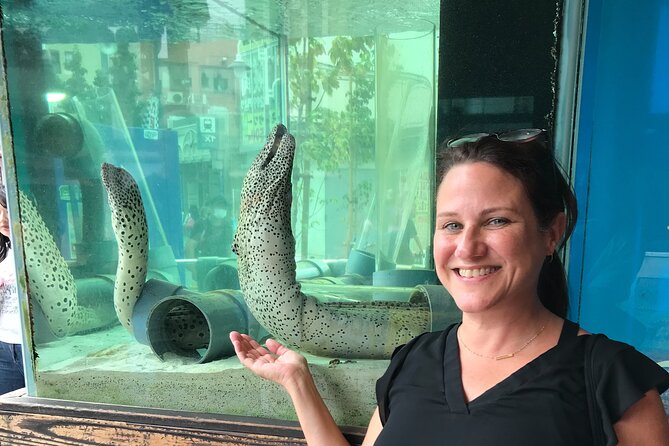
Most Asakusa tours start by tossing you into the middle of the action. This one starts with something smarter: the Asakusa Culture Tourist Information Center. You go right there first so you can understand the area quickly instead of wandering with half a plan.
This stop is useful in a very practical way. You get tourism information on the ground, and the center offers guidance in Japanese, English, Chinese, and Korean. There’s also free Wi‑Fi and access to internet services at the center, which is handy if you’re checking subway routes, translating menus, or mapping out what you’ll do after the tour.
I especially like that it reduces decision fatigue. Once you know where you are and how the streets connect, the rest of the walk feels like a guided story instead of a scramble. If you’re visiting for the first time, it also helps you avoid the common trap of only seeing the loud, tourist-facing parts of Asakusa and missing the quieter corners.
You can also read our reviews of more food & drink experiences in Tokyo



Kaminarimondori and Nakamise: old souvenir streets with snack logic
After you’re oriented, you move into the oldest, longest souvenir lanes in the area—first Kaminarimondori Shopping Street and then Nakamise Shopping Street near Kaminarimon. These streets are famous, sure, but what makes them work on this tour is that they’re treated like more than a shopping corridor.
You’ll have time to wander, take photos, and learn what you’re seeing from your local guide. And since this tour includes snack sampling, the shopping becomes less about buying everything and more about tasting what’s typical for the area.
Here’s the practical advantage: Nakamise is full of small stands and quick bites. Trying to pick the right things alone can turn into a loop—buy, regret, repeat. With a guide, you’re more likely to hit food that’s actually connected to Asakusa’s street culture and to do it in a way that doesn’t upset your stomach or your walking pace.
A small consideration: these streets can get crowded, especially near temple and weekend peak times. If you prefer space, aim to keep your pace steady and don’t stop dead in the busiest bottlenecks. The tour timing helps, but the area itself is popular.
Senso-ji Temple and the Asakusa Shrine zone: colorful landmarks, calm viewing rhythm
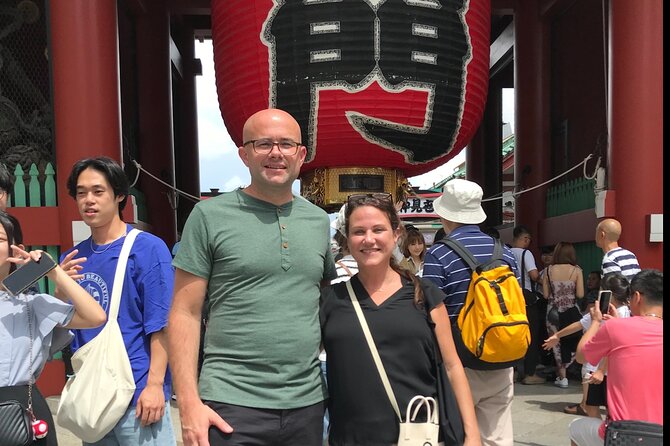
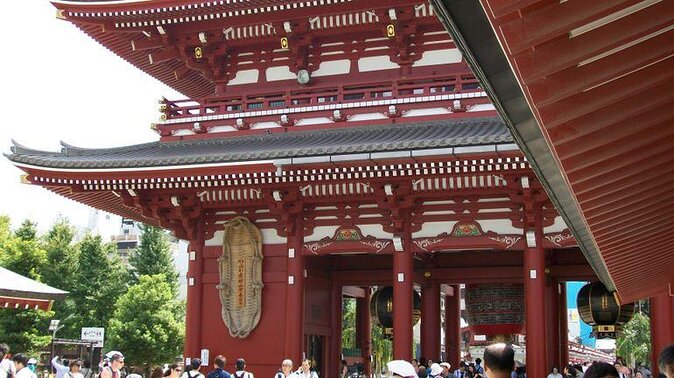
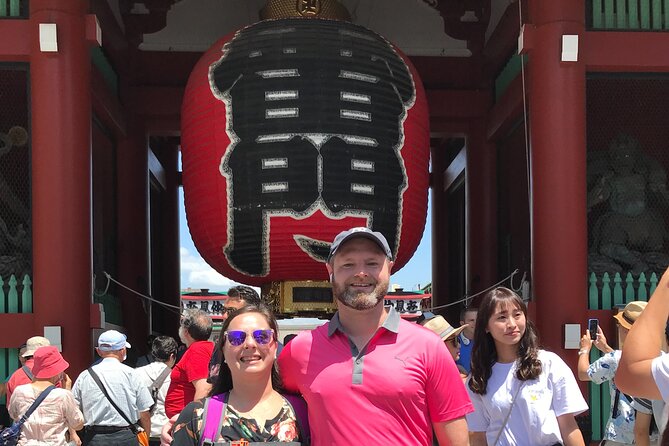
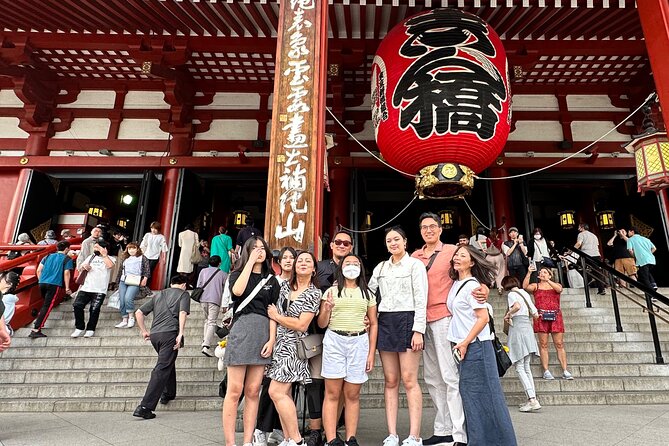
The heart of Asakusa for most people is Senso-ji Temple—and yes, it lives up to its reputation. It’s described as one of Tokyo’s most colorful and most visited temple sights, and when you’re standing in that temple atmosphere, you understand why it draws crowds from everywhere.
What I like about building in Senso-ji as a real stop (not just a quick photo) is that your eyes adjust. You start noticing details: how people move through the space, how the architecture frames the walkway, and why the temple area feels like the center of older Tokyo life.
From there, you also visit Asakusa Shrine. That matters because it broadens the picture beyond a single headline landmark. Shrines are part of the daily rhythm here, and seeing them alongside Senso-ji helps you understand that this is an area where different spiritual spaces coexist.
Potential drawback: this is prime viewing territory. If you hate crowds, you’ll still feel them. But the guided timing gives you a better shot at pacing—some moments are best for looking, others for stepping aside to let groups pass, and a guide can help you make those small choices.
Rokku Yumemachi Theatre and Hoppy Street: old Tokyo flavor beyond the big sights
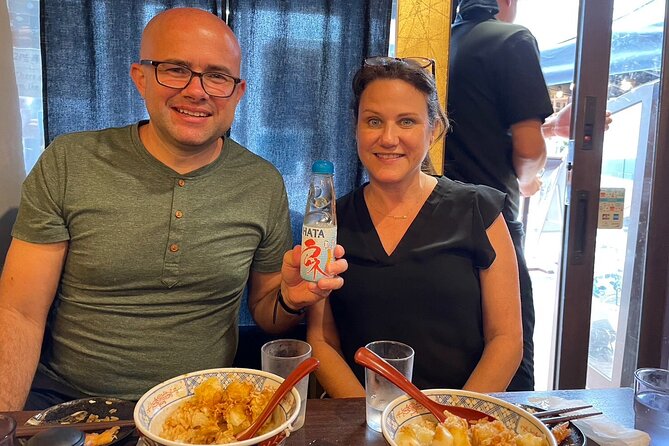
Asakusa isn’t only temples and souvenir candy. The route also includes stops that help you see the neighborhood’s older entertainment identity, including Asakusa Rokku Yumemachi Theatre. This area is tied to the former theater district of Rokku Broadway (often described as the Sixth District), with roots going back to the late 1800s. Even if you’re not a theater history buff, it adds texture: Asakusa wasn’t only about ritual and shopping. It was also a place for amusements and nightlife in earlier eras.
Then you go to Hoppy Street. The name alone tells you the theme, and the point here is to show you how Asakusa feels after the main sightseeing energy settles. It’s the kind of street that helps you picture what locals might do for a quick drink and a snack, rather than what Instagram might capture.
I like these stops because they prevent the tour from turning into a straight line of famous stops. You get a sense of how different parts of Asakusa connect—temple area intensity, shopping lanes, then the atmosphere of older district life.
If you’re traveling with anyone who gets bored by “more streets,” this section can be a lifesaver. It’s still walking, but it feels different.
The street-food trail: what you’ll taste and how to choose well
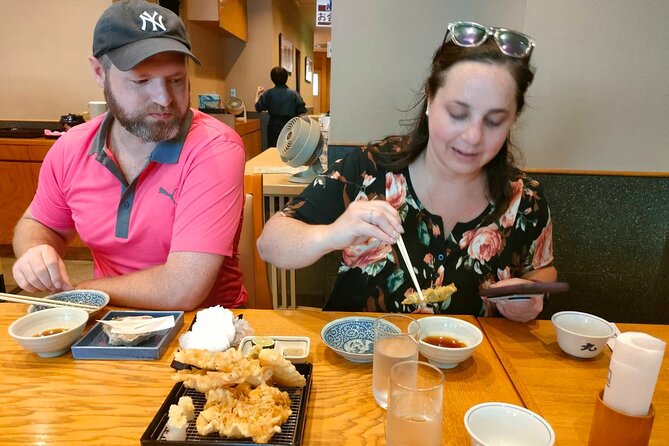
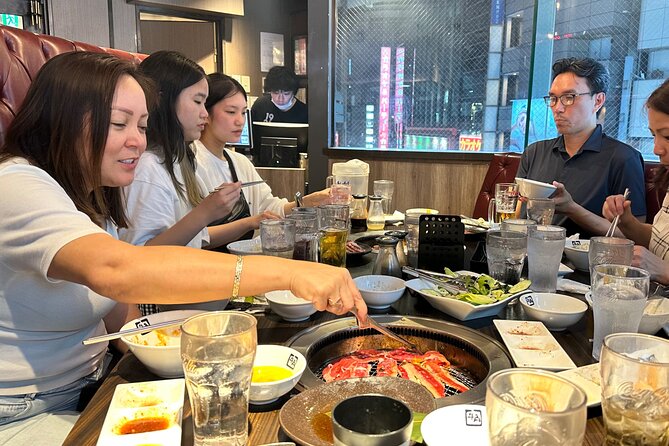
This tour includes snacks and desserts, with 4 to 5 food stops in Asakusa plus two soft drinks and water. Alcohol isn’t included, though it’s available to purchase if you want it.
The sweet side is a big highlight. You’ll get to sample Instagram-friendly classics like dango and daifuku, and you’ll also see traditional savory dishes offered throughout the Nakamise and market areas. The guide helps you decide what to try so you don’t end up with only one category of food.
Here’s how to make this part go smoothly:
- Go hungry, but not starving. If you arrive on an empty stomach and then start with multiple desserts, you might be full before you get to the better savory tastes.
- Pace yourself. Snack portions are small, but four to five stops adds up fast.
- Ask about what you’re eating. The guide’s job is translation plus context: how the snack fits local food culture and when it’s best eaten.
If sweets aren’t your thing, don’t panic. The tour includes a mix, and the guide’s choices are built to give variety. Still, if you know you dislike certain textures (like sticky rice sweets), mention it early so your sampling can work for you.
Also, keep an eye on hydration. You get water included, plus soft drinks, but Asakusa walking can be warm in summer. Take small sips between stops rather than waiting until you’re thirsty.
You can also read our reviews of more tours and experiences in Tokyo



Tokyo Skytree: why the 360-degree view changes how you see Tokyo
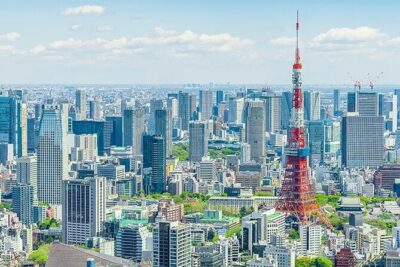
The tour also includes an epic experience at Tokyo Skytree. The description here matters: the tower is stated to be 634 meters tall and offers a 360-degree view that helps you grasp how large and dense Tokyo really is.
This is the kind of stop that makes the day feel bigger than just a neighborhood walk. From ground level, Tokyo can feel like a maze of streets. From above, you can see patterns: how neighborhoods spread, how rail lines and major roads slice through the city, and how far the urban area extends.
Even if you’ve seen photos, a top-down view tends to correct your mental map. You start recognizing where places you visited earlier in the day might sit relative to everything else.
One consideration: observation-deck areas can be busy. If you’re the type who hates waiting, go with a calm mindset and let the guide handle the flow. This is where having a small group pays off.
Price and value: is $167.40 for 4 hours a fair deal?
At $167.40 per person, this isn’t a bargain-basement option. But it also isn’t just someone walking you around while you fend for yourself. You’re paying for a few things that add real value:
- A local guide for about 4 hours with structured stops.
- Snacks and desserts and 2 soft drinks plus water included.
- Multiple featured areas in one go: orientation center, shopping streets, temple and shrine, entertainment-zone streets, and the Skytree view.
- A group limit of up to 10 travelers, which usually means less chaos and more attention.
For many visitors, the biggest hidden cost is time and indecision. If you try to plan the same route yourself, you’ll likely spend time figuring out what to eat, where to stand, and how to connect everything efficiently. This tour packages those decisions into a simple path.
Also note: the tour is commonly booked about 38 days in advance on average. That’s a sign it’s popular, so if your dates are set, don’t wait too long.
Practical tips so you enjoy the full walk
This is a mobile ticket experience, and it meets at the Asakusa Culture Tourist Information Center at 2-chōme-18-9 Kaminarimon, Taito City, Tokyo 111-0034, Japan. It ends back at the meeting point, so you don’t have to worry about getting stranded across town.
A few things that help you get the most out of the day:
- Bring comfortable shoes. The route is a walking tour through multiple districts.
- Keep a little cash or a card ready for any alcohol purchases (since those aren’t included).
- If you’re sensitive to crowds, treat the temple and shopping streets like live events: slow down, step aside when you can, and don’t fight the flow.
- Start with an appetite for variety. The tour’s taste plan works best when you’re open to both savory and sweets.
If you want extra context around the area, you’ll notice Asakusa also connects to other old-school Tokyo attractions nearby, including the Hanayashiki amusement park and riverside spaces used for festivals and fireworks at Kuritsu Sumida Park. This tour focuses on its set stops, but the neighborhood gives you plenty to look at before or after.
Who this tour suits best
This tour fits best if you want:
- An easy way to see Asakusa’s major landmarks plus the food lanes without micromanaging your own snack plan.
- A guide who can smooth over language barriers with multilingual support at the start and local explanation throughout. One review highlighted guide Chisato as friendly and knowledgeable, which matches the tone of how these stops are designed.
- A mix of sights and tasting that feels like a day out with a plan, not a checklist.
It’s also a good choice for groups up to 10, since the pace is more manageable than larger tours.
If you already know the area well and you only want one thing—like only temple photos or only food—you might feel the value drops. But for most first-time Asakusa visitors, the mix is exactly the point.
Should you book this Flavors of Asakusa tour?
Book it if you want a guided, flavorful day that hits classic Asakusa sights and then adds a big-picture Tokyo moment at Skytree. The included snacks and desserts, the structured food stops, and the small group size make it easier to enjoy without thinking too hard.
Skip it if you dislike walking through busy areas or you’re only interested in one narrow theme. In that case, you might prefer a self-guided temple-and-street-food day where you control every stop.
If you’re on the fence, this is the simplest way I’d decide: if you want help picking what to eat and you value a friendly guide to connect temple, shopping lanes, and city views, this tour is built for you.
FAQ
What’s the duration of the tour?
It runs for about 4 hours.
Where does the tour meet?
The meeting point is the Asakusa Culture Tourist Information Center, 2-chōme-18-9 Kaminarimon, Taito City, Tokyo 111-0034, Japan.
What’s included in the price?
The tour includes snacks and desserts, a 4-hour walking tour with a local guide, experience of local markets in Asakusa, 4 to 5 food stops in Asakusa, and 2 soft drinks and water.
Are alcoholic drinks included?
No. Alcoholic drinks are not included, though they are available to purchase.
What does the tour cover in terms of sightseeing?
You visit Asakusa Culture Tourist Information Center, shopping streets like Kaminarimondori and Nakamise, Senso-ji Temple, Asakusa Shrine, Rokku Yumemachi Theatre, Hoppy Street, and you also get a Skytree experience.
Is the ticket digital?
Yes, it’s a mobile ticket.
How big are the groups?
The tour has a maximum of 10 travelers.
Is free cancellation available?
Yes. You can cancel up to 24 hours in advance for a full refund.