REVIEW · TOKYO
Photoshoot with Professional Photographer in Tokyo
Book on Viator →Operated by Japan Awaits · Bookable on Viator
Tokyo photos are harder than they look. This private Tokyo couple photoshoot is built to solve that problem fast, starting in Shibuya with a professional photographer and guided posing so you get real travel photos without begging strangers.
I especially like the flexibility: your photographer selects locations based on what you want to shoot, from modern street scenes to classic temple areas. One thing to keep in mind: this is weather-dependent, since it’s an outdoor shoot.
In This Review
- Key things I’d plan around
- Why this Tokyo couple photoshoot feels worth the money
- Shibuya start, and how your photographer actually builds the route
- Route options: Tokyo from cyberpunk arcades to Hachiko moments
- Anata no Warehouse (Kawasaki) for cyberpunk arcade drama
- Shibuya as a theme: stations, motion, and modern Tokyo energy
- A side street at night for calmer, human-scale photos
- Hachiko bronze statue for instant Tokyo recognition
- Classic Tokyo essentials: Asakusa, temples, fish market energy
- Asakusa district vibe for traditional craft and street-food lanes
- Asakusa Shrine (Sanja-sama) for spiritual calm in portraits
- Akihabara for electronics and neon-leaning street shots
- Ueno Park for green space portraits that don’t scream tourist
- Wholesale fish market for that Tokyo sensory vibe
- Tokyo’s oldest temple for a meaningful landmark feel
- Harajuku and Omotesando for street style, architecture lines, and big fashion energy
- Harajuku for color, character, and fashion-forward streets
- Takeshita Street for the unmistakable Harajuku look
- Meiji Shrine for forest-light portraits
- Yoyogi Park for open-air calm near Harajuku and Meiji Shrine
- Omotesando Hills for architecture with modern texture
- Omotesando Avenue for clean tree-lined lines
- Tokyu Plaza for Instagram-style architecture at a key intersection
- Imperial-area Tokyo and big icons: Tokyo Station to Ginza
- Hibiya Park for a calm pause near major sights
- Imperial Palace grounds for formal, landmark-scale portraits
- A cherry blossom park by the imperial moat for soft seasonal photos
- Kitanomaru Park for budokan and open public grounds
- Kanda Shrine for ancient roots and rebuilt structures
- Edo-period style pond park for classic water reflections
- Palace gardens tied to a palace first built in 1888
- Tokyo Station red brick for nostalgic urban icons
- Shibuya scramble intersection for the full big-city statement
- Ginza for polished shopping district portraits
- Photo results: what you’ll get back, and how to make your shots look good
- Who this works best for (and who might not love it)
- Should you book this Tokyo photoshoot?
- FAQ
- How many edited photos do I get?
- How quickly will I receive the photos?
- Is the photoshoot private for just my group?
- Can the photographer choose locations based on what I like?
- Where do we meet, and does the tour return to the start?
- Is transportation included?
- What happens if the weather is bad?
Key things I’d plan around
- Private, couple-only session so you can focus on each other, not the crowd
- English-speaking photographer who can guide you through Tokyo photo spots
- Photos tailored to your interests, not a one-size route
- Fast photo turnaround: at least 10 edited shots within a few days (more on longer sessions)
- Shibuya as the launch pad, then options spread across iconic neighborhoods
Why this Tokyo couple photoshoot feels worth the money
In Tokyo, great photos usually mean two things: being in the right place and having someone direct you. This experience gives you both. You’re not relying on shaky selfies or hoping someone nearby will take a decent shot.
The value is in the combination: a professional photographer, a private session, and edited results. The package includes edited photos plus the unedited versions (so you can compare, pick favorites, or keep alternates for later). For a trip where you’ll probably spend big on experiences, getting a set of usable, flattering photos can be the difference between remembering Tokyo in your head and having proof.
Also, the “customized” part matters more than it sounds. If you love street fashion angles, you’ll aim for the right corners. If you prefer softer, traditional scenes, you’ll lean into temple-and-street-food Tokyo. Your photographer helps build that plan.
You can also read our reviews of more photography tours in Tokyo
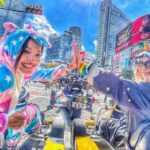

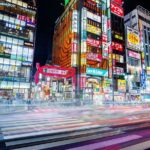
Shibuya start, and how your photographer actually builds the route
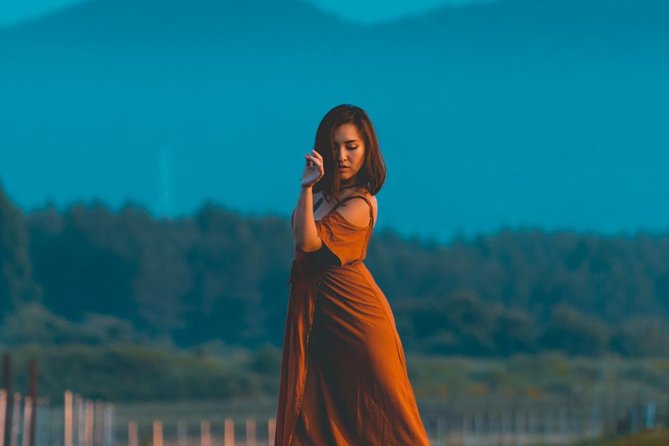
You meet in Shibuya, Tokyo, and the session ends back at the meeting point. That makes it easier to keep your day intact, since you’re not coordinating separate end-times in a different neighborhood.
Session length is listed as about 1 hour to 1.5 hours. The photo package also references a 1-hour option (10–12 edited photos) and a 2-hour option (20–22 edited photos). If you’re thinking outfit changes, I’d treat the longer session as the safer bet. With only an hour, you might not have enough time for the full “one outfit for neon, one outfit for temples” idea.
Your photographer picks locations based on your interests and objectives. That sounds like marketing until you realize how Tokyo works: different areas reward different styles. Shibuya is about movement and crowds. Asakusa and shrine areas reward calm composition and softer tones. Omotesando rewards architectural lines. You’ll get more “you” in the photos because the route is built around that.
Transport to and from attractions isn’t included. So if you’re planning your day around this shoot, I’d factor in train fare and time. The good news: the activity is near public transportation, so you’re not locked into taxis or long walks.
Route options: Tokyo from cyberpunk arcades to Hachiko moments
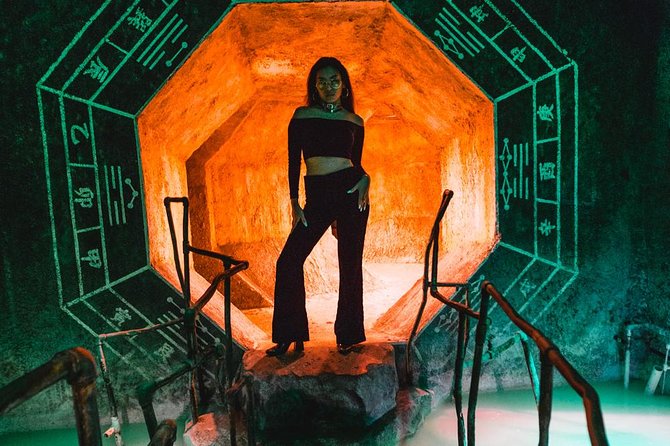
Here’s what the Tokyo route options give you, and what to watch for at each stop. Your final selection depends on your style and timing, but these are the kinds of scenes your photographer can use.
Anata no Warehouse (Kawasaki) for cyberpunk arcade drama
This five-story arcade facility in Kawasaki is designed to look like the former Kowloon Walled City in Hong Kong, with a cyberpunk vibe. It’s a strong choice if you want photos that feel cinematic and slightly otherworldly, not just “tourist landmark” shots.
The practical catch: you’ll likely be shooting in darker interiors or mixed lighting. If you’re picky about brightness and contrast, this is one area where you’ll benefit from having a photographer who can set exposure correctly.
Shibuya as a theme: stations, motion, and modern Tokyo energy
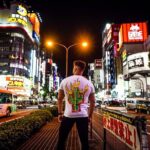
Shibuya is a major commercial hub with some of the busiest stations in the world. If your goal is “Tokyo looks like Tokyo,” this is where your photos start to feel current and urban.
The downside is crowd control. Even if your session is private, you’re still in a public area with pedestrians and trains. Your photographer will handle timing, but expect some waiting for the right gap in foot traffic.






A side street at night for calmer, human-scale photos
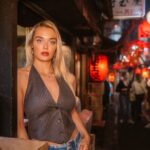
There’s a smaller side street option with mostly shopping and a few restaurants. These kinds of streets are great for couples because you can get atmosphere without standing under the biggest landmarks.
After dark, light sources can be flattering, but they can also create heavy shadows. If you want clean skin tones and readable detail, ask your photographer for brighter angles or positions near softer light.
Hachiko bronze statue for instant Tokyo recognition
Hachiko is the famous loyal Akita dog, and the bronze statue is a popular meeting spot. If you want one “classic Tokyo” anchor photo, this is it.
The consideration: it’s a popular spot, so timing matters. You’ll get better results if your photographer times the shot so you’re not blended into a dense crowd.
Classic Tokyo essentials: Asakusa, temples, fish market energy
Asakusa district vibe for traditional craft and street-food lanes
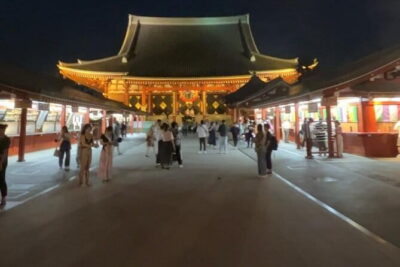
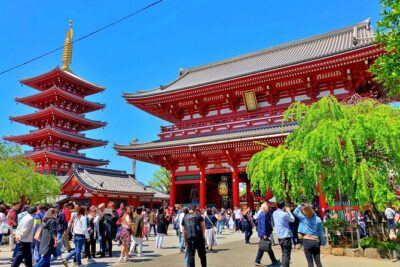
Asakusa keeps an older Tokyo feel with craft shops and street-food stalls along Nakamise Street near Sensō-ji. This is a great zone if you want photos that look like Tokyo life, not just architecture.
The photos can be busy because people visit for snacks and souvenirs. Your photographer can guide you to angles where you still get the background texture without losing focus on you.
Asakusa Shrine (Sanja-sama) for spiritual calm in portraits
Asakusa Shrine, also known as Sanja-sama, is a famous Shinto shrine. Shrine steps, lanterns, and gate structures are naturally photogenic and give you solid framing for couple portraits.
One drawback: bright sunlight can be harsh in open areas. If your session lands in peak sun, expect your photographer to adjust position and angle to avoid washed-out faces.
Akihabara for electronics and neon-leaning street shots
Akihabara is built around electronics retail, from tiny stalls to larger stores like Yodobashi Multimedia Akiba. If you love “tech city” energy, it’s a strong place for edgy, modern couple photos.
The challenge is visual noise. There’s a lot happening in the background, so you need someone thinking about composition—where your faces land, and how signs or shelves frame you.
Ueno Park for green space portraits that don’t scream tourist
Ueno Park is Tokyo’s largest green space and a popular attraction. It’s useful for photos because you can get a calmer background than in the thick commercial districts.
Drawback: parks can have unpredictable crowd flow. If you want quieter shots, time and positioning will matter, and your photographer’s route choice is key.
Wholesale fish market for that Tokyo sensory vibe
The fish market has seafood viewing areas and areas to watch tuna auction activity. It’s a fun option if you want photos that feel like Tokyo markets, with a sense of real daily life.
Practical note: market environments can be hectic and require careful movement. Your photographer may guide you to vantage points where you can look natural while the background action continues.
Tokyo’s oldest temple for a meaningful landmark feel
There’s an option described as Tokyo’s oldest temple and one of its most significant. This is the choice when you want your photos to connect to heritage, not just neon and storefronts.
The downside is crowd density around major temples. Expect that your best results come from timing and picking angles that keep your faces clear.
Harajuku and Omotesando for street style, architecture lines, and big fashion energy
Harajuku for color, character, and fashion-forward streets
Harajuku is known for colorful street art and fashion culture. It’s a good setting if you want your photos to look like Tokyo trend scenes rather than classic sightseeing.
The limitation is that Harajuku can be packed. For couple photos, you’ll want your photographer to find places where you can pause without getting constantly interrupted.
Takeshita Street for the unmistakable Harajuku look
Takeshita Street is a narrow pedestrian shopping street next to Harajuku Station. It’s famous for quirky vintage and cosplay shops, and it can be extremely busy.
This is where your photographer’s direction really matters. In a crowded street, you’ll get better photos if you’re guided on where to stand and how to keep movement natural rather than stiff.
Meiji Shrine for forest-light portraits
Meiji Shrine is dedicated to Emperor Meiji and Empress Shōken. The shrine sits within a lush forest of trees donated from different regions of Japan, which makes it one of the most atmospheric nature settings in central Tokyo.
For photos, this is where shaded light can look great, especially for softer portraits. The drawback: the forest setting can mean lower light, so your photographer needs good exposure technique.
Yoyogi Park for open-air calm near Harajuku and Meiji Shrine
Yoyogi Park is Tokyo’s largest public park and a popular escape. It’s also a strong option if your route is bouncing between Harajuku and Meiji Shrine, since it sits nearby.
If you want spring-style photos, it’s also known for hanami in season. Crowds can still appear depending on the time of year, but it usually feels less claustrophobic than the shopping streets.
Omotesando Hills for architecture with modern texture
Omotesando Hills is a fashion-and-culture-focused area with nearly 100 specialty shops and architecturally significant surroundings. It’s a great spot for couples who like geometric backgrounds and “design Tokyo” photos.
The consideration is that it can be visually busy. Your photographer will need to choose angles that keep you prominent rather than turning the background into a clutter puzzle.
Omotesando Avenue for clean tree-lined lines
Omotesando Avenue is a sloping, tree-lined boulevard in Aoyama, going through Shibuya and Minato wards. It gives you long perspective shots and a “Tokyo walk” feeling without needing big monuments.
A potential drawback: it can be windy, and sidewalks can be shared with lots of foot traffic. If you’re wearing anything that shows wind (dresses, loose coats), dress for control and comfort.
Tokyu Plaza for Instagram-style architecture at a key intersection
Tokyu Plaza sits at the intersection of Omotesando and Harajuku, and the entrance is described as architecturally beautiful and highly photo-friendly. If you want at least a few photos that feel modern and polished, this is a strong “anchor” stop.
Because it’s an important commercial spot, crowds can show up at the most inconvenient moments. Expect your photographer to pick the right time window for clean shots.
Imperial-area Tokyo and big icons: Tokyo Station to Ginza
Hibiya Park for a calm pause near major sights
Hibiya Park is a maintained oasis with trees, lawns, and flower beds near the Imperial Palace and Ginza. This is a practical choice when you want your photos to slow down and look more relaxed.
The tradeoff is seasonality. If it’s not in peak bloom, you’ll still get greenery and structure, but the color mood may be more subdued.
Imperial Palace grounds for formal, landmark-scale portraits
This site features scenic gardens and tours of the grounds, and it’s the main residence of the emperor of Japan. It’s the option for photos with a grand, formal backdrop.
The drawback is that the area’s feel can be more rules-and-regulations than street markets. You’ll want to follow your photographer’s guidance closely on where you can stand and how you pose.
A cherry blossom park by the imperial moat for soft seasonal photos
There’s a peaceful small park known for spring cherry blossoms on the outer side of the imperial palace moat. If your timing aligns with cherry blossom season, this can create very gentle, romantic-looking couple portraits.
If you’re not in cherry blossom season, you’ll still get the moat-side calm, but the signature color won’t be guaranteed.
Kitanomaru Park for budokan and open public grounds
Kitanomaru Park is north of the Tokyo Imperial Palace. It includes the Nippon Budokan and Science Mu museum, which means you can get both open park shots and a cultural landmark feel.
Public parks also mean public people. You’ll need a photographer who can time moments when your couple frame is clean.
Kanda Shrine for ancient roots and rebuilt structures
Kanda Shrine dates back 1,270 years, though the current structure was rebuilt after fires and earthquakes. It’s a strong pick if you want shrine atmosphere with a story-like sense of place.
Same practical issue: crowd flow. Shrines attract visitors, so your photographer’s route planning and your willingness to wait a bit makes a big difference.
Edo-period style pond park for classic water reflections
There’s an option described as a public park with an Edo-period style pond on the site of a 17th-century Shogun villa. Water reflections can be great for portraits, especially when the light isn’t too harsh.
This is also an environment where you’ll likely keep movement careful. If you’re doing anything like flowing dresses, plan for footing and stability.
Palace gardens tied to a palace first built in 1888
Another option is a landscaped palace garden first built in 1888, with some Edo castle ruins. This stop is all about formal grounds, layered background depth, and architectural context.
The drawback: it can feel more like “slow sightseeing” than quick street portraits. That’s not bad; it just means you’ll benefit from having enough time in your session to let your photographer work.
Tokyo Station red brick for nostalgic urban icons
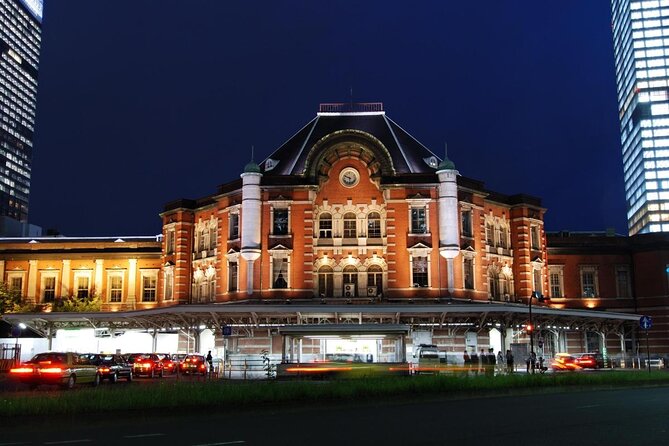
Tokyo Station is famous for its red brick building, which is on most must-see lists. It’s perfect for couple photos if you want an instantly recognizable Tokyo landmark with strong lines.
Crowds can be heavy here too, especially near platforms and entrances. Your photographer will likely aim for angles where the building dominates the frame instead of the mass of people.
Shibuya scramble intersection for the full big-city statement
The scramble intersection outside Shibuya Station is described as Tokyo’s embodiment: action in all directions, with big screens flashing ads. This stop is built for dynamic “Tokyo in motion” photos.
The tradeoff is that exposure and timing matter a lot. If you want you as the main subject, your photographer must manage shutter speed and positioning so your faces don’t blur into the background.
Ginza for polished shopping district portraits
Ginza is packed with upmarket boutiques and ritzy sushi and cocktail spots. For photos, it’s a good environment when you want clean storefront reflections and a more elegant Tokyo vibe.
The practical concern is that Ginza can feel more “formal” and less relaxed. If you want a casual look, tell your photographer early so they can pick angles that feel natural, not staged.
Photo results: what you’ll get back, and how to make your shots look good
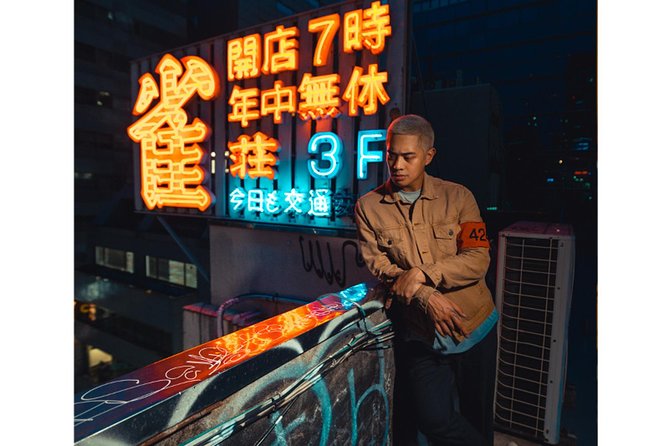
For the 1-hour session, you receive 10–12 edited photos and unedited versions. For the longer option, you receive 20–22 edited photos and unedited versions. Edited photos arrive within a few days, so you won’t have to wait forever to see your Tokyo results.
One small detail that matters: attire and outfit changes. The guidance says guests often enjoy changing outfits, but a 1-hour session may not be enough time for wardrobe changes. If your plan includes more than one look, I’d lean toward a longer session so you’re not rushing between backgrounds.
Also, look at the sample “style” you like. In one example from a photographer named Yosuke, street photostyle shooting around Omotesando and Aoyama focused on set composition with ambient surroundings. That’s exactly what you should want if you like photos where the city supports your pose instead of fighting it.
There’s another quality note to consider too: one experience mentioned photos coming out too dark, making it harder to appreciate the scenes. That’s rare, but it’s a reminder to tell your photographer if you prefer brighter, cleaner exposure (or if you’re not sure, just ask what they recommend).
Who this works best for (and who might not love it)
This is a strong fit if you’re traveling as a couple and you want photos that feel intentional. It’s also ideal if you hate the idea of spending half a day trying to coordinate your own shots or asking strangers for help.
It’s especially useful if you want a mix of scenes: tech corners (Akihabara), fashion streets (Harajuku/Omotesando), shrine calm (Meiji Shrine), and major icons (Tokyo Station and Shibuya scramble). You can get a couple-focused story without turning your day into a checklist.
You might want a different approach if you’re very budget-sensitive, because this is a professional service. And if you’re planning your schedule around specific outdoor timing (like cherry blossoms or low-light neon shots), remember that weather can affect whether the shoot happens as planned.
Should you book this Tokyo photoshoot?
I’d book it if you want couple photos with direction, planning, and edited results delivered quickly. The private setup matters, the location customization matters, and Shibuya is a smart starting point for hitting multiple Tokyo “moods.”
I’d think twice if you’re traveling with a tight timetable for outfit changes or you’re visiting in a season where rain can easily mess up outdoor plans. In that case, either build flexibility into your schedule or consider booking the longer session so the photographer has time to get the best variety of shots.
FAQ
How many edited photos do I get?
For a 1-hour session, you receive 10–12 edited photos. For a longer 2-hour session, you receive 20–22 edited photos. You also get unedited versions.
How quickly will I receive the photos?
The edited photos are provided within a few days.
Is the photoshoot private for just my group?
Yes. This is a private photoshoot, so only your group participates.
Can the photographer choose locations based on what I like?
Yes. Locations are chosen based on your interests and objectives.
Where do we meet, and does the tour return to the start?
You start in Shibuya, Tokyo, Japan, and the activity ends back at the meeting point.
Is transportation included?
No. Transportation to and from attractions is not included.
What happens if the weather is bad?
The experience requires good weather. If it’s canceled due to poor weather, you’ll be offered a different date or a full refund.