REVIEW · TOKYO
Practicing Zen through Japanese Tea Ceremony
Book on Viator →Operated by True Japan Tour · Bookable on Viator
In Tokyo, quiet can be a craft. This Zen-linked matcha session slows your day down with a licensed tea master and a real ceremonial format. Zen isn’t tacked on here; it’s woven into how you handle tea, utensils, and attention.
I love that you don’t just watch—you learn the steps and then do it again yourself for a second tea moment. I also love the wagashi pairing, where the sweets are selected to complement the flavor of ceremonial matcha, not handed out at random.
One possible drawback: the ceremony may feel more modest in setting, including an indoor room described as a basement-like space in an office building. And if you’re hunting for lots of Zen theory, expect more time with the tea ceremony practice than lecture-heavy philosophy.
In This Review
- Quick hits you’ll care about
- Why a Zen-linked matcha ceremony beats another museum block
- The room, the pace, and why 1 hour 15 minutes works
- Meeting at Kikai Shinkō Kaikan: easy access, no wandering
- Your tea master’s job: meaning first, then technique
- Matcha prep, step by step: what you learn and why it matters
- Wagashi pairing: sweets chosen for how matcha tastes
- A calm break from city energy, with real cultural context
- Value check: what $64.50 gets you in Tokyo terms
- Who should book this, and who might not love it
- Practical tips to get more out of the ceremony
- Should you book this Zen tea ceremony?
- FAQ
- Where does the tea ceremony take place?
- How long is the experience?
- How much does it cost?
- How many people are in the group?
- Is the tea master’s instruction available in English?
- Do I get to make matcha myself?
- What food and drinks are included?
- Is pick-up or drop-off included?
- When will I receive confirmation after booking?
- What’s the cancellation policy?
Quick hits you’ll care about
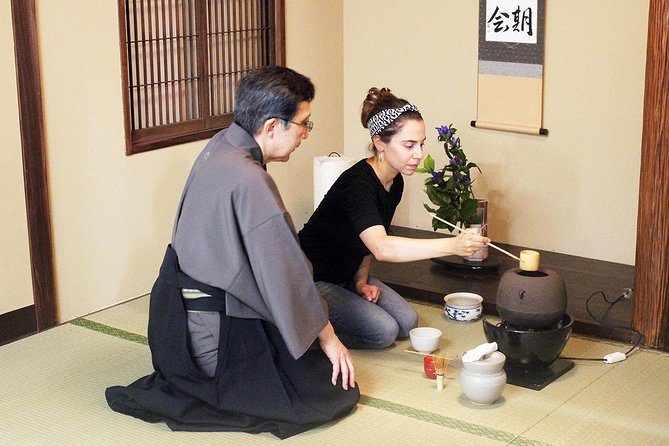
- Bilingual tea master instruction in English, with ceremonial meaning explained as you go
- Matcha + sweets included, with wagashi paired specifically for the matcha you’re making
- Hands-on twice: you’ll watch, then prepare your own tea with guidance
- Small group size with a cap of 28, so you can actually ask questions
- Utensils and hanging scrolls get explained, not just used
- Short and focused: about 1 hour 15 minutes, easy to fit on a last-day itinerary
Why a Zen-linked matcha ceremony beats another museum block
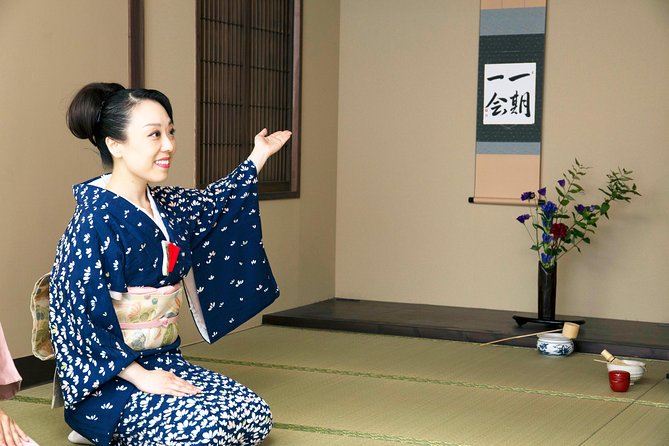
If your Tokyo plan is packed with temples, trains, and constant motion, this is a smart pivot. Instead of adding another exhibit, you sit in a carefully paced tea setting where attention is the main activity. The goal is a quiet cultural pause during busy travel, and you’ll feel that difference right away in how the tea master structures the session.
Two things make it especially worthwhile. First, the experience teaches the foundations of a Japanese tea ceremony with an explicit connection to Zen practice. That matters because you’re not only learning how to whisk matcha—you’re learning how to slow down, handle objects with care, and treat the moment like it counts. Second, you get guidance from a bilingual licensed tea master, so the meaning lands even if you don’t speak Japanese.
The vibe also hits a sweet spot: calm, respectful, and practical. You leave with a skill you can actually repeat at home, not just photos. And yes, the tea tastes like someone cared about the details.
You can also read our reviews of more tours and experiences in Tokyo.



The room, the pace, and why 1 hour 15 minutes works
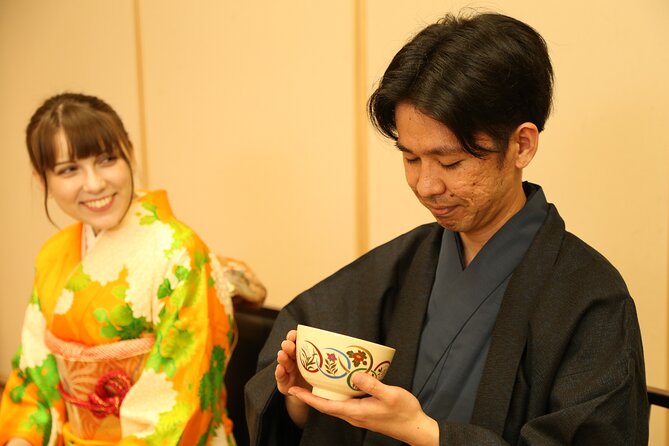
This session runs about 1 hour 15 minutes, which is a big part of its value. In Tokyo, it’s easy to waste hours on transit and long wait times. Here, the format stays tight: welcome, explanation, tea preparation, tasting, then your own second try.
That short duration is also a good fit if you’re traveling with mixed interests. Even if you’re not a huge tea person, you’ll still get the cultural context—how hospitality and dining aesthetics show up in a tea setting. And if you do love matcha, you’ll enjoy the hands-on part, especially because you learn ceremonial preparation methods rather than a casual pour-and-go style.
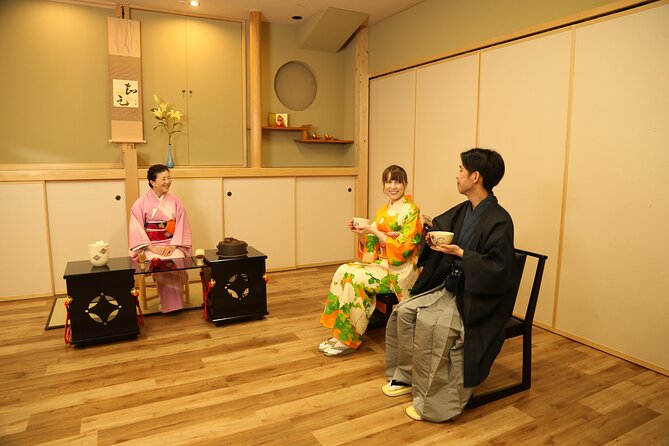
One thing to consider: some participants have described the setting as more simple than expected, including an indoor room described like a basement area in an office building. That doesn’t automatically ruin the experience, but it’s worth knowing. If you’re only comfortable with bright open-air spaces, manage expectations and think of this as an interior practice, not a scenic escape.
Meeting at Kikai Shinkō Kaikan: easy access, no wandering
The meeting point is Kikai Shinkō Kaikan, 3-chōme-5-8 Shibakōen, Minato City, Tokyo 105-0011. The experience starts and ends back at the same location, so you’re not dealing with drop-offs or a second transport puzzle.
It’s also listed as near public transportation, which is exactly how you want it for a short cultural activity. When I’m choosing a tour, I care about friction. This one removes a lot of it. You can plan a museum in the morning, lunch nearby, and still make it here without turning your afternoon into a logistics project.
You’ll want to arrive a little early so you can settle in calmly. Tea ceremonies reward patience. Even ten minutes of breathing room helps you switch from Tokyo pace mode to tea pace mode.
Your tea master’s job: meaning first, then technique
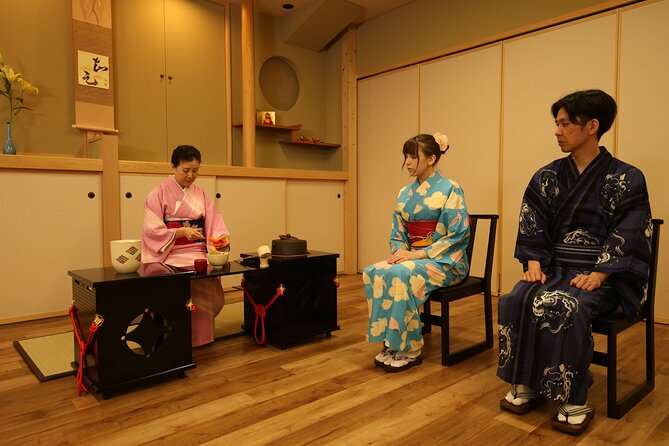
The session is led by a licensed tea master and includes explanations in English. You’ll hear about the tea ceremony itself, how it connects to Zen practice, and how Japanese hangings and utensils fit into the overall experience. That is a real advantage for first-timers, because it helps you understand why people behave a certain way in the room.
Guides have been described as warm and welcoming, including Miyuki and Yuuko (both mentioned as tea masters in the experience). What stands out is how they respond to the group: they listen to participant questions and adjust the tone accordingly. In other words, you’re not trapped in a one-way lecture.
The bilingual format also matters. In many language-light experiences, you get just enough words to follow the motions, but not enough meaning to remember what you just did. Here, you’re given the context while the technique is still fresh in your hands—so it sticks.
Matcha prep, step by step: what you learn and why it matters
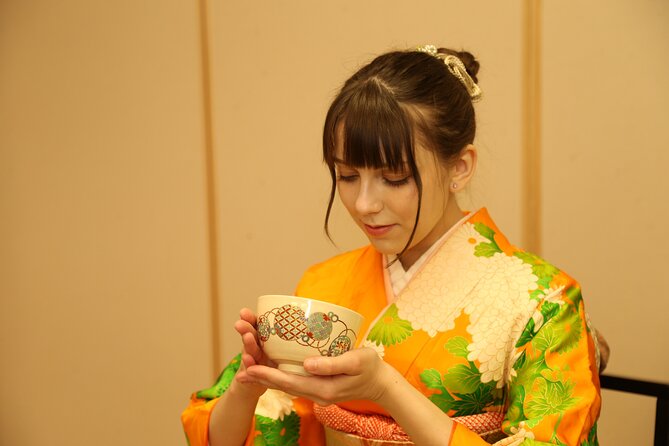
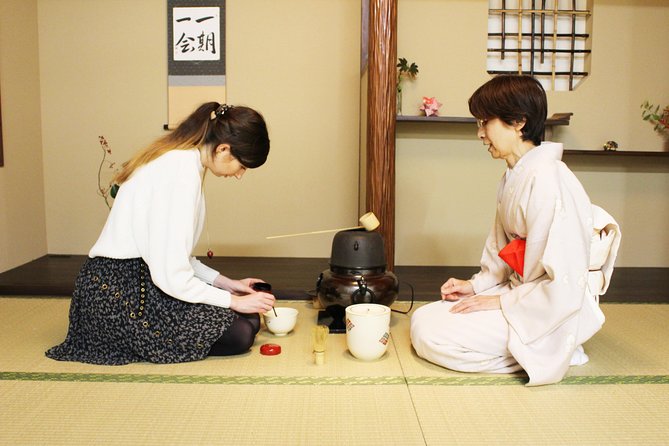
The core action is preparing matcha green tea using classical ceremonial methods. You’ll start by watching the tea master demonstrate the process in a way that feels structured, not random. Then you’ll follow the steps with guidance.
This is one of those activities where the details change the outcome. Matcha isn’t just a flavor; it’s a texture and a ritual. When you learn the proper steps, you understand why the ceremony cares about timing, whisking, and handling the tools. You’re also learning how to slow your movements and stay present.
After the first ceremonial preparation and tasting, you get your own turn. The experience includes a second tea ceremony performed by yourself (with instruction). That second round is the difference between learning trivia and learning a skill. You’ll catch what felt awkward the first time and improve with the tea master’s feedback.
One more practical note: even though the setting is quiet, don’t expect total silence mode. The tea master will explain what you’re doing, and you’ll likely have chances to ask questions during the process.






Wagashi pairing: sweets chosen for how matcha tastes
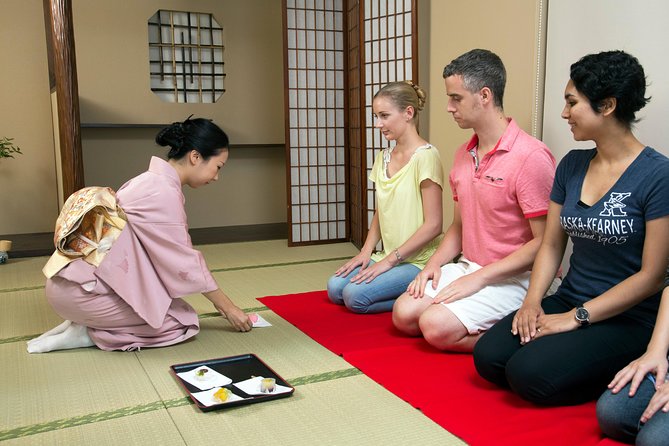
You’ll taste traditional Japanese sweets made to complement the flavor profile of ceremonial matcha. This is not just dessert offered alongside tea. It’s part of the tasting logic—how the sweetness and texture interact with matcha’s bitterness and aroma.
Why I like this part: it teaches you to taste with purpose. Instead of gulping tea and snack at the same time, you slow down to notice. Matcha has a distinct character, and wagashi is designed to meet it, not fight it.
You should also know what’s included: traditional sweets are provided during the session, and there aren’t additional food items listed. So if you’re hungry, plan a meal either before or after. The experience is about matcha and ceremony, not a long restaurant-style hang.
A calm break from city energy, with real cultural context
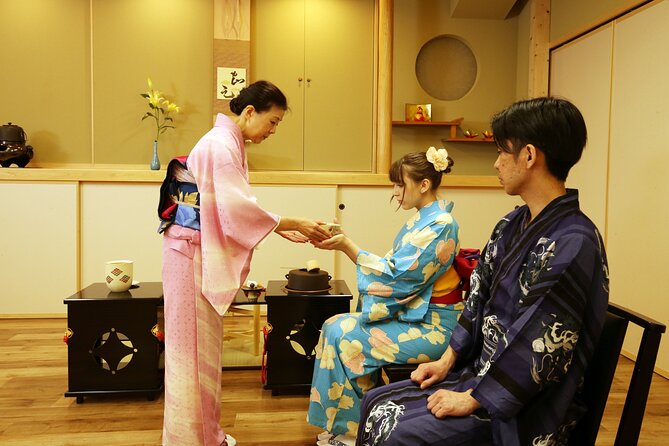
Tokyo can run hot. Even when you’re having a great day, you can feel the constant hum. This ceremony works as a mental reset because it asks you to practice calm attention. That’s the Zen connection in practical form: less multitasking, more awareness of small actions.
The session also covers the aesthetic side of Japanese hospitality and dining, including explanations of tea utensils and hanging scrolls. If you’ve ever looked at Japanese design and thought, I want to understand why this feels peaceful, this helps you connect those dots without needing a deep background.
And because it’s a guided experience, you don’t have to guess what you’re supposed to notice. The tea master’s explanations give you handles: what the tools are for, why they’re treated with care, and how the ceremony frames the act of drinking tea as a shared moment.
It’s a nice change from structured sightseeing. Instead of collecting landmarks, you collect an experience you can repeat.
Value check: what $64.50 gets you in Tokyo terms
At $64.50 per person for about 1 hour 15 minutes, you’re paying for instruction plus included materials. Your ticket includes:
- a bilingual licensed tea master
- authentic matcha green tea
- traditional Japanese sweets
- a tea ceremony performance with a tea master with 5+ years’ experience
- a second tea ceremony where you make the tea yourself with instruction
- English explanation of tea ceremony basics, Zen practice connection, hanging scrolls, and utensils
That’s the main value story: your money funds both the cultural teaching and the hands-on practice, with consumables provided. You’re not expected to bring your own matcha or purchase sweets separately.
The only clear limits are also worth noting. Pick-up and drop-off services aren’t included, and there’s no mention of extra food or beverages beyond what’s part of the ceremony. So plan to arrive under your own steam, and treat this as a focused activity rather than a full meal plan.
Who should book this, and who might not love it
This is a strong choice if you:
- want a quieter cultural experience that isn’t another museum stop
- like learning by doing (especially learning matcha prep hands-on)
- appreciate explanations in English so you understand the why, not just the how
- want a calm, structured break during a busy Tokyo itinerary
It may be less ideal if you:
- prefer very scenic, outdoor, or high-energy atmospheres
- expect a long, lecture-style Zen discussion
- need a more flexible schedule around food and drinks (this is matcha-first, not a restaurant hang)
If you’re the type who loves small-group learning, you’ll probably like the maximum of 28 travelers. It’s not a private home ceremony, but it’s also not a huge crowd where you feel lost.
Practical tips to get more out of the ceremony
A few small choices will help your experience feel smoother:
- Wear comfortable clothes and shoes. You’ll be focused on technique and posture while you learn.
- Take the first taste seriously. The wagashi pairing is part of the lesson, not an afterthought.
- Ask questions when you’re curious. The session includes English explanation, and the tea master style has been described as warm and responsive.
- Arrive a bit early. This helps you settle your mind before you start whisking matcha like it matters. Because it does.
Also, if you’re matching your plan to the day, remember the structure ends back at the meeting point. That makes it easy to place between other activities without committing to complicated routing.
Should you book this Zen tea ceremony?
I’d book it if you want a meaningful Tokyo experience that’s calm, hands-on, and easy to schedule. For a little over an hour, you’ll learn matcha preparation using classical methods, taste ceremonial matcha with paired wagashi sweets, and do the ceremony yourself a second time with instruction. That combination is rare in short tours: most are either watch-and-learn or casual eating. This one gives you both practice and context.
I’d think twice only if you strongly prefer open-air settings or you’re mainly looking for long Zen theory. The ceremony is the center of gravity here, and Zen is taught through practice and meaning tied to the utensils and atmosphere.
If you can, book soon. The experience is commonly booked about 8 days in advance, and you receive confirmation within 48 hours of booking when space is available.
FAQ
Where does the tea ceremony take place?
It starts at Kikai Shinkō Kaikan, 3-chōme-5-8 Shibakōen, Minato City, Tokyo 105-0011 and ends back at the same meeting point.
How long is the experience?
The duration is about 1 hour 15 minutes.
How much does it cost?
The price is $64.50 per person.
How many people are in the group?
The experience has a maximum of 28 travelers.
Is the tea master’s instruction available in English?
Yes. The tea master provides explanations in English, and the tea master is described as bilingual.
Do I get to make matcha myself?
Yes. You’ll do the ceremony yourself for a second tea ceremony with instruction.
What food and drinks are included?
You’ll have authentic matcha green tea and traditional Japanese sweet confections that are paired for the ceremony.
Is pick-up or drop-off included?
No. Pick-up and drop-off services are not included.
When will I receive confirmation after booking?
Confirmation is received within 48 hours of booking, subject to availability.
What’s the cancellation policy?
You can cancel for a full refund with free cancellation up to 24 hours in advance of the experience start time.