REVIEW · TOKYO
Osaka: Premium Go-Kart City Tour with Costumes and Photos
Book on GetYourGuide →Operated by Monkey Adventure Kart · Bookable on GetYourGuide
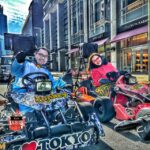
Neon Osaka is better with an engine. This street-legal go-kart tour turns iconic neighborhoods into a ride, not a shuffle, and you also get costumes plus photos so the whole thing looks great. I love the mix of fun and structure, and I like that it stays guided and safety-first—but the biggest catch is the paperwork for driving in Japan.
You’ll cruise through areas like Tennoji, Tsutenkaku, Nihonbashi, Shinsaibashi, and Dotonbori, with the guide steering the route and capturing moments along the way. In one group I’ve seen guidance handled by staff like Matt and Lucky, and you can expect a patient, photo-minded vibe rather than a rushed caravan.
One possible drawback: if your driving permit doesn’t meet the exact Japan rules (paper IDP under the 1949 Geneva Convention), you won’t be able to drive. For many people, that’s not a small detail—it’s the difference between riding and watching from the sidelines.
In This Review
- Key things that make this go-kart tour stand out
- Osaka by Street-Legal Go-Kart: Why This Feels Different
- Costumes and Guide-Run Photos: Turning the Ride into Keepsakes
- The Route: Tennoji, Tsutenkaku, Nihonbashi, Shinsaibashi, Dotonbori
- Tennoji: Big-city Osaka, without the cosplay feeling
- Tsutenkaku and Shinsekai energy: Old-meets-playful Osaka
- Nihonbashi: Classic shopping streets and easy photo moments
- Shinsaibashi: The shopping heartbeat
- Dotonbori: Neon lights, instant Osaka identity
- Safety Briefing and Traffic Rules Without the Fun-Freeze
- The Big Practical Gate: Japan’s IDP Requirements (Don’t Skip This)
- Time on the Kart: 75 Minutes, Locker Access, and the Real Rhythm
- Value at $58: Costumes, Fuel, Photos, and What You Pay Extra for
- Who Should Book This (and Who Should Skip It)
- Should You Book Monkey Adventure Kart’s Osaka Go-Kart Tour?
- FAQ
- How long is the go-kart city tour?
- What is the group size?
- Is a costume included?
- Are photos included?
- Where does the tour start and end?
- Which areas of Osaka will we ride through?
- What driving permit do I need to participate?
- Are online copies of the IDP acceptable?
- What should I bring with me?
- Can I cancel for a refund?
Key things that make this go-kart tour stand out
- Costumes are included, so you can commit to the bit and get better photos right away
- High-quality guide photography means you’re not juggling a camera while you ride
- A small group (max 5) keeps the pace friendly and makes first-time drivers feel less nervous
- Street-legal routing through classic Osaka zones like Dotonbori and Shinsaibashi, not just a basic loop
- English-speaking guides handle safety, rules, and the flow of stops
- Extra photo/gear upgrades exist, like GoPro and Insta360, if you want more than the included photos
Osaka by Street-Legal Go-Kart: Why This Feels Different
Osaka has a way of rewarding you for moving through it with your eyes open. On foot, you can get the sights, sure—but it’s easy to lose time between photo ops. A go-kart flips the math: you’re closer to the street energy, and the city keeps coming at you.
What makes this tour feel premium is that it’s not framed like a random thrill ride. It’s presented as a real street experience with a route that passes through well-known districts, and it follows local traffic expectations. That means you’re not constantly stopping, waiting, or feeling like you’re in a theme-park lane.
The other reason I like the concept: it’s built for your first impressions of Osaka. Tennoji, Shinsekai/Tsutenkaku, and then down toward the neon of Dotonbori gives you a quick “best-of” arc without needing a day of commuting on trains.
You can also read our reviews of more city tours in Tokyo


Costumes and Guide-Run Photos: Turning the Ride into Keepsakes
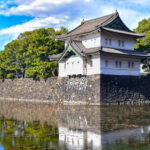
This is the part that makes the experience genuinely social. Before you head out, you pick from a range of costumes. Even if you’re not normally into dressing up, you’ll probably appreciate two things: it reduces the awkwardness of being in a group, and it makes your photos look intentional instead of accidental.
Then there’s the photo workflow. The guide leads the route and also captures pictures during the ride, which is a big deal in a city where you want both hands free and your attention on what’s in front of you. The included photos are the main draw, and they’re aimed at turning your kart moment into something you can take home.
One more small but memorable detail: some groups have received a take-home photo and a small keepsake like a keyring. It’s not the reason to book, but it’s the kind of extra that makes the event feel thought-through.
The Route: Tennoji, Tsutenkaku, Nihonbashi, Shinsaibashi, Dotonbori
You don’t just pass through Osaka’s famous areas—you connect them. Here’s how the neighborhoods fit together and what you can expect to notice as you roll through.
Tennoji: Big-city Osaka, without the cosplay feeling
Tennoji is a good opener because it shows you Osaka as a functioning city first. You’ll get a sense of daily movement—streets, storefront rhythm, and the kind of urban layout that helps you understand what you’ll see later when the lights get louder.
Tsutenkaku and Shinsekai energy: Old-meets-playful Osaka
Tsutenkaku and Shinsekai are the places where Osaka leans into personality. Expect street scenes that feel nostalgic but lively, with a dense cluster of signage and casual nightlife atmosphere. It’s a smart stop because it changes the mood before you hit the neon zone.
You can also read our reviews of more photography tours in Tokyo




Nihonbashi: Classic shopping streets and easy photo moments
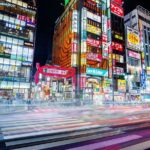
Nihonbashi is where the city gets practical and commercial. Even if you’re not buying anything, it’s a great area for street photos because the blocks feel active and built for walking—perfect background material when you’re rolling past in costume.
Shinsaibashi: The shopping heartbeat
Shinsaibashi is all about motion. You’ll feel it in the density of storefronts and the way the street activity never fully pauses. This is also where your costume and “we’re on an adventure” energy really match the vibe, because the area naturally supports street-level scenes.
Dotonbori: Neon lights, instant Osaka identity
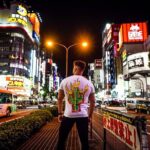
Dotonbori is the obvious finale—and it’s the right one. This is where you’ll notice Osaka’s visual signature: neon, big signs, and a crowd energy that makes the city feel like it’s on stage. If you’re riding near evening, the glow tends to do a lot of the work for you.
Safety Briefing and Traffic Rules Without the Fun-Freeze
A go-kart tour should feel like freedom, not a lecture. Here, the tour keeps the safety briefing clear and practical, and then you’re on the road with a guide. The key is that the experience is described as safe, guided, and following local traffic rules and regulations.
That matters for two types of travelers:
- First-timers who don’t want to guess their way through an unfamiliar driving setup
- Anyone who wants adrenaline, but not at the cost of stress
From the way guides work in real groups, you can also expect supportive coaching. In at least one case, the guide handled a slower first-timer’s pace with patience, including adapting the route when needed. That tells me the operation is designed to keep the group together while still letting people feel in control.
The Big Practical Gate: Japan’s IDP Requirements (Don’t Skip This)
This tour is fun, but Japan’s driving rules are not casual. To drive, you need a valid driving license for Japan, including a hard copy International Driving Permit (IDP) issued under the 1949 Geneva Convention, with the physical paper booklet.
Here’s what you should treat as non-negotiable based on the rules shared for participation:
- Online or soft copies of the permit are not accepted. You need the paper booklet.
- Permits issued under the 1968 Vienna Convention (and a list of other permit types) are not recognized.
- For some national licenses, you also need a Japanese translation. One example given is that French, Swiss, Taiwanese, German, Monaco, and Belgian license holders require a Japanese translation from the JAF office.
- If your country’s issued permit type isn’t allowed in Japan (several specific countries are listed as not allowed), you won’t be able to drive even if you have some form of international license.
There’s also a clear age requirement: participants need to be over 18, and the tour is not suitable for drivers under 18.
Practical tip: check your permit before you leave home. Japan’s “show me your paper booklet” approach can be the one thing that derails the day.
Time on the Kart: 75 Minutes, Locker Access, and the Real Rhythm
The total time is 75 minutes, which is long enough to feel like you did something meaningful, but not so long that you get drained. That duration is important because go-karts are physically engaging—you feel the wind, you focus, and your body notices the vibration.
You start at 6-chōme-2-13 Ebie. You’ll get a safety briefing before you ride, and you’ll also have locker access, which is a nice touch for storing bags while you’re driving. You’ll ride through the main city areas, with a photo stop included as part of the flow.
So what does your time likely look like?
- briefing and setup (helmets/kart orientation style steps as applicable)
- driving segments linking key districts
- photo opportunities handled by the guide
- returning to the starting point
The tour is capped at a maximum of 5 participants, which helps keep pace smooth. In a small group, you get less waiting and more actual riding time.
Value at $58: Costumes, Fuel, Photos, and What You Pay Extra for
At about $58 per person, the value comes from what’s included—not just the kart. Your package includes:
- the go-kart
- fuel
- costumes (a wide variety)
- a professional English-speaking guide
- photos
- locker access
That’s a strong deal structure for a city where street-level activities often charge separately for guide time, gear, or photo services. The photos alone can justify the premium if you want something better than selfies on a moving street.
What’s not included: if you want to mount your own camera, you can add a GoPro (3,500 JPY) or Insta360 with edit (13,500 JPY). If you’re the type who likes raw footage and quick sharing, these add-ons might be worth considering. If your goal is to look good in photos, the included guide photography may be enough.
Who Should Book This (and Who Should Skip It)
This tour fits best if you want Osaka with a little adrenaline and a lot of visual punch. I’d especially recommend it for:
- first-time visitors who want a quick hit of major districts
- couples and small groups who want shared memories that look great
- anyone who likes street life more than museum-style sightseeing
It’s also a good option if you don’t want to spend your day planning route logistics. A guide handles the routing and timing, and you’re there to drive and look.
I’d skip it if:
- you’re pregnant (the tour is not suitable)
- you’re under 18 or you’re unsure about license acceptance
- you don’t want the stress of confirming your IDP paper requirements
Should You Book Monkey Adventure Kart’s Osaka Go-Kart Tour?
If you have your 1949 Geneva Convention paper IDP ready, I think this is a smart booking. You get costumes, guide photography, and a compact Osaka highlight route in about 75 minutes, without needing you to figure out where to start and how to weave neighborhoods together.
I’d say book if your idea of a good day includes street signage, neon, and being part of the city instead of watching it from behind a ticket line. It’s also good value compared with similar experiences because so much is included up front.
Hold off if your license situation is even slightly uncertain. The permit requirements are strict, and the tour is designed for driving, not for spectators who hoped their paperwork would be flexible.
FAQ
How long is the go-kart city tour?
The tour duration is 75 minutes.
What is the group size?
The group is small, limited to 5 participants.
Is a costume included?
Yes. A wide variety of costumes is included.
Are photos included?
Yes. The tour includes photos captured by the guide.
Where does the tour start and end?
It starts and returns to 6-chōme-2-13 Ebie.
Which areas of Osaka will we ride through?
You’ll ride through iconic areas including Tennoji, Tsutenkaku, Nihonbashi, Shinsaibashi, and Dotonbori.
What driving permit do I need to participate?
You must have a valid driving license for Japan plus a hard copy International Driving Permit issued under the 1949 Geneva Convention, with additional translation requirements for some national licenses.
Are online copies of the IDP acceptable?
No. Online or soft copies of permits are not valid.
What should I bring with me?
Bring your passport or ID card and your international driver’s license/IDP materials as required.
Can I cancel for a refund?
Yes. You can cancel up to 24 hours in advance for a full refund.