REVIEW · TOKYO
Osaka: Kyoto By The Sea with Amanohashidate & Ine no Funaya
Book on GetYourGuide →Operated by JTOURSTORY · Bookable on GetYourGuide
A seaside detour from Kyoto city feels like a reset. This Osaka-to-Kyoto-by-the-sea trip pairs two of Japan’s most photogenic coastal stops—Amanohashidate and Ine no Funaya—so you trade crowds for water views and slow walking. Along the way, you also get a proper cultural moment at Chionji Temple with its famous fan-shaped fortune slips.
I especially like the way Amanohashidate delivers the scenery in layers: the sandbar view, then the hilltop panoramas, then the beach air. You’ll also have the chance to see Ine no Funaya’s floating fishing village up close, and the optional sightseeing boat makes those “houses on the water” feel real, not just postcard flat.
One thing to think about: this is a tour with optional add-ons (like the chairlift/monorail and the Ine boat ride), and there’s walking in coastal areas. It’s also not wheelchair-accessible, though it is stroller-friendly if you let the operator know ahead of time.
In This Review
- Key highlights worth planning around
- Amanohashidate’s pine sandbar: why the view hits fast
- View Land and the sky bicycle: pay for thrills or keep it chill
- Chionji Temple’s fan fortunes: calm culture in plain form
- Kaisen Bridge rotating for boats: a quick scene worth timing
- Amanohashidate Beach: sea breeze, pine paths, and a real reset
- Ine no Funaya: how a floating village changes your perspective
- How the pacing works: highway time, breaks, and photo help
- Price reality check: what $55 buys (and what to budget extra)
- Who this Osaka to Kyoto by the Sea trip suits best
- Should you book this Amanohashidate and Ine day trip?
- FAQ
- What’s the meeting point for this tour?
- Is lunch included in the price?
- What optional fees might I pay during the day?
- How long is the tour?
- What languages are available for the guide?
- Is the tour stroller-friendly or wheelchair-accessible?
Key highlights worth planning around
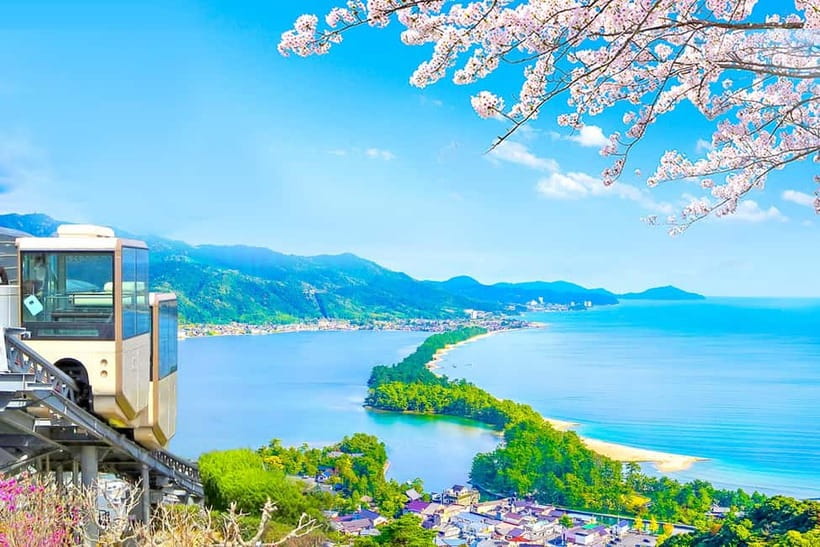
- Amanohashidate’s pine-lined sandbar along Miyazu Bay, with the famous upside-down heaven-and-earth look
- Chionji Temple fortune ritual using oversized folding fan-shaped slips for wisdom and success
- View Land viewpoints with optional chairlift/monorail plus the sky bicycle track (extra charge)
- Kaisen Bridge rotating for boats, a quick but fun spectacle if the timing works out
- Ine no Funaya funaya fishing village with 200+ traditional boat houses on the water
- Optional sightseeing boat (1,000 Yen) for close-up angles and water reflections
Amanohashidate’s pine sandbar: why the view hits fast
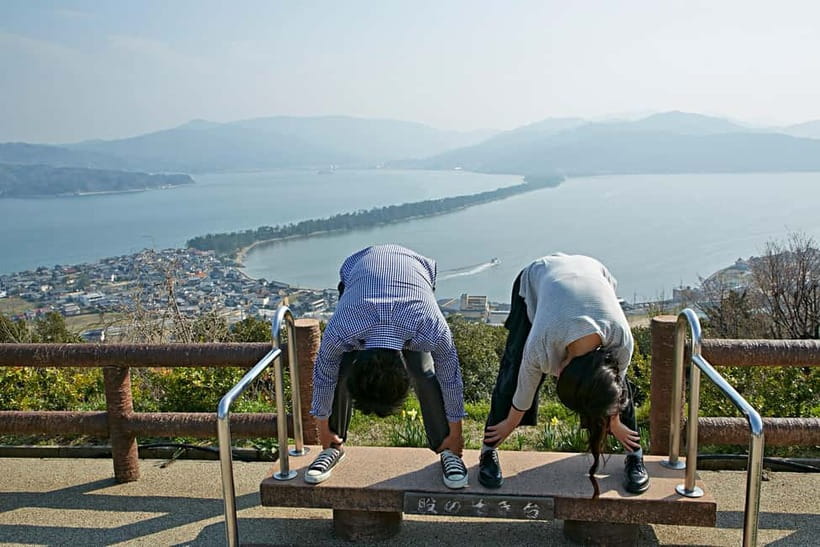
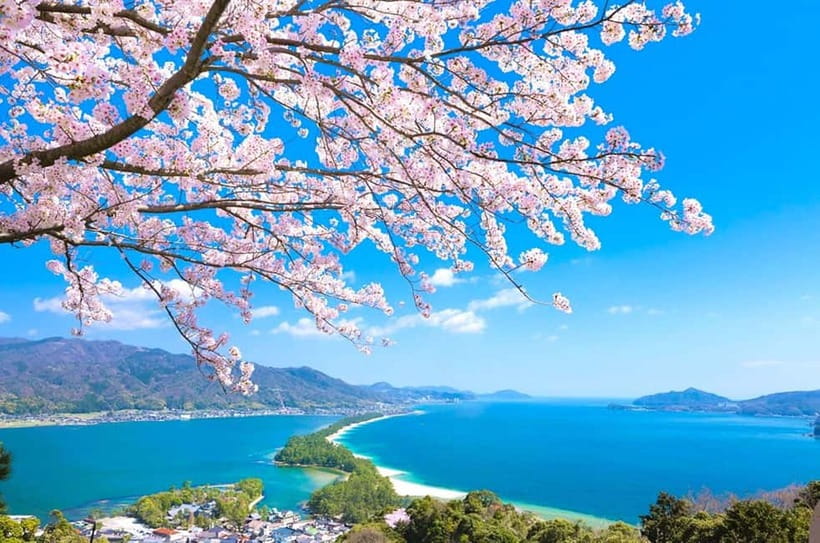
Your morning starts with a smooth departure from Tsurutontan Soemoncho, right on time (please arrive before 07:50 AM). From there, you’re pointed toward Miyazu Bay, where Amanohashidate stretches like a natural bridge across the water. The detail that makes it feel special is the scale: you’re looking at a sandbar with over 5,000 pine trees, creating that signature “connected to the sky” effect people love when they view it from the right angle.
What I like about Amanohashidate as a tour stop is that it’s not only one view. You get time for photos, a temple-side culture pause nearby, then later you’ll come back for beach time and a walk. That structure matters because weather can change, and with breaks you can catch better light without feeling rushed.
A small planning note: if you’re the type who hates crowds, mornings and off-peak timing help. This tour style also keeps you moving together, which can reduce the “where do I go next” stress that sometimes ruins scenic days.
You can also read our reviews of more tours and experiences in Tokyo.



View Land and the sky bicycle: pay for thrills or keep it chill
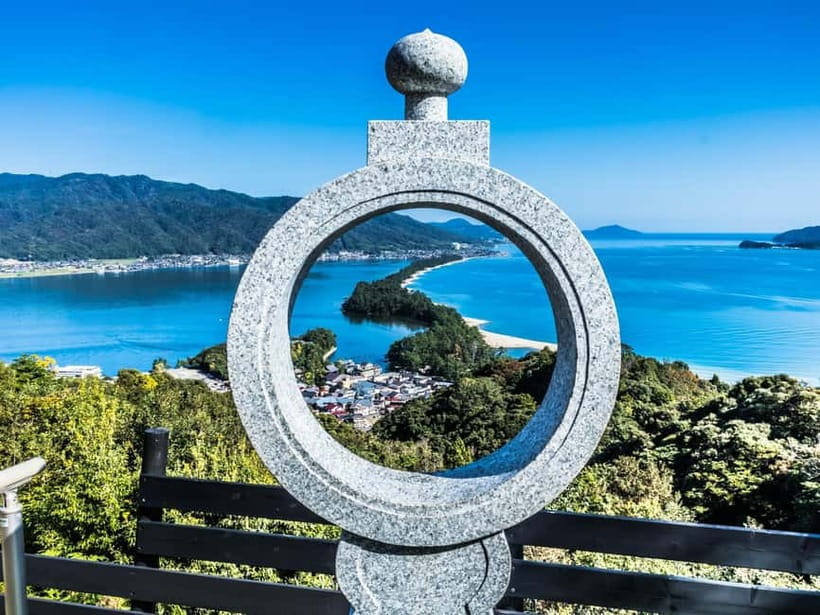
Amanohashidate doesn’t stop at the waterline. You’ll also head to Amanohashidate View Land, where you can take either the chairlift or the monorail (850 Yen, paid on your own). Up on the hilltop park, you’re treated to wide panoramas over the bay and sandbar, the kind of view that helps you understand the shape of the whole place.
The headline activity here is the sky bicycle: an extra-thrill pedal route on a high-altitude track with strong scenery payoff. If you enjoy doing something active that still feels scenic, it’s the easiest “I’m glad we came” moment on this route. If you’re not into heights or want to keep costs down, you can skip the sky bicycle and still enjoy the viewpoints and photo stops.
Either way, this part of the day is valuable because it turns Amanohashidate from a pretty shoreline into a whole composition you can actually read with your eyes.
Chionji Temple’s fan fortunes: calm culture in plain form
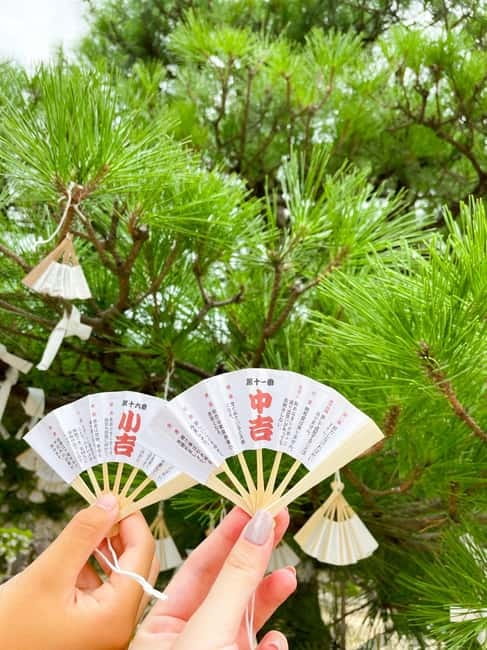
Next comes a quieter stop at Chionji Temple. This is the place to slow down for something distinct: giant folding fan-shaped fortune slips. The ritual is simple enough to join without feeling lost, and the theme is what you’d expect from a temple visit—praying for things like wisdom and success.
The practical value here is that Chionji Temple breaks up the nonstop “take photos, move on” rhythm. After you’ve been staring at sea and pines, it’s nice to step into a more grounded space with a human-scale tradition. Plus, the stop gives you a reason to look up at details, not only out at the horizon.
If you plan to do the fortune slip part, give yourself a few extra minutes so you can finish the ritual without rushing. Even when the stop is short, a calm approach makes it feel more meaningful.
Kaisen Bridge rotating for boats: a quick scene worth timing
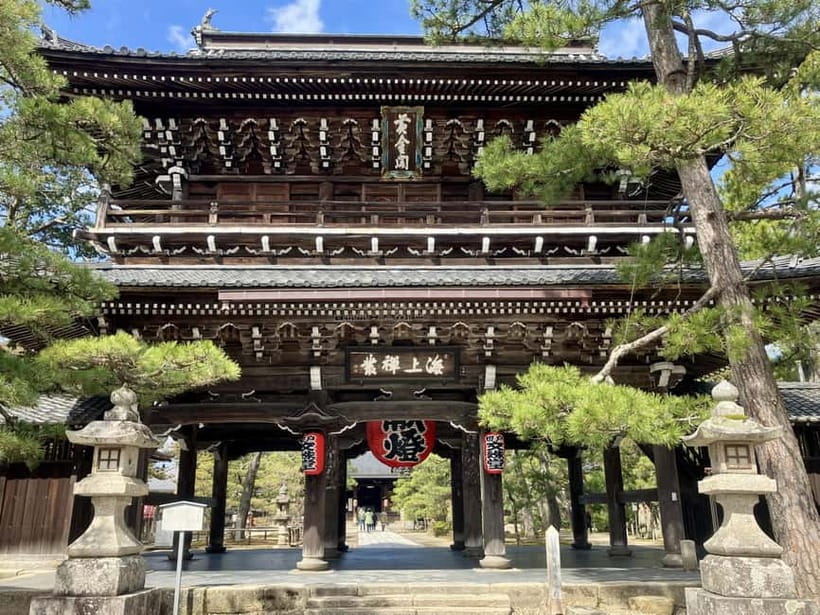
You’ll also stop at Kaisen Bridge, a narrow but memorable bridge that rotates to allow boats to pass. This is one of those “small infrastructure, big moment” sights. If you catch a boat at the right time, the rotation turns your stop into a mini spectacle, and suddenly the bridge feels alive instead of just another photo spot.
What I like is that it’s flexible. Even if the bridge isn’t rotating at the exact moment you arrive, you still get a scenic break and another angle over the water. It’s a good location for your camera because you can shoot both the structure and the bay view around it.
The only drawback: timing depends on boat traffic. If you’re the type who gets annoyed by waiting, treat it as a “watch for a moment, then move on” stop rather than a guaranteed show.
Amanohashidate Beach: sea breeze, pine paths, and a real reset
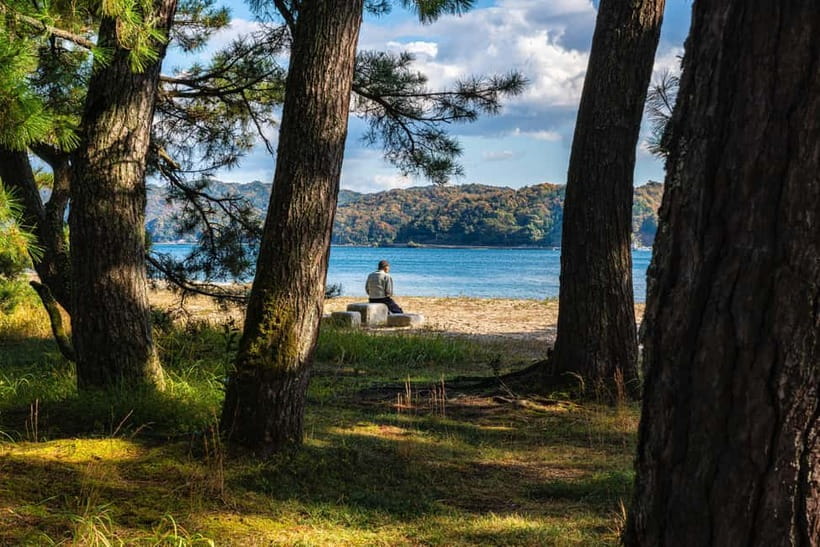
After temple and bridge moments, the tour shifts toward downtime at Amanohashidate Beach. You get break time, photo time, and time to walk along the shoreline. This is the part of the day that feels most like a vacation, not a checklist.
The beach experience is also about optional choices. The area is known for a pine-lined walking path, and you may be able to rent a bicycle for a leisurely ride if it’s available during your visit. If not, walking still works well because the path and views help you slow down naturally.
When to pay attention: bring a layer. Coastal weather can swing, and the breeze can feel cooler than you expect, especially if you’re coming from bright sun. If you’re aiming for photos, the beach time gives you room to step out of the main viewing angles and capture more personal compositions—water, pines, and wide sky.




Ine no Funaya: how a floating village changes your perspective
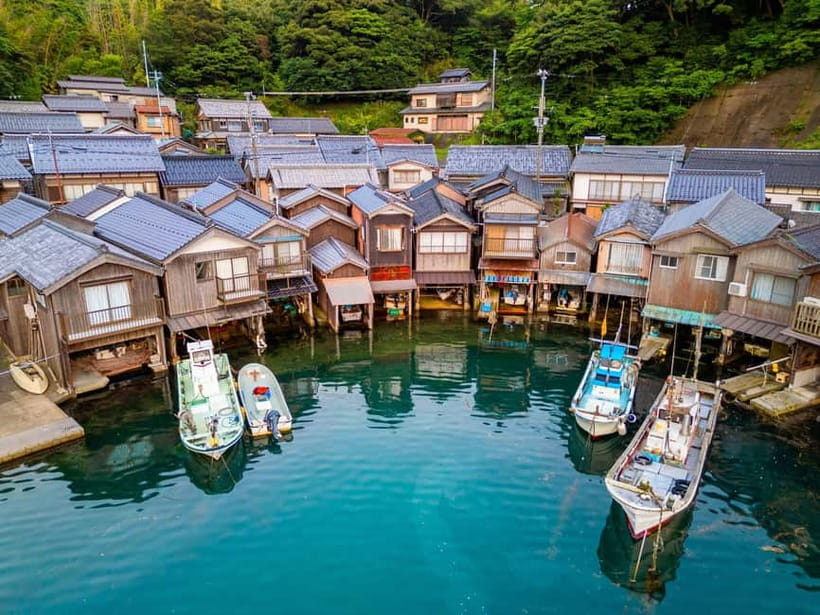
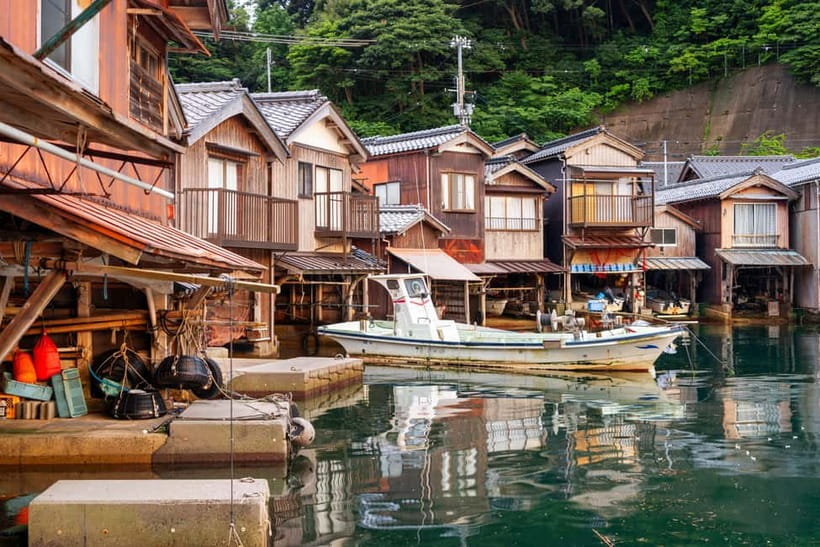
Then you’ll head to Ine no Funaya, a seaside village defined by funaya—over 200 traditional boat houses built right on the water. The concept sounds odd until you see it: boat garages at ground level, with living spaces above. It’s an architectural solution to a fishing life shaped by the bay.
This stop is also different from Amanohashidate because the details feel closer and more human. You’ll have time at Road Station Funaya no Sato Ine for photos, visiting, and free time. Even without doing anything extra, you’ll likely find it easier to connect with what you’re seeing because the village layout makes you look at how people lived, worked, and stored boats.
The optional sightseeing boat ride is where Ine no Funaya really clicks. For 1,000 Yen, you can cruise along the bay for a closer look at the funaya up close, with reflections shimmering on the water. If you’re trying to understand the village’s scale and placement, the boat turns a static view into a moving one.
How the pacing works: highway time, breaks, and photo help
The tour is built around transportation plus short, well-timed stops. You’ll spend stretches on the bus traveling from Osaka toward the coast, then you’ll get break windows along the way. There’s also a pause at a highway rest area (Kyotamba-Ajimunosato PA) where you get street food options and free time. Think of these breaks as useful breathing space so the day stays enjoyable rather than exhausting.
The pace is relaxed at the scenic points, and that matters because Amanohashidate and Ine can’t be “raced.” You need time to walk, look up, and reframe your photos as the light shifts. One guide experience stands out from the trips this tour runs: Yuri has been reported as both informative and flexible—one time she even drove because the group size was small. That’s a good sign for you because it suggests the guide is ready to keep things running smoothly even when schedules change.
Photo support is another plus. In some groups, guides helped take pictures and even provided printed Polaroids as a souvenir. Don’t assume every day will include the Polaroid, but you can count on friendly help with photos since it fits the tour’s “slow travel” style.
Price reality check: what $55 buys (and what to budget extra)
At $55 per person, this trip is priced like a practical day out with transportation and a bilingual guide (English and Korean). You’re not paying just for entry tickets—you’re paying for the logistics that get you out of Osaka and along the coast without having to plan multiple transfers.
What’s not included is also important for budgeting: meals are on your own, and optional charges can add up. The big two extras are:
- Amanohashidate chairlift or monorail (850 Yen)
- Ine no Funaya sightseeing boat ride (1,000 Yen)
If you do both, you’ll add roughly the cost of a couple of lunches, depending on how you eat. For value, I’d treat those add-ons as choices tied to your travel style. If you love viewpoints and movement, the View Land route and the sky bicycle make sense. If you want the strongest Ine perspectives, the boat ride is the most direct upgrade.
Also consider that you’ll have several paid-on-your-own meal opportunities. That can be good value because you can choose what suits your taste that day rather than being locked into one group meal plan.
Who this Osaka to Kyoto by the Sea trip suits best
This is a great fit if you want a coastal break from city sightseeing. Amanohashidate and Ine no Funaya are both “big scenery” places, but they offer different feelings: Amanohashidate is wide and airy, while Ine is detailed and close-up.
You’ll probably enjoy this most if:
- You like photography with breathing room, not frantic museum-style touring
- You’re curious about coastal Japanese culture and sea-fishing architecture
- You want an easy day trip that doesn’t require complicated transport planning
It also works for families in a specific way. The tour is stroller-friendly, as long as you tell the operator if you’re bringing one. If you’re using a wheelchair, plan on skipping this specific tour because it’s not wheelchair-accessible.
Should you book this Amanohashidate and Ine day trip?
I’d book it if you want two standout coastal experiences in one smooth outing: Amanohashidate’s sandbar-and-pines views plus Ine no Funaya’s floating funaya village. The tour’s relaxed pacing, bilingual guiding, and optional boat/view upgrades make it easy to tailor your day.
I’d think twice if you dislike walking in coastal conditions or you’re strict about avoiding extra costs. While the core sights are included, the most memorable moments can lean on optional add-ons like the boat ride and View Land transport.
If you’re trying to balance a Japan trip with both scenery and culture, this day trip gives you that mix without forcing you to choose only one.
FAQ
What’s the meeting point for this tour?
Please be in front of Tsurutontan Soemoncho before 07:50 AM. Jtourstory staff will be there for you.
Is lunch included in the price?
No. Meals are not included, and you’ll have time for lunch at your own expense.
What optional fees might I pay during the day?
Two common optional charges are the Amanohashidate chairlift or monorail (850 Yen) and the Ine no Funaya sightseeing boat ride (1,000 Yen).
How long is the tour?
The duration is listed as 3 hours, with the schedule starting at 8:00 AM.
What languages are available for the guide?
The guide offers English and Korean.
Is the tour stroller-friendly or wheelchair-accessible?
It is stroller-friendly. It is not wheelchair-accessible. If you’re bringing a stroller, inform the operator ahead of time.