REVIEW · TOKYO
Nikko Private Tour from Tokyo with Licensed Guide and Vehicle
Book on Viator →Operated by Japan Guide Agency · Bookable on Viator
Nikko is where Japan’s power, faith, and mountain scenery all collide in one day. This private tour is interesting because you can design the route around what you actually want: temples, waterfalls, lakes, and viewpoints. I like that you get door-to-door pickup from Tokyo’s 23 wards and a licensed local English-speaking guide to translate the big ideas behind the sights.
Here’s the tradeoff to plan for: it’s priced per group (up to 4), and admission fees plus lunch are on you. If you’re traveling solo, the math gets tougher fast—but for a full car, it can be a smart way to avoid stress and crowds.
In This Review
- Key takeaways before you go
- Why a private Nikko day beats the group rush
- Price and value: what you’re really paying for
- The 10-hour rhythm: how the day stays doable
- Picking your 3–4 stops: build the Nikko day you’ll like
- Option A: First-time UNESCO focus (temples + one nature payoff)
- Option B: Nature-forward Nikko (less walking between carvings)
- Option C: A balanced art-and-landscape mix
- Toshogu and the Tokugawa mausoleums: where Nikko starts feeling special
- Shinkyo Bridge and Futarasan Shrine: the “arrive” moment
- Waterfalls and Lake Chuzenji: big drops, big skies, big weather swings
- Scenic roads and easy walks: Irohazaka, Senjogahara, Kanmangafuchi
- Beyond the obvious: Tamozawa Villa, Botanical Garden, and Kanmangafuchi’s quieter cousins
- Akechidaira Plateau note: ropeway maintenance timing
- Your guide matters: English, pacing, and the small story details
- What to budget on top of the tour price
- Who this Nikko private tour fits best
- Should you book this Nikko private tour?
- FAQ
- FAQ
- How many stops will I visit on this Nikko tour?
- Is the tour duration about 10 hours?
- Does the tour include pickup in Tokyo?
- Is the guide English speaking?
- Are entrance fees included?
- Is lunch included?
- How many people are in a group?
- Can I combine this tour with another group?
- Are car seats or boosters available?
- What about the ropeway near Akechidaira Observation Area?
Key takeaways before you go
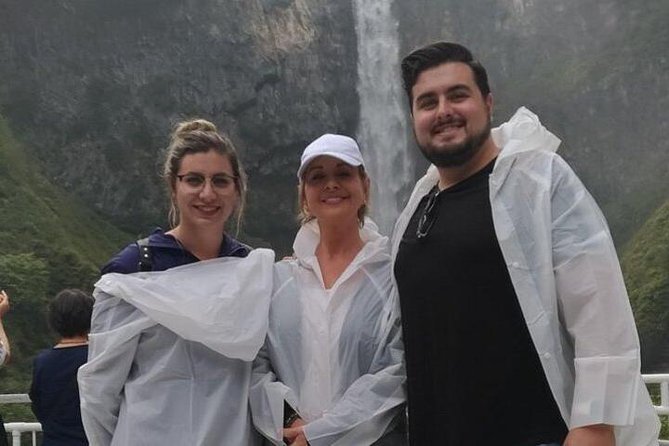
- Private pickup in Tokyo (23 wards) means less wasted time than coordinating trains and buses.
- Custom 3–4 site plan lets you match Nikko to your interests: shrines, nature, or a mix.
- Licensed guide who handles the English is a big deal for UNESCO-level sites.
- A full 10-hour day works well for a first visit, as long as you accept a packed schedule.
- Entrance fees and lunch aren’t included, so budget extra on the day.
Why a private Nikko day beats the group rush
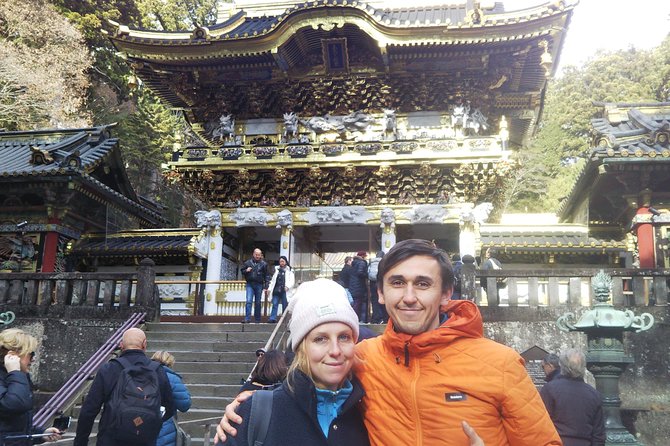
Nikko is famous for a reason, but the logistics can be annoying. Getting there from Tokyo takes time, and once you arrive, crowds can turn small moments into long waits. This is designed to reduce friction. You start with pickup from wherever you are in Tokyo’s 23 wards, then you ride in a private vehicle with your guide.
That private setup matters most at UNESCO sites. Toshogu and the surrounding temples aren’t just pretty buildings. They’re dense with symbolism, family politics, and court-era artistry. A good guide helps you see what you’d otherwise miss in a quick glance.
I also like that the tour is built around flexibility. You aren’t locked into a fixed checklist all morning. You choose 3–4 stops from the Nikko highlights, which is the right number for a 10-hour day—enough variety without feeling like you’re speed-walking your way through everything.
One caution: with only 3–4 stops, you’ll still want to choose wisely. If you pick four “similar” scenic viewpoints, you may miss the one shrine element you’ll remember most.
You can also read our reviews of more guided tours in Tokyo



Price and value: what you’re really paying for
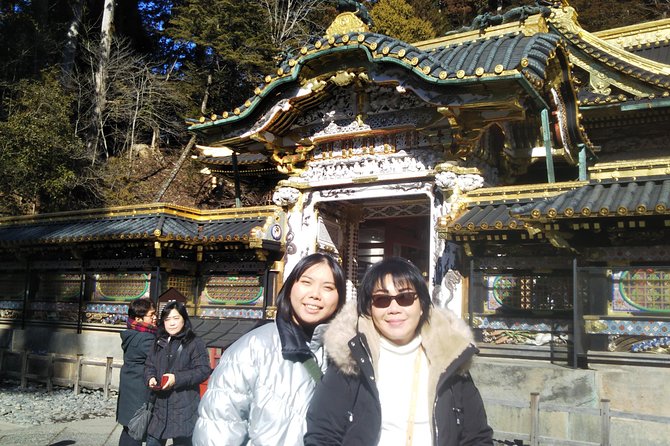
The price is listed as $1,418.77 per group (up to 4) for about 10 hours. That sounds steep until you break it down.
If you fill the group (4 people), it works out to roughly $355 per person for:
- private round-trip driving,
- a licensed local English-speaking guide,
- and a customized route.
That’s the value. You’re not just buying entry tickets. You’re buying time, translation, and a plan that adapts to your pace.
If you’re traveling as 1–2 people, you’ll likely feel the cost more sharply. The same day trip could feel like a bargain when shared, and a splurge when not. One review also complained about pricing value and English communication. On the other hand, multiple guides named in feedback—Yoshi, Steve, Koba, Ikuko, Karen, and Yumi—were praised for making sites meaningful and adjusting to the day.
So: treat this as a group day trip first. If you can fill the car, the value gets much easier to justify.
The 10-hour rhythm: how the day stays doable
This is about 10 hours from pickup to return, and you’ll typically spend time at each stop rather than racing between them. The schedule is built around shorter visits to multiple highlights. Many of the listed sights are around 30 minutes, with a few quick stops (like a short waterfall pull-off or scenic route) and a couple longer “watch and breathe” segments.
For your planning, think of it as:
- A drive day with mountain scenery on the way in,
- then 3–4 “anchor” stops you’ll actually remember,
- plus smaller transitions (scenic roads, bridge views, short walks).
Weather matters here. Nikko can change quickly. One review called out snow in early April and emphasized that the driver prepared for winter tires at a police check near Irohazaka. That’s a real reminder: road conditions can shift fast, and a private car with prepared handling is part of why this format is worth it.
Picking your 3–4 stops: build the Nikko day you’ll like
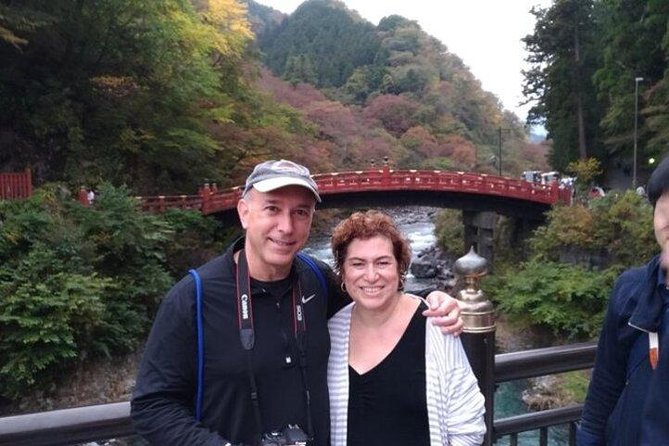
The tour is customizable, so I’ll help you decide what to choose. Nikko has two big “modes”: UNESCO temples/shrines and nature/scenic viewpoints. Most great days mix one anchor shrine area plus one or two nature stops.
Here are practical ways to choose:
Option A: First-time UNESCO focus (temples + one nature payoff)
Pick:
- Nikko Toshogu (Tokugawa Ieyasu’s final resting place)
- Shinkyo Bridge (the sacred bridge entrance-to-shrines feeling)
- Kegon Falls or Lake Chuzenji
Why this works: you see the political-religious core of Nikko, then you end with a “mountain wow” moment.
You can also read our reviews of more private tours in Tokyo

Option B: Nature-forward Nikko (less walking between carvings)
Pick:
- Kegon Falls
- Lake Chuzenji
- Kanmangafuchi Abyss
Why this works: you get big scenery without trying to cram every mausoleum detail into one day.
Option C: A balanced art-and-landscape mix
Pick:
- Rinno-ji Temple
- Tamozawa Imperial Villa Memorial Park
- Kirifuri Waterfall
Why this works: you still get temple atmosphere, but you also slow down for more grounded Edo/Meiji-era texture and waterfall views.
If you want help choosing, aim for one “inside-and-up-close” stop, one “views and photos” stop, and one nature/walk stop.
Toshogu and the Tokugawa mausoleums: where Nikko starts feeling special
When people talk about Nikko, they usually mean Toshogu. This tour includes a visit to Nikko Tosho-gu, tied to Tokugawa Ieyasu, the founder of the Tokugawa Shogunate. It’s not just a temple stop; it’s a statement—about legitimacy, power, and reverence—set inside one of Japan’s most visually intense shrine landscapes.
Expect to spend about 30 minutes, with your guide helping you understand what makes it so compelling beyond the obvious colors and details.
Two related stops that many groups love (and that your custom choice can include):
- Rin’nōji Taiyū-in (Mausoleum of Iemitsu): the third Tokugawa shogun’s mausoleum, known for a lavish complex that mirrors Toshogu’s layout and architecture ideas.
- Rinno-ji Temple: Nikko’s important Buddhist temple, founded by Shodo Shonin in the 8th century.
These are best if you care about how different strands of belief and eras overlap in the same place. If that’s you, you’ll likely appreciate having a guide who can connect the dots quickly.
Shinkyo Bridge and Futarasan Shrine: the “arrive” moment
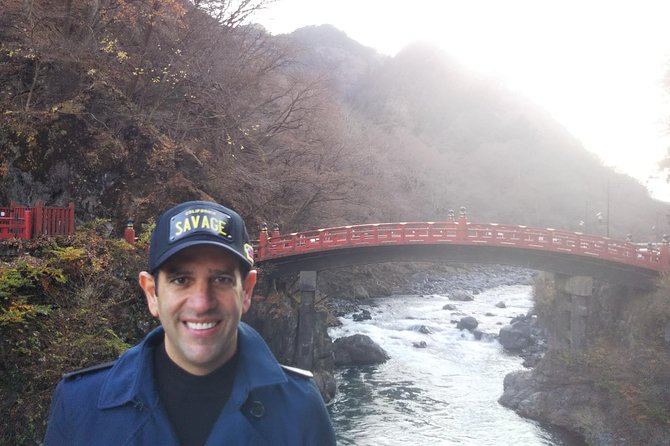
A lot of Nikko’s magic is in the transitions. The stop at Shinkyo Bridge is designed to give you that exact feeling. This bridge sits at the entrance to Nikko’s shrine/temple area and is technically part of Futarasan Shrine. It’s also ranked among Japan’s three finest bridges, so you’re not just walking over something charming—you’re entering a sacred zone.
Right next to that bigger spectacle is Nikko Futarasan Shrine, founded in 782 by Shodo Shonin. It’s older than its flashier neighbor, which is a good reminder that Nikko’s story didn’t start with one family’s mausoleum.
If you’re picking just one “shrines and views” stop, Shinkyo is a strong choice. It also tends to be easier on the legs than some deeper compound exploration.
Waterfalls and Lake Chuzenji: big drops, big skies, big weather swings
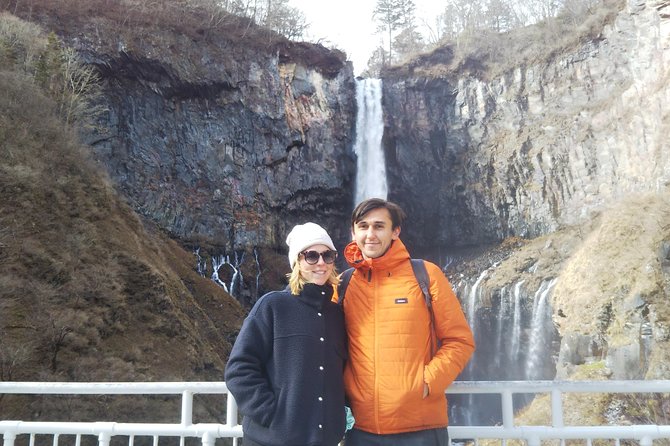
If your goal is scenic drama, the Nikko nature stops deliver. Kegon Falls is one of the most famous waterfalls in the area. It’s fed from Lake Chuzenji, and the water drops about 97 meters. There’s also a lift involved for visitors, which helps you reach the viewing area without turning the day into a steep hiking expedition.
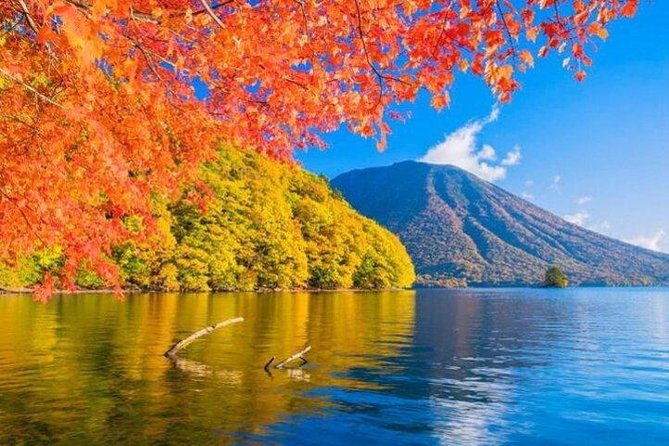
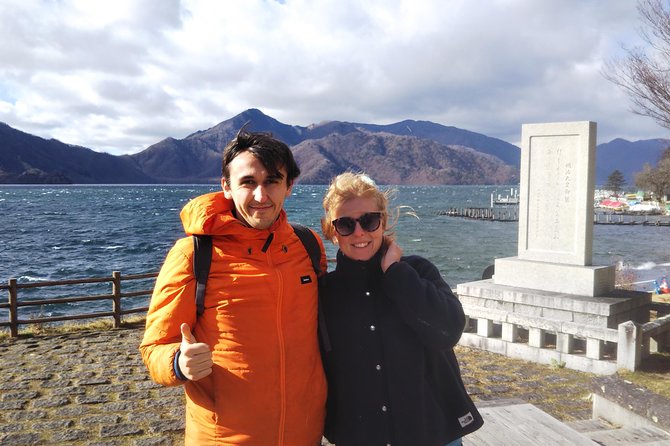
Then there’s Lake Chuzenji, the largest lake in Tochigi, framed by around 25 kilometers of nature. The area once served as a summer resort for foreigners in the late 1800s to early 1900s, including French villas—an interesting historical layer that many people don’t expect when they picture Nikko only as temples and mountains.
If you want another waterfall option, include Kirifuri Waterfall. It’s about 75 meters high and described as a two-tiered drop below the Kirifuri Highlands. Expect it to be visually impressive and very photogenic.
A practical note: if clouds roll in or rain happens, your experience can shift. One review mentioned dense cloud cover at higher elevations yet still called Kegon Falls breathtaking. That tells you something important: the sights still work even when weather is not perfect—you just get different lighting and sometimes more dramatic atmosphere.
Scenic roads and easy walks: Irohazaka, Senjogahara, Kanmangafuchi
Not all Nikko’s best moments are inside buildings. Some are in the way the terrain bends.
Irohazaka Route is a pair of winding roads linking lower and higher elevations. It’s also known from the Initial D anime series, so even if you’re not a car-enthusiast, it’s fun to recognize the style of the curves from pop culture.
For a more myth-and-nature stop, Senjogahara Field fits well. The name roughly ties to battlefield, but the area is linked to a legend: gods of Mount Nantai and Mount Akagi once fought over neighboring lakes. With your guide, that kind of story can turn a plain field into something memorable.
Then there’s Kanmangafuchi Abyss, a short gorge formed by eruption from Mount Nantai. It’s enjoyed via a pleasant riverside walking trail, and it’s one of those stops where you don’t need to be a hardcore hiker to enjoy the setting.
If you choose nature-heavy stops, balance them with at least one shrine/temple piece so the day doesn’t feel like one long scenic drive.
Beyond the obvious: Tamozawa Villa, Botanical Garden, and Kanmangafuchi’s quieter cousins
Nikko also has quieter texture if you want a break from the main shrine crowds.
Nikko Tamozawa Imperial Villa Memorial Park offers a mix of Edo and early Meiji architectural styles. It was erected in Nikko in 1899 and has 106 rooms. If you enjoy historical spaces that are less about carved religious symbolism and more about how people lived and governed, this is a strong choice.
Nikko Botanical Garden is another interesting pick. It’s owned and maintained by the University of Tokyo, which means it’s not just a tourist garden; it’s part of a research-garden tradition. It’s often a nice reset if you want something calmer between major shrine areas and waterfalls.
If you like lodging-history oddities, Kanaya Hotel History House is worth considering. It served as the predecessor of the well-known Kanaya Hotel.
And for your one “bridge + stroll” moment, Shinkyo plus a short walk is a nice pairing if you’re pacing yourself.
Akechidaira Plateau note: ropeway maintenance timing
One stop people look for is Akechidaira Observation Area, near the top of Irohazaka Slope, known for sweeping views over the winding road and mountains. However, the ropeway associated with it is listed as closed for maintenance from January 16, 2026 to August 31, 2027.
If your trip falls in that window and you were counting on the ropeway, double-check the route options with your guide when you plan your stops. You don’t want a “maybe we can still get there” surprise on a time-limited day.
Your guide matters: English, pacing, and the small story details
The tour includes a licensed local English-speaking guide. In practice, the names in feedback show that the guides bring a mix of interpretation and flexibility. Yoshi, Steve, Koba, Ikuko, Karen, and Yumi are all examples mentioned with specific praise for helping the sites feel more meaningful and for adapting the day to interests.
That said, here’s the key logistics detail: the driver is not required to speak fluent English, because the guide covers the English role. So communication should still work, but the driver will mainly be focused on driving.
You’ll get more out of the day if you speak up early about your preferences. If you want nature, ask for waterfalls and viewpoints. If you want temples, prioritize Toshogu plus one of the key temple/mausoleum companions.
What to budget on top of the tour price
Entrance fees and lunch are not included. That means your day budget should account for:
- temple/shrine admission where required,
- any specific waterfall or garden ticket costs,
- and a meal (or two) on your own.
For a one-day trip, I recommend you carry a card plus some cash for smaller purchases. Also bring snacks if you’re sensitive to timing. With only 3–4 stops, you don’t want to lose momentum waiting for lunch.
Also plan for appropriate walking shoes. Even when stops are about 30 minutes, you’ll likely do short walks and stairs at major temple areas and near riverside viewpoints.
Who this Nikko private tour fits best
This is a great match if:
- you want a custom Nikko route instead of a fixed group itinerary,
- you value explanation at UNESCO-level sites,
- and you have enough people to share the vehicle cost (up to 4).
It’s less ideal if:
- you want a cheap day trip as a solo rider,
- you only want one shrine and nothing else but scenery (because you’ll still spend time driving between areas),
- or you plan your entire schedule around Akechidaira ropeway access during the maintenance window.
Should you book this Nikko private tour?
If your priority is seeing the best of Nikko without the stress of transfers, and you’re traveling with enough people to fill the group, I’d seriously consider booking. The private pickup in Tokyo, the licensed English guide, and the ability to choose 3–4 stops are the core reasons this format makes sense.
If you’re on a tight budget or traveling solo, you’ll need to be more selective. In that case, compare what you would spend on transport plus separate tickets plus guide time. The tour’s value is strongest when you actually use the day efficiently and split the cost.
FAQ
FAQ
How many stops will I visit on this Nikko tour?
You’ll choose a customizable route of 3 to 4 sites from the listed Nikko highlights.
Is the tour duration about 10 hours?
Yes, the tour is listed as approximately 10 hours.
Does the tour include pickup in Tokyo?
Yes. Pickup is offered from anywhere in Tokyo’s 23 wards.
Is the guide English speaking?
Yes. The tour includes a licensed local English-speaking guide.
Are entrance fees included?
No. Entrance fees are not included.
Is lunch included?
No. Lunch is not included.
How many people are in a group?
This is a private tour, and the group size is up to 4.
Can I combine this tour with another group?
No. You cannot combine multiple tour groups.
Are car seats or boosters available?
There are only a limited number of car seats and booster seats, and rear-facing car seats are not available. You need to contact the provider directly if you require them.
What about the ropeway near Akechidaira Observation Area?
The ropeway is listed as closed for maintenance from January 16, 2026 to August 31, 2027, so plan accordingly if that’s a priority.