REVIEW · TOKYO
[NEW]JPN CULTURE – Buy@Toyosu Market SUSHI Making +TEA +Maid Cafe
Book on Viator →Operated by VAS · Bookable on Viator
A Tokyo food day that actually teaches you, not just feeds you. What makes this experience stand out is the combination of fresh fish shopping with a hands-on sushi lesson, followed by a tea ceremony with sweets you make yourself. I love the small group size and the chance to buy quality neta (sushi toppings) right where it all starts. One thing to consider: it’s an all-in-one schedule, so if you want long free time for wandering, you may feel a bit on the clock.
I also like how the pacing moves from lively market energy to calmer, more deliberate tea-room etiquette. The vibe is part old-school Tokyo market tradition and part practical cooking skills you can actually repeat at home. And with a max of eight people, you’re not just watching while everyone else eats.
In This Review
- Why Toyosu Market + Sushi + Tea Works So Well Together
- Entering Toyosu: Small Group, Fresh Choices, Real Practical Learning
- Tsukiji Area Walk: Context, Small Tastings, and Getting Your Bearings
- Buying Ingredients for Sushi: What You Learn Beyond the Shopping
- Sushi Workshop: temari, maki, chirashi, and oshi (and you get to eat it)
- What you’ll actually do in class
- Why the sushi types matter
- Tea Ceremony + Tea Sweets: Matcha You Can Taste, Rules You Can Respect
- Tea sweets: dessert with a purpose
- The pace shift is the point
- Optional Akihabara Maid Café: Worth It, or a Time Trade?
- Price and Value: What $78.04 Actually Buys You
- Who This Tour Suits Best (and Who Might Prefer Another Plan)
- Quick Tips Before You Go
- Should You Book This JPN CULTURE Tour?
- FAQ
- FAQ
- How many people are on the tour?
- How long is the experience?
- Where do we meet?
- What do we do during the day besides sushi?
- Do we actually get to shop for sushi ingredients?
- Is there an option to go to a maid café?
- What is the cancellation policy?
Why Toyosu Market + Sushi + Tea Works So Well Together
![[NEW]JPN CULTURE - Buy@Toyosu Market SUSHI Making +TEA +Maid Cafe - Why Toyosu Market + Sushi + Tea Works So Well Together](https://e.thetokyoexplorer.com/wp-content/uploads/newjpn-culture-buytoyosu-market-sushi-making-tea-maid-cafe-1.jpg)
Tokyo has no shortage of food tours, but this one has a clear logic: you learn the ingredients first, then you learn the techniques, then you learn the supporting ritual that Japanese meals often come with.
You’ll start with a market-focused experience at Toyosu, where most visitors usually can only watch from an observation deck. Here, the guide helps you browse stalls and shop for fresh ingredients for your lunch. After that, you move into a studio setting where you roll up your sleeves and make sushi with what you bought.
Finally, you slow down with a guided tea ceremony. You don’t just sip matcha. You also create tea confectionaries (the kind that pair with the tea), guided by a tea master.
Entering Toyosu: Small Group, Fresh Choices, Real Practical Learning
![[NEW]JPN CULTURE - Buy@Toyosu Market SUSHI Making +TEA +Maid Cafe - Entering Toyosu: Small Group, Fresh Choices, Real Practical Learning](https://e.thetokyoexplorer.com/wp-content/uploads/newjpn-culture-buytoyosu-market-sushi-making-tea-maid-cafe-2.jpg)
The day starts at Shijō-mae Sta. (6 Chome-3), Toyosu, Koto City and keeps things simple: you’ll return to the same meeting point when it ends. With up to eight travelers, the guide can spend time helping you choose ingredients and understand what you’re buying.
Here’s what I really like about this format. Sushi-making is easier when you understand what matters in the product. When you pick fish toppings on-site, you’re not stuck memorizing a recipe. You start thinking in terms of texture, cut, freshness, and how those choices affect your final roll or bowl.
You’ll work with your guide to buy quality neta for the sushi class, and the experience is designed so the ingredients are as fresh as possible. This matters because sushi is not forgiving like pasta. If you get the topping wrong—or if it’s not fresh—the whole point collapses.
One more plus: the guides speak excellent English (and the group setup supports good Q&A). If you’re new to Japanese food culture, this is the kind of pacing that keeps confusion from piling up.
You can also read our reviews of more shopping tours in Tokyo


Tsukiji Area Walk: Context, Small Tastings, and Getting Your Bearings
![[NEW]JPN CULTURE - Buy@Toyosu Market SUSHI Making +TEA +Maid Cafe - Tsukiji Area Walk: Context, Small Tastings, and Getting Your Bearings](https://e.thetokyoexplorer.com/wp-content/uploads/newjpn-culture-buytoyosu-market-sushi-making-tea-maid-cafe.jpg)
Before you hit the main cooking portion, the tour includes a time walking in the Tsukiji area, with some tasting along the way. In particular, you may sample dashi soup and other small bites that connect the dots between ingredients and flavor.
This part is valuable because it sets you up for the sushi class. Dashi and related flavors show up in Japanese cooking constantly, even when they’re not obvious. If you’re the type who wants to understand what you’re eating instead of just checking off a dish, this walk helps.
It also helps with orientation. Tokyo can feel like a maze, even when you’re near famous sights. Getting a guide-led route early means you can navigate the rest of your day afterward with more confidence.
Buying Ingredients for Sushi: What You Learn Beyond the Shopping
Market time can be either informative or overwhelming. This one is designed to stay practical.
You’ll browse stalls and shop for the ingredients you’ll use. Then you take those fresh choices straight into cooking. That direct chain is what makes the experience feel more like a lesson and less like a photo stop.
Also, you should pay attention during ingredient selection. The guide’s focus isn’t just getting you food. It’s training you to recognize quality. You’ll hear explanations that tie back to how sushi is put together, which means you’re not just buying, you’re learning the logic behind the purchase.
And because the group is small, you can ask questions like:
- What makes one topping better than another?
- How does freshness change taste?
- Which ingredients pair best for the style of sushi you’re making?
If you’ve ever tried recreating sushi at home and wondered why it tastes different, you’ll likely recognize the “missing pieces” during this section.
Sushi Workshop: temari, maki, chirashi, and oshi (and you get to eat it)
![[NEW]JPN CULTURE - Buy@Toyosu Market SUSHI Making +TEA +Maid Cafe - Sushi Workshop: temari, maki, chirashi, and oshi (and you get to eat it)](https://e.thetokyoexplorer.com/wp-content/uploads/newjpn-culture-buytoyosu-market-sushi-making-tea-maid-cafe-4.jpg)
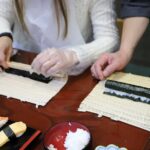
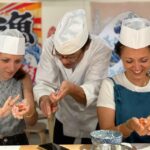
Once you’re in the studio, the course shifts from shopping to technique. You’ll learn how to make several types of sushi, including:
- temari
- maki
- chirashi
- oshi sushi
You’ll also receive the menu so you can replicate the food later. That detail matters more than it sounds. Many cooking experiences teach you a moment; this one aims for skills you can repeat. You’ll come away knowing how to build sushi in ways that work for home cooking, not just for a one-time class.
What you’ll actually do in class
Expect hands-on instruction on assembly and basic handling—how to shape sushi and how to put together the parts so the final bite makes sense. Then you’ll enjoy your self-made sushi lunch.
The most useful takeaway here is the combination of instruction plus immediate payoff. You don’t have to imagine what your work should look like. You make it, you eat it, and you understand why the guide’s steps matter.
You can also read our reviews of more tours and experiences in Tokyo

Why the sushi types matter
Different sushi styles teach different skills:
- Maki emphasizes rolling and portion control.
- Chirashi teaches topping placement and balance.
- Oshi focuses on pressing and structure.
- Temari is about shaping and texture.
By the end, you’re not just making one kind. You’re building a small “toolkit” you can remix later for dinner or a sushi night with friends.
Tea Ceremony + Tea Sweets: Matcha You Can Taste, Rules You Can Respect
![[NEW]JPN CULTURE - Buy@Toyosu Market SUSHI Making +TEA +Maid Cafe - Tea Ceremony + Tea Sweets: Matcha You Can Taste, Rules You Can Respect](https://e.thetokyoexplorer.com/wp-content/uploads/newjpn-culture-buytoyosu-market-sushi-making-tea-maid-cafe-5.jpg)
After sushi, the day turns quieter. You’ll move into the tea segment, including making confectionaries for the ceremony. This part is led by a tea master, and it’s designed to show how the sweets and the tea work together.
The tea you’ll use is described as high grade matcha that’s available to tea ceremony masters. In other words, the class is built around real ceremonial quality, not just a casual tasting.
Tea sweets: dessert with a purpose
You’ll make your own tea confectionaries, and these sweets double as dessert. That’s a nice twist, because it makes the tea ceremony feel less like etiquette homework and more like a complete experience.
Practically, this teaches you that matcha isn’t always served as a stand-alone drink. The sweetness, texture, and pairing matter. If you’ve only had matcha lattes, this is where you see the difference: matcha as ceremony, not just flavor.
The pace shift is the point
After a market and sushi workshop, the tea segment gives you contrast. You’ll slow down, watch how the tea master conducts the ritual, and learn how your role fits into it. Even if you don’t keep every step at home, you’ll understand the rhythm: preparation, presentation, then drinking without rushing.
Optional Akihabara Maid Café: Worth It, or a Time Trade?
![[NEW]JPN CULTURE - Buy@Toyosu Market SUSHI Making +TEA +Maid Cafe - Optional Akihabara Maid Café: Worth It, or a Time Trade?](https://e.thetokyoexplorer.com/wp-content/uploads/newjpn-culture-buytoyosu-market-sushi-making-tea-maid-cafe-6.jpg)
This tour offers an option to continue to Akihabara for a maid café. If you want one dose of pop-culture Tokyo in the same day, it can be fun as a contrast to the food-and-tradition focus of the rest of the schedule.
But if you’re already doing plenty of city-hopping, you can simply call it a day and enjoy your own plans. Since the main tour ends back at the meeting point, you can choose your energy level without losing the day.
My advice: decide based on what you’ll do with the remaining time. If you love themed experiences and don’t mind paying for entertainment value, consider the upgrade. If your goal is a calm, food-centered Tokyo day, skip it and put that time toward a neighborhood walk or your own dinner.
Price and Value: What $78.04 Actually Buys You
![[NEW]JPN CULTURE - Buy@Toyosu Market SUSHI Making +TEA +Maid Cafe - Price and Value: What $78.04 Actually Buys You](https://e.thetokyoexplorer.com/wp-content/uploads/newjpn-culture-buytoyosu-market-sushi-making-tea-maid-cafe-7.jpg)
At $78.04 per person for about 6 hours 30 minutes, the value comes from the stacking effect:
- You get market time to browse and buy fresh neta.
- You get a hands-on sushi class that results in lunch you eat.
- You get a tea ceremony led by a tea master.
- You also make tea confectionaries to go with the matcha.
Lots of tours do one or two of these. Fewer do all of them as one smooth day with a small group. Also, because the max group size is eight, you’re not competing for instruction.
Is it expensive? It’s not cheap, sure. But you’re paying for ingredient quality, instruction time, and the tea ceremony component. If you’ve ever tried to do sushi and tea as separate activities, you’ll usually find you spend more than this once you add classes, transfers, and multiple stops.
Booking tends to be popular, with the average being booked about 160 days in advance, so planning early can help if your dates are fixed.
Who This Tour Suits Best (and Who Might Prefer Another Plan)
![[NEW]JPN CULTURE - Buy@Toyosu Market SUSHI Making +TEA +Maid Cafe - Who This Tour Suits Best (and Who Might Prefer Another Plan)](https://e.thetokyoexplorer.com/wp-content/uploads/newjpn-culture-buytoyosu-market-sushi-making-tea-maid-cafe-8.jpg)
This works especially well if:
- you want hands-on learning (sushi rolling, topping placement, tea sweets)
- you care about fresh ingredients and not just eating at famous places
- you’re traveling in a small group or as a solo diner who still wants guidance
- you like a structured day with food culture in the spotlight
You might reconsider if:
- you prefer free-form wandering time over guided workshops
- you don’t want any cooking tasks at all
- you’re sensitive to a schedule that moves from market to studio to tea room
That said, the overall flow is logical. Market first, then cooking, then ceremony. It’s not random.
Quick Tips Before You Go
You’ll have a better day if you come prepared for both movement and hands-on work.
- Wear comfortable shoes for the market walk portions.
- Be ready to handle food steps. This is not a sit-and-watch experience.
- If you’re sensitive to strong tastes, note that matcha can be intense. The tea quality is high grade, so it’s not watery or mild.
- If you’re planning to add the maid café, keep your energy in mind. The tour already fills the day.
Also, since your day returns to the meeting point, you can plan dinner nearby afterward without stressing too much about transportation.
Should You Book This JPN CULTURE Tour?
Book it if you want a Tokyo experience that teaches you real technique and not just the highlights. The best part is the chain: you select fresh ingredients, you learn how sushi is built, and you finish with a tea ceremony where the sweets and matcha have purpose. It’s a full food story, not a food buffet.
Skip it if your ideal day is mostly wandering with minimal instruction. This tour is structured, hands-on, and skill-focused. If that sounds like your kind of day, it’s hard to beat.
FAQ
FAQ
How many people are on the tour?
The tour has a maximum of 8 travelers.
How long is the experience?
It lasts about 6 hours 30 minutes.
Where do we meet?
The meeting point is Shijō-mae Sta. 6 Chome-3 Toyosu, Koto City, Tokyo 135-0061, Japan. The tour ends back at the meeting point.
What do we do during the day besides sushi?
You browse Toyosu market stalls with your guide, you take part in a tea ceremony, and you make tea confectionaries for the ceremony. There’s also an optional maid café visit.
Do we actually get to shop for sushi ingredients?
Yes. You’ll browse the stalls and shop for fresh ingredients, and you’ll buy quality neta for the sushi class.
Is there an option to go to a maid café?
Yes. A maid café visit in Akihabara is available as an optional add-on.
What is the cancellation policy?
You can cancel for a full refund up to 24 hours before the experience’s start time. If you cancel less than 24 hours before, the amount paid is not refunded.