REVIEW · TOKYO
Japanese dried-type Sweets (Ohigashi) making
Book on GetYourGuide →Operated by 日本文化体験 庵an東京 AN TOKYO · Bookable on GetYourGuide
Sugar turns into something you can eat.
This Ohigashi workshop lets you make Japanese dried-type sweets using 100% Wasanbon, and you also get to pick your shape from cute wooden molds. What I really liked was the friendly, clear guidance from the Japanese instructor, plus the fact that your snack tastes like it was made moments ago, not like something pre-packaged. The main drawback: 30 minutes is short, so if you need lots of time for language or slower pacing, you’ll want to arrive ready to go.
You’ll start with a quick introduction to Japanese traditional sweets, then move straight into the hands-on part. One nice detail: you make the basic sweets without adding any color, so you’re tasting the sugar in its natural mellow tones.
For $10 and a tight schedule in central Tokyo at AN TOKYO Japanese Culture Experience, this is a great way to get a real, edible souvenir. Just know it’s mostly Japanese (English translation is provided as much as possible), so come with a light attitude and you’ll have an easier time.
In This Review
- Key highlights to know before you go
- Making Ohigashi with 100% Wasanbon in Tokyo
- Where the workshop happens: AN TOKYO meeting point
- The 30-minute flow: tradition talk, molding, photos, and eating
- Choosing wooden molds and shaping your Ohigashi
- The taste lesson: what fresh Wasanbon gives you
- Color option and optional certificate fees
- Price and value: what $10 buys you in 30 minutes
- Language, timing, and what to do if things move fast
- Who this workshop fits best (and who might want another option)
- Should you book this Ohigashi workshop at AN TOKYO?
- FAQ
- How long is the Japanese dried-type sweets making experience?
- How much does it cost?
- What sweets will I make?
- Do I add color to the sweets?
- Can I choose the shape of my sweets?
- Is there an English translation?
- Where do I meet the instructor?
Key highlights to know before you go
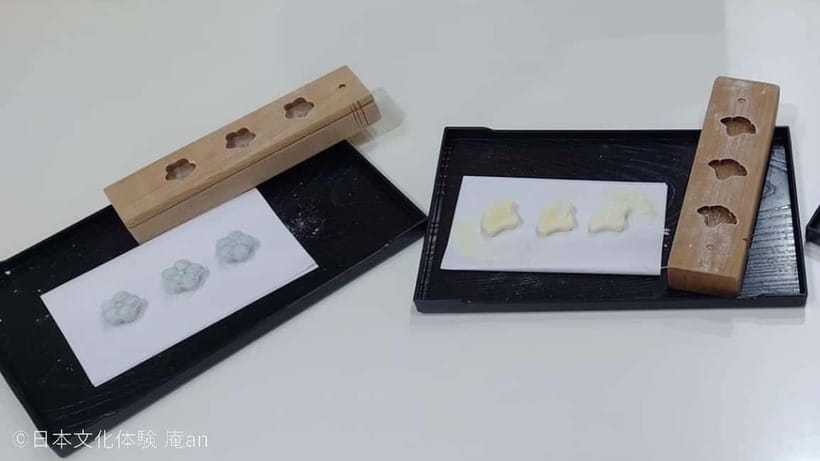
- 100% Wasanbon only: your sweets are made from traditional Japanese sugar, not a mix.
- Wooden mold shapes: you choose the design before pressing and forming.
- Fresh-made taste: you eat what you make after the session.
- No-color by default: the standard version keeps it simple, pure, and natural.
- Optional add-ons: colorful sweets cost extra, and a completion certificate is available too.
Making Ohigashi with 100% Wasanbon in Tokyo
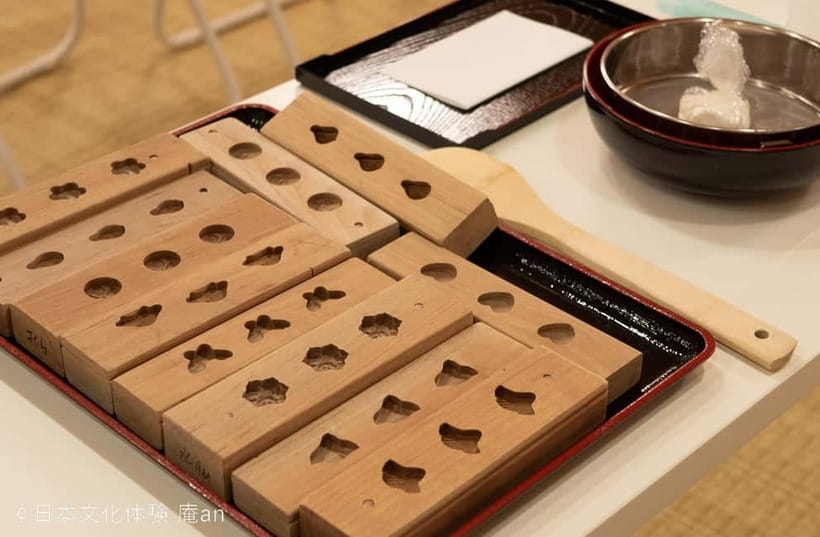
If you’ve ever wondered what makes Japanese sugar special, this is one of the more direct ways to learn. Instead of treating Ohigashi like a decorative snack, you make it from scratch. The core ingredient is Wasanbon, a traditional Japanese sugar known for a soft, smooth melt.
In the workshop, you’re not just assembling something. You’re shaping it. That matters because the textures and aromas are part of the experience: you feel the sugar process, you see how the mold defines the final form, and then you get to taste it right away. That fresh window is where the experience earns its keep.
This is also a great activity if you like quiet, focused crafts. You’re not chasing a lot of sights or cramming another museum visit. You’re making something small, specific, and personal—then eating it.
You can also read our reviews of more tours and experiences in Tokyo


Where the workshop happens: AN TOKYO meeting point
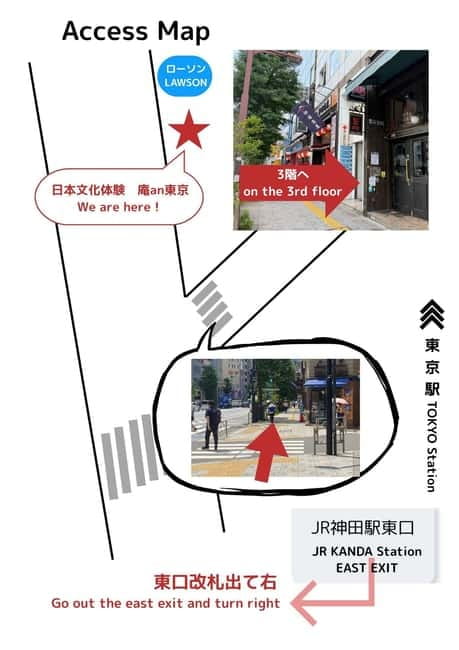
The meeting point is AN TOKYO Japanese Culture Experience in Honshu, Japan (Tokyo area), at the coordinates 35.6916541, 139.7715022. It’s a straightforward setup: you check in, the instructor gathers everyone for the explanation, and then the sweets-making starts.
Since the session is only 30 minutes, timing matters more than usual. The experience won’t be held for delays, so don’t aim to arrive just on the minute. Give yourself buffer time so you can settle in before the instructions begin.
The 30-minute flow: tradition talk, molding, photos, and eating
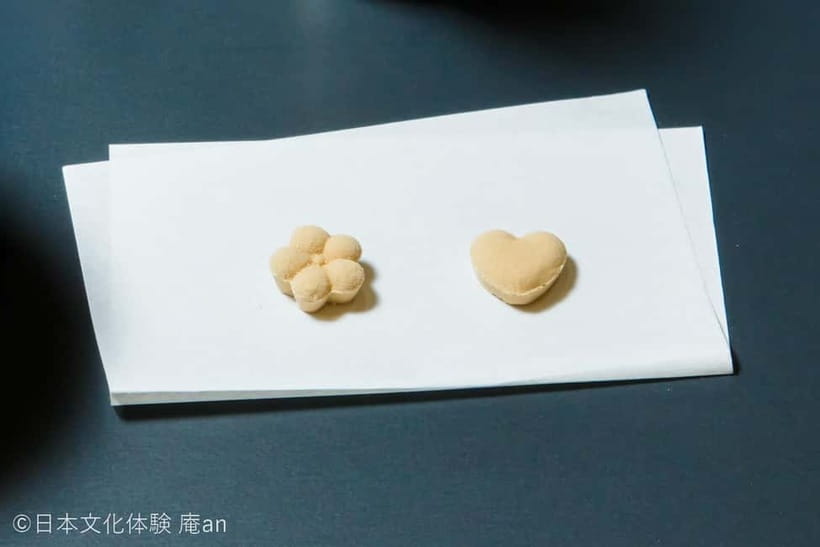
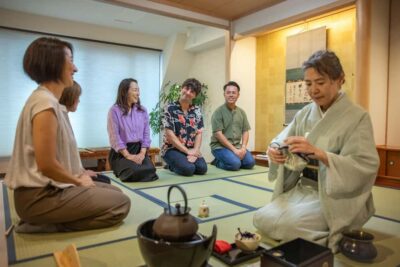
Here’s the practical rhythm you can expect. The workshop starts, then you get an explanation about Japanese traditional sweets. After that, you jump into making Japanese dried-type Ohigashi using Wasanbon.
About halfway through your time there’s a transition into finishing touches and time to take pictures. You’ll also have an eating and drinking window before the room departure at the end of the session. In other words, it isn’t just hands-on crafting. You’ll actually sample what you made.
That matters for value. A lot of short workshops are “watch me make it,” and then you leave empty-handed. Here, you leave with a taste of the process—and you get the satisfaction of doing the shaping step yourself.
Also, note the default rule: you make the standard sweets without adding any color. That keeps the experience consistent and lets you focus on the natural flavor and texture.
Choosing wooden molds and shaping your Ohigashi
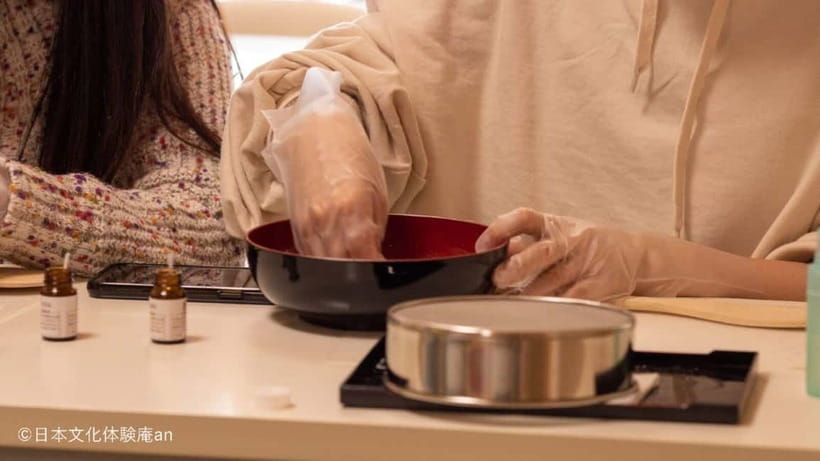
One of the fun parts is choosing what your sweets will look like. You pick from wooden molds, and the shape you choose influences the final result—so go with what makes you smile.
This is a small but meaningful design choice. When you shape something with a mold, you can’t really improvise like you might with dough or clay. That limitation is actually part of the charm. It forces you to pay attention to the steps and trust the process.
If you’re picky about aesthetics (I am), this is also the moment where your personality shows up. A cute design makes the whole thing feel more like an activity and less like a basic sugar lesson.
And since it’s a dried-type sweet, you’re dealing with a different feel than candy you might be used to. It’s not sticky, gooey, or messy in the way some desserts can be. That makes it easier to enjoy even if you’re not confident in kitchen skills.
The taste lesson: what fresh Wasanbon gives you
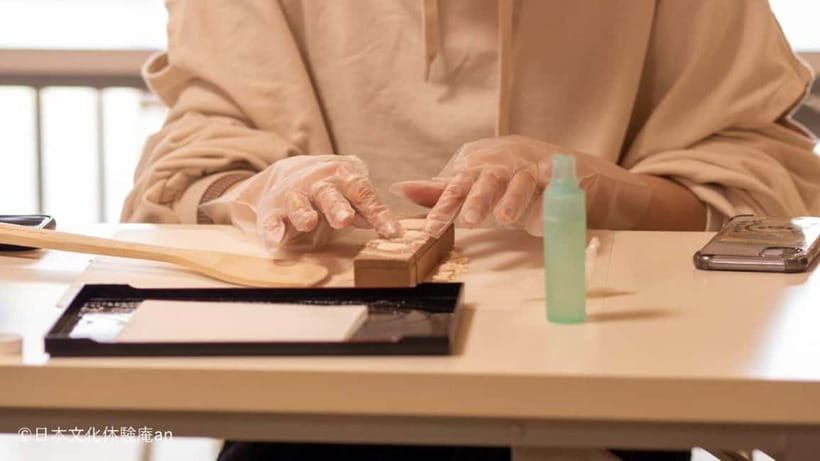
The experience highlights the point most people miss: high-quality Wasanbon has a flavor you won’t guess from a supermarket substitute. When you use 100% Wasanbon, the melt and the sweetness come across differently.
You’ll hear a lot of descriptions like mellow, smooth, and melt-in-your-mouth. What makes this workshop useful is you can taste those ideas immediately. You’re not reading about it and hoping it’s accurate. You make it, then you eat it.
That “freshly made” detail is key. Even if you’ve tried Wasanbon products before, the taste can feel more vivid when you’re eating something made in the session. It’s the difference between opening a sealed package and tasting something that just came together.
Also, because the standard version is made without added color, you get a cleaner baseline. The flavor isn’t competing with anything artificial. If you want a straightforward way to understand why Japanese traditional sweets have their own identity, this is a solid start.






Color option and optional certificate fees
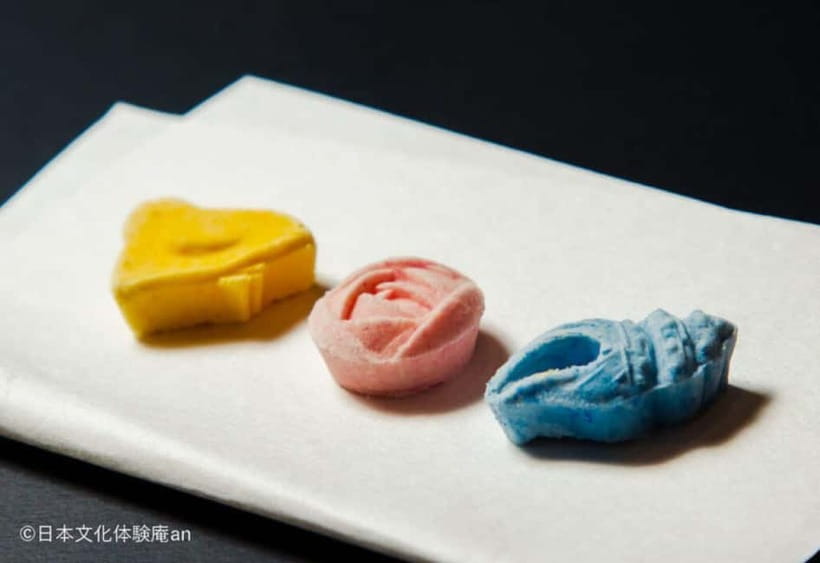
By default, your Ohigashi are made without adding any color. That’s the classic version described in the workshop.
There is an optional upgrade if you want extra visual fun: for 200 JPY, you can make colorful Ohigashi. The key detail here is timing and planning. The info says you can apply on the day if you’re interested, so you don’t need to decide months in advance. Still, if you care about budget, think of this as a simple add-on.
There’s also a separate option for an experience completion certificate for 300 JPY. That’s useful if you like keeping mementos from activities, but it’s not required to enjoy the core food-making.
Price and value: what $10 buys you in 30 minutes
$10 for a 30-minute hands-on food workshop sounds small because it is small time-wise. But that’s also the point: you’re paying for a focused craft experience, not a long, expensive day.
Here’s what you actually get for the price:
- Instruction about Japanese traditional sweets
- Step-by-step help making dried-type Ohigashi
- The ability to choose a shape from wooden molds
- A fresh taste of what you made
- A structured session that includes photo time and eating/drinking time
If you compare it to buying packaged sweets, this is different. Packaged sweets can be delicious, sure. This gives you the story of making them, plus a clearer understanding of what Wasanbon does in real form.
And because the session is 30 minutes, it’s easy to slot into a Tokyo day without sacrificing half your afternoon. That makes it a practical value for people who want culture with minimal planning headaches.
Language, timing, and what to do if things move fast
The workshop language is Japanese. English translation is provided as much as possible, and if you want additional support you should contact the property.
Here’s the practical advice: don’t rely on perfect English for every step. Look for the instructor’s cues, watch how the mold is handled, and follow along. Even if you only catch parts of the explanation, you’ll still be able to complete the making process.
Timing is also strict because the experience won’t accommodate delays. Since it’s scheduled in a tight block, plan to arrive early enough to check in and get comfortable before it begins.
Operation hours are 10:00 to 17:00. If your reservation comes in after 17:00, it’s processed the next day. So when you’re planning your Tokyo day, keep that in mind.
Who this workshop fits best (and who might want another option)
This Ohigashi experience is ideal if you:
- Want an edible craft you can actually eat right after making it
- Care about Japanese ingredients and want to learn why Wasanbon is different
- Prefer short, focused activities over all-day tours
- Like the idea of choosing a mold shape and taking home a personal food memory
It may be less ideal if you:
- Need long explanations in English before you start
- Have trouble with fixed-time activities
- Get stressed by a quick schedule and prefer lots of cushion time
But even then, if you’re open to a hands-on, instruction-led experience, you should still get something out of it. The activity is designed to be doable in a short format.
Should you book this Ohigashi workshop at AN TOKYO?
Book it if you want a hands-on Tokyo experience that ends with something you made and ate while it was fresh. The 100% Wasanbon ingredient focus is rare, and the mold choice adds a playful, personal element.
I’d skip it only if you’re hoping for a long cultural lecture, lots of English detail, or a very slow-paced workshop. This is a compact session with a clear schedule: explanation, making, photos, then eating.
If your travel style likes small crafts, real taste, and practical value for time, this one is an easy yes.
FAQ
How long is the Japanese dried-type sweets making experience?
The experience runs for 30 minutes.
How much does it cost?
It’s listed at $10 per person.
What sweets will I make?
You’ll make Japanese dried-type sweets called Ohigashi using traditional Japanese sugar Wasanbon.
Do I add color to the sweets?
By default, you make the Ohigashi without adding any color. You can add color for an additional 200 JPY on the day.
Can I choose the shape of my sweets?
Yes. You choose your preferred shape from cute wooden molds.
Is there an English translation?
English translation is provided as much as possible. If you want to add English translation, you should contact the property.
Where do I meet the instructor?
Meet at AN TOKYO Japanese Culture Experience. Coordinates are 35.6916541, 139.7715022.